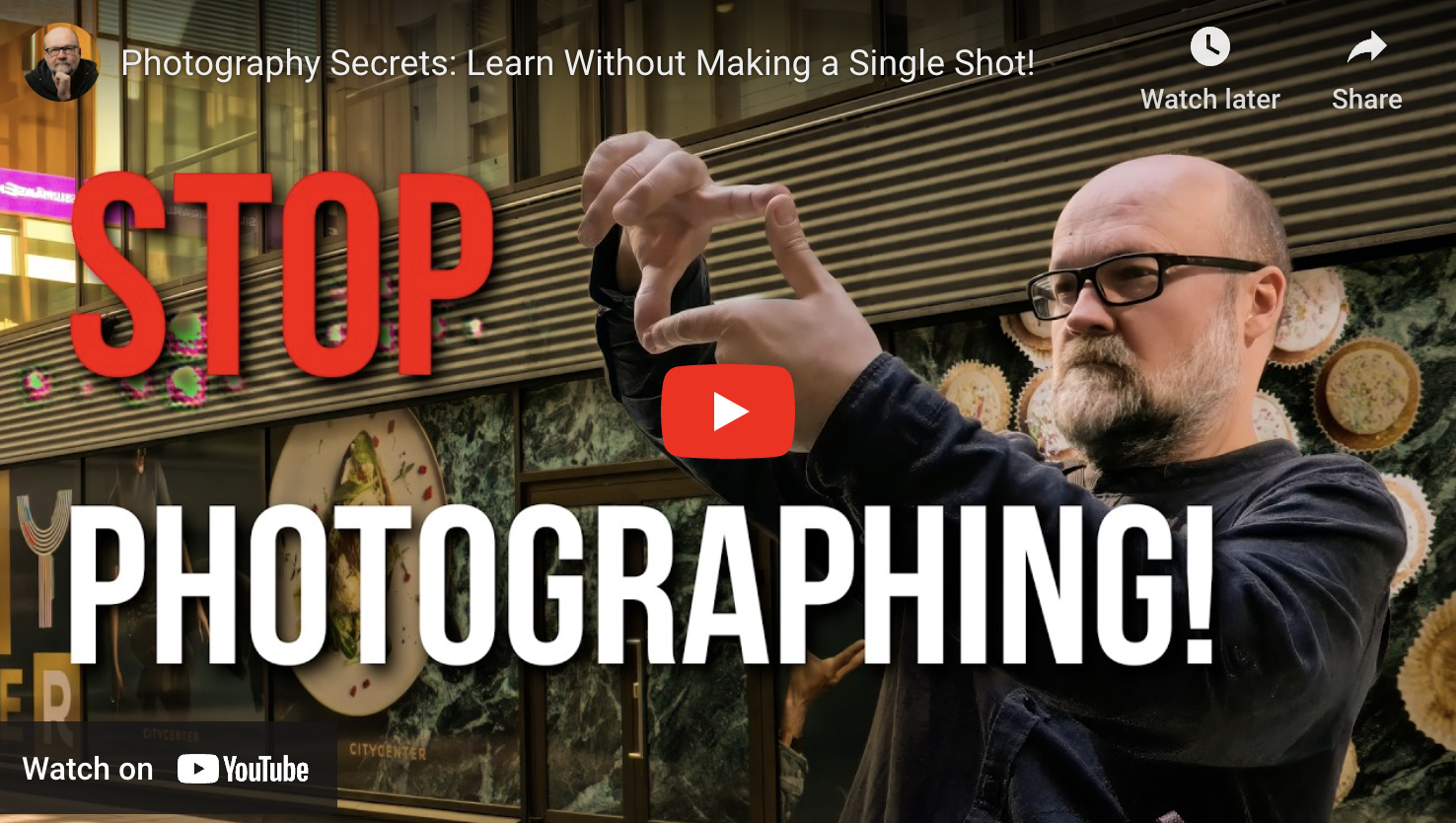
The Power of Observation
At the core of this method lies the art of observation. By keenly observing your surroundings, you can develop a sharper eye for:
– Light and shadow interplay
– Human interactions
– Environmental textures and patterns
This practice enhances your ability to identify visually compelling scenes, a crucial skill for any photographer.
Learning from the Masters
Studying the work of renowned photographers is an integral part of this approach. Analyze their:
– Composition techniques
– Use of light
– Emotional impact
Understanding these elements allows you to incorporate similar strategies into your own work.
The Art of Visualization
Before capturing an image, take time to visualize the final result in your mind. Consider:
– Composition
– Focal point
– Narrative elements
This mental exercise sharpens your ability to spot potential shots in everyday scenes.
Mindful Photography Practice
When you do decide to take photos, approach it with mindfulness:
– Take your time with composition
– Adjust settings carefully
– Ensure everything is perfect before pressing the shutter
This deliberate approach reduces unnecessary shots and improves the overall quality of your work.
Learning from Experience
Critically reviewing your photos is a powerful learning tool. Identify:
– What worked well
– Areas for improvement
This self-analysis helps refine your skills and informs future shoots.
The Effectiveness of This Approach
While it may seem counterintuitive, learning photography without constantly taking photos can significantly enhance your skills. This method trains your eye to see the world from a photographer’s perspective and encourages more intentional, high-quality shots.
By incorporating these techniques into your photography practice, you can develop a more thoughtful and skilled approach to your craft. Remember, great photography starts with keen observation and visualization long before the shutter is pressed.
Leave a Reply