Photography is not just about capturing what we see; it’s about revealing how we see. Abstract texture photography does exactly that, transforming ordinary surfaces into extraordinary images. This focuses on the patterns, colors, and textures that make up our world, turning them into captivating visuals.
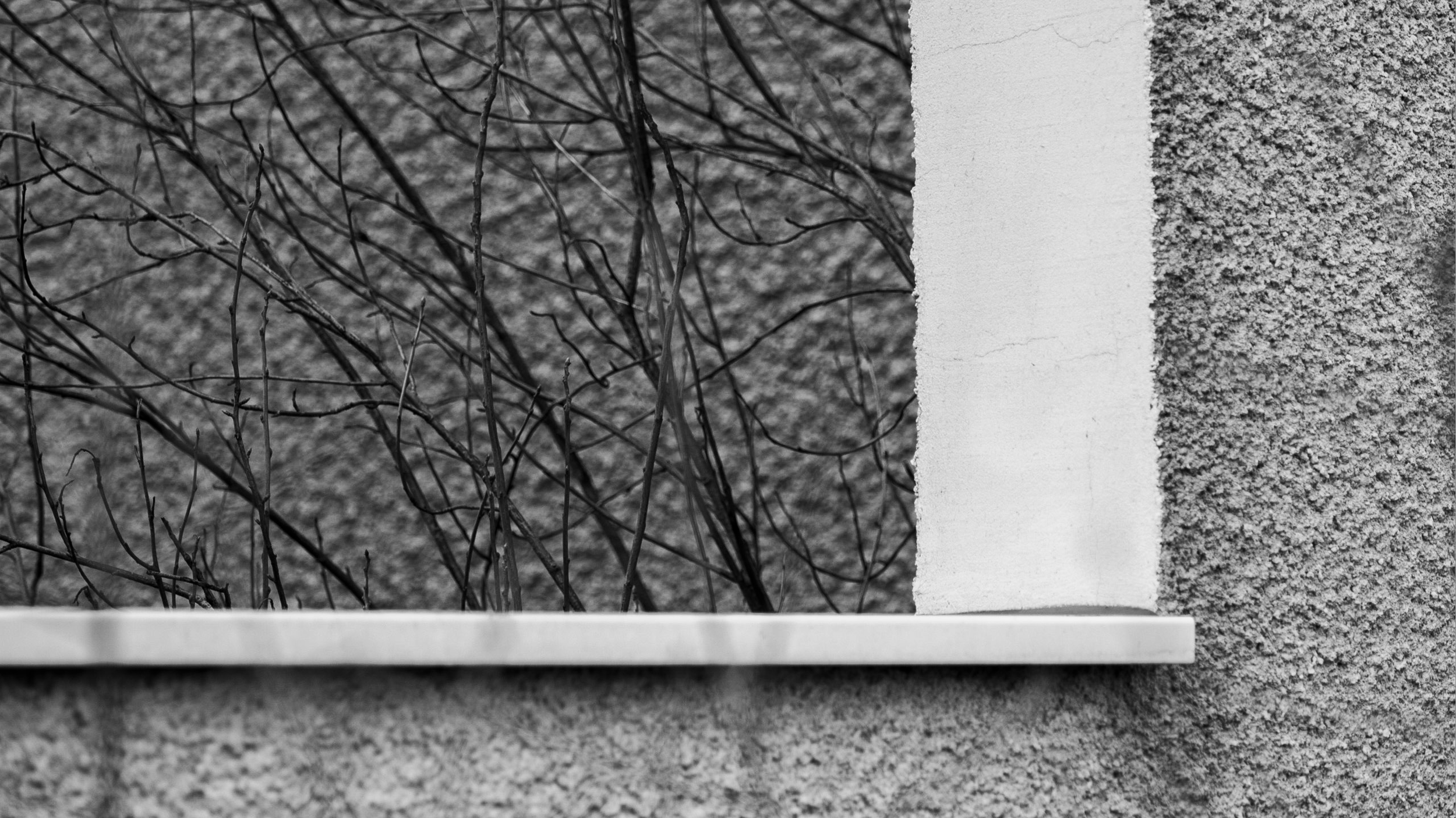
What is Abstract Texture Photography?
Abstract texture photography isolates patterns, textures, and forms, often removing them from their familiar context. This form of photography can turn the mundane into the magnificent, emphasizing the beauty in details often overlooked.
Tips for Capturing Abstract Textures
Look for Patterns and Textures: Explore your environment for interesting patterns and textures – rust on metal, peeling paint, reflections in water, or shadows on a wall.
Play with Light: Observe how different lighting conditions affect textures. Side lighting can enhance texture, while backlighting can create silhouettes and shadows.
Get Close: Use macro lenses or zoom in to fill the frame with texture.
Composition Matters: Even in abstract work, composition is key. Experiment with different compositions to find the most visually appealing arrangement.
Experiment with Angles: Shooting from different angles can completely change the way a texture appears.
Creative Exploration
Mixing Elements: Combine various elements like water, metal, wood, and fabric to create layered images.
Post-Processing: Experiment with color adjustments, contrast, and filters to enhance or alter the texture.
Abstract Portraiture: Use textures in combination with portraits for a unique twist.
Challenges and Solutions
Finding Subjects: Look beyond the obvious. Textures are everywhere – it’s about how you see them. Notice things around you.
Overwhelm in Details: Focus on one element at a time to avoid clutter.
Lighting Issues: Use reflectors or diffusers to manage harsh lighting.
Conclusion
Abstract texture photography invites us to look closer, to appreciate the art hidden in the details of our everyday world. It challenges photographers to reinterpret their surroundings, transforming the ordinary into extraordinary works of art. With a curious eye and a creative mind, the world of textures is yours to capture.