
Author: Peter Forsgard

  • Samyang 12mm F2.0 X Review: A Versatile Wide-Angle Prime for Fuji X-Mount

    Samyang 12mm F2.0 X Review: A Versatile Wide-Angle Prime for Fuji X-Mount

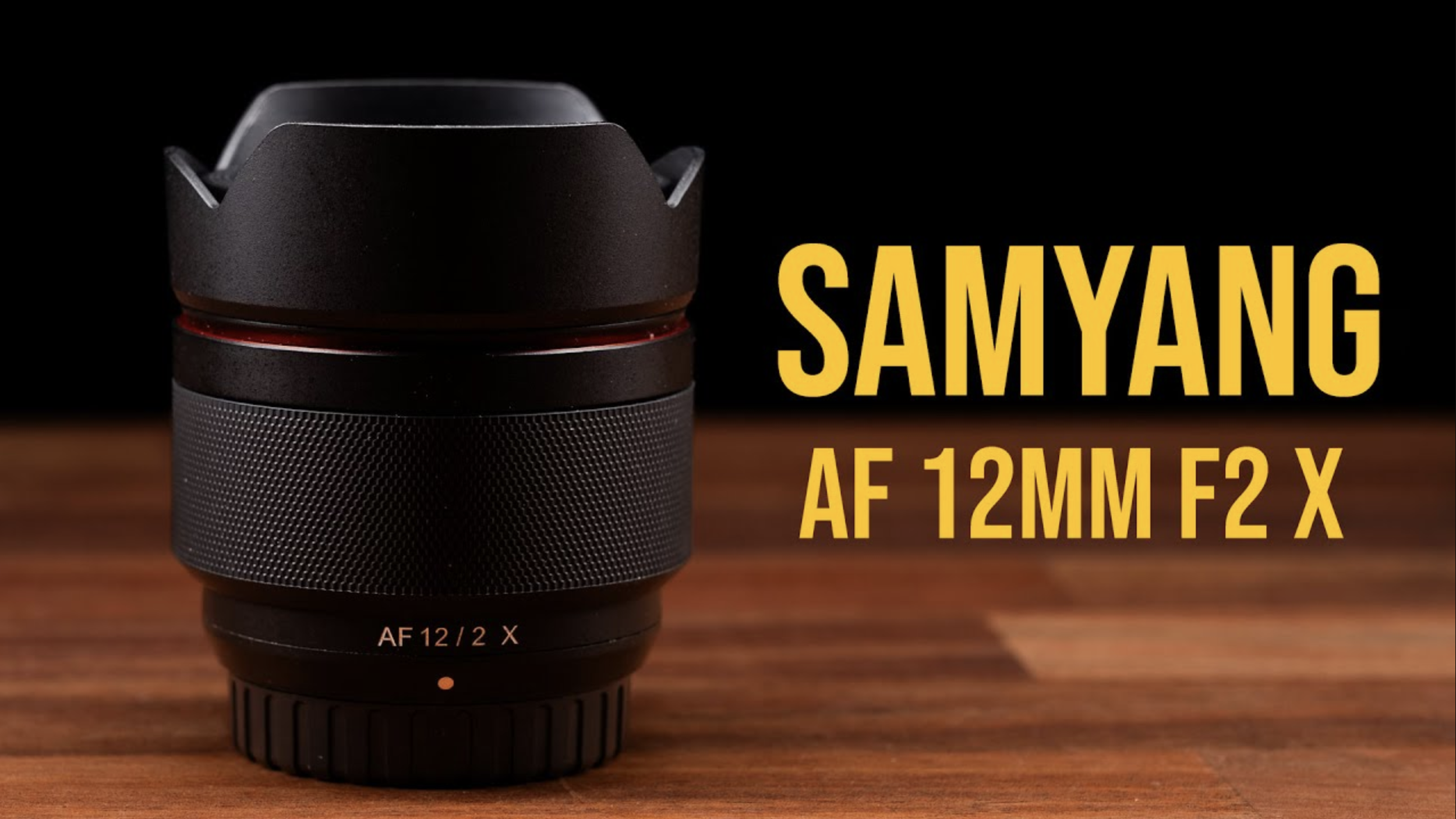
    I recently had the opportunity to test the Samyang 12mm F2.0 X lens, a promising wide-angle prime for Fuji X-mount cameras. This review is based on my hands-on experience with the lens, specifically using the Fuji X-S20 with a 26MP X-Trans sensor.

    Disclaimer

    Focus Nordic provided the lens for testing purposes. My opinions are entirely based on my experience with the lens, and I have not been influenced in any way. However, I do have affiliate links to Amazon and B&H.

    Testing Environment

    My primary focus was to evaluate the lens in urban settings, ideal for its focal length. I photographed various cityscapes and murals, including the recently completed Käärijä mural, to test its capabilities in real-world scenarios.

    Design and Build

    The Samyang 12mm F2.0 X impresses with its premium look and compact size. Despite being an F2.0 lens, it’s surprisingly small and feels great. The surface finish adds to its appeal and comes with a protective pouch, ensuring safety during transportation.

    Usability

    As a Fuji user accustomed to lenses with an aperture ring, I found its absence on the Samyang 12mm F2.0 X disappointing. The manual focus ring is robust and easy to use, although it lacks hard stops. One note of caution: the manual focusing generates a noticeable sound, which is potentially problematic in video scenarios with on-camera microphones. However, its AF compatibility ensures that EXIF data includes lens information.

    Autofocus Performance

    While autofocus speed isn’t a critical factor for this lens, it performs adequately given its typical use in static scenes like landscapes or cityscapes. Its depth of field is sufficient for street photography, especially when using the hyperfocal method.

    Image Quality

    The lens exhibits some barrel distortion, which the default Lightroom Classic profile doesn’t entirely correct. Manual adjustments are needed for optimal results. Similarly, DxO PhotoLab7 requires manual tweaking for distortion correction. Defringing is present but manageable. The best image quality is achieved when stopping down to F4-F5.6. Images can be found in my video about the lens. The link is at the end of this post.

    Value for Money

    Priced at around 374€, the Samyang 12mm F2.0 X is an affordable alternative to Fuji’s 14mm f2.8 lens, nearly twice the price at 899€. It’s a solid budget choice for fast, wide-angle prime lenses.

    Links to Amazon and B&H.

  • The Ultimate Photo Organizing Tool: Excire Search 2022:

    The Ultimate Photo Organizing Tool: Excire Search 2022:

    Struggling to sift through your vast photo archives? Excire Search 2022 is here to help. And guess what? They have an irresistible Cyber Week deal!

    Organize Like a Pro with Excire Search 2022

    We all know the drill: keeping organized and managing your photo archives is crucial. I have developed five top tips using Excire Search 2022 to simplify your photography life.

    Disclaimer

    A quick heads up: Excire generously provided me with Excire Search 2022 for testing purposes. I’ve been exploring its features since March 2022. Rest assured, my views are entirely my own; Excire had no input in this content. However, I do have affiliate links for their Cyber Week promo in the description.

    Excire Search vs. Excire Foto

    While Excire offers a plug-in version (Excire Search) and a standalone app (Excire Foto), this post focuses on Excire Search. Check out my latest video for the lowdown on Excire Foto.

    The Magic of Excire for My YouTube Ventures

    Excire has been a game-changer in sourcing images for my YouTube content. The search options are diverse, though I won’t delve into those here – catch the end screen of this video for more details.

    Integration with Lightroom

    One of the standout features? Excire Search’s seamless integration with Lightroom. Typically, keywords are stored in the Excire database after initialization. But here’s the kicker: you can transfer these to the Lightroom catalog, enhancing your search efficiency in Lightroom.

    Color-Based Image Searches

    Need to find images with specific color themes? Excire Search has you covered. Select color squares in the search window, and voilà! The software scours for images matching your chosen palette.

    Discover Similar Tones with a Reference Image

    Excire isn’t just about content; it’s also about matching colors. Selecting a reference color helps you find images with similar tones – perfect for achieving a specific aesthetic.

    URL-Based Searches

    Add a twist to your searches by using an external image URL. The results are impressively accurate, especially when you customize the search order.

    A Word on Search Quality

    Let’s address the elephant in the room: no AI is flawless. While Excire Search may have its limitations, its efficiency and speed in finding the right images are commendable.

    Organize with Collections and Sets

    After searching, Excire sorts results into collections. I’ve tweaked these by renaming them, focusing on the search criteria rather than the date. You can create as many collections as you like, though they’re not Smart Collections that update automatically. That said, you can always create these manually.

    The Cyber Week Steal in 2023

    The list price of Excire Search 2022 is usually €119, but it’s been slashed to just €59 for Cyber Week. A steal, right? Grab the deal using this link.

    Final Thoughts

    Overall, I’m very happy with Excire Search 2022. It has helped me a lot. I have at least over 300.000 images in my Lightroom catalog. Finding the images I need without Excire Search 2022 would be impossible.

  • 6 Ways Film Photography Can Elevate Your Skills

    6 Ways Film Photography Can Elevate Your Skills

    In the rapidly evolving world of photography, film photography remains a timeless craft that offers unique benefits to photographers. Here are five reasons why delving into film photography can enhance your skills and broaden your artistic horizons.

    1. Equipment Diversity:

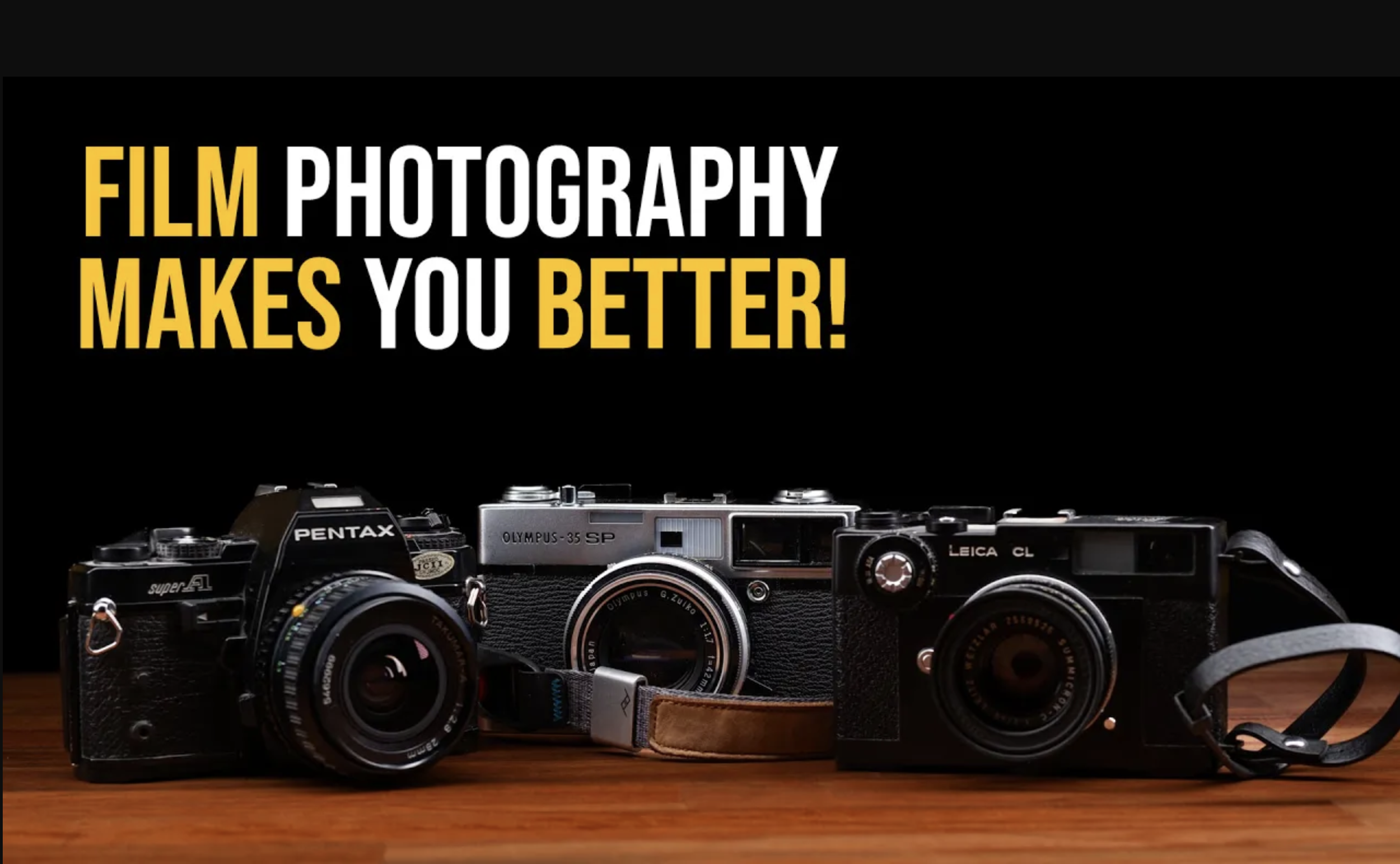
    The world of film photography presents an array of equipment choices, from vintage film cameras at bargain prices to professional SLRs and compact cameras. Exploring these diverse options can enhance your understanding of different photographic tools and techniques. Although gear isn’t everything, the experience gained from working with various types of cameras is invaluable.

    2. Exploring Different Film Stocks:

    Film photography isn’t just about the camera; it’s also about the film. Each type offers a unique character and aesthetic with options ranging from color to black and white, slide film, and instant film. Experimenting with different films can inspire new styles and perspectives, though it’s worth noting that films and development can be costly.

    3. Timeless Aesthetic:

    There’s something about film photography that digital simulations can’t replicate. Film photos’ nostalgic and timeless quality, especially black and white, creates images that resonate across generations. These photos often capture more than just a moment; they evoke a sense of enduring relevance.

    4. Surprise and Uncertainty:

    Film photography incorporates elements of surprise and uncertainty, making the process more engaging and educational. The simplicity of most film cameras, often limited to basic controls, encourages photographers to be more present and focused on their surroundings.

    5. Slower, More Thoughtful Process:

    Film photography naturally imposes a slower, more deliberate approach. This restriction can be a powerful tool, fostering creativity and problem-solving. It teaches photographers to be more thoughtful, potentially producing more meaningful and impactful images.

    6. Enhanced Attention to Composition and Detail:

    Film photography inherently encourages a more meticulous approach to framing and composing each shot. Since film rolls are limited in the number of exposures they offer, photographers learn to be more discerning about what they capture. This limitation fosters a heightened awareness of composition, lighting, and subject matter.

    Unlike digital photography, where one can take numerous shots and select the best later, the film requires careful consideration of each frame. This process cultivates a deeper understanding of photographic elements such as the rule of thirds, leading lines, framing, and perspective. Over time, this careful consideration becomes second nature, greatly enhancing the photographer’s ability to capture compelling images, even in fast-paced or challenging situations.

    Additionally, the tactile experience of manually adjusting focus, aperture, and shutter speed on a film camera enhances the photographer’s connection to the camera as a tool, leading to a more intuitive understanding of how various settings affect the final image. This hands-on experience with the mechanics of photography can be incredibly beneficial, especially in an era where digital cameras often automate these processes.

    By integrating the lessons learned from film photography into their broader practice, photographers can develop a more refined and thoughtful approach to their craft, regardless of their working medium.

    Conclusion:

    Whether you’re a seasoned photographer or just starting, film photography offers unique experiences and learning opportunities. It encourages a different approach to capturing images that might change how you perceive and engage with photography. Have you tried film photography, or are you planning to?

    Share your experiences and thoughts in the comments below!

    More about this topic in my video: