Category: analog

  • The Art of Lomomatic 110 Photography

    The Art of Lomomatic 110 Photography

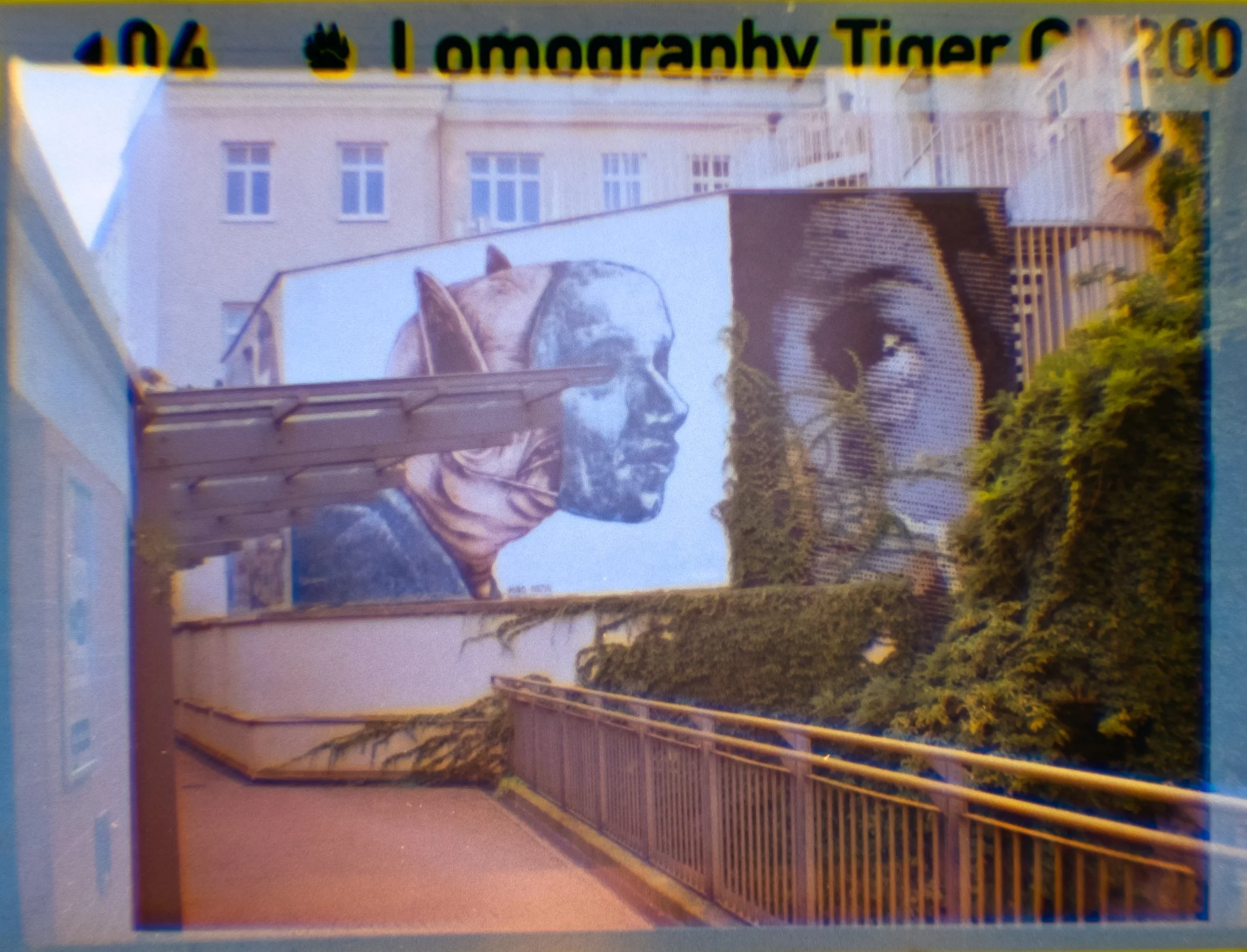
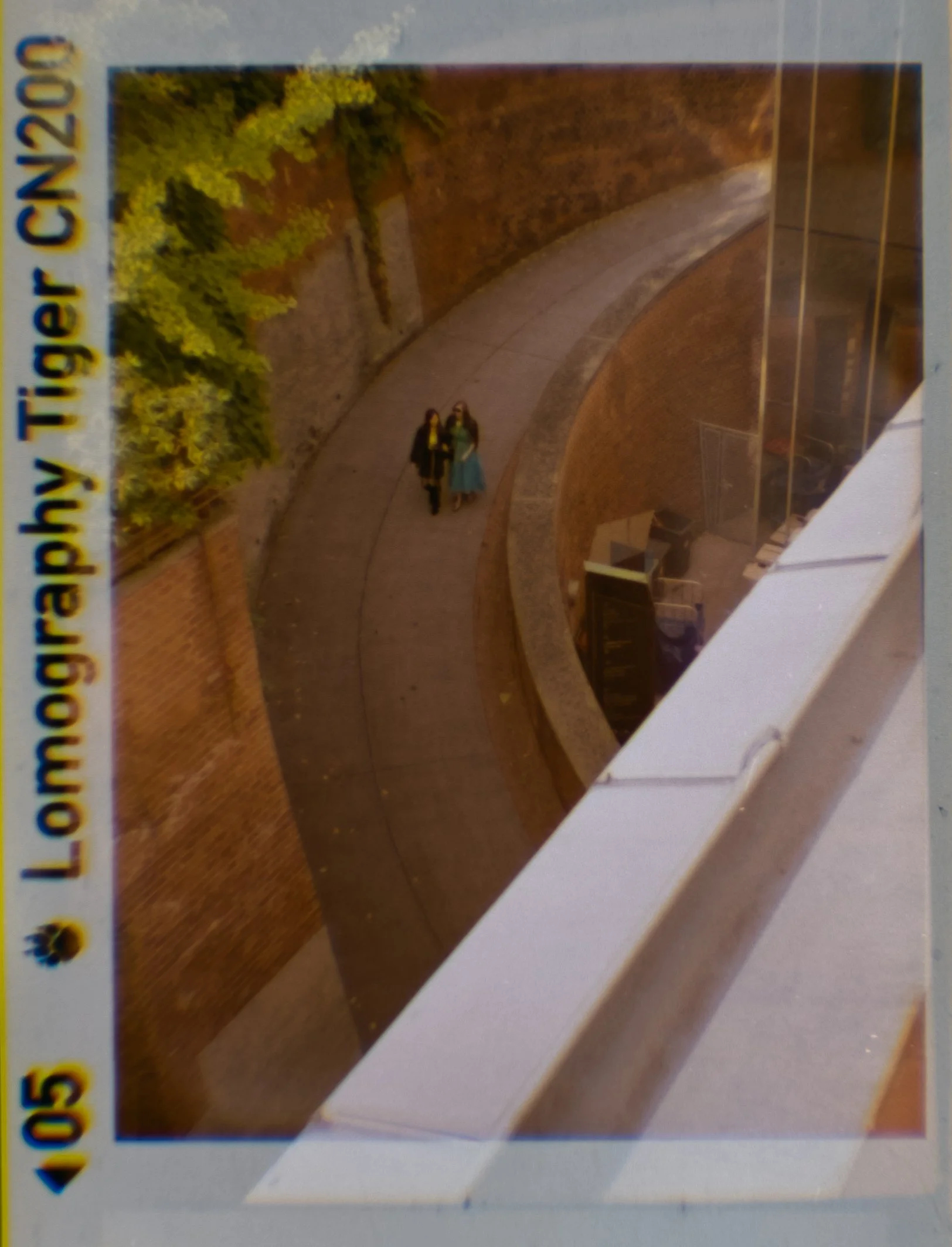
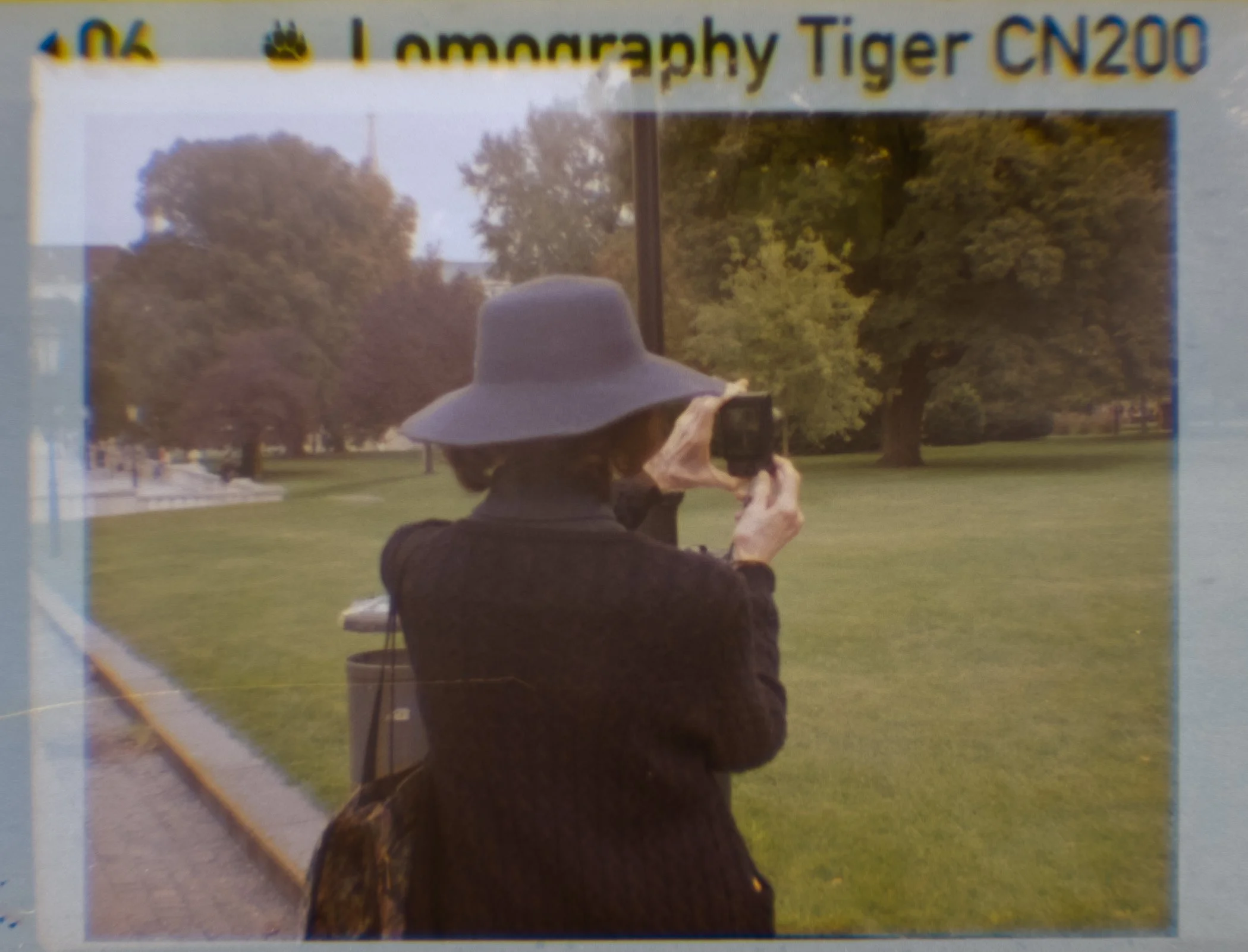
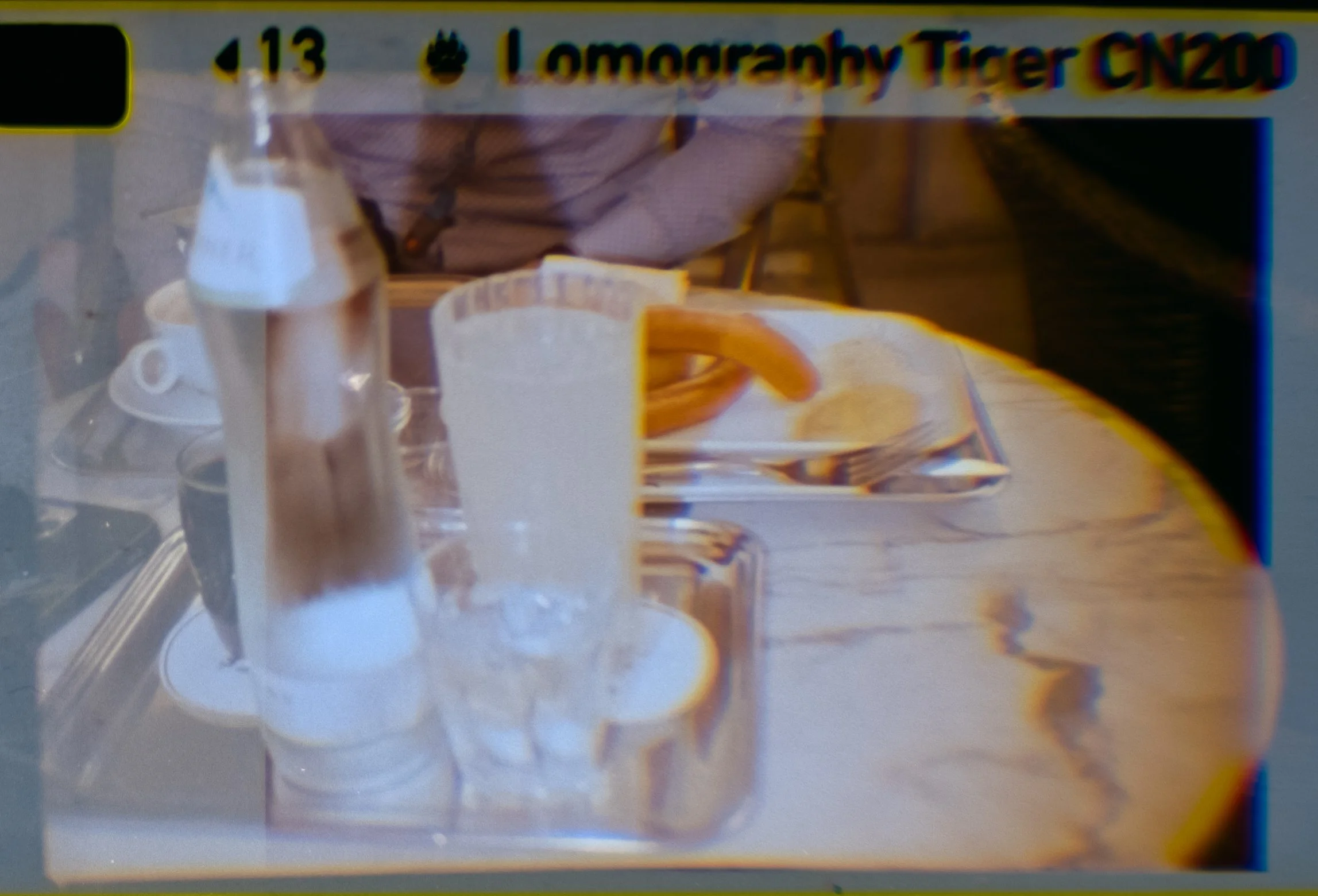
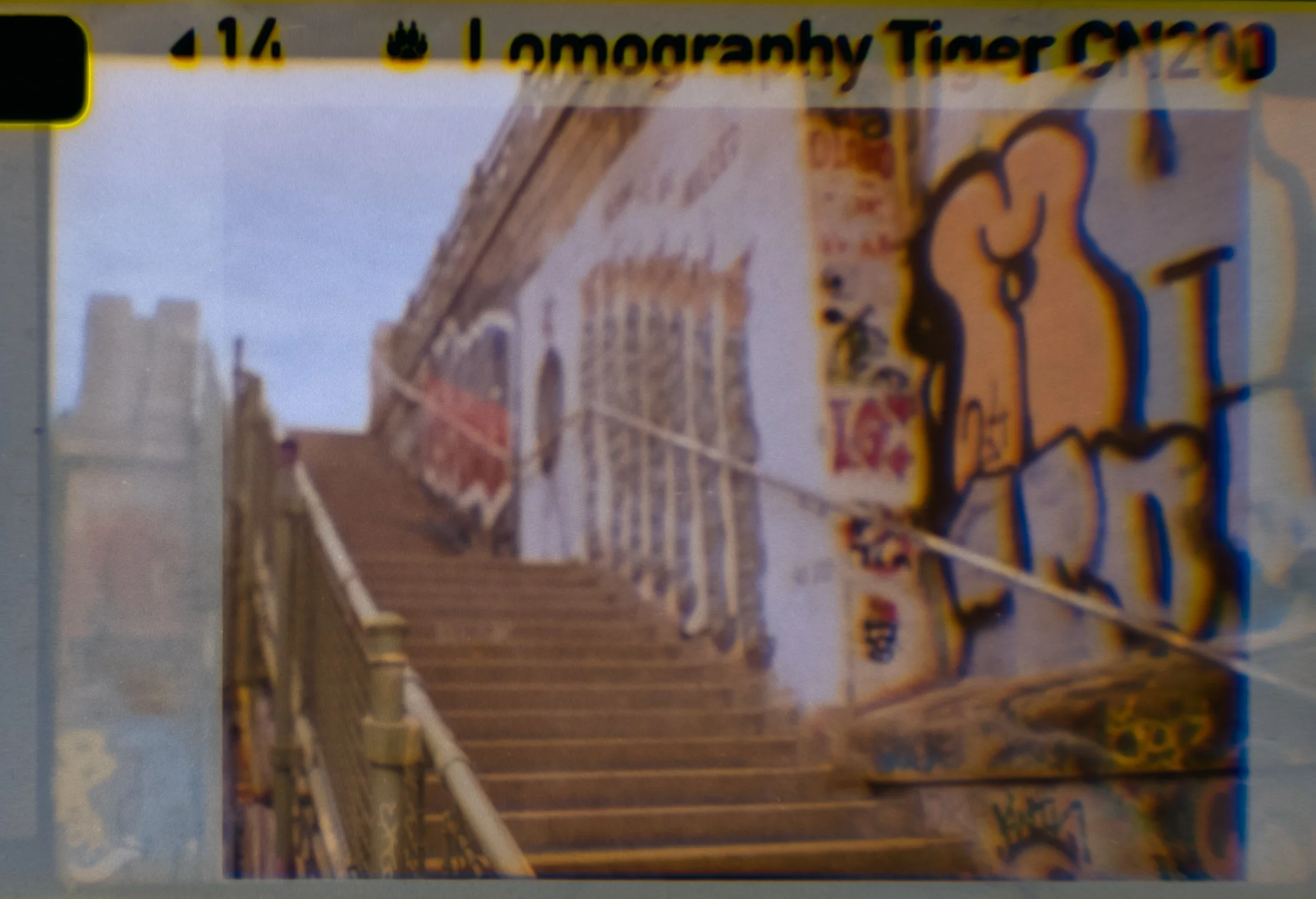
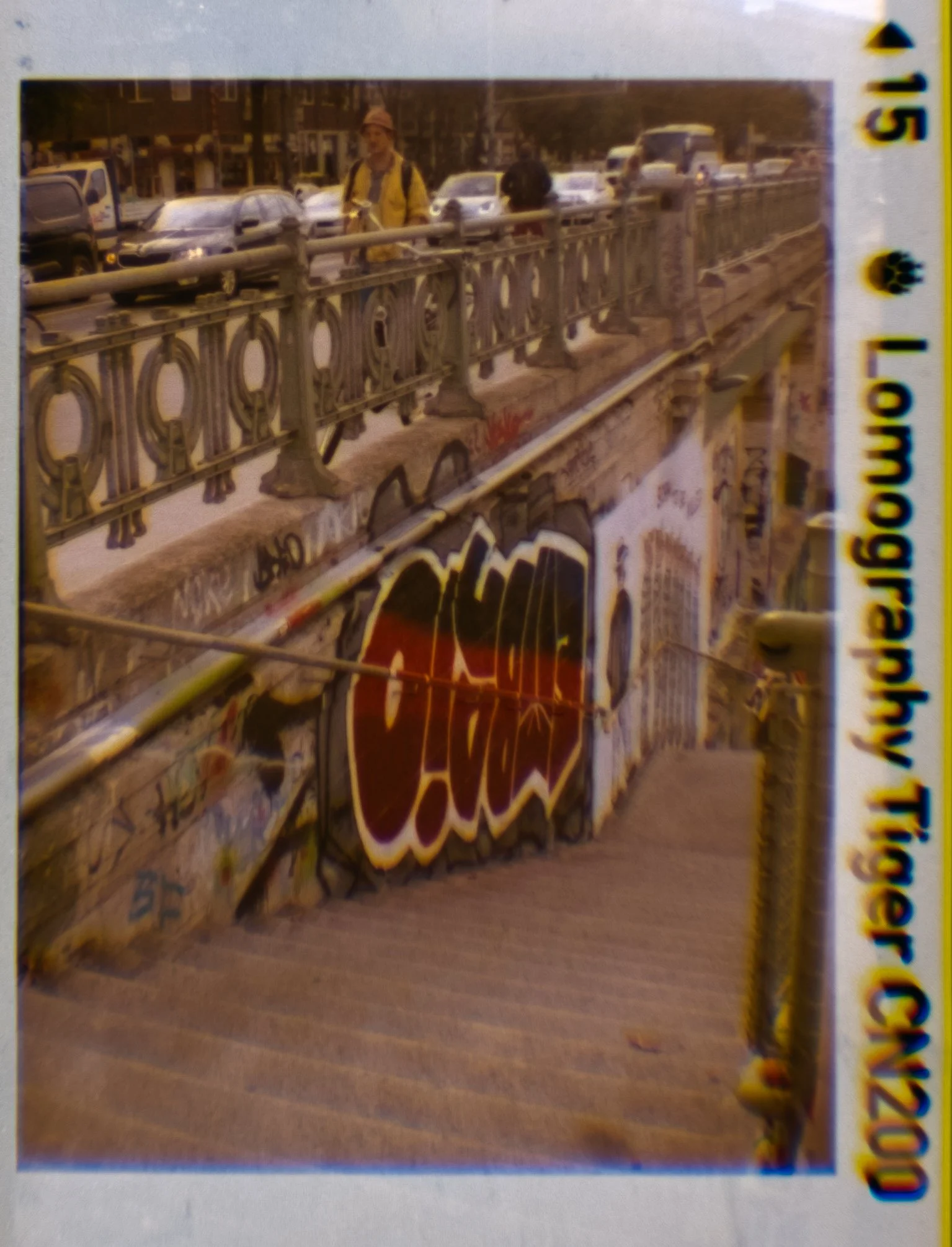
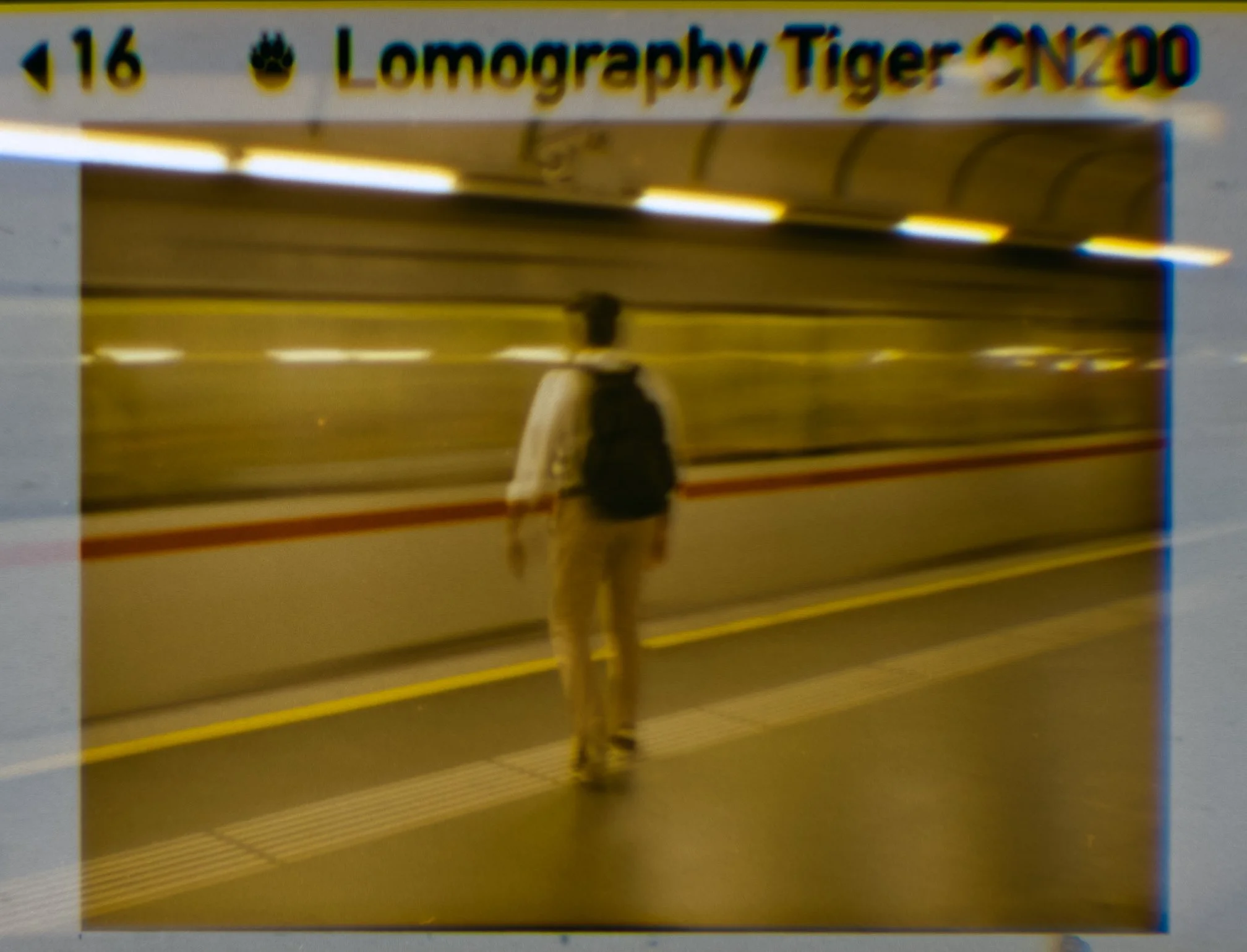
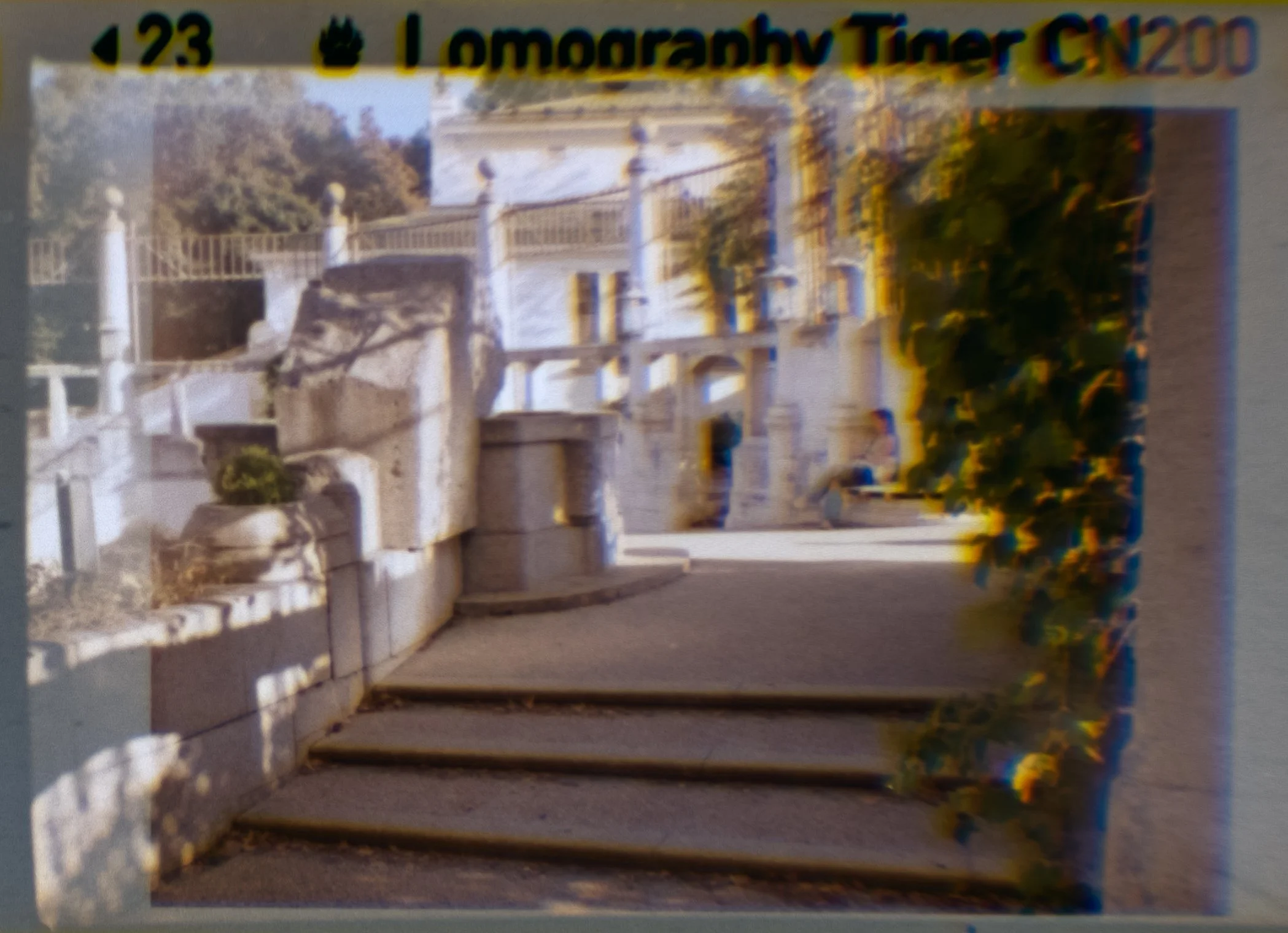
    I explored the vibrant streets of Vienna with a unique camera. I embarked on a photographic adventure that combined nostalgia with modern creativity.

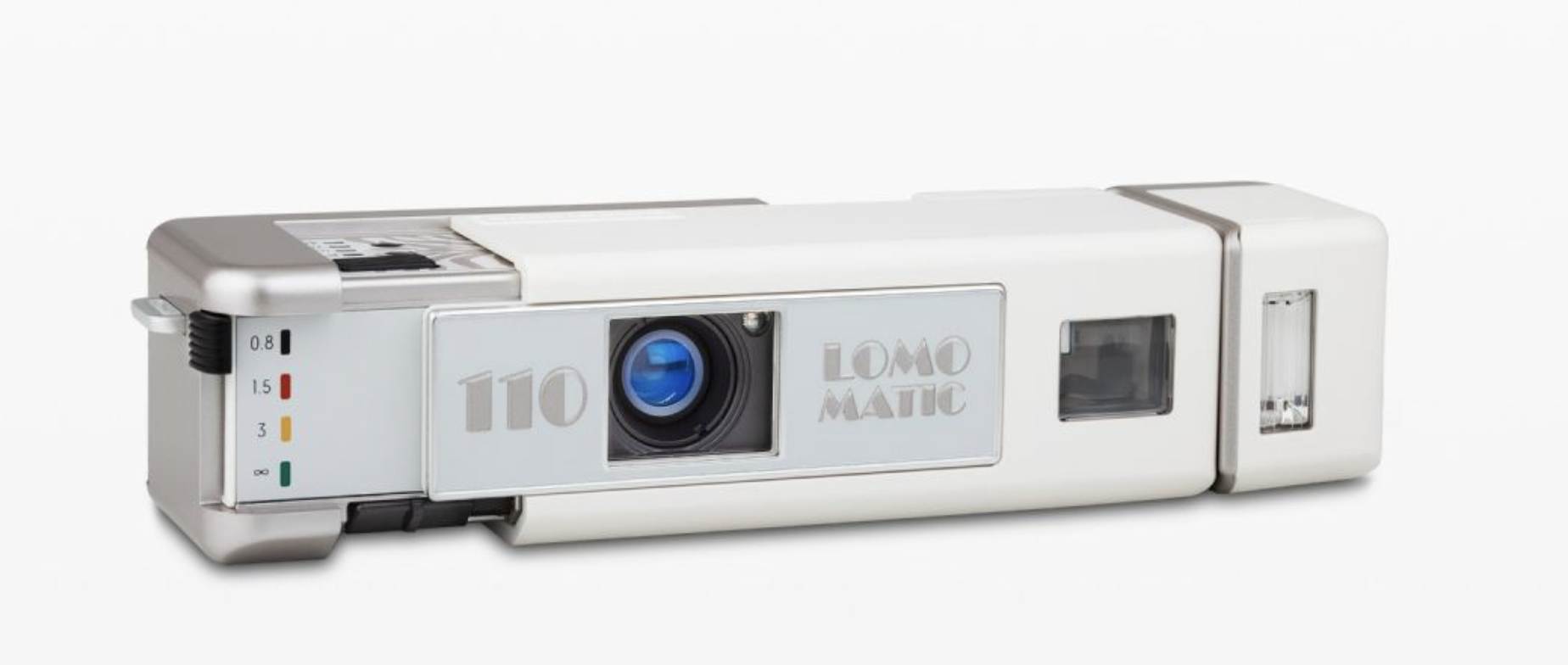
    The Lomomatic 110 Camera, a recent release by Lomo, offers a blend of vintage charm and contemporary design.

    The Lomomatic 110 Zebra Camera
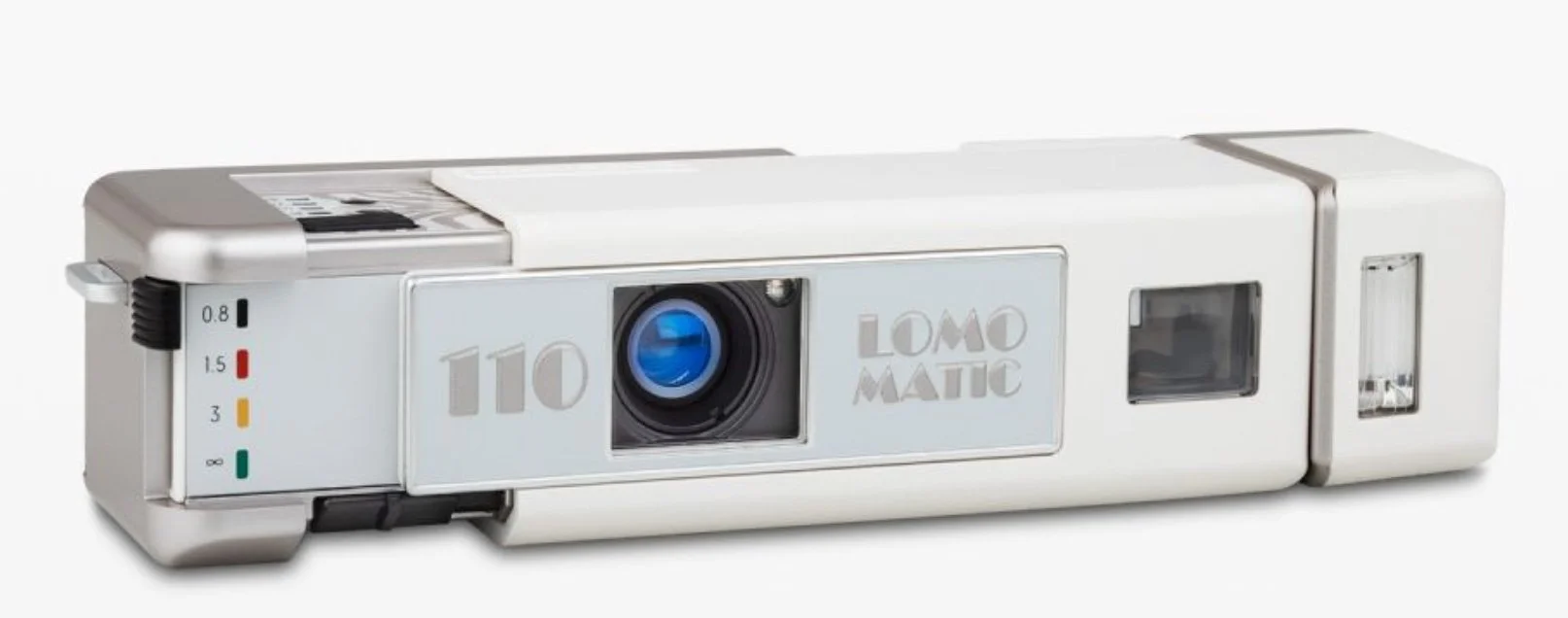
    image: Lomography.com

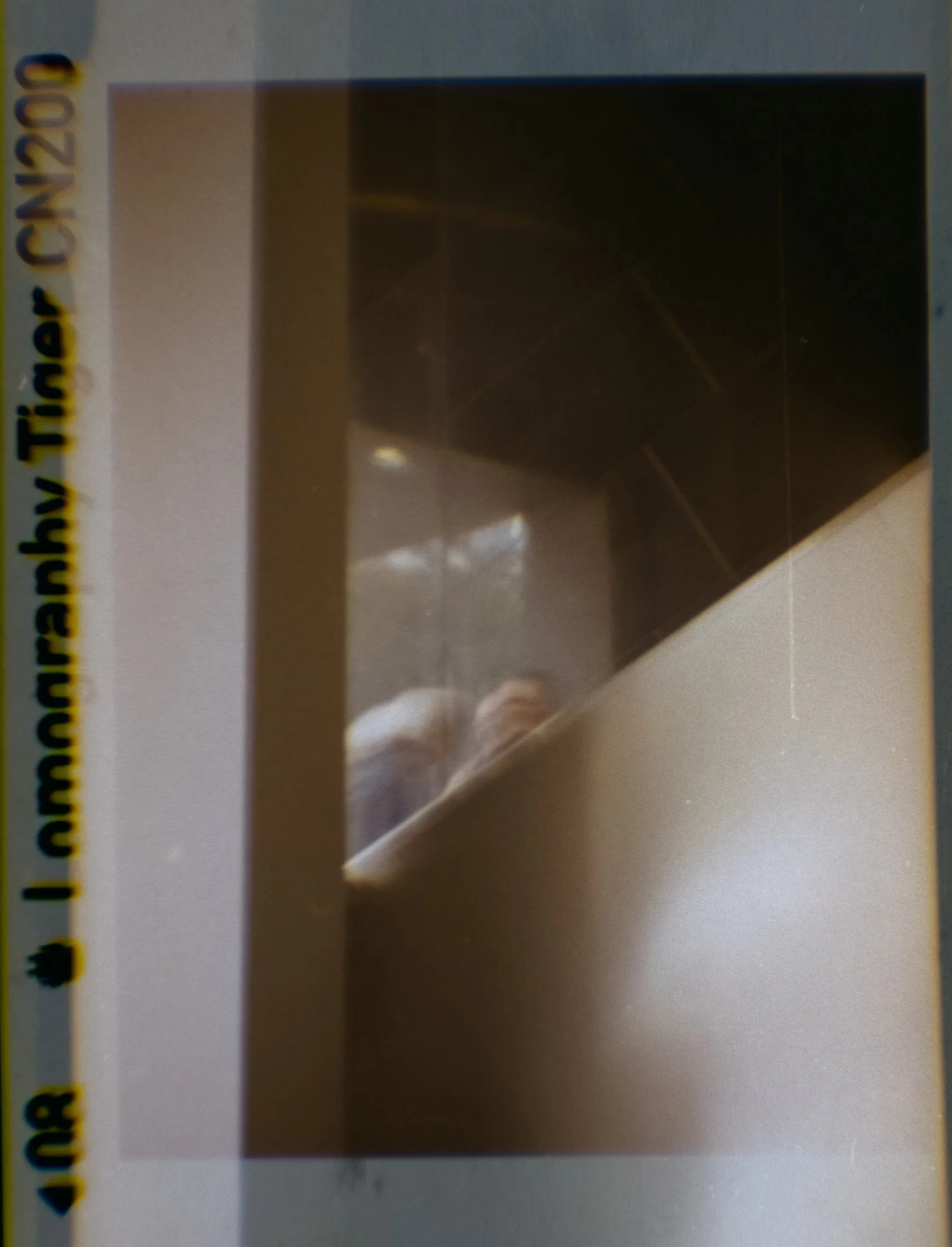
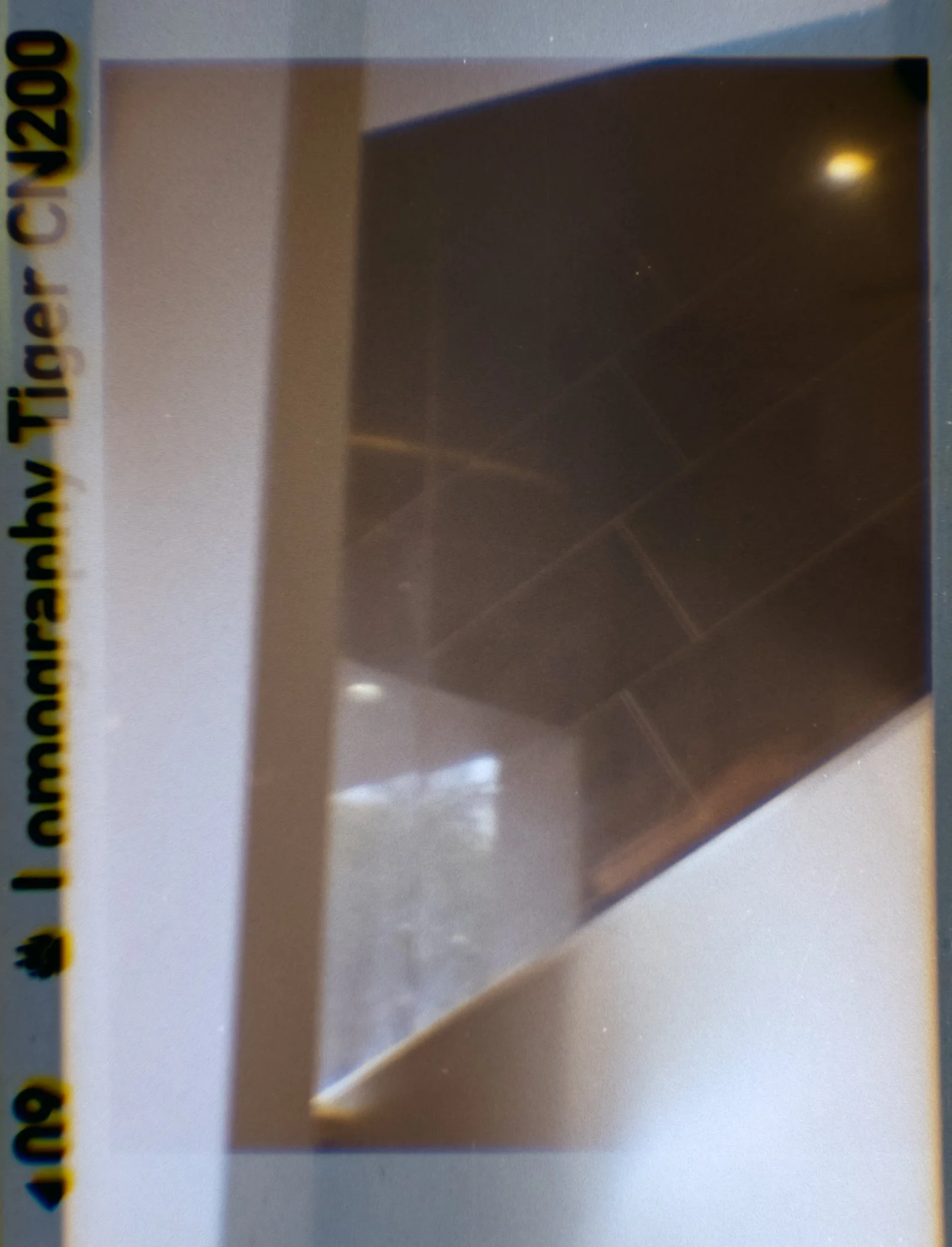
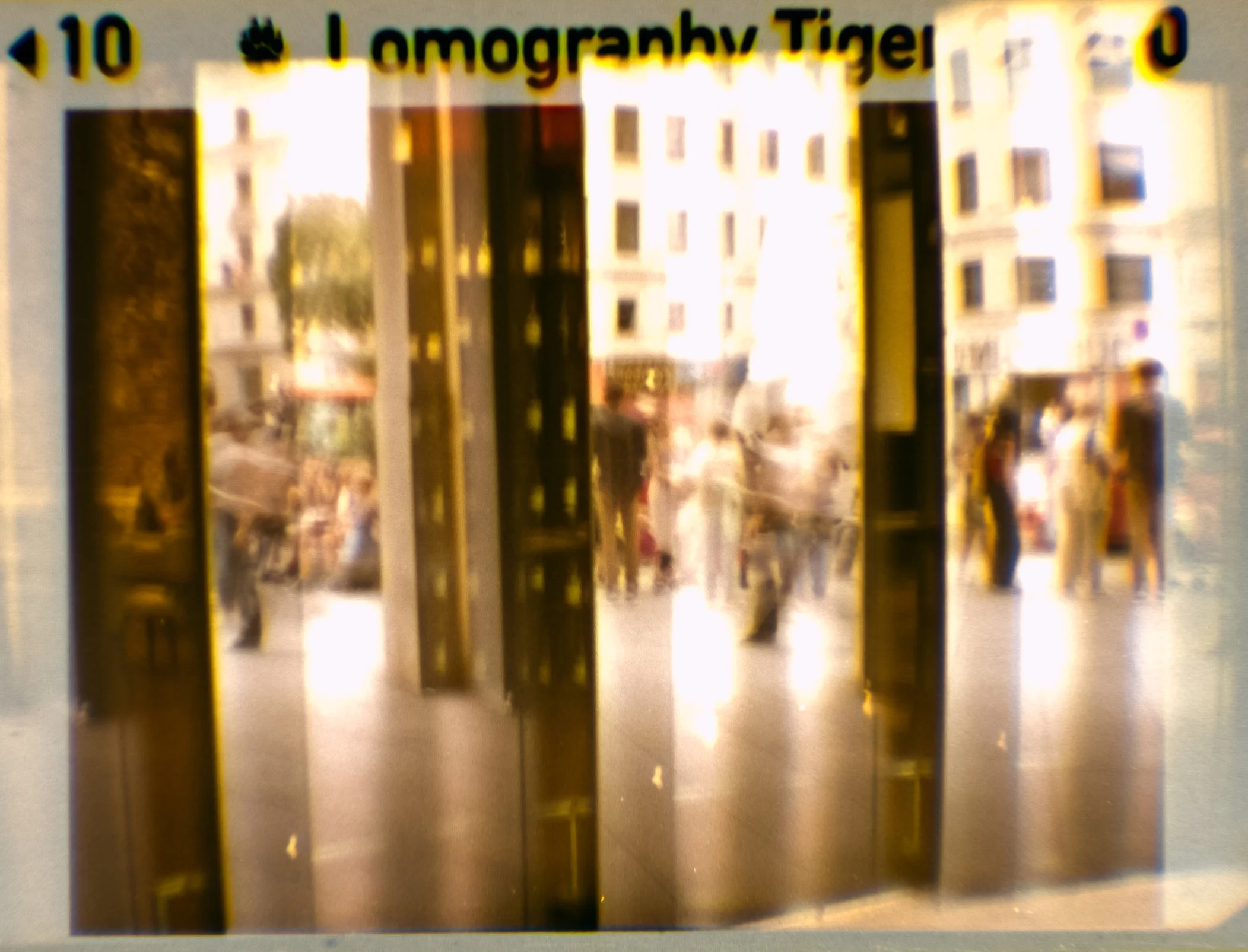
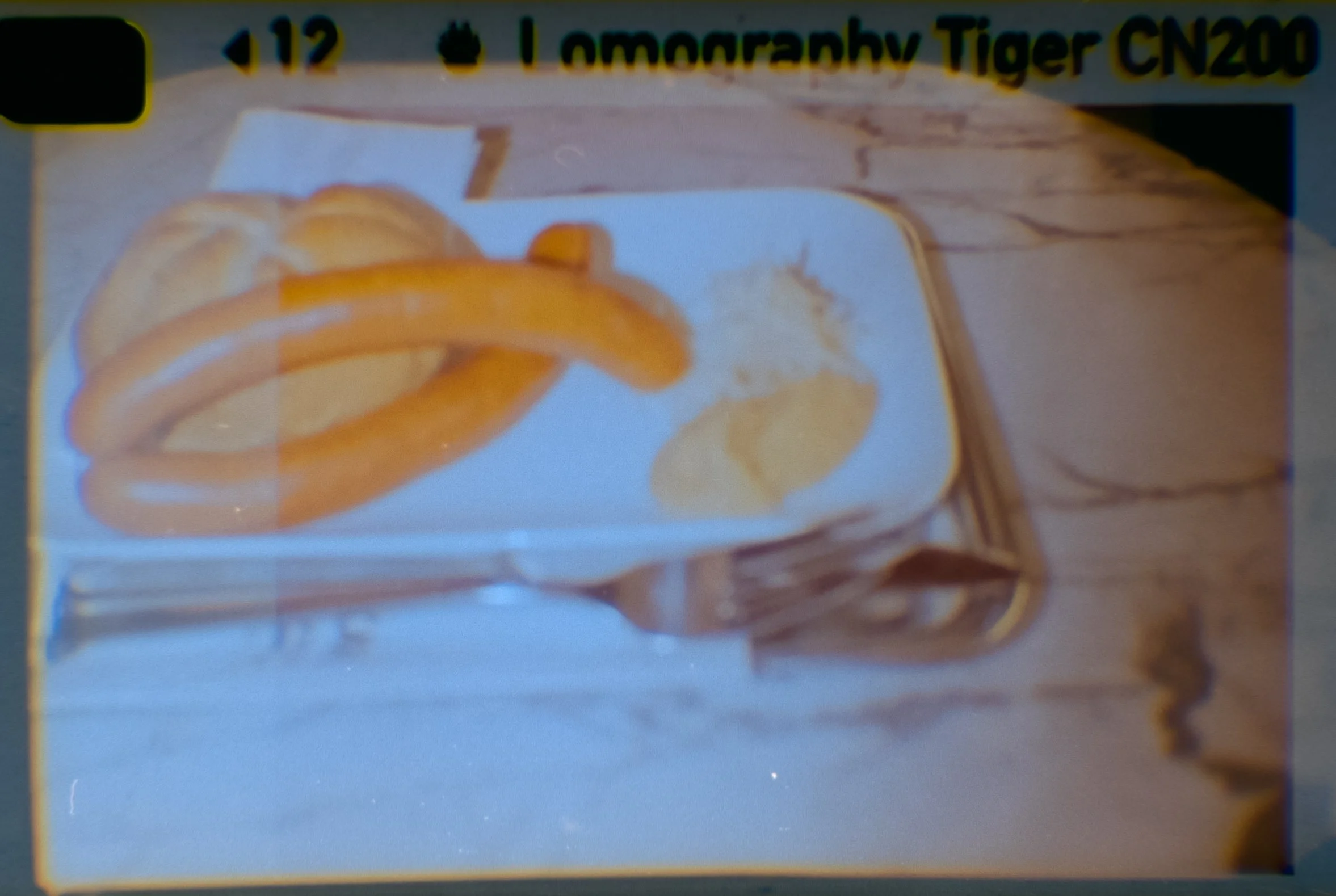
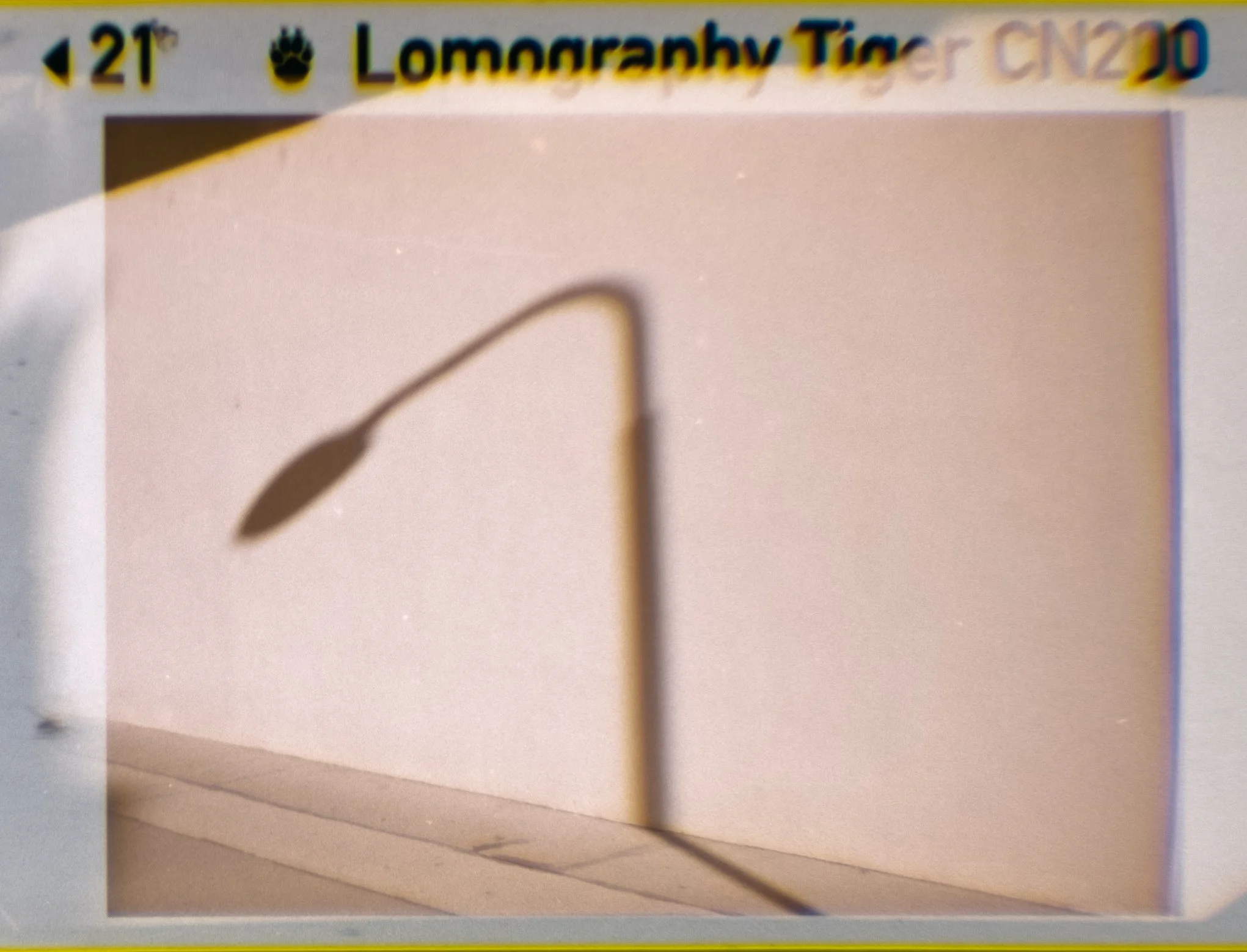
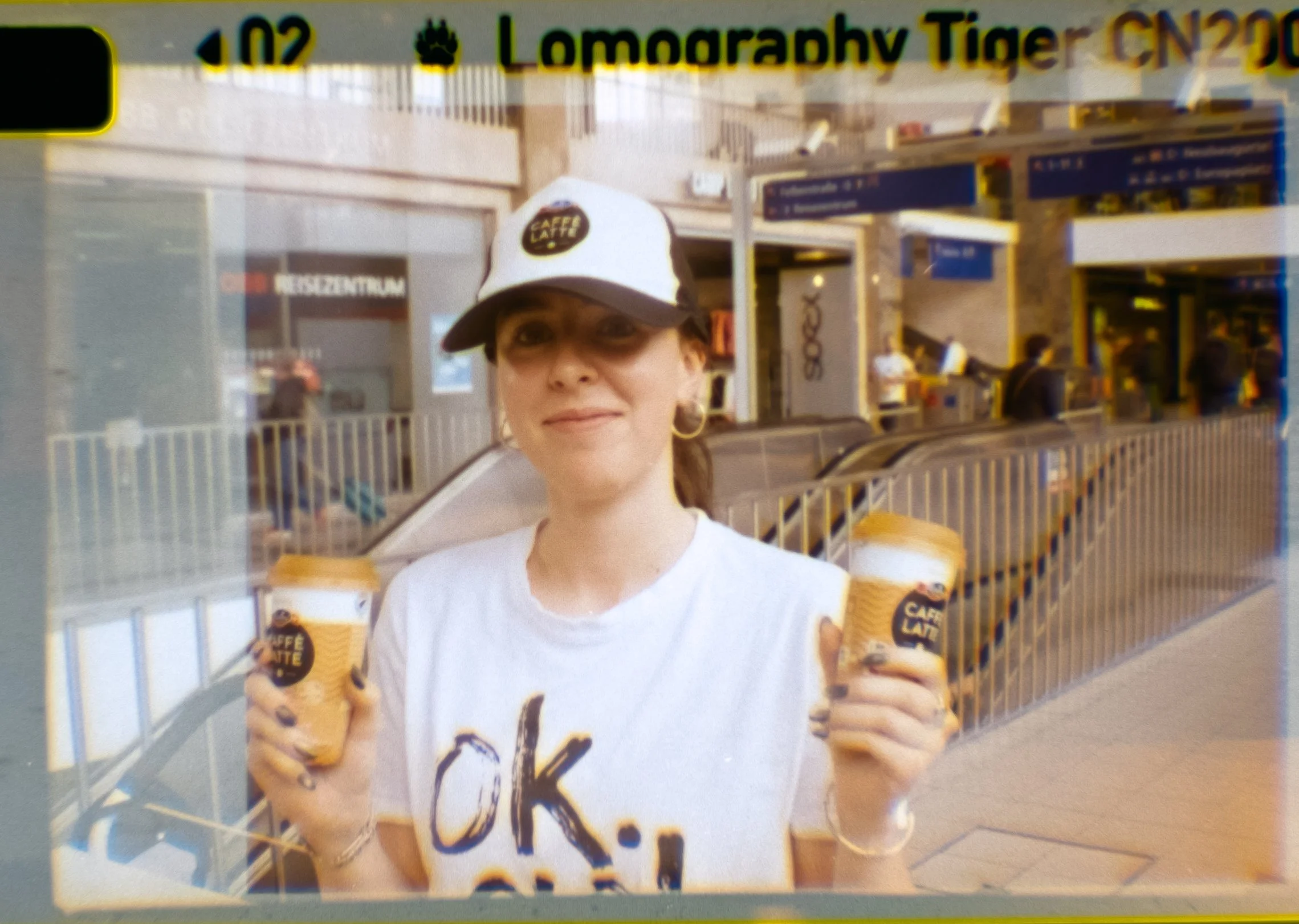
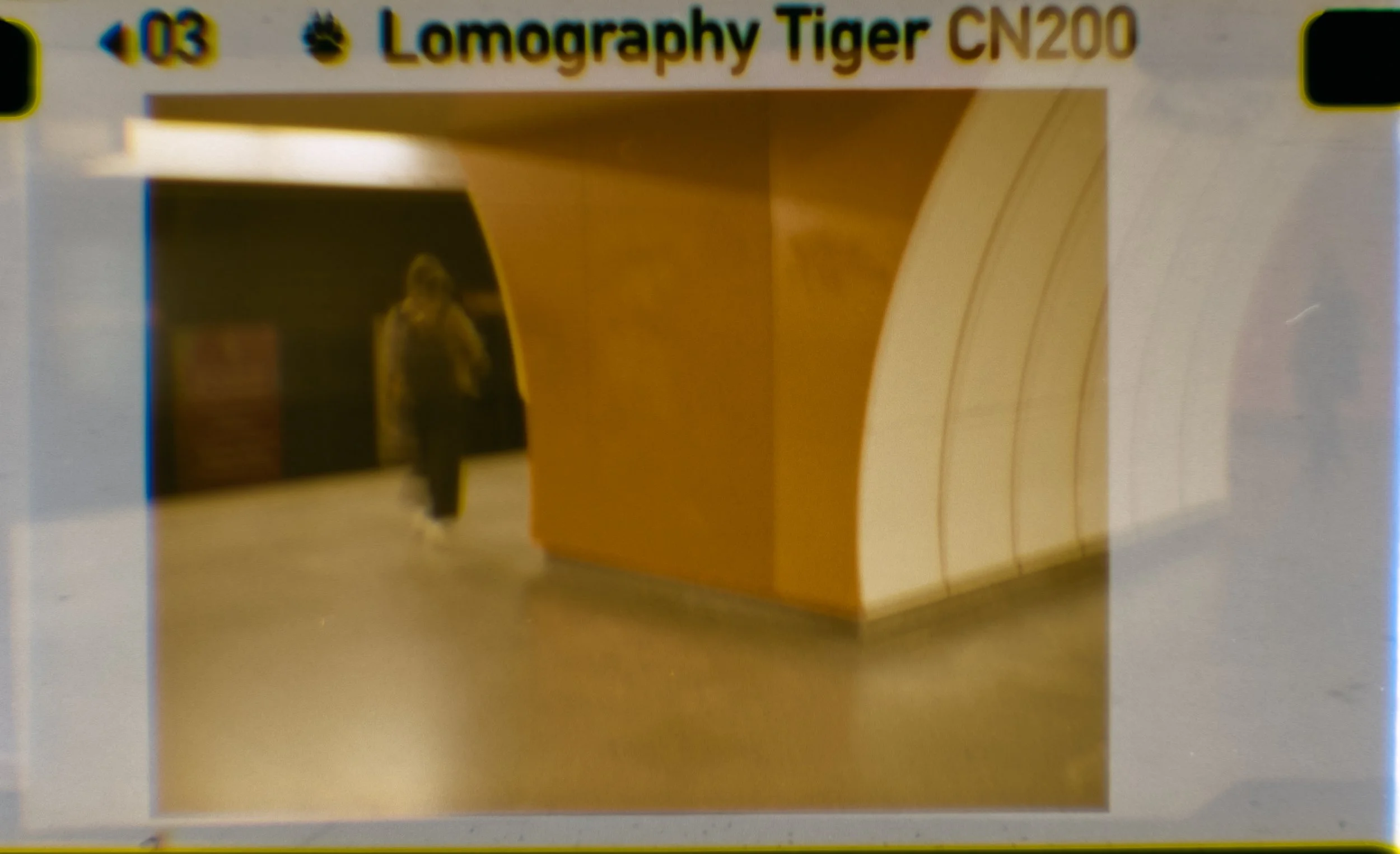
    The Lomomatic 110 Camera, with its striking white and black design, is a compact marvel that packs a punch. Equipped with a flash, distance scale, and ISO settings, it also features multiple exposure and long exposure modes. I used Lomography 200 ISO negative Tiger film, providing 24 exposures to capture the essence of Vienna.

    Challenges and Learning Curve

    As with any new equipment, mastering the Lomomatic 110 presented its own set of challenges:

    – Film Advancement: The manual film advancement mechanism required careful attention to avoid missed shots or unintended double exposures.

    – Focus and Exposure: Remembering to adjust the distance scale and exposure modes (day/night) for each shot was crucial for achieving sharp, well-exposed images.

    – Shutter Button Sensitivity: Ensuring the shutter button was fully pressed became a learning experience, as some shots were missed due to incomplete button presses.

    Street Photography Experience with a Lomomatic 110

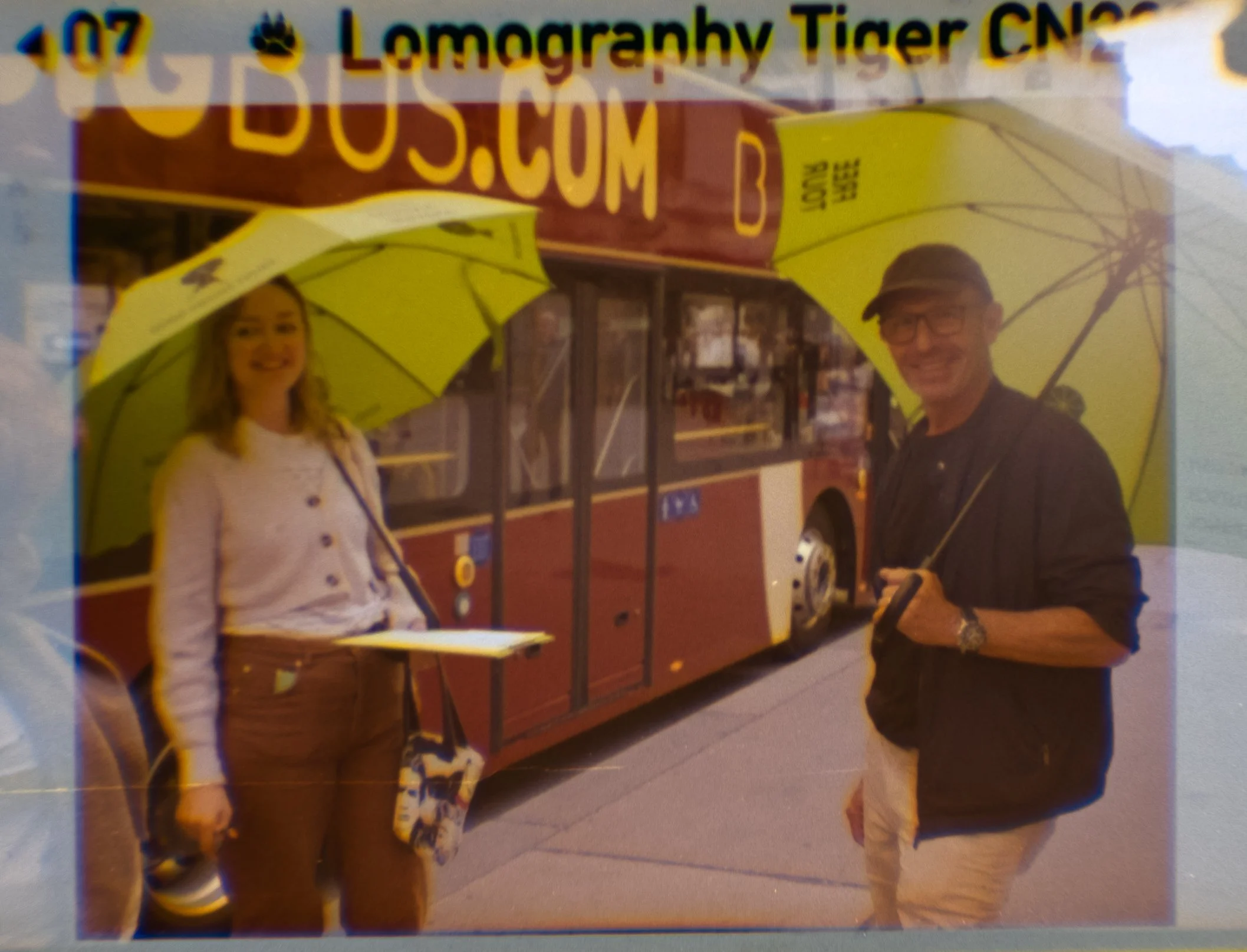
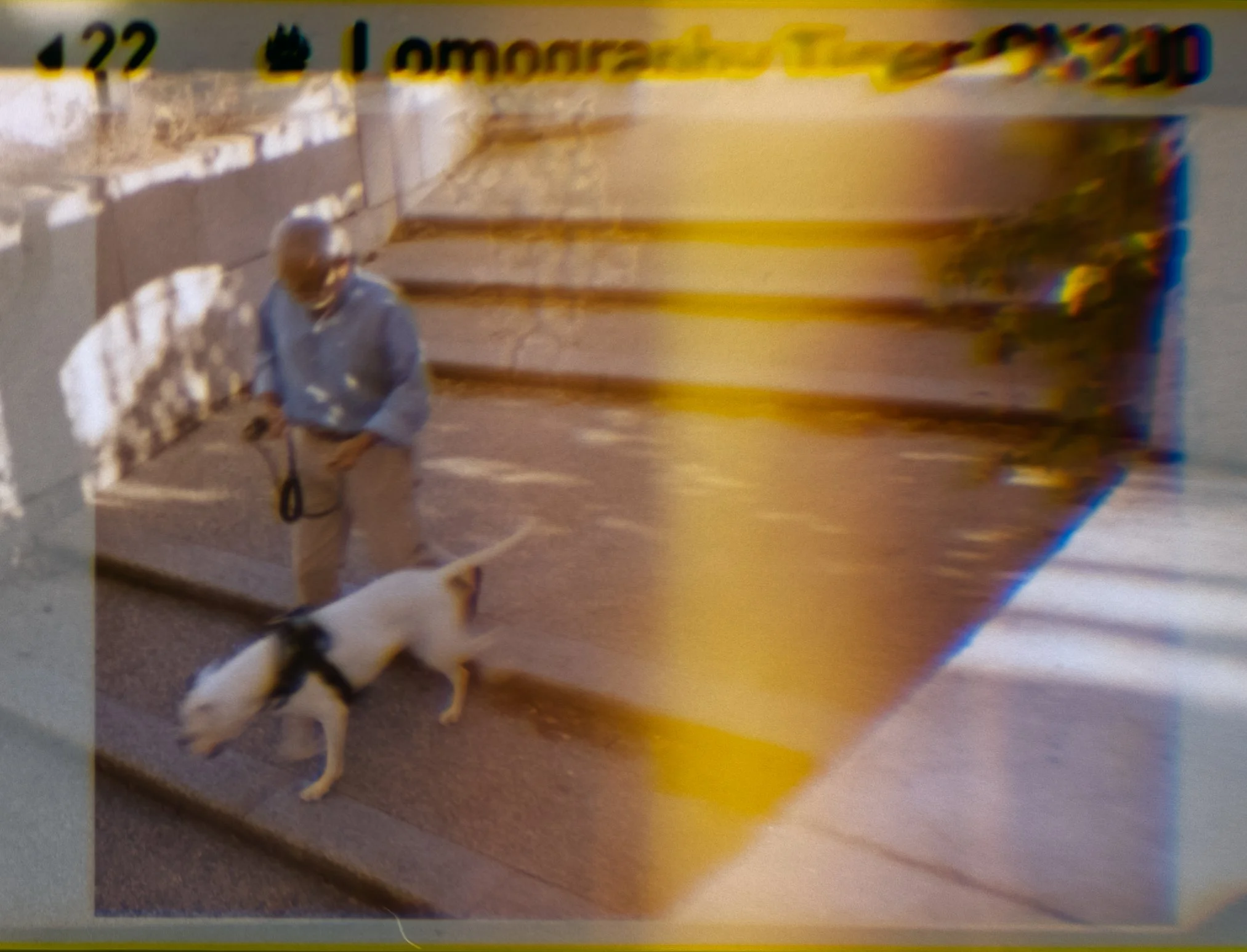
    Venturing through Vienna’s streets, the Lomomatic 110 became a conversation starter. From capturing the contrast between traditional horse-drawn carriages and modern DHL delivery vehicles to engaging with locals for impromptu portraits, the camera’s unique appearance drew curiosity and smiles.

    Lessons Learned

    1. Know Your Gear: Before a shoot, it is essential to familiarize yourself with a new camera. Understanding its quirks and features can distinguish between capturing and missing key moments.

    2. Embrace Imperfection: Film photography’s unpredictability, especially with a quirky camera like the Lomomatic 110, can lead to happy accidents and unique artistic expressions.

    3. Enjoy the Process: While technical proficiency is important, the joy of photography lies in the experience itself. The laughter shared with fellow photographers and subjects adds an invaluable dimension to the art.
    Lomography110_ZebraCrossing_001.jpg
    Lomography110_ZebraCrossing_002.jpg
    Lomography110_ZebraCrossing_004.jpg
    Lomography110_ZebraCrossing_005.jpg
    Lomography110_ZebraCrossing_006.jpg
    Lomography110_ZebraCrossing_007.jpg
    Lomography110_ZebraCrossing_008.jpg
    Lomography110_ZebraCrossing_009.jpg
    Lomography110_ZebraCrossing_010.jpg
    Lomography110_ZebraCrossing_012.jpg
    Lomography110_ZebraCrossing_013.jpg
    Lomography110_ZebraCrossing_014.jpg
    Lomography110_ZebraCrossing_015.jpg
    Lomography110_ZebraCrossing_016.jpg
    Lomography110_ZebraCrossing_017.jpg
    Lomography110_ZebraCrossing_018.jpg
    Lomography110_ZebraCrossing_019.jpg
    Lomography110_ZebraCrossing_020.jpg
    Lomography110_ZebraCrossing_021.jpg
    Lomography110_ZebraCrossing_022.jpg
    Lomography110_ZebraCrossing_023.jpg
    Lomography110_ZebraCrossing_024.jpg


    Final Thoughts

    Despite the challenges and missed shots, the experience with the Lomomatic 110 Camera in Vienna was undeniably fun and educational. It served as a reminder that photography is not just about the result but also about the journey, the connections made, and the moments of discovery along the way.

    For those considering venturing into film photography or experimenting with unique cameras like the Lomomatic 110, remember that each frame is an opportunity to learn and create.

    Embrace the quirks, celebrate the imperfections, and, most importantly, enjoy the process of capturing life through a different lens.

    Here, you can watch my whole photo walk with the Lomomatic 110 Zebra Crossing. Thomas Eisl, a local photographer from Vienna, filmed the video.
  • Is analog back?

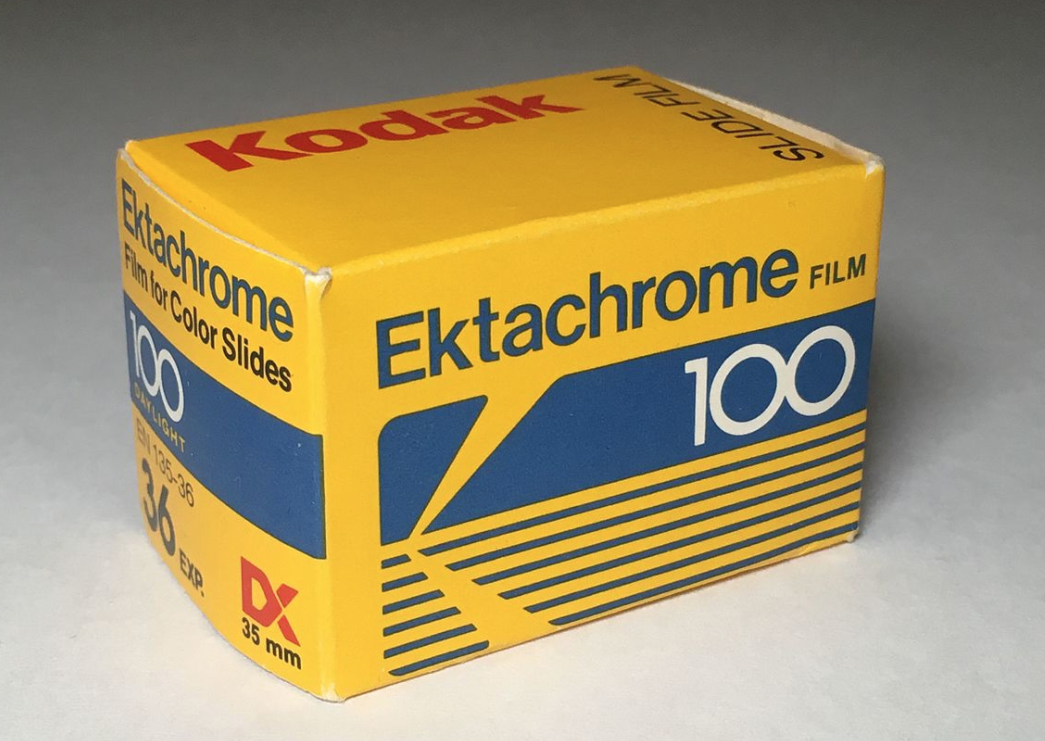
    Kodak relaunch 35mm Ektachrome film. The reason is that the film sales have gone up in the recent years. Analog is coming back, well at least a little bit.

    Kodak.png

    I have been a photographer since 1989. I have no intensions to shoot film. I did that in all forms for many years. Besides that I am not a dark room fan. To me Lightroom is a lot more fun. Editing can be done anywhere and it does not smell that bad. For me who was not very good in the dark room the possibilities with digital are far more bigger. 

    I don´t think that 35mm slide film gives any advantages. Quality in digital is superior compared to 35mm film. Most people want their photos digitally anyway, so why shoot film and scan?

    I am not saying that there is no room for film. Of course the old methods, wet plate and such has its place. Also B&W if the whole process is done in a dark room. Large format is also a valid reason to shoot film. It gives the extra quality that DSLRs cannot give.

    For some the feeling of nostalgy is a thing. I think this is the real reason for the rise of analog and there is nothing wrong with that

    Then there is the discussion of the costs. I shot around 16.000 images last year. I calculated the costs if I had shot all in film. I most likely would have shot most of the images on Fuji Velvia. The film I used before going 100% digital in 2002 (I think it was 2002).

    16.000 images is about 445 36 frame rolls. The cost of the film would have been about 7.565€ euros. Of course those films had to be processed. the lowest price I could find was 5,50€ a roll. That would sum up to be around 2.447€. The total cost would have been just about 10.000€. Naturally that cost would have been on the bill as material costs. 

    What about the cost of digital? Lets say that you bought 10.000€ worth of gear. Of course also that cost should be in the invoice some how. Maybe its not marked as a material cost, but some way it has to be baked in the the final cost of your shoot.

    What this means is that if you plan to pay the gear back in a year, you can invest 10.000€ every year on gear. If the pay back time is two years, you earn 5.000€ more per year or clients gets your services cheaper and they save 5.000€ a year.

    One might argue that the cost of computers must be aded. Yes, and they are right. I didi have a computer almost ten years before turning to digital photography. The cost was there already. The only thing is that I need a more powerful computer and they are more expensive. The difference in the price of a laptop that can handle office needs vs. computer for editing pictures is the cost that must be taken in to considerations.

     This was a simplyfied calculation but gives an idea about the cost of film vs. digital.

    Disclamer: I am a photographer that shoots 100% digital and my native language is Finnish. 

    Picture: By Thistle33 (Own work) [CC BY-SA 4.0 (http://creativecommons.org/licenses/by-sa/4.0)], via Wikimedia Commons