Sometimes the scene has so big contrast that it is impossible for a camera to record all the details in highlight and shadow in ion photograph. The dynamic range of the scene is too much for the camera.
There are several ways to over come this problem. In the video below I go through a few ways to handle high dynamic range scenes.
HDR photography is one of them and in the video it gets most attention.
Category: Image manipulation
-
High Dynamic Range Photography – HDR explained
-
High ISO – 5 tips to REDUCE NOISE in camera.
These are the instructions that I promised to tell in my video about How to reduce Noise in Camera. The video can be found at the end of this blog post.
1: Open the images as layers in Photoshop.
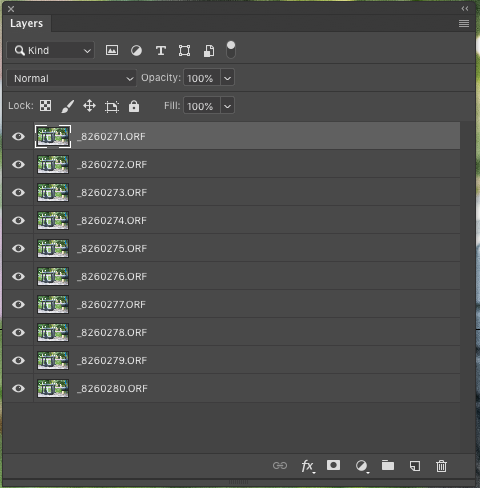
2: Align the layers if needed: Edit > Auto-Align Layers
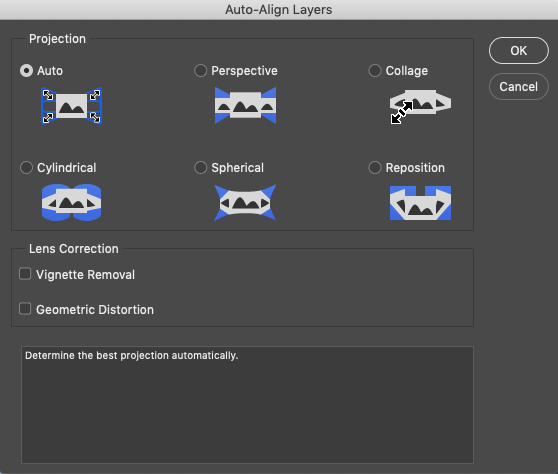
3: Convert the layers to Smart Objects: Layers > Smart Objects > Convert to Smart Objects
4: Blend the images: Layers > Smart Objects > Stack Mode > Mean.
The result is a image with less noise that the original images. The more images you use the less noise there is.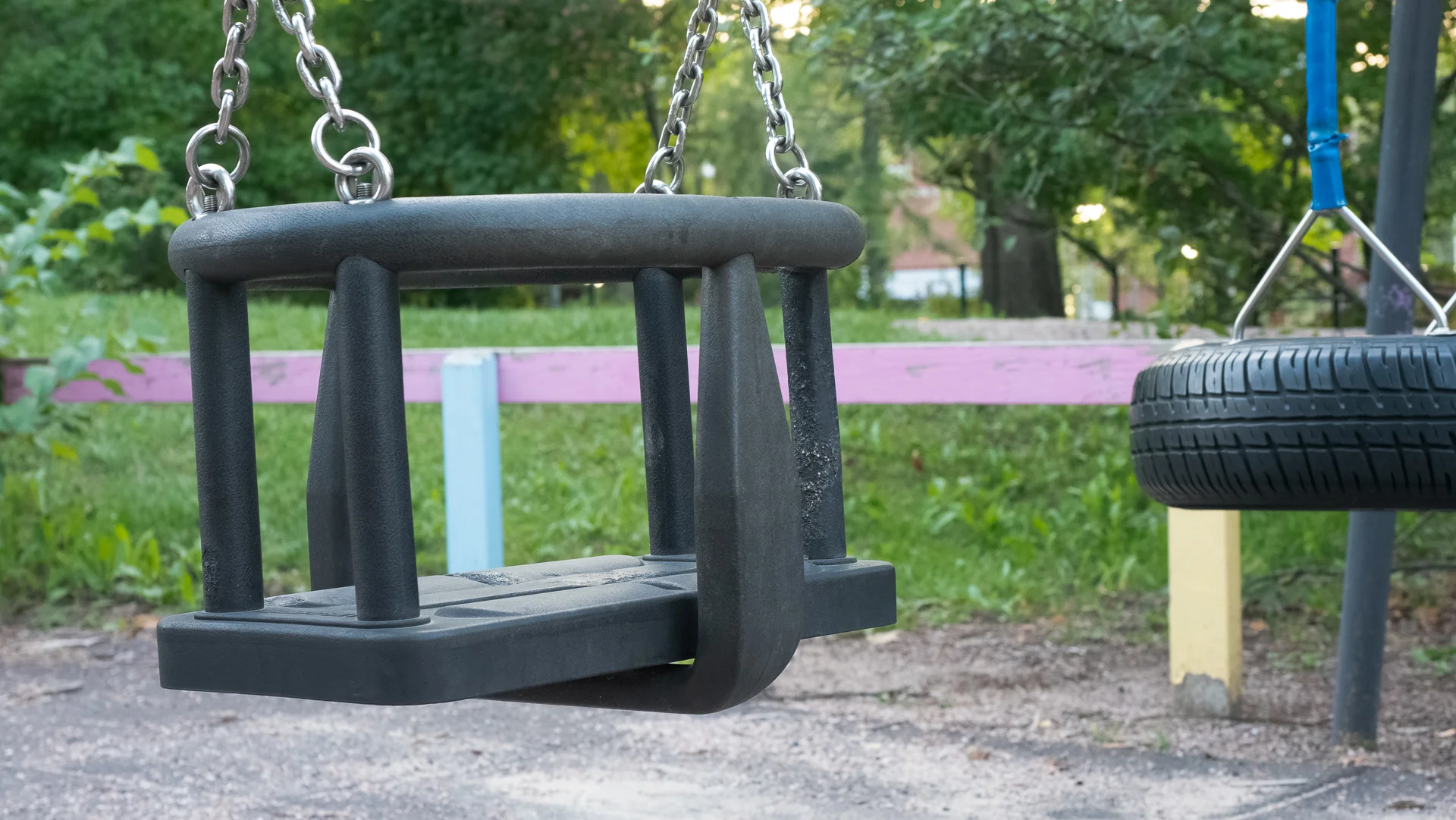
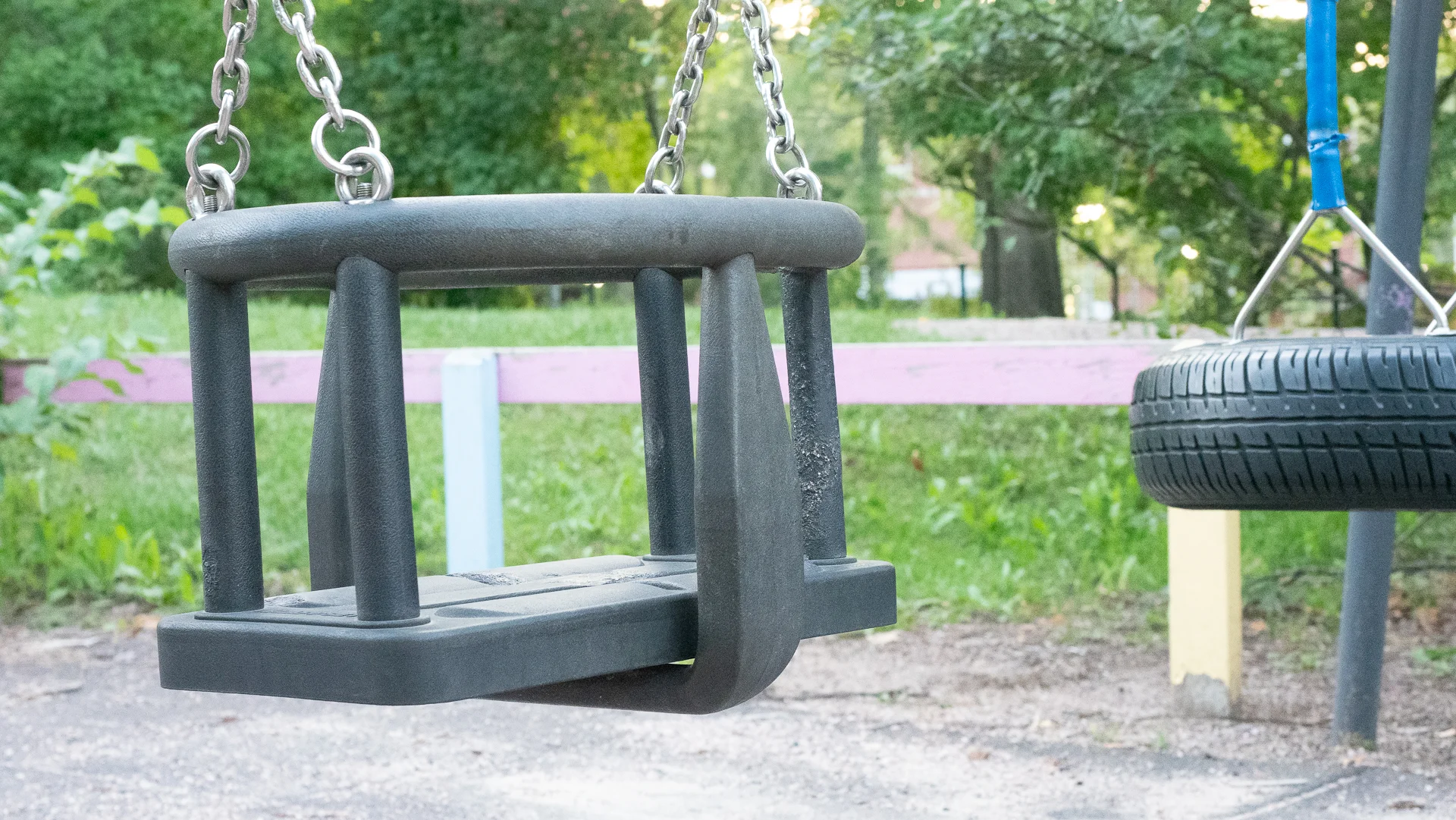
The After image, 10 images are stacked in Photoshop. 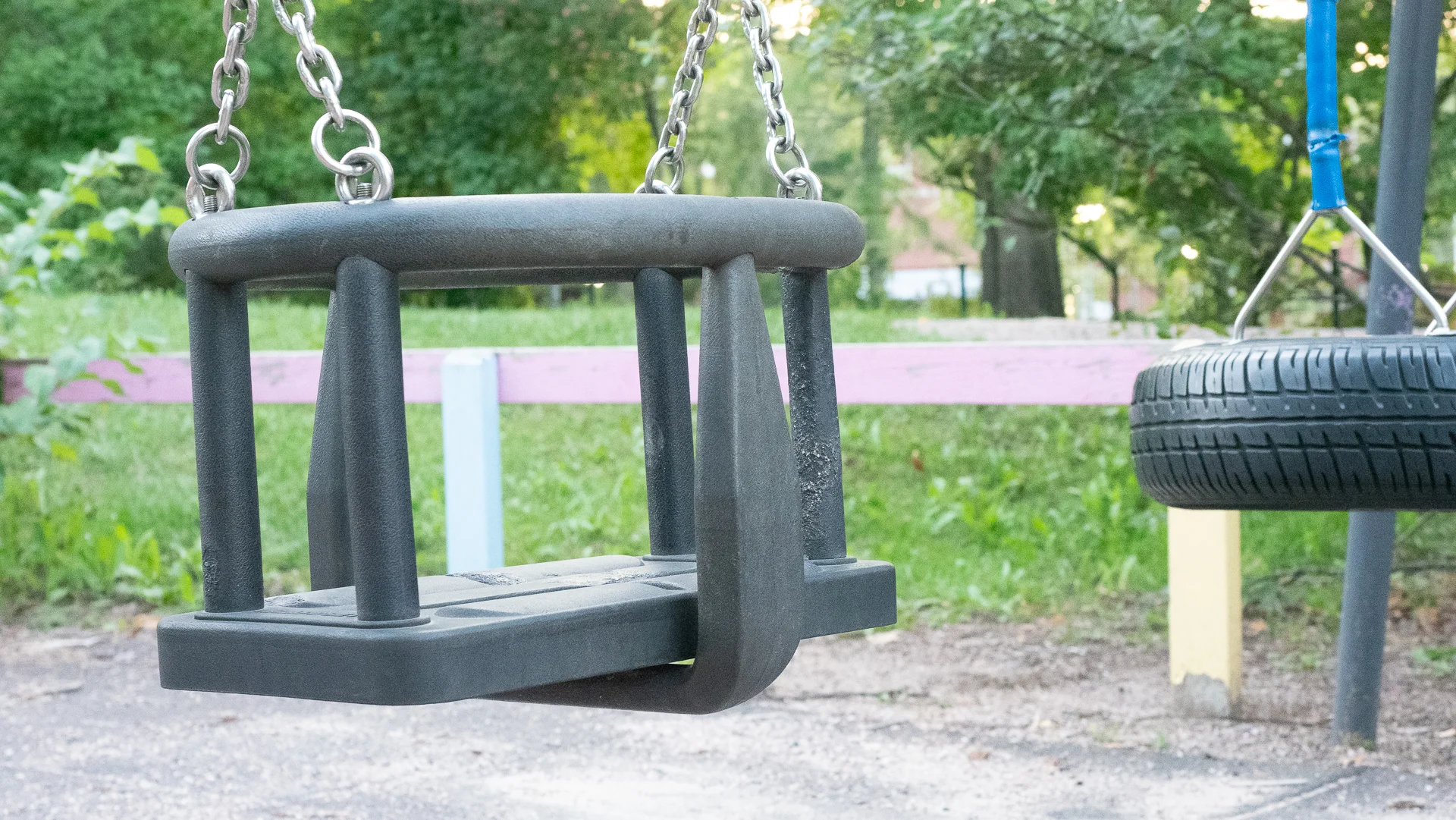
The before image. Here the video about Noise Reduction.
-

Adobe is getting really serious with AI.
Adobe introduced some new impressive AI driven features that are in the making. Adobe Sensei are the brains. As a photo and videographer the most impressive possible future features for me where of course the ones that had to with video and photography.
Content Aware Fill is a great toll, but it does not work with every image and situation. Deep Fill is Content Aware Fill with steroids. It does not only analyze the surroundings, but it also tries to understand whats really underneath the element we try to fill. Another technology that tackles the same problem is Scene Stitch. I think its even more impressive than Deep Fill. Scene Stitch will replace a part of an image by going through millions of image from Adobe Stock. It uses part of an image that it finds from the stock and replaces the part that you have selected. Scene Stitch rises a few questions about copyrights and about the document value of a photograph. I understand that this is not a problem with design, illustrations, marketing and advertising. The problem might arise in those if it crosses documentary photography. It challenges the truth and the documentary value of a photograph.
Lets take an example that was pulled right out of Adobes YouTube-video about Scene Stitch.
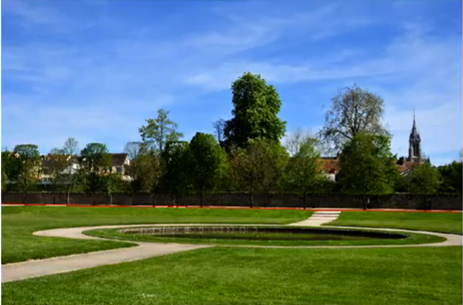
Before (screenshot from Adobes YouTube-video) 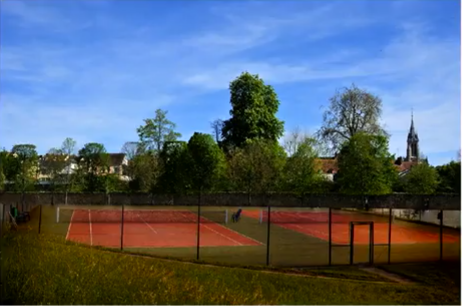
On of the After photos that Scene Stitch suggested (screenshot from Adobes YouTube-video) Scene Stitch gives several suggestions. The user then can pick the one that works best. The tennis court is taken from a Adobe Stock photograph. The question that I think is that what kinda of a document is the after shot? The pond is replaced with tennis courts. There was no mentions in the presentation if someone gets paid when parts of the images will be used. I would assume that there will be money involved when stock image is used. At least I hope so.
Of course these new features may or may not be part of future versions of Adobe Apps. Adobe is experimenting with different new things.
Links to the videos in YouTube that I mentioned in the post:The blogger is an Olympus European Visionary who´s native language is Finnish.