Category: Uncategorized

  • Join Me for a DxO Street Photography Walk in London!

    Join Me for a DxO Street Photography Walk in London!

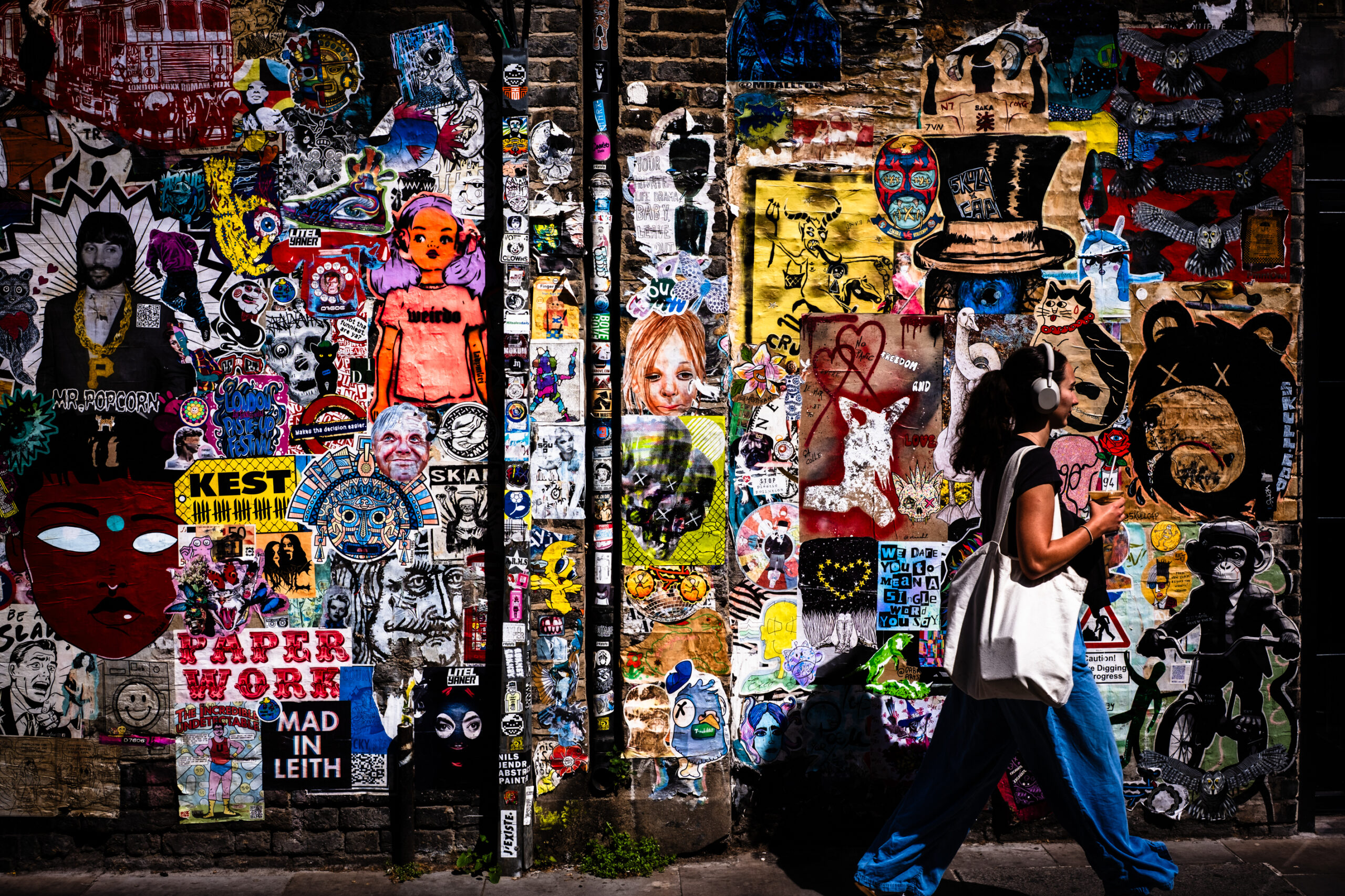
    I want to invite you to join a street photography walk in London. Michael Wayne Plant from DxO will be there too. We will take photos, talk about photography, and discuss how DxO tools can help with editing.

    This is a small group event for anyone who likes to take photos of city life. It does not matter whether you are new to street photography or have been doing it for a long time.

    Event Details:

    • Date: Friday, 22 May

    • Time: 5:00 pm – 8:00 pm

    • Meeting point: In front of The Photographers’ Gallery
      16–18 Ramillies Street, W1F 7LW

    • Price: 35€ (about £30) per participant. Sign up here!

    Your ticket includes:

    • The guided photo walk

    • Online image feedback after the event

    • A 20% discount code for a DxO product of your choice (delivered during the walk)

    ⚠️ The walk is limited to 30 participants to keep the experience personal and interactive.

    Please make sure to read the Terms & Conditions before signing up. By attending the photo walk, you confirm that you have read and agreed to them.

    Who We Are:

    Peter Forsgård
    I’m a street photographer and educator focused on capturing everyday life in urban environments. On my YouTube channel, @ForsgardPeter, I share photography insights, techniques, and thoughts about visual storytelling. I’m also the author of From Snapshots to Stories, a book about turning ordinary moments into meaningful photographs.

    Michael Wayne Plant (DxO)
    Joining us is DxO’s Global Product Specialist, photographer Michael Wayne Plant. He’ll be with us throughout the walk to:

    • Talk about DxO software

    • Answer your questions

    • Share ideas on how DxO tools can enhance your editing workflow

    Michael is also a joint founder of street-photography.net, a site dedicated to all things street photography.

    DxO Labs (Affiliate Link)
    DxO develops industry-leading photo-editing software known for its excellent image quality and powerful correction tools. As a participant, you’ll receive a 20% discount code to use on DxO software.

    What to Expect During the Walk

    We will start in front of The Photographers’ Gallery. Then we walk to Carnaby Street. It is a good place for street photography because there are many people and the light is nice.

    • You’ll have around 1.5 hours to shoot freely.

    • You can take photos of anything you like. This is your time to try new things and be creative.

    • Michael and I will be there all the time if you want help or want to talk about ideas.

    After the walk, we will meet at the café in The Photographers’ Gallery. We can talk about the photos and ask questions about taking or editing pictures.

    Who This Photo Walk Is For:

    This event is ideal if you are:

    • A street photography beginner or enthusiast

    • A photographer looking for feedback and fresh ideas

    • Curious about DxO tools and how they can fit into your workflow

    You do not need to use DxO already. Just bring your camera and be curious.

    Image Feedback After the Event:

    You can also get feedback on your photos after the walk.

    • After the event, you will get a Picdrop gallery link and password by email.

    • You can upload your photos there and get feedback online.

    This way, you’re not only shooting during the walk, but you can also learn from your photos after the walk, not just during the event. Bring any camera you like, mirrorless, DSLR, compact, or even your phone.

    • Wear comfortable shoes, as we will be walking a lot.

    • The event will happen even if it rains, so please dress for the weather.

    Price:
    35€ (about £30) per participant
    Includes:

    • Photo walk

    • Online feedback

    • 20% discount code for a DxO product of your choice

    ⚠️ Again, places are limited to 30 participants to keep the experience personal.

    Please remember to read the Terms & Conditions before you sign up.
  • Photo competitions: Good, Bad, and What they do to your Photography?

    Photo competitions: Good, Bad, and What they do to your Photography?

    Photo competitions are everywhere these days. You see them in local camera clubs and also in big international contests. They often promise you more exposure, some recognition, and sometimes even money. But they can also take your money and make you feel bad about your photography. I want to share three reasons why I think photo competitions can be good for you, and three reasons why they can be bad.

    Why are photo competitions good?

    1. They give you focus and motivation

    Having a clear theme and a deadline can really help you focus on your photography. Instead of just walking around and hoping to find a good photo, you start to think about the subject and plan what you want to do. This kind of structure, like knowing you need to send your images by a certain date, can get you out shooting when you might just stay home otherwise.

    Competitions can also help you try new things. For example, if you usually shoot landscapes, you might try portraits because of a contest theme. Or maybe you try long exposures or night photography for the first time. Even if you never send your photo in, just working towards a goal like this helps you learn and gives you more confidence for your own projects.

    2. They can boost exposure and credibility

    If you get picked or even just featured in a competition, it can make your work look more important to other people. Those little badges like ‘award-winning’ or ‘finalist’ do not make you a better photographer right away, but they can help others notice you and maybe take your work more seriously.

    Exposure can come in different forms: your images might appear in online galleries, printed catalogues, touring exhibitions, or social media promotions.

    This can lead to new followers, print sales, commissions, or teaching opportunities.  For some photographers, one solid competition result becomes the door opener for portfolio reviews, gallery conversations, or brand collaborations.

    3. They sharpen your editing and self‑critique

    Competitions make you choose your best work, and that is actually a good skill to have. You cannot just send 200 photos. You have to pick one or a small group that really shows what you want to say. This helps you look at your photos more carefully and think about things like light, timing, and how the picture feels.

    You also get to see your photos next to many others. Sometimes this can feel tough, but it is also a good way to learn. You start to see what works, what is too common, and what really stands out. This helps you see your own strengths and what you can work on.

    Why can photo competitions be bad?

    1. They can damage your confidence

    The emotional downside is very real: you can pour your heart into an image, pay the fee, wait weeks, and then nothing. Do that a few times, and it’s easy to start thinking your work is worthless, even if you’re actually growing as a photographer.  For some people, repeated rejection leads to creative paralysis, making them afraid to experiment or share their images at all.

    The bigger problem is that contest results do not always show what is good. Judges all have their own taste, and trends change all the time. Good photos can be missed when there are so many entries. If you let the results decide how you feel about your photography, you are letting strangers tell you what your work is worth.

    2. They can cost you money and rights

    Many competitions ask for entry fees, and the chance of winning is usually very small. If you enter many categories or contests, the small fees add up, and you can spend a lot of money for very little in return.

    Some contests also have rules that let them use your photos for free, just because you entered. If you do not read the rules carefully, you might give away your best work and get nothing back. Always check what rights you are giving up.

    3. They can push you toward formulaic work

    One subtle danger of competitions is that they can nudge photographers toward what has “worked” before rather than what feels authentic now. If you keep studying previous winners and tailoring your work to match those aesthetics, you may start chasing trends instead of your own voice.  Over time, this can homogenize the visual language in certain genres everyone copying the same look, subjects, and moods.

    This is not good for your own projects or for trying new things. You might start to ask, ‘Will this win?’ instead of ‘Do I like this?’ In the end, this can stop you from trying new ideas or taking risks, which is how you really grow as a photographer.

    So, should you enter?

    Photo competitions are just tools, not a way to measure your talent. They can help you with deadlines, getting seen, and improving your skills. But if you spend too much, do not read the rules, or let the results decide how you feel, they can do more harm than good. If you use them carefully, they can help you grow.

    But do not forget, the most important thing is to make photos that matter to you.

    One that you could consider is the Pure Street Photography Awards 2026.

    (Disclaimer: I have no connections with the competition. I just wanted to share it since I might take part myself.)

  • Ricoh GRIV Monochrome Joins the Rare World of Black & White Cameras

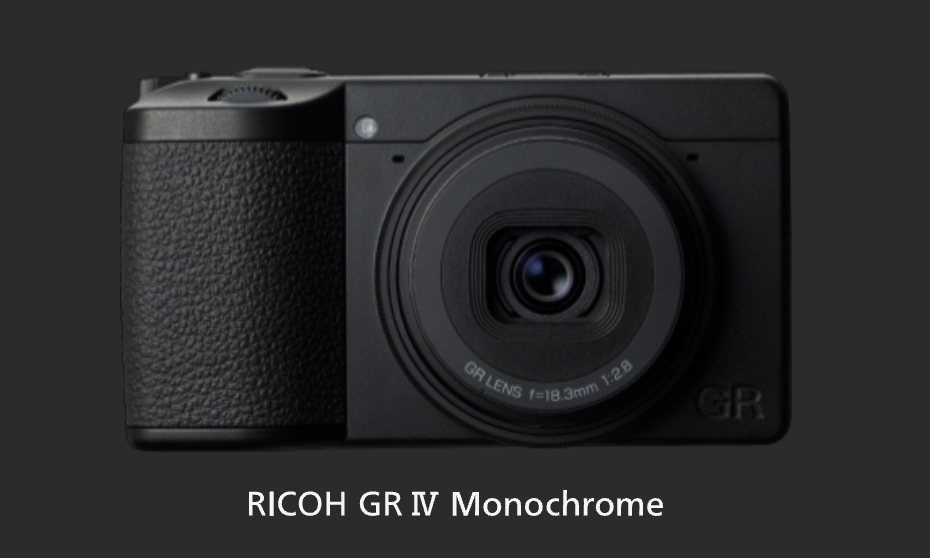
    Image: Ricoh

    Ricoh has just released a monochrome version of its GRIV camera. There are not too many monochrome cameras out there. Only Leica and Pentax are making them. Both have two models right now. Leica has the M11 Monochrom and Q3 Monochrom, and Pentax has the K-3 III Monochrome. Now there is also the Ricoh GRIV Monochrome. Ricoh is made by Pentax, by the way.

    I think it was a good idea from Pentax to make a monochrome version of the GRIV. I feel that street photographers are probably the ones who use these cameras the most. I am not sure if there are many other types of photography where a monochrome camera would make sense. Maybe some portrait photographers could use one too.

    Why a Monochrome camera?

    The answer is quite simple. The image quality in black and white is better than with a normal color sensor. The reason is that a monochrome sensor does not have a color filter, so it lets more light in. I think the Ricoh GRIV Monochrome gets about 2/3 stops more light. That means it works better in low light. The images are also sharper because there is no need for demosaicing. So there are some real benefits for image quality.

    Other features that matter?

    The camera is based on the Ricoh GRIV. There is a new sensor and a new processor. They have added an electronic shutter, too.

    The ND filter is now a red filter. It makes reds lighter and blues darker, so the sky and clouds have more contrast. The photos look more dramatic. You can turn off the red filter if you do not want to use it.

    They have also added some extra protection to the lens. This should help keep dust away from the sensor.

    What about the price?

    The price is $2200 in the US. That is a lot for a camera that is really just for black and white street photography. But it is still much cheaper than the Leica Monochrom cameras, which cost three to five times more. The Pentax K-3 III Monochrome is a big and heavy DSLR, so it is not really good for street photography either.

    In Europe, the price is about 1800 euros, so it is not much cheaper. That is about $2000, so a bit less than in the US. In the UK, it is about £1599, which is around $2150. (These are the prices at the time I am writing this.)

    Am I interested in buying one?

    I probably will not buy this camera. I do not shoot much in color anyway. Also, I like to use a 40mm equivalent lens for street photography. That is why I have not bought the Ricoh GRIV. I am waiting for the GRIVx with a 40mm lens. There are some features in the GRIV that I would like, especially the 53GB internal memory.

    What about you? Are you interested in getting one?

    My Best Settings for GR3 cameras

    I have updated my Ricoh GR3 & GR3x: Best Settings for Street Photography to a new version. This time it is available on Amazon as a Kindle eBook.