Category: Uncategorized

  • Black And White Photography – [5 things why B&W photography will make you  a BETTER photographer]

    Black And White Photography – [5 things why B&W photography will make you a BETTER photographer]

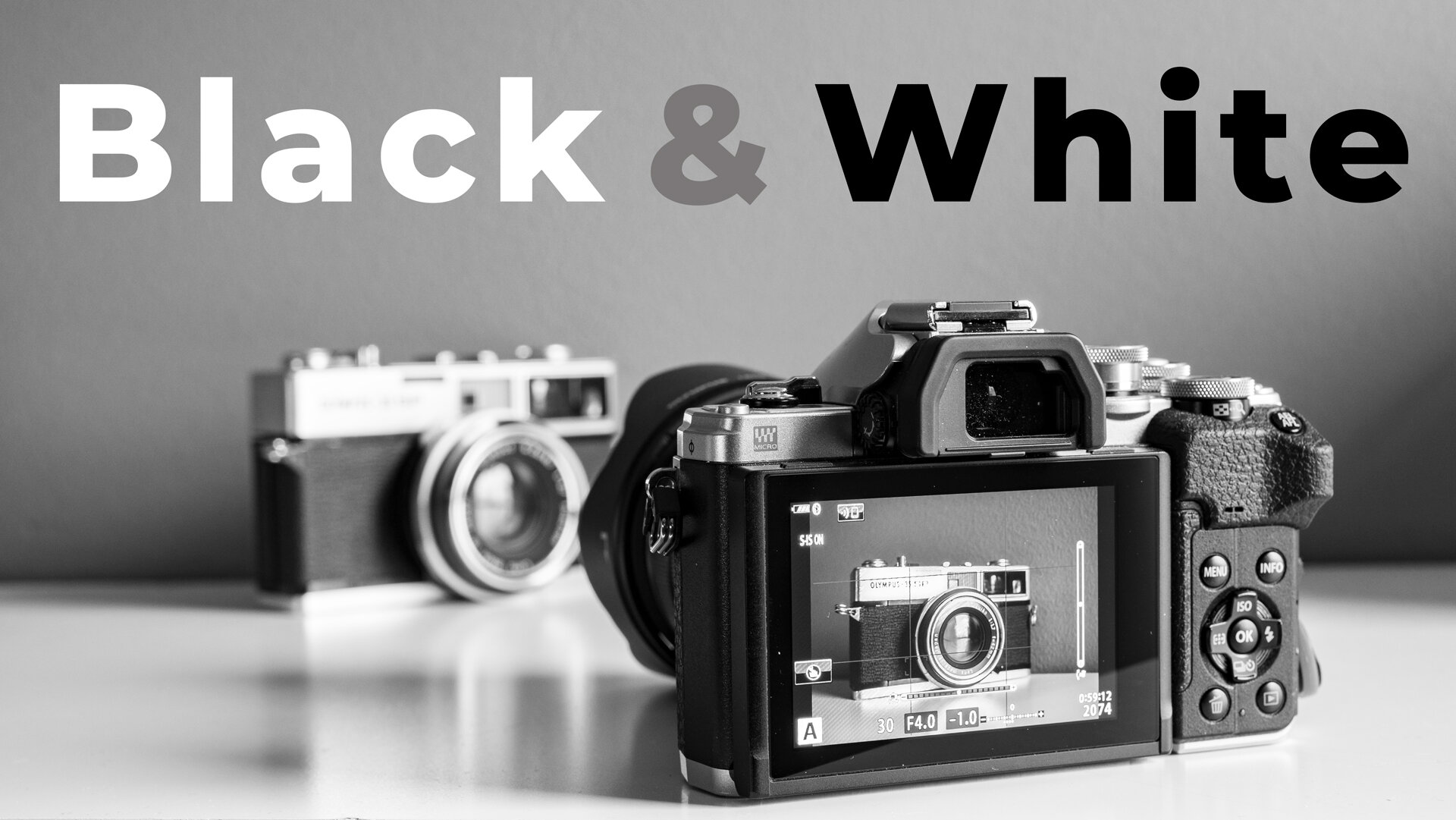
    Black and White photography can be a great way to learn photography. Nothing color to tell the story you need to concentrate more on your composition and light.

    It is so much harder to tell stories without colors. But at the same time, black and white can be a lot more powerful in story telling. There is no color distracting your story.

    The things that become more important are the foundations of photography, composition, and light. Practicing on your composition and seeing light will help you a lot also in color photography.

    In the video below there are more things about why black and white photography is a good way to learn about photography.

  • ND-filters and Long Exposure

    ND-filters and Long Exposure

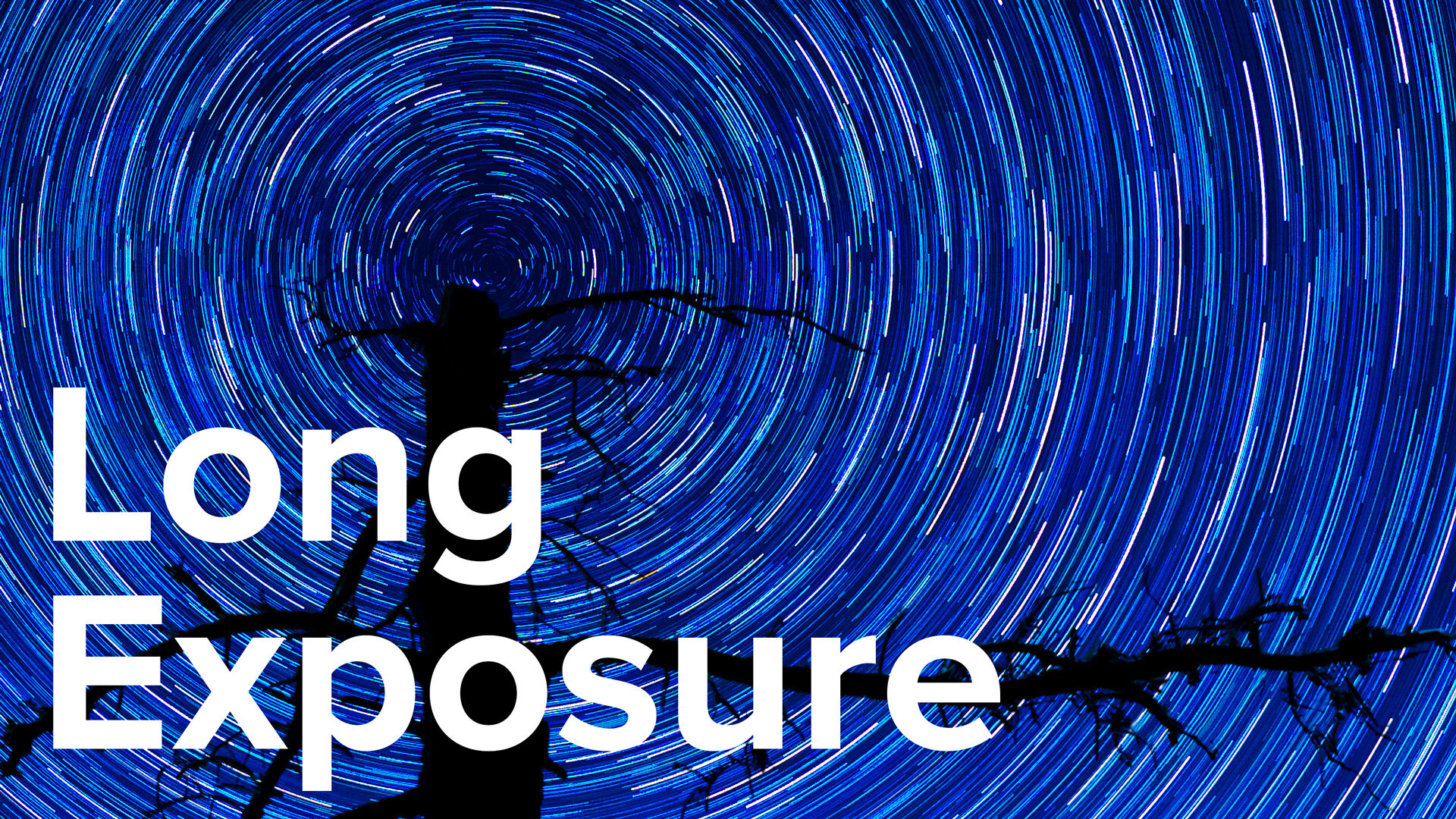
    Long exposure photography is exciting and quite easy to do. There are a few things that need to be right. If you have ever thought about how long exposure is possible when there is a lot of light and the shutter speeds are short. ND-filters are the solution to that. ND-filters block light and long shutter speeds are possible even when there is a lot of light.

    What types of filters there are?

    There are several types of ND-filters. Regular ND-filters have one strength. Then there are variable ND-filters. With those filters, you can adjust the amount of light they will pass through. Then there are gradual ND-filters that gradually go from dark to light.

    These are great for landscapes if the sky is a lot brighter than the foreground. It is easier to balance the exposure. All these different types of ND-filters, except variable ND-filter, come either so-called screw-on ND-filters and square type ND-filters that need a filter holder. Both of these have their advantages. Screw-on filters are small and handy.

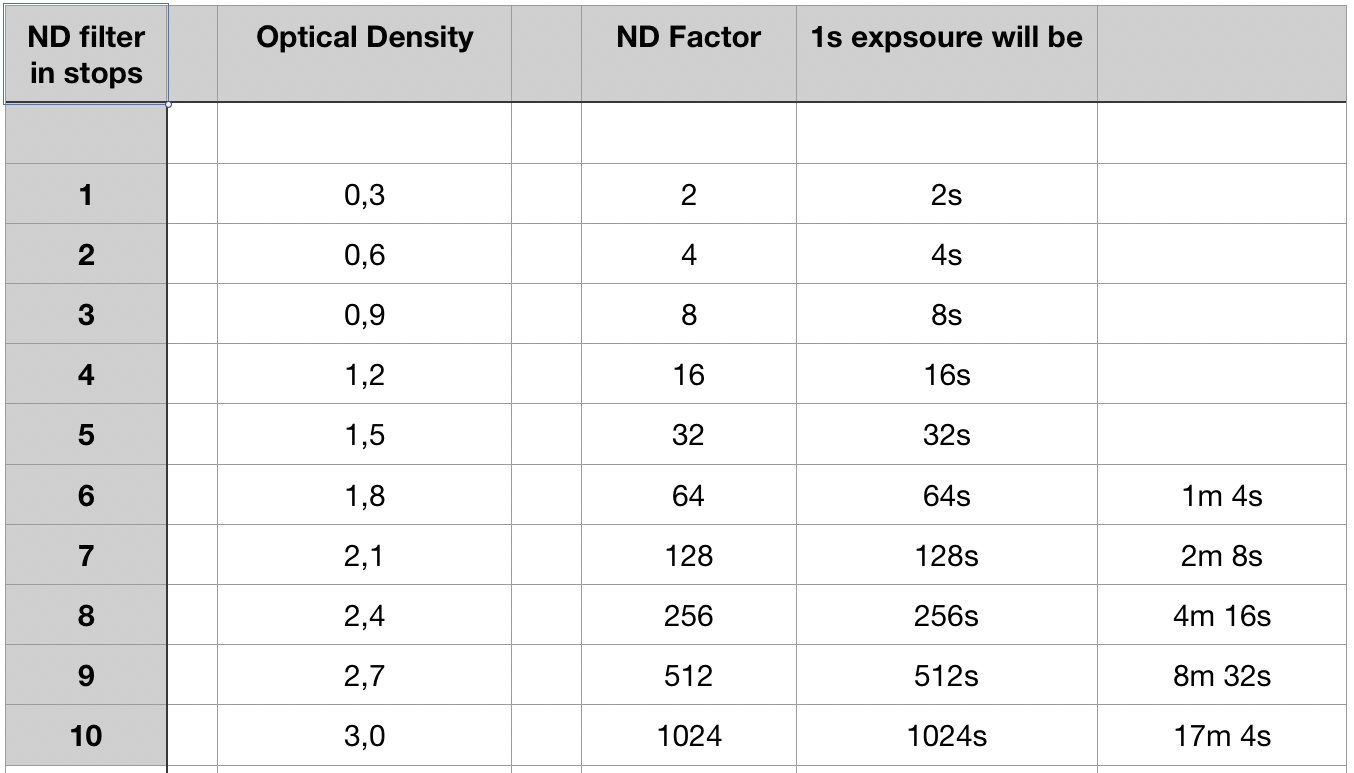
    You can also get them as variable ND-filters. A variable ND-filter is handy. You only need one ND-filter to cover different strengths. Screw on ND-filters has one con. You need them for every size lens you have. The size means the size of the filter thread. If you have the bigger square type ND-filters you need to a holder and filter holder adapter ring. The strength varies from 1 stop to more than 10 stops. The strength markings can be a bit odd. From the table below you can see how the logic goes.

    Screenshot 2020-01-07 at 13.31.25.png

    How to use ND-filters?

    Once you understand the basic it is very easy. Just attach the filter in front of the lens and let the cameras exposure meter do its work. The shutter speeds depend of course how much light there is in the first place and how strong the ND-filter is. If you have a 10 stop ND-filter (ND1024) your exposure time will 10 stops longer than without the filter. Very simple. Since the ND-filters is in front of the lens. Bad quality ND-filters will reduce image quality. It is not the time to buy the cheapest ones when getting ND-filters. Good quality ND-filters are not cheap. Here are some ND-filters that are fairly good.

    Below are my videos about Long Exposure and ND-filters.

  • Olympus 100 Years  – 100 Facts

    Olympus 100 Years – 100 Facts

    Olympus was founded in 12.10.1919. I wanted to learn more about Olympus and read quite a lot about the company. I picked 100 interesting facts about Olympus to celebrate the 100 years old company. I wanted to share the facts with you and those facts are in the linked video.

    Below the video, there are links to the resources I looked at when researching the facts.

    Resources I used to search the facts:

    Olympus Global Website – Milestones:

    https://www.olympus-global.com/company/milestones/100years/?page=company

    Special Lecture by Yoshihisa Maitani:

    https://www.olympus-global.com/technology/museum/lecture/vol1/?page=technology_museum

    Olympus Camera History by Hans van Veluwen:

    https://esif.world-traveller.org/om-sif/camhistory/camhistory.htm

    Olympus Corporation page in Wikipedia:

    https://en.wikipedia.org/wiki/Olympus_Corporation

    Get Olympus (US) page:

    https://www.getolympus.com/us/en/history

    Olympus India – Founding of Olympus:

    https://www.olympus.in/company/history/founding.html

    Olympus Global Museum – Cameras:

    https://www.olympus-global.com/technology/museum/camera/?page=technology_museum

    Olympus Global – Developing smaller cameras:

    https://www.olympus-global.com/technology/way/challenge/camera.html?page=technology_way

    Digitalkamera Museum:

    https://www.digitalkameramuseum.de/en/cameras/category/olympus-2

    DPReview Olympus camera page:

    https://www.dpreview.com/products/olympus/cameras?subcategoryId=cameras&page=1

    Olympus Korea:
    http://www.olympus.co.kr/Company/company_logohistory?

    Olympus Japan:

    https://www.olympus.co.jp/technology/museum/camera/series/electronic/01/?page=technology_museum

    List of Olympus cameras in Wikipedia:

    https://en.wikipedia.org/wiki/List_of_Olympus_products

    I tried to check all the facts, but if you spotted a mistake, please let me know in the comments. Did I miss something important? Let me know that too.