
Category: Uncategorized

  • Unlock Your Urban Story: Join Our Kuala Lumpur Street Photography Workshop!

    Unlock Your Urban Story: Join Our Kuala Lumpur Street Photography Workshop!

    Let’s get right into the business!

    Finally, it is ready for announcement! Robin Wong, Matti Sulanto, and I are having a workshop in Kuala Lumpur next spring!

    Are you ready to take your photography to the next level and experience the vibrant streets of Kuala Lumpur like never before? I’m thrilled to finally announce something we’ve been working on for a while now: the Urban Street Narratives workshop, happening next spring in Kuala Lumpur!

    What makes this workshop so special? Over five immersive days, you’ll craft a powerful story through a series of 3–5 images, guided by three passionate photographers with unique perspectives. Whether you’re drawn to classic street photography or urban landscapes, this workshop is designed to help you discover your narrative voice in the heart of one of Asia’s most dynamic cities.

    Here’s what you can expect:

    – Personalized Assignments: Each day brings a new challenge, tailored to help you build your story step by step.

    – Expert Guidance: You’ll learn from three instructors—me, Robin (a Kuala Lumpur local), and Mati (a seasoned visitor)—each offering fresh insights and honest feedback on your work.

    – Diverse Perspectives: Rotate between instructors daily, so you benefit from multiple styles and critiques, not just one.

    – Hands-On Learning: Mornings are dedicated to shooting on location, while afternoons are reserved for in-depth critiques, lectures, and group discussions.

    – Community & Inspiration: Connect with 23 other passionate photographers, share ideas, and grow together in a supportive environment.

    We’ve chosen a fantastic venue in the heart of Kuala Lumpur. GMBB is surrounded by great restaurants, cafes, and endless urban inspiration. Plus, there’s plenty of free time to explore and capture your own vision.

    Early Bird Special: Register in July and secure your spot for just $1,400 (a $300 deposit plus $1,100). After July, the price rises to $1,600, so don’t wait!

    Ready to elevate your photography, immerse yourself in creative storytelling, and experience Kuala Lumpur through your lens? Click the link below to learn more and reserve your spot:

    Discover Urban Street Narratives & Register Now!

    This is your chance to dedicate a whole week to your passion, surrounded by fellow creatives and expert mentors. Don’t miss out! Spaces are limited, and this workshop will fill up fast.

    You can find more information about the workshop from our videos about it!

    See you in Kuala Lumpur next spring!
  • OM-5 Mark II was launched!

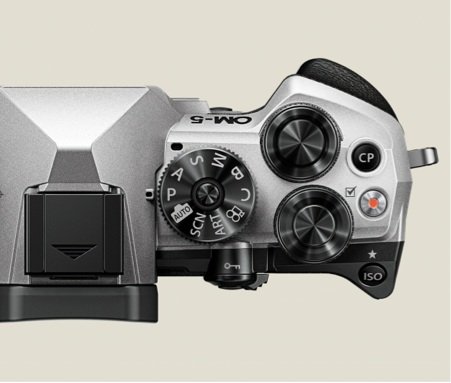
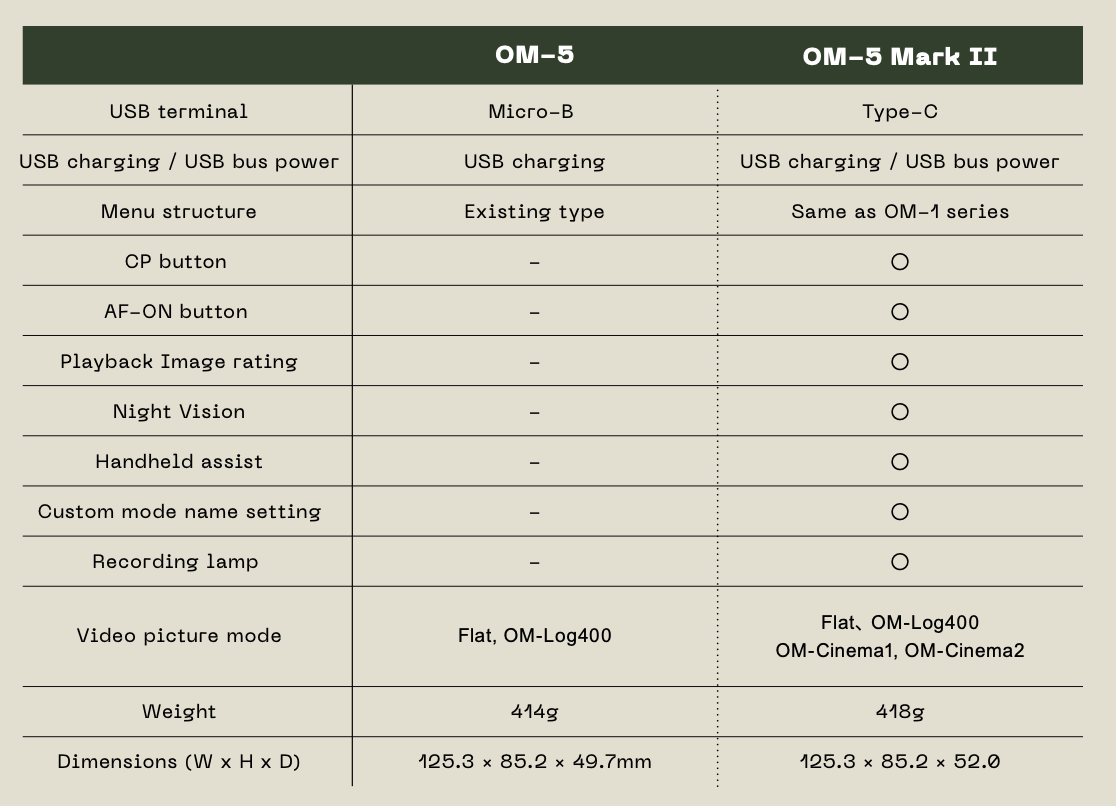
    OM SYSTEM launched a new version of OM-5 camera. The upgrade is not very big. Some of the updates needed to be done like having a USB-C port since that is required in EU. The other a little bigger update is the menu system that has been in OM-1 Mark II and the fairly new OM-3 camera. That new menu system is much better than the olde one. Now all the new OM SYSTEM canvas have the same menu which makes it easier to use different OM SYSTEM cameras. Many might have the OM-1 MarkII for nature and then the OM-3 for leisure photography.

    The main differences from the previous model. (image from OM SYSTEM)
    The new bigger grip. (image: OM SYSTEM)

    What do I think?

    As I already mentioned, the update is minor. The reason for updating was most likely two things. OM SYSTEM has been quiet in recent years, and it is good to launch something that reminds the brand of its existence. The other reason was most likely the need to update the USB port to match the requirements in the EU. At the same time then make some upgrades to the user experience.

    I have mixed feelings about this update. It is now the entry-level OM SYSTEM camera, priced at 1299€ (at the time of the launch). The OM-3 is 1999€, and the OM-1 Mark II is 2999€. This likely means there won’t be an OM-10 or at least a camera to upgrade the Olympus E-M10 Mark IV. If there is an update to the E-M10 Mark IV, it most likely will be something else. If I were able to decide, it would be a video-centric camera.

    The OM-5 Mark II is pretty good for an entry-level camera. I like the original OM-5, and with minor tweaks, I bet the new OM-5 Mark II is even better.

    Is it enough to attract buyers? I am not sure. It still has the same old processor and sensor. It is not a problem, but I know how photographers react to this; it might be. Most photographers want better image quality, which is usually associated with a new sensor. I think the image quality is quite good in OM-5, so I would expect the same from OM-5 Mark II. We all should concentrate more on the quality of the image than on image quality.

    The OM-5 Mark II is packed with features for an entry-level camera, making it a good bargain.

    I like that they added the CP button, which makes all the computational imaging features easily accessible. These features are most likely used more when they are easily accessible.

    If I can get it for testing, I will take the new camera for a spin around downtown Helsinki. OM-5 is a good camera for street photography, and I expect that OM-5 Mark II is even better.

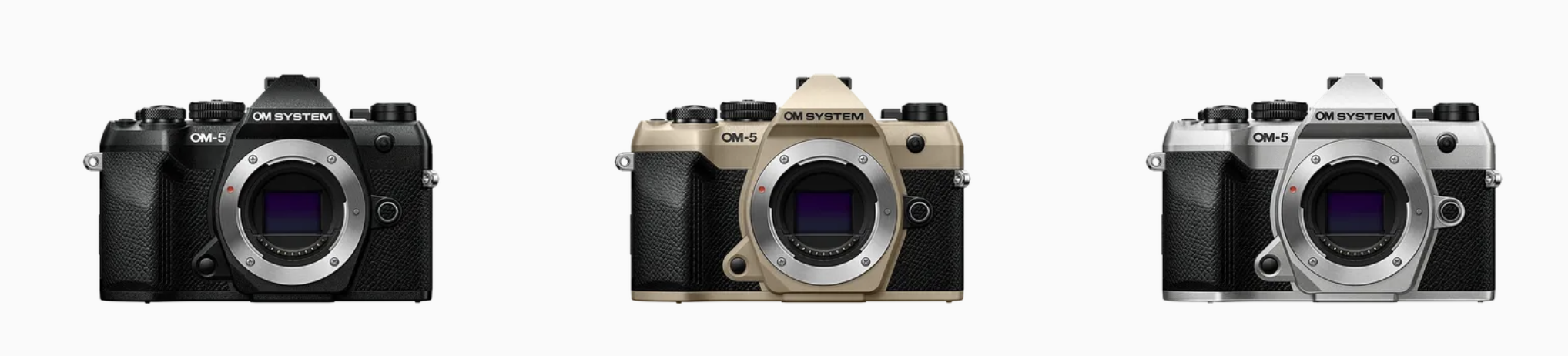
    OM 5 Mark II comes in three colors. Black, Sand Beige and Silver. I have to admit the Sand Beige looks nice. (image: OM SYSTEM)

    You can learn more about the new camera from OM SYSTEM website.

  • Hey Fuji Users! DxO Finally Gives Us Some Love in PureRAW 5

    DxO has just launched a new version of its image enhancement software, PureRAW. It is now on version 5.

    Dedicated Deep Prime for Fuji X-trans sensors!

    XD, which comes from extra detail, was introduced in PureRAW 3. In PureRAW 5, DxO introduces its own XD for X-trans sensors, the XD3 X-trans Beta. Yes, it is still in beta and under development. It is good enough, though, for public beta, so no worries. There will be a possibility to give feedback to DxO.

    This new version of image enhancement for X-trans sensors is a good move. Fuji cameras are popular but have not received the best treatment from DxO. I am glad this has changed.

    Local Adjustments are essential!

    Local adjustments are significant in image editing. Different parts of the image need different types of treatment. Now, that can be done in DxO PureRAW, too. It is possible to sharpen only parts of the image. For example, it is possible to sharpen only the subject and leave the background as is. This improvement is much appreciated.

    DxO PureRAW enhacments are based on Optics Modules.

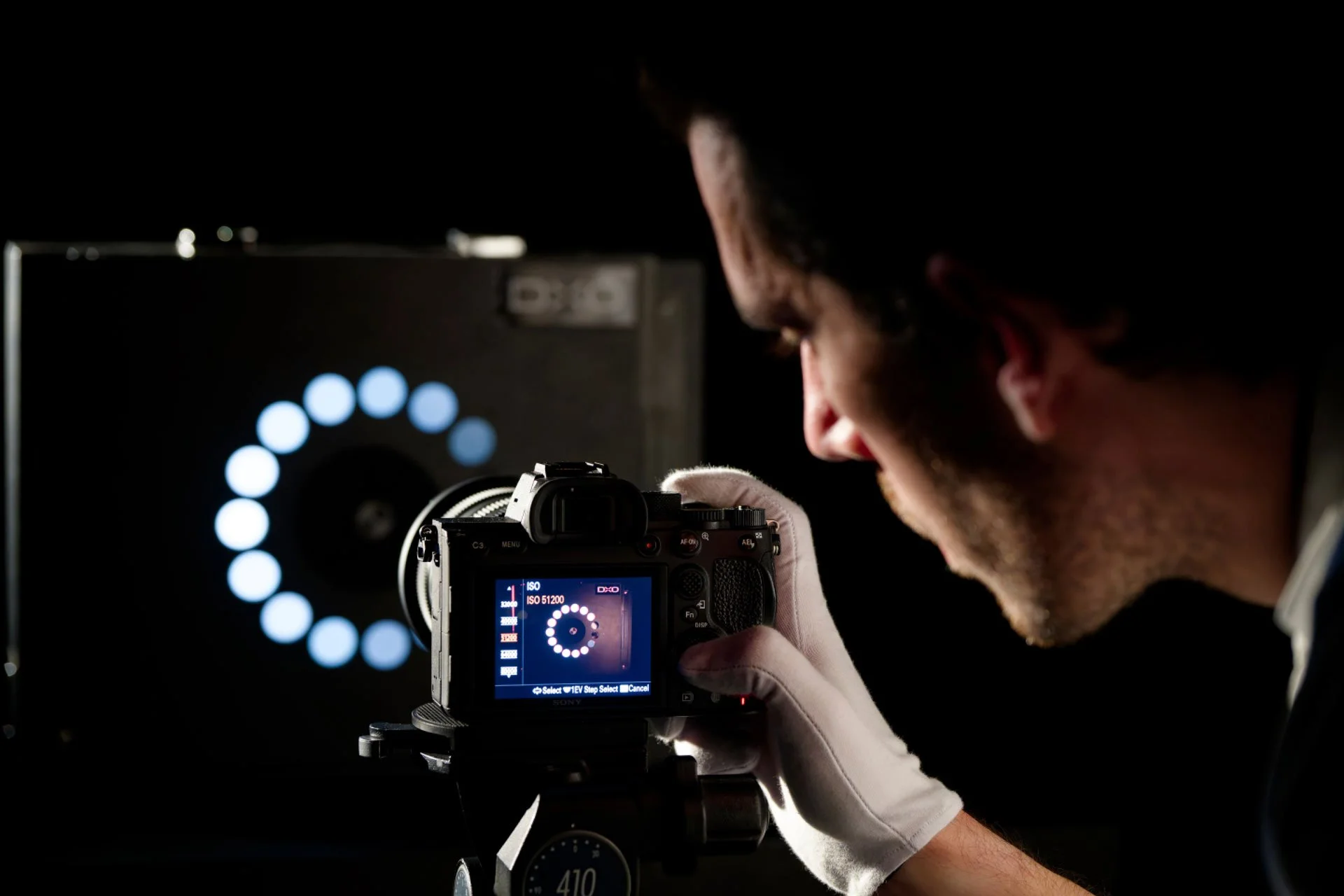
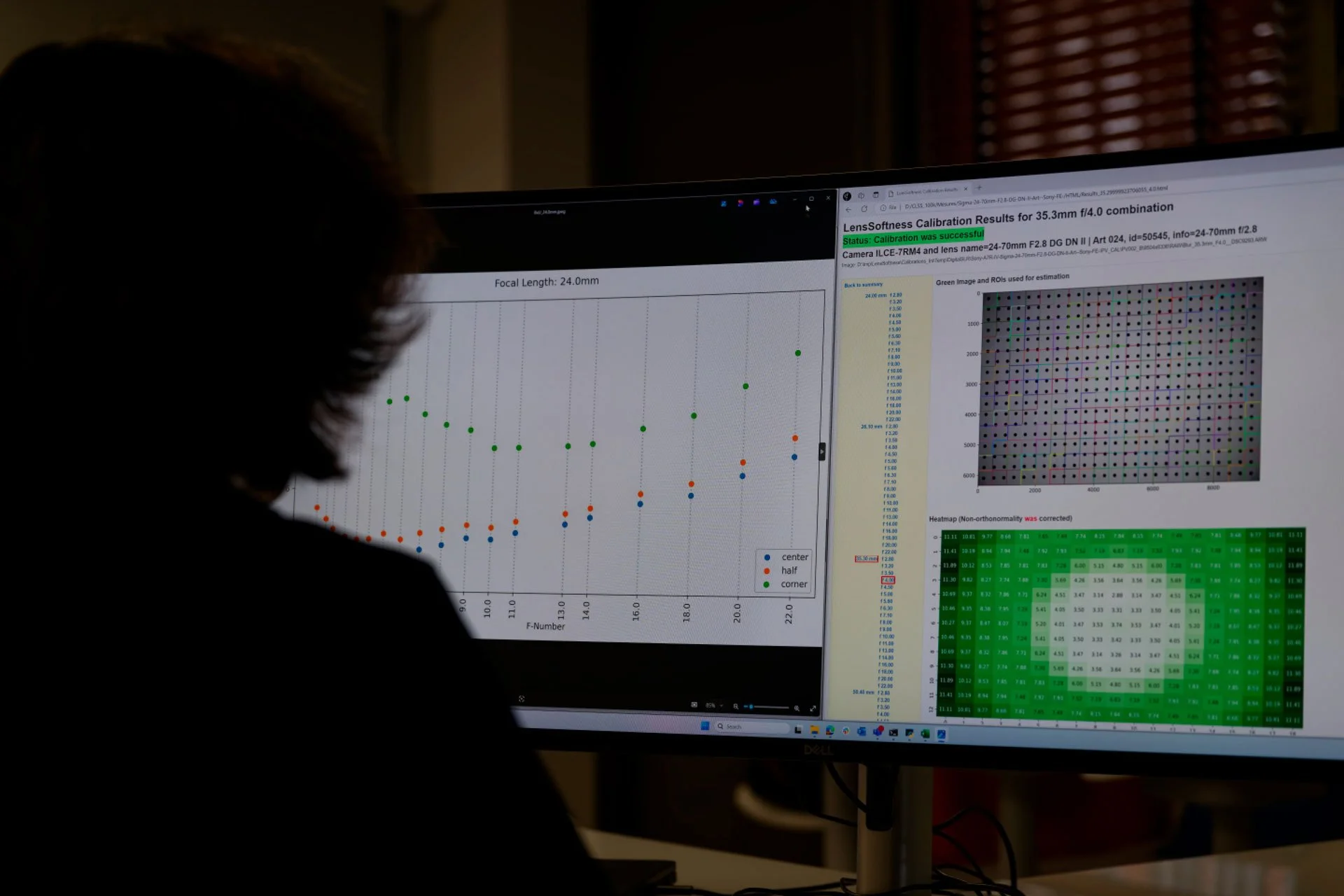
    DxO Laboratory. Image from DxO

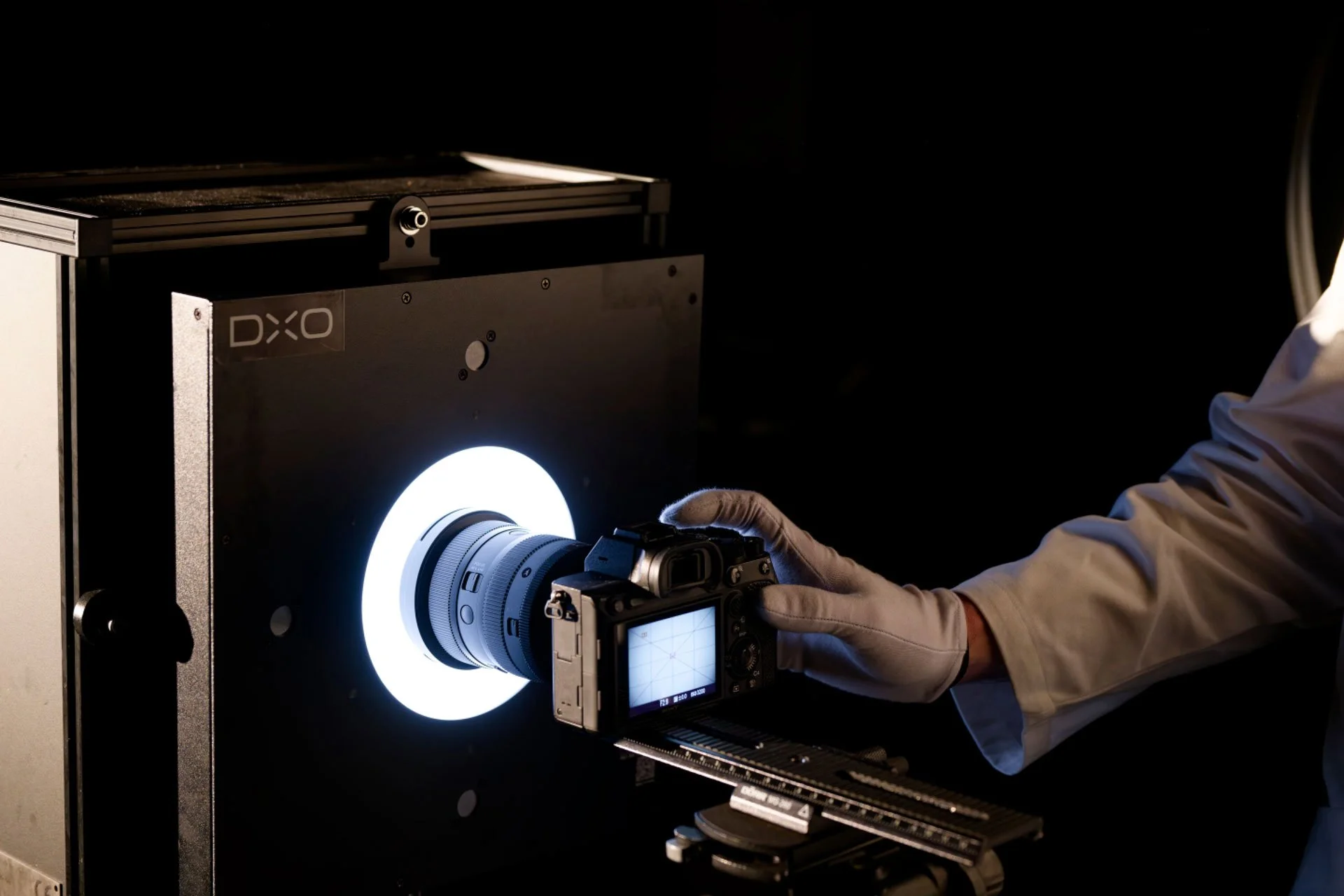
    The Optics Modules are what makes the DxO software the best when it comes to image enhancements. DxO now has over 100.000 camera lens combinations. That is vast, and your camera and lens combinations are most likely included.

    DxO Laboratory. Image from DxO
    DxO Laboratory. Image from DxO

    DxO PureRAW 5 will be available in April.

    The final product will be available on April 15th. It is worth the wait. I have tested the early beta version, and it looks very promising. Unfortunately, I cannot share any samples yet. As soon as I get the final version for testing, I will start to make some video content ready for April 15th. Most likely I will publish it on the 15th with samples and comments about the quality.

    The Price of DXO PureRAW 5:

    The price for DxO PureRAW 5 will be:

    New license: 119.99 € / $ – 109,99 £

    Upgrade from DxO PureRAW 3 or 4: 79.99 € / $ – 69,99 £

    (information from DxO Press Release)