Tag: Photography

  • The Art of Lomomatic 110 Photography

    The Art of Lomomatic 110 Photography

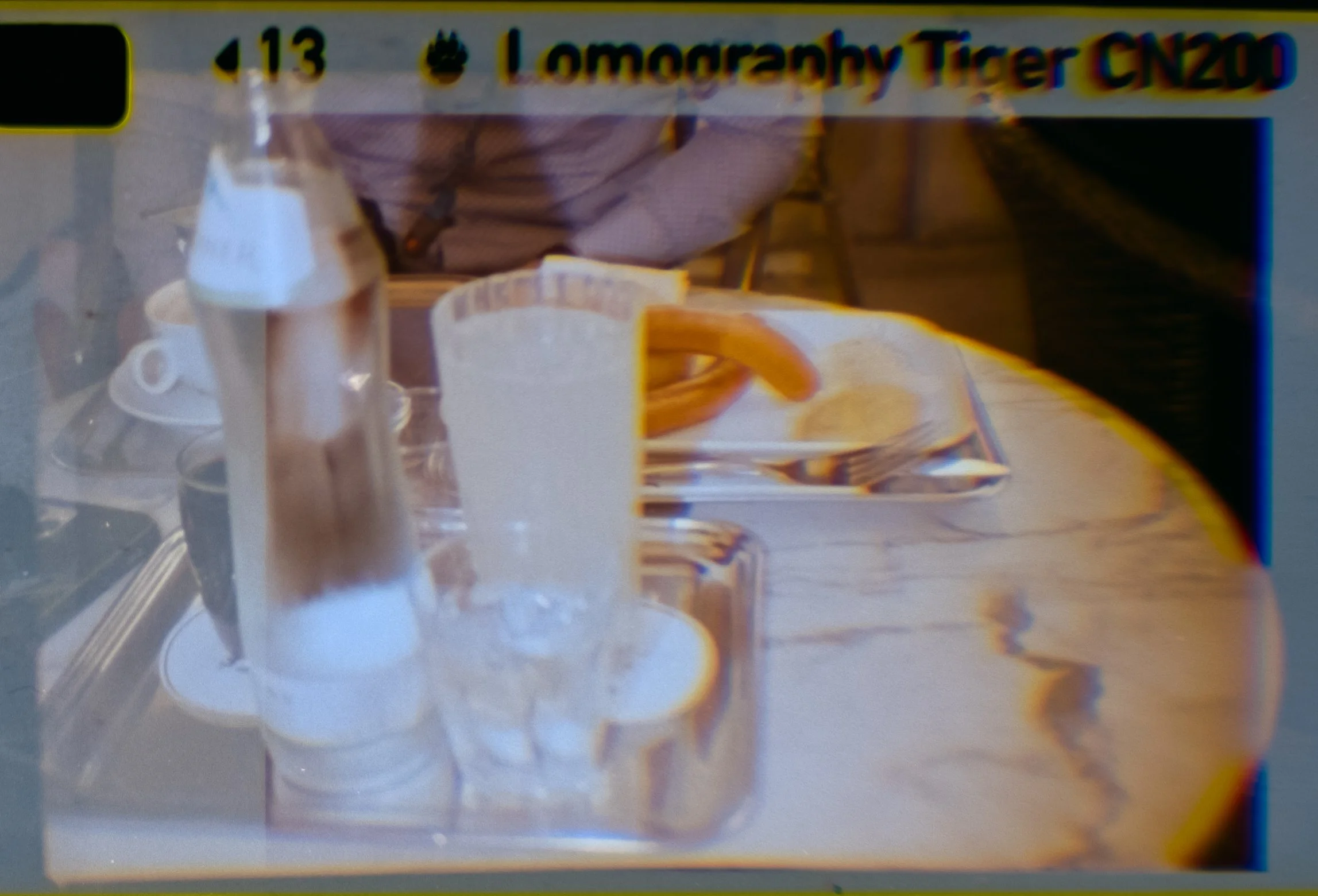
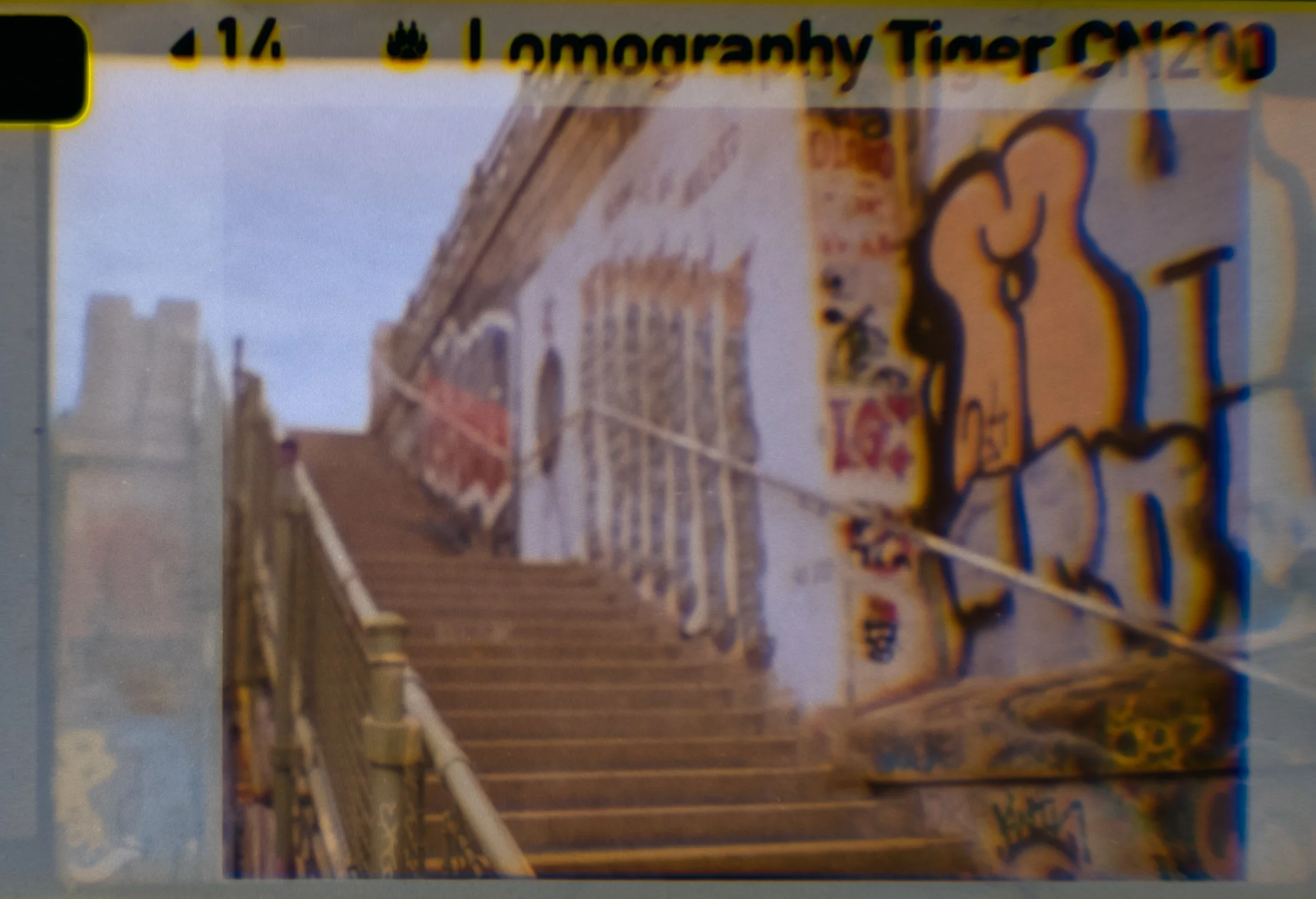
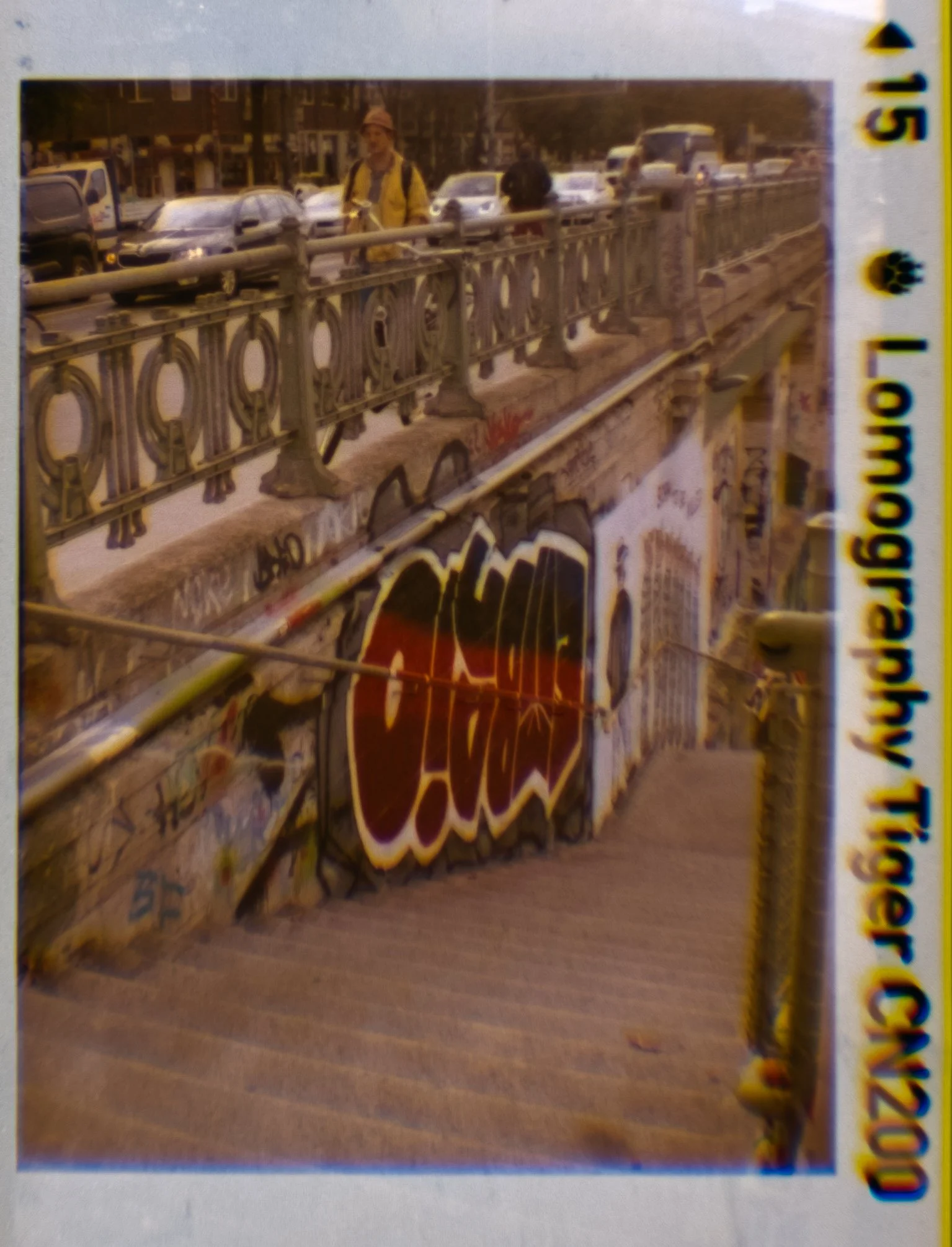
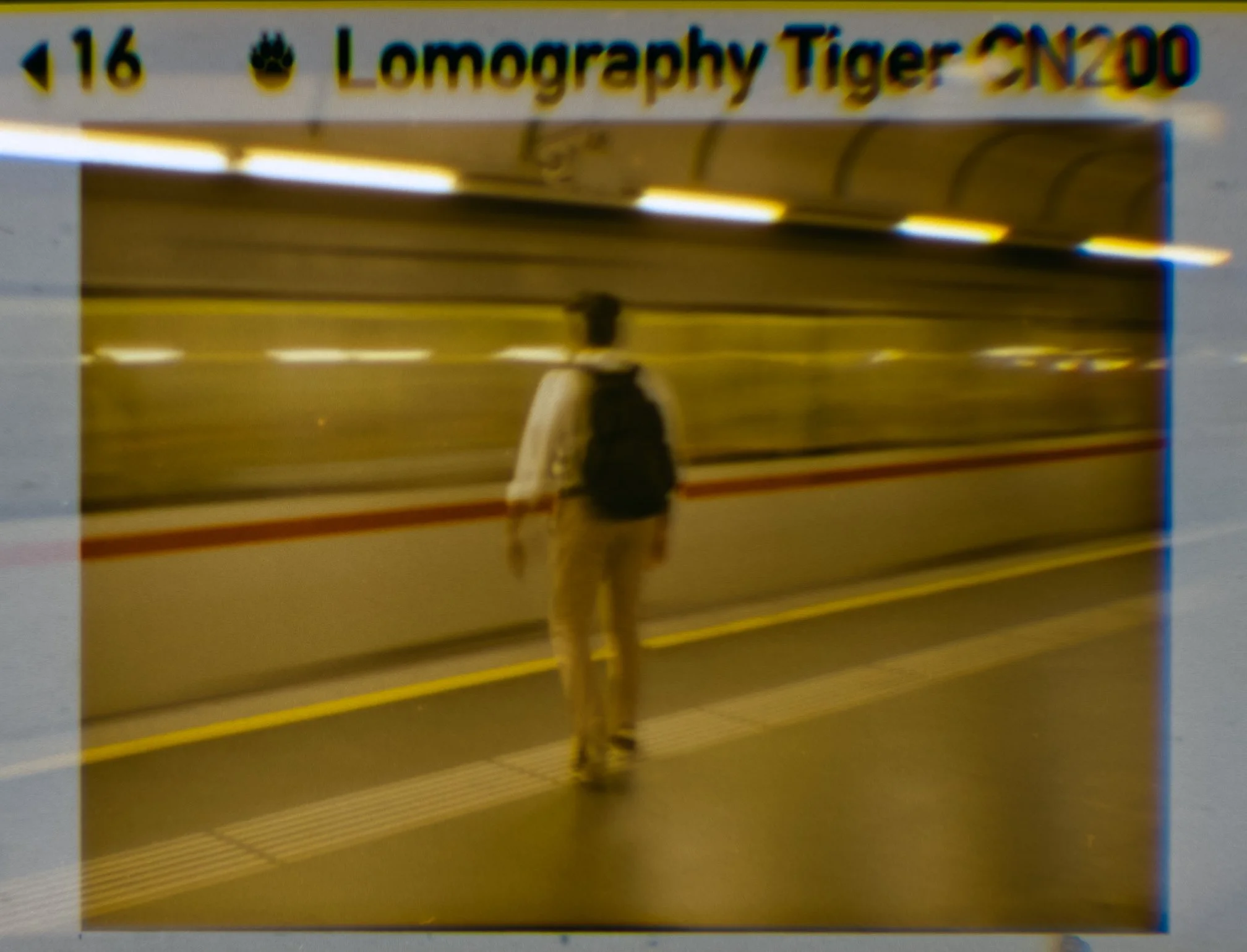
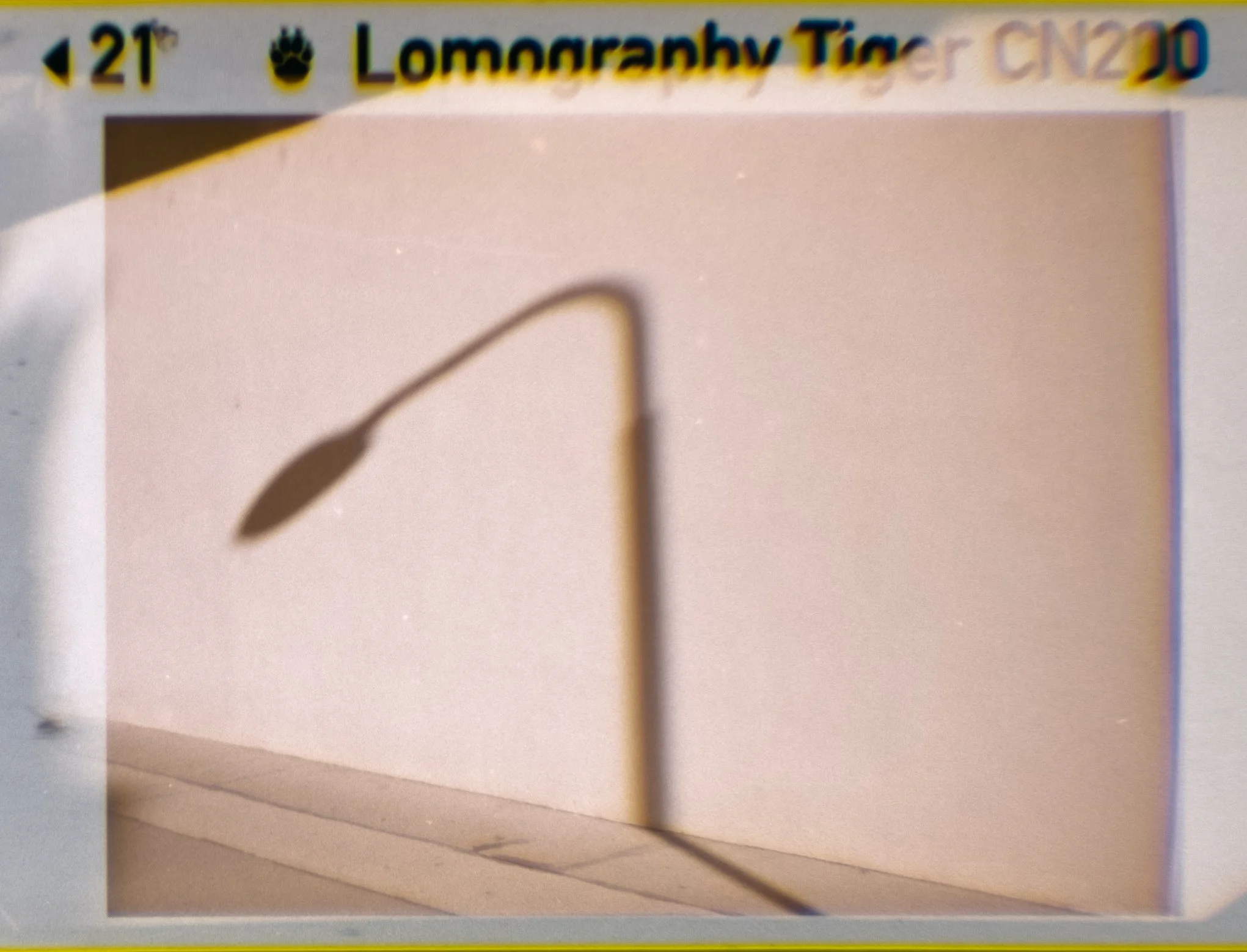
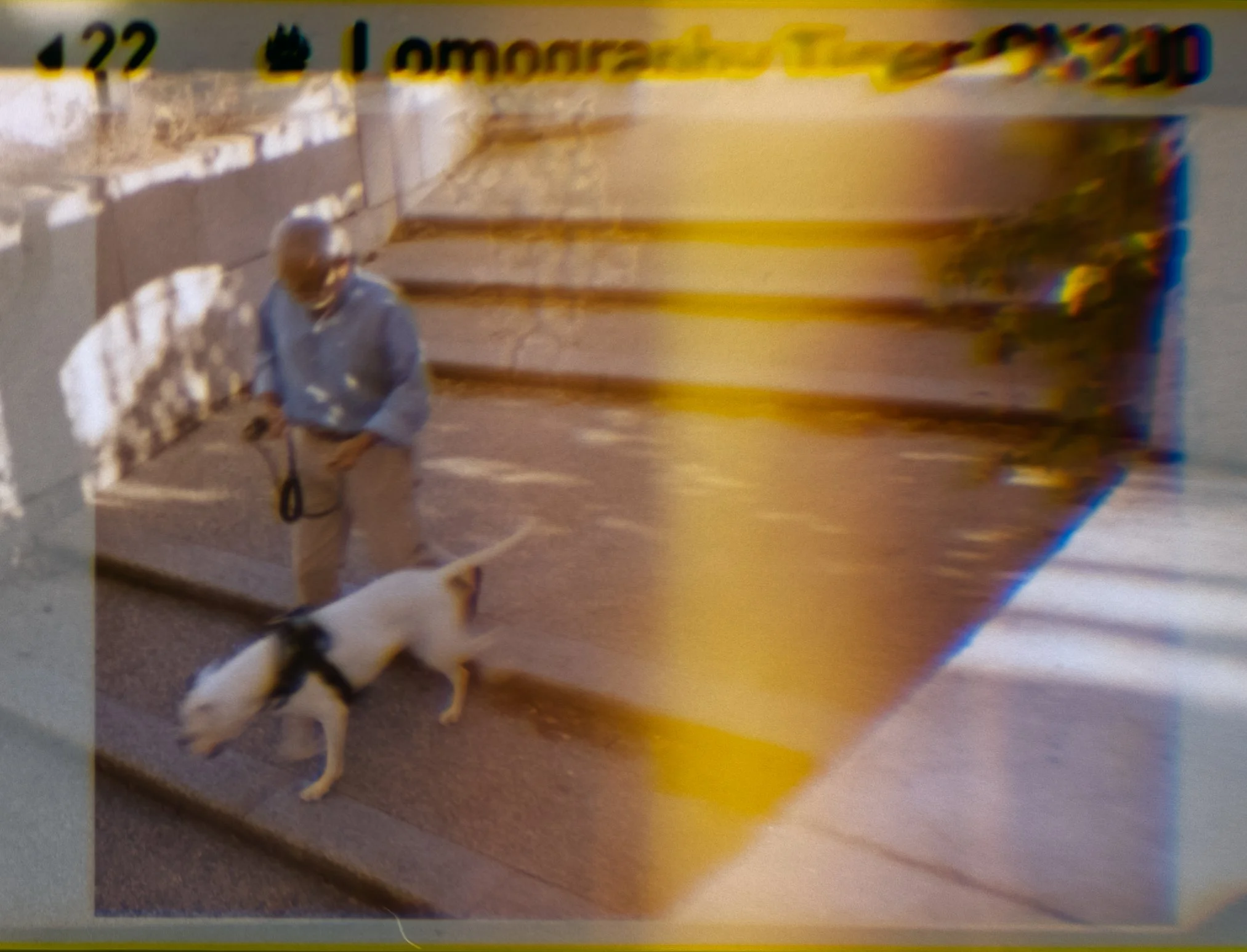
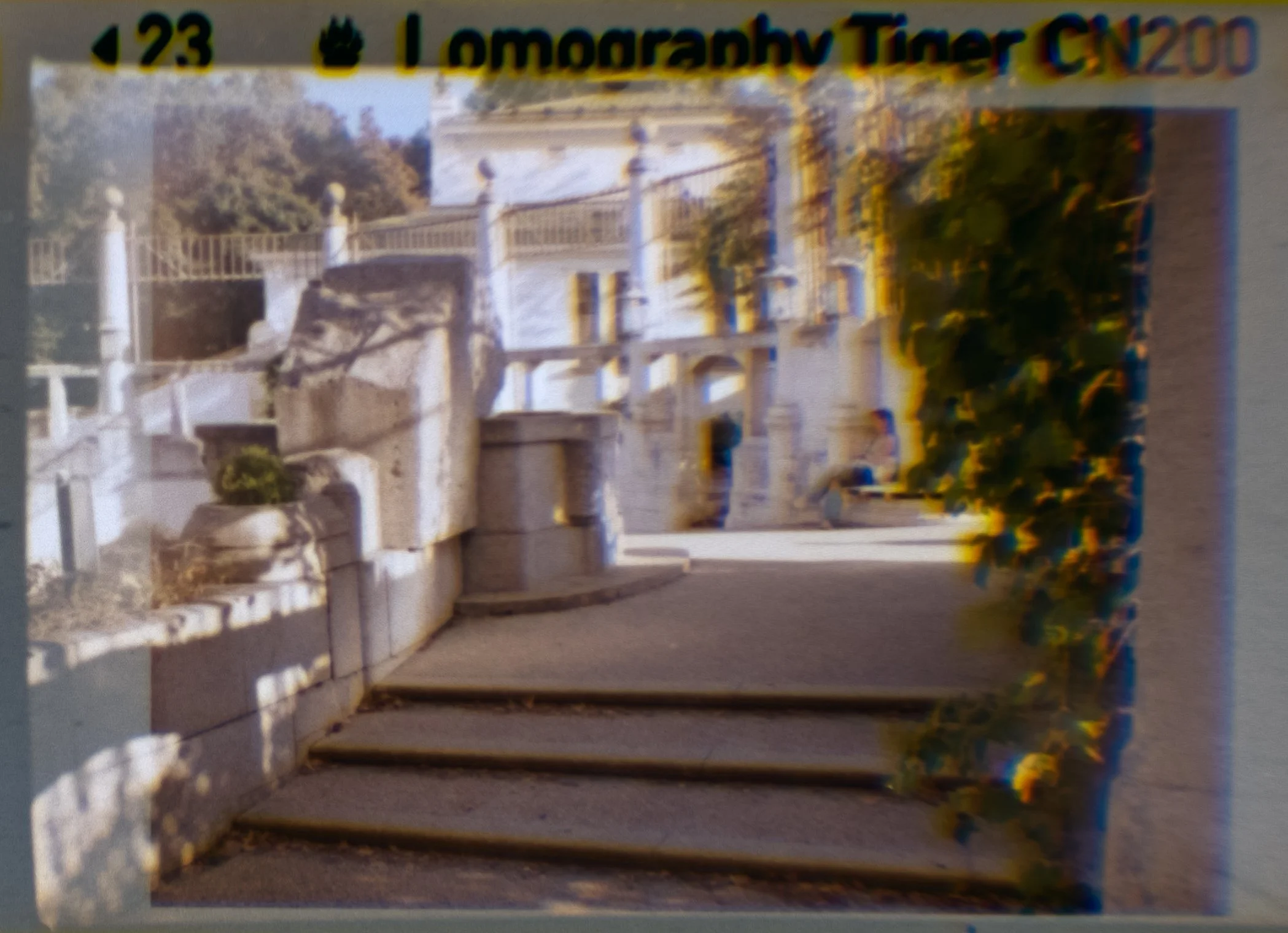
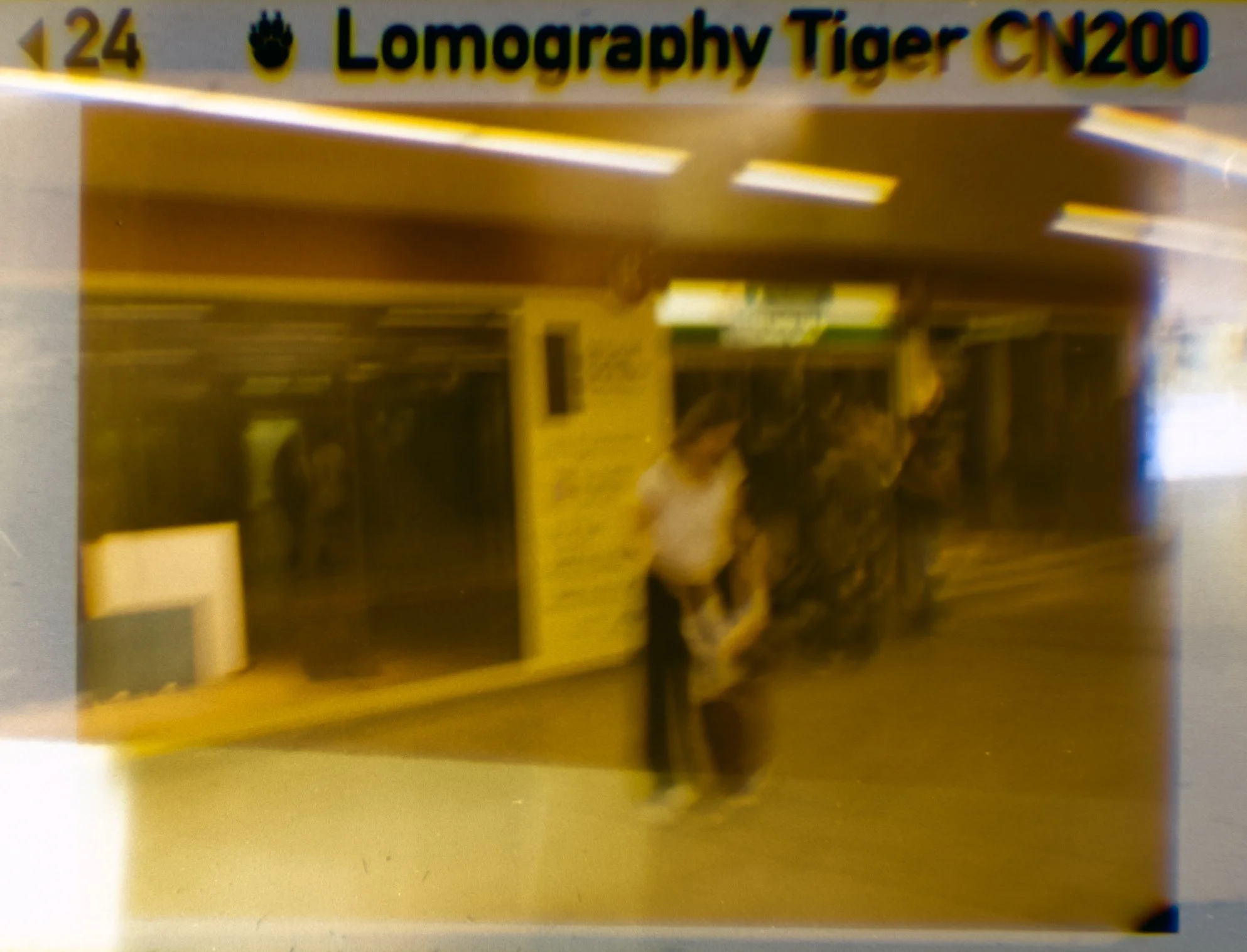
    I explored the vibrant streets of Vienna with a unique camera. I embarked on a photographic adventure that combined nostalgia with modern creativity.

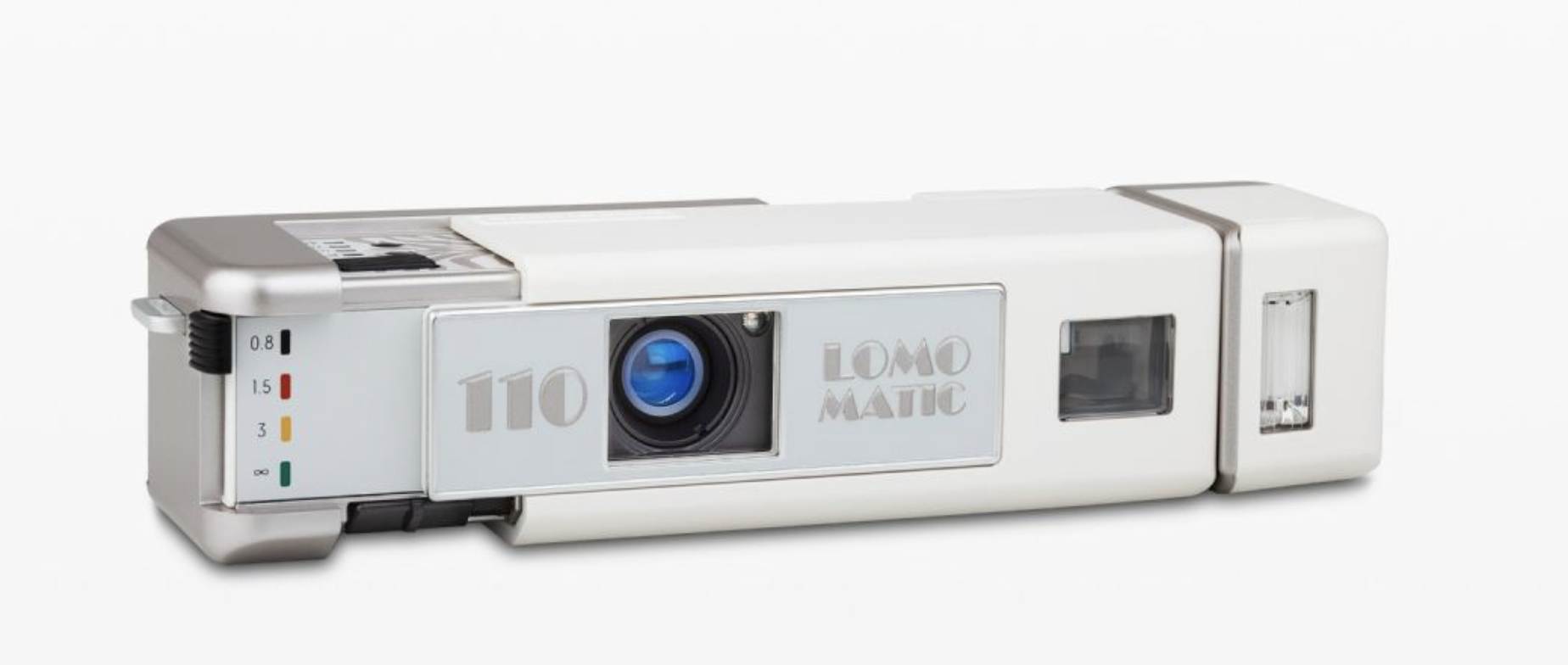
    The Lomomatic 110 Camera, a recent release by Lomo, offers a blend of vintage charm and contemporary design.

    The Lomomatic 110 Zebra Camera

    image: Lomography.com

    The Lomomatic 110 Camera, with its striking white and black design, is a compact marvel that packs a punch. Equipped with a flash, distance scale, and ISO settings, it also features multiple exposure and long exposure modes. I used Lomography 200 ISO negative Tiger film, providing 24 exposures to capture the essence of Vienna.

    Challenges and Learning Curve

    As with any new equipment, mastering the Lomomatic 110 presented its own set of challenges:

    – Film Advancement: The manual film advancement mechanism required careful attention to avoid missed shots or unintended double exposures.

    – Focus and Exposure: Remembering to adjust the distance scale and exposure modes (day/night) for each shot was crucial for achieving sharp, well-exposed images.

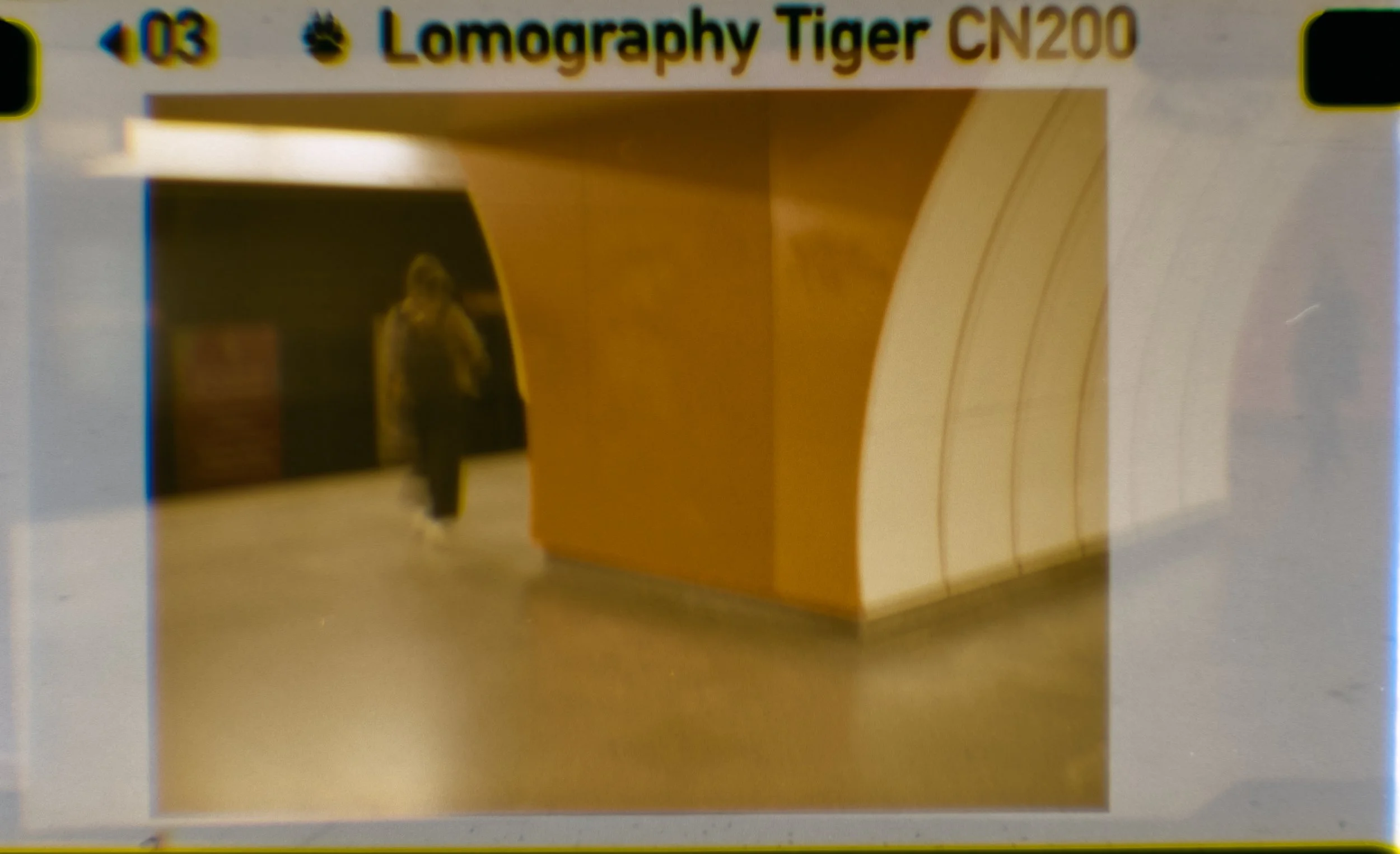
    – Shutter Button Sensitivity: Ensuring the shutter button was fully pressed became a learning experience, as some shots were missed due to incomplete button presses.

    Street Photography Experience with a Lomomatic 110

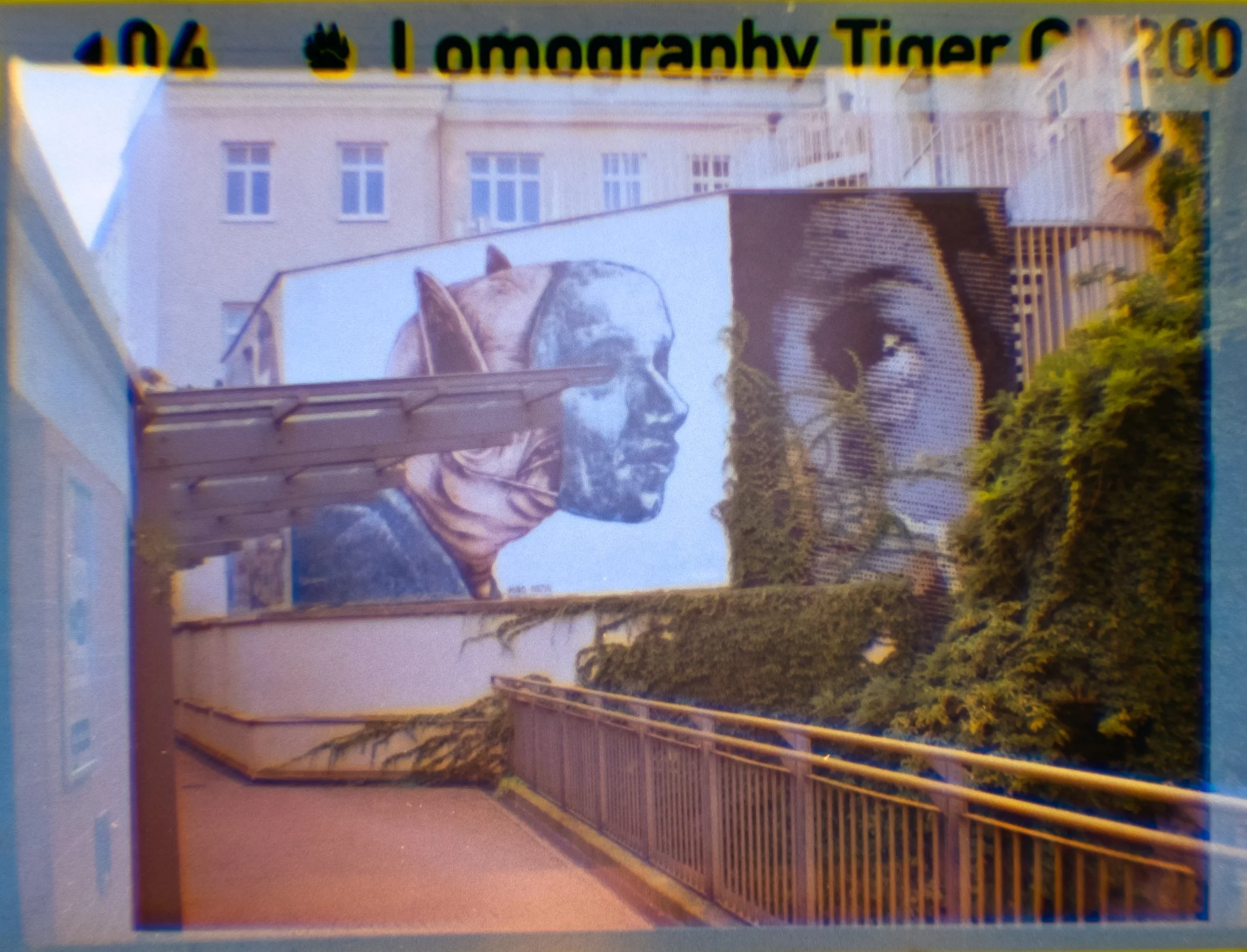
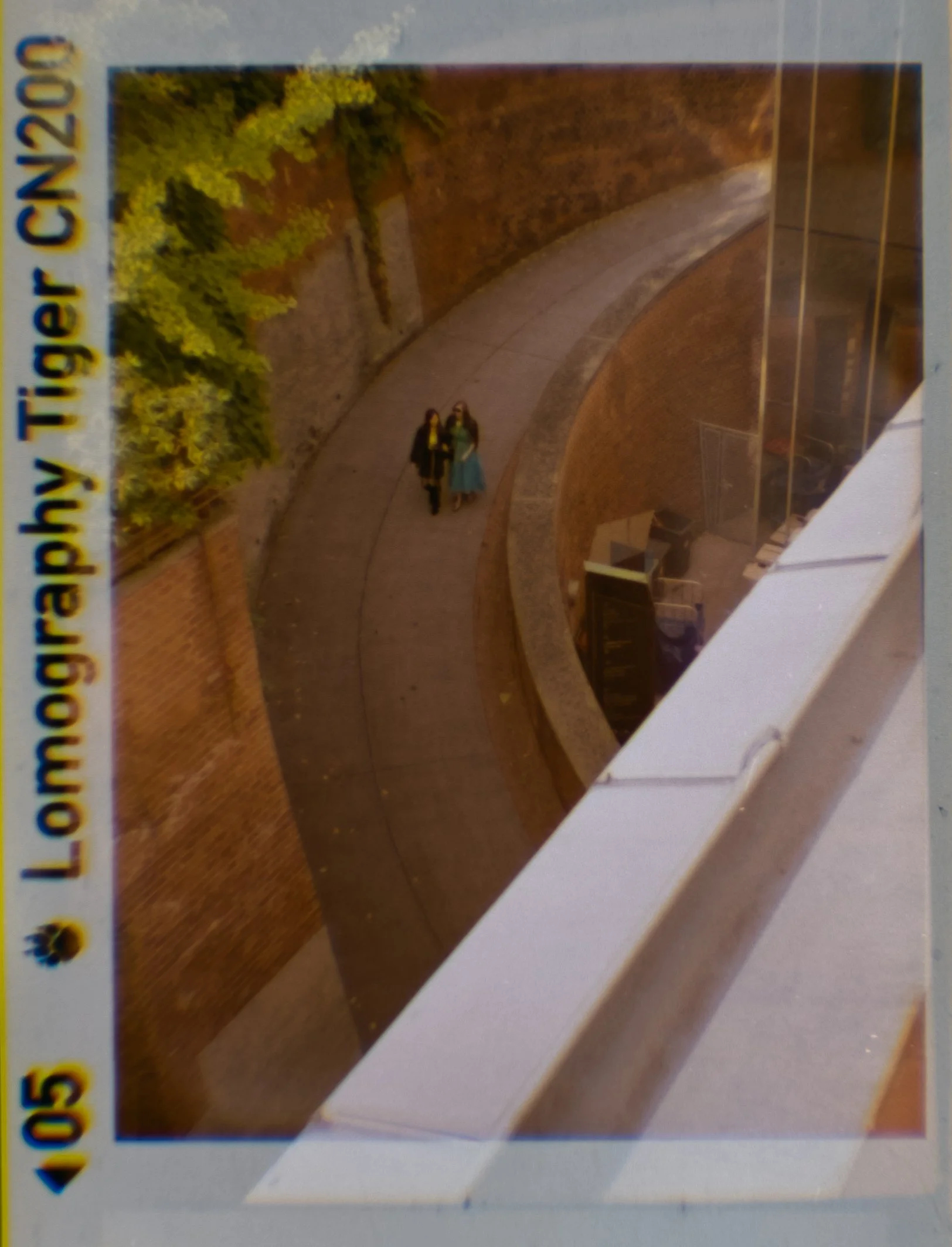
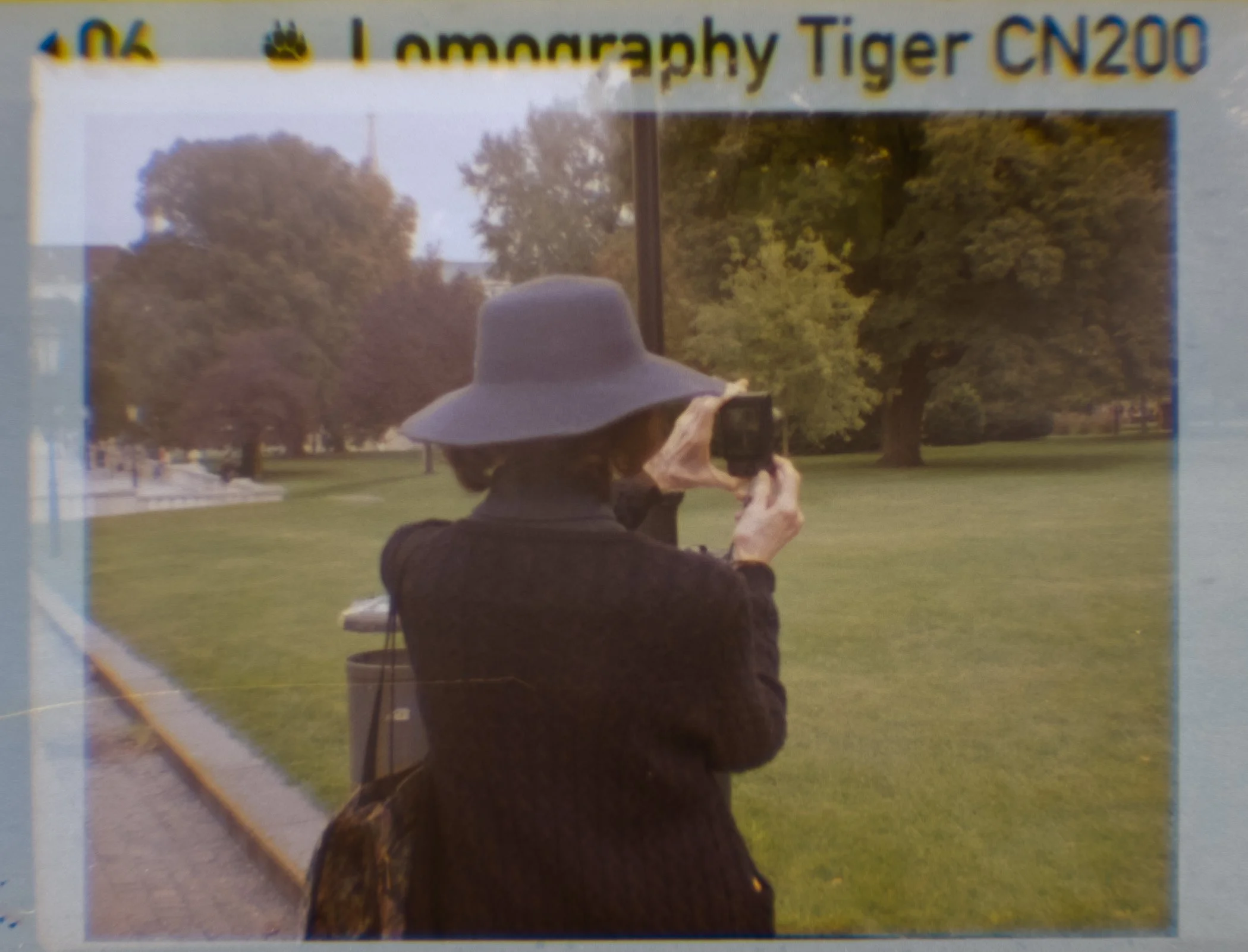
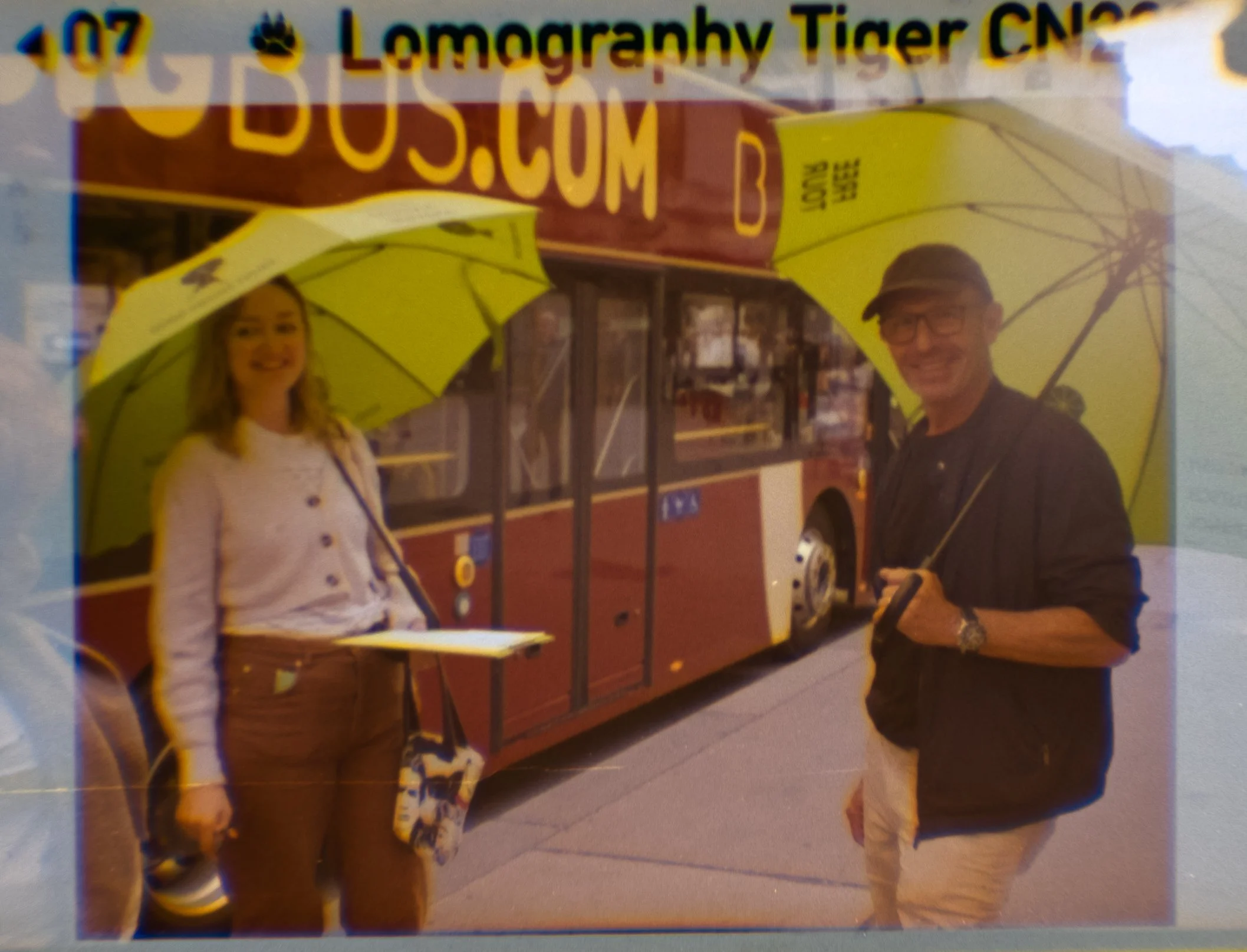
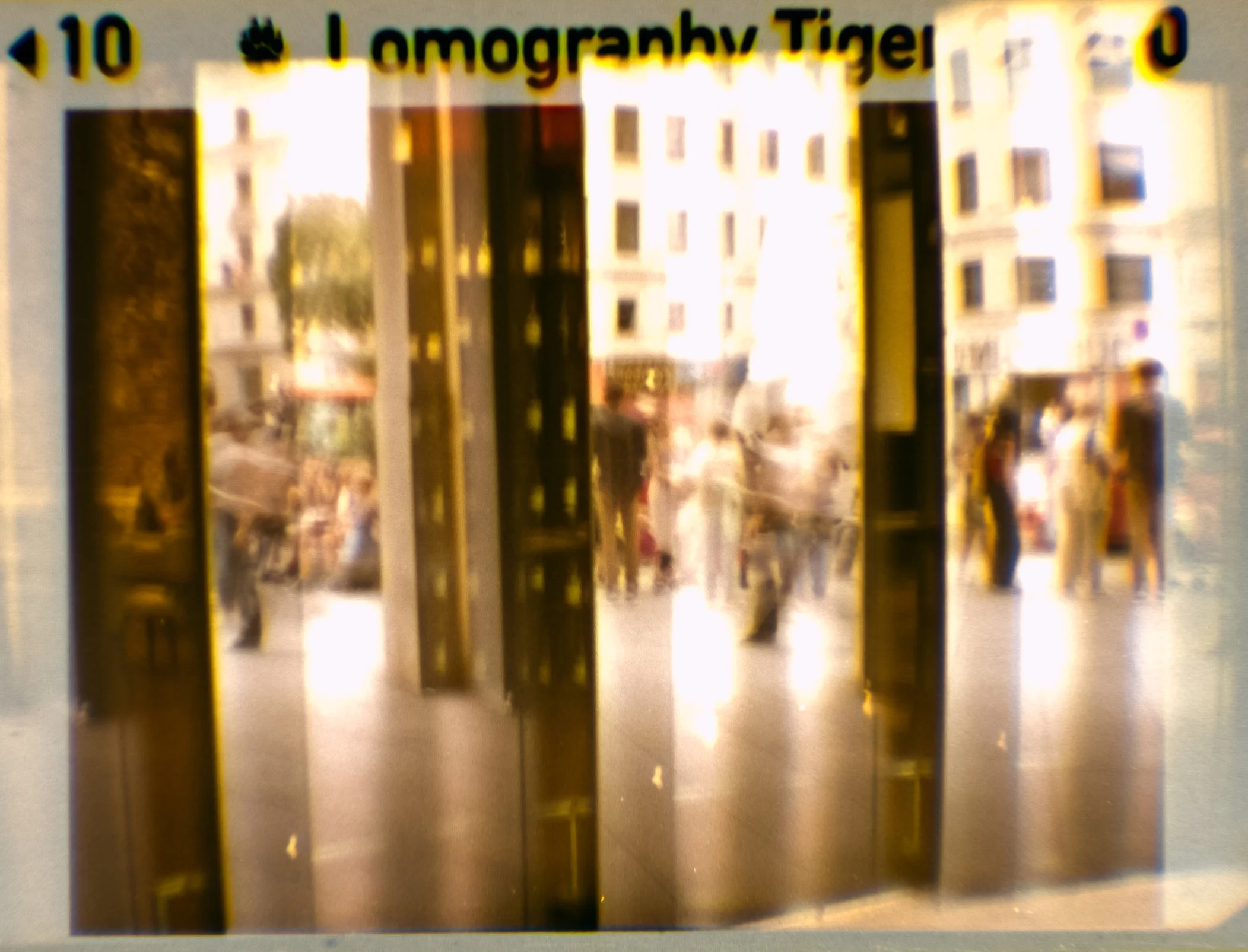
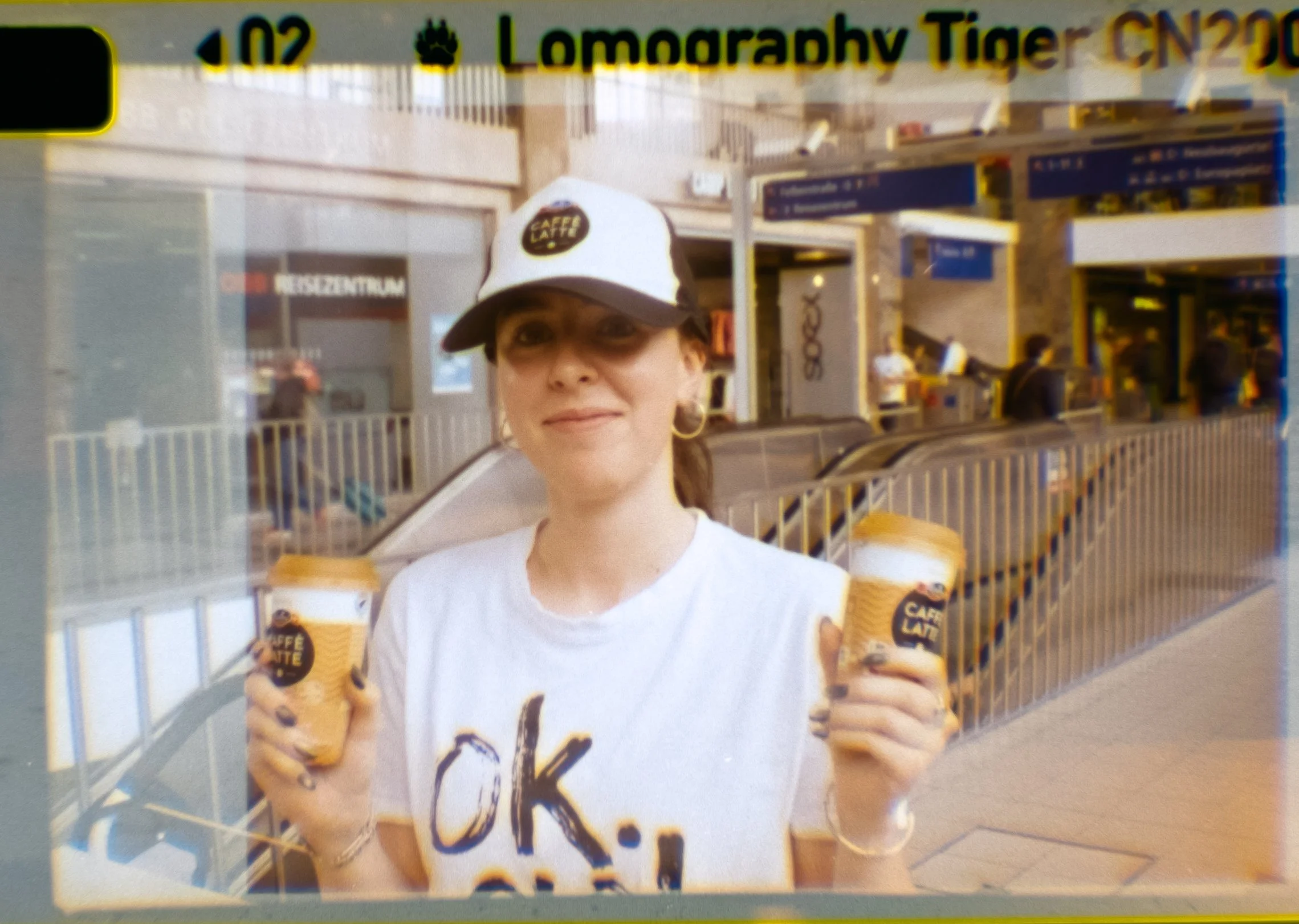
    Venturing through Vienna’s streets, the Lomomatic 110 became a conversation starter. From capturing the contrast between traditional horse-drawn carriages and modern DHL delivery vehicles to engaging with locals for impromptu portraits, the camera’s unique appearance drew curiosity and smiles.

    Lessons Learned

    1. Know Your Gear: Before a shoot, it is essential to familiarize yourself with a new camera. Understanding its quirks and features can distinguish between capturing and missing key moments.

    2. Embrace Imperfection: Film photography’s unpredictability, especially with a quirky camera like the Lomomatic 110, can lead to happy accidents and unique artistic expressions.

    3. Enjoy the Process: While technical proficiency is important, the joy of photography lies in the experience itself. The laughter shared with fellow photographers and subjects adds an invaluable dimension to the art.
    Lomography110_ZebraCrossing_001.jpg
    Lomography110_ZebraCrossing_002.jpg
    Lomography110_ZebraCrossing_004.jpg
    Lomography110_ZebraCrossing_005.jpg
    Lomography110_ZebraCrossing_006.jpg
    Lomography110_ZebraCrossing_007.jpg
    Lomography110_ZebraCrossing_008.jpg
    Lomography110_ZebraCrossing_009.jpg
    Lomography110_ZebraCrossing_010.jpg
    Lomography110_ZebraCrossing_012.jpg
    Lomography110_ZebraCrossing_013.jpg
    Lomography110_ZebraCrossing_014.jpg
    Lomography110_ZebraCrossing_015.jpg
    Lomography110_ZebraCrossing_016.jpg
    Lomography110_ZebraCrossing_017.jpg
    Lomography110_ZebraCrossing_018.jpg
    Lomography110_ZebraCrossing_019.jpg
    Lomography110_ZebraCrossing_020.jpg
    Lomography110_ZebraCrossing_021.jpg
    Lomography110_ZebraCrossing_022.jpg
    Lomography110_ZebraCrossing_023.jpg
    Lomography110_ZebraCrossing_024.jpg


    Final Thoughts

    Despite the challenges and missed shots, the experience with the Lomomatic 110 Camera in Vienna was undeniably fun and educational. It served as a reminder that photography is not just about the result but also about the journey, the connections made, and the moments of discovery along the way.

    For those considering venturing into film photography or experimenting with unique cameras like the Lomomatic 110, remember that each frame is an opportunity to learn and create.

    Embrace the quirks, celebrate the imperfections, and, most importantly, enjoy the process of capturing life through a different lens.

    Here, you can watch my whole photo walk with the Lomomatic 110 Zebra Crossing. Thomas Eisl, a local photographer from Vienna, filmed the video.
  • Conceptual Portrait – More Than Just a Photograph | 52 Assignment Series

    This week’s assignment in 52 Assignment is Conceptual Portrait. They are a fascinating intersection of photography, art, and storytelling.

    This assignment will make you think more about your portraits. Many of you are more interested in nature photography, so this assignment will challenge you to look at people.

    What are Conceptual Portraits?

    A conceptual portrait is more than just a photograph of a person. It’s an image that conveys an idea, an emotion, or a narrative. These portraits are carefully crafted to go beyond the surface, offering the viewer a deeper, often symbolic, meaning. The person, the setting, the props, and the lighting – every element is chosen to contribute to the overall concept or story.

    Why Conceptual Portraits?

    1. Emotional Connection: These portraits evoke emotions and provoke thought. They connect with viewers personally, often leaving a lasting impression.

    2. Artistic Expression: For photographers and subjects alike, these portraits express creativity and personal vision.

    3. Telling Stories: Each portrait can tell a story, whether it’s about personal struggles, societal issues, or abstract concepts.

    Creating Your Own Conceptual Portrait

    1. Start with an Idea: What do you want to communicate? It could be a feeling, a social message, or an abstract concept. The idea is the seed from which your portrait will grow.

    2. Plan Your Composition: Think about how you’ll compose your shot. What kind of background will you use? How will the subject be posed? Will there be any significant props?

    3. Consider Lighting and Color: Lighting sets the mood, and colors can add symbolic meaning. For example, red can represent passion or danger, while blue might convey calmness or sadness.

    4. Focus on the Subject: The subject of your portrait is key. How they are dressed, their body language, and their expressions all contribute to the narrative.

    5. Experiment: Don’t be afraid to try different things. Conceptual photography is about creativity and experimentation.

    Examples to Inspire You

    A Portrait of Time: a photograph of an older person looking into a mirror, reflecting their younger self and symbolizing the passage of time.

    The Weight of Thoughts: A subject with a cluttered, chaotic background, suggesting the burden of overthinking or anxiety.

    Nature and Humanity: This portrait blends a human with elements of nature, showing our connection to the earth.

    Conclusion

    Conceptual portraits are a powerful medium that uniquely blends photography, art, and storytelling. They challenge both the creator and the viewer to think more deeply about the image and its meaning. As you create your conceptual portraits, remember that your personal vision and creativity are the most important elements. Let your ideas flow, experiment with different techniques, and, most importantly, enjoy bringing your concepts to life.

  • 3 photographers that have INFLUENCED my Photography!

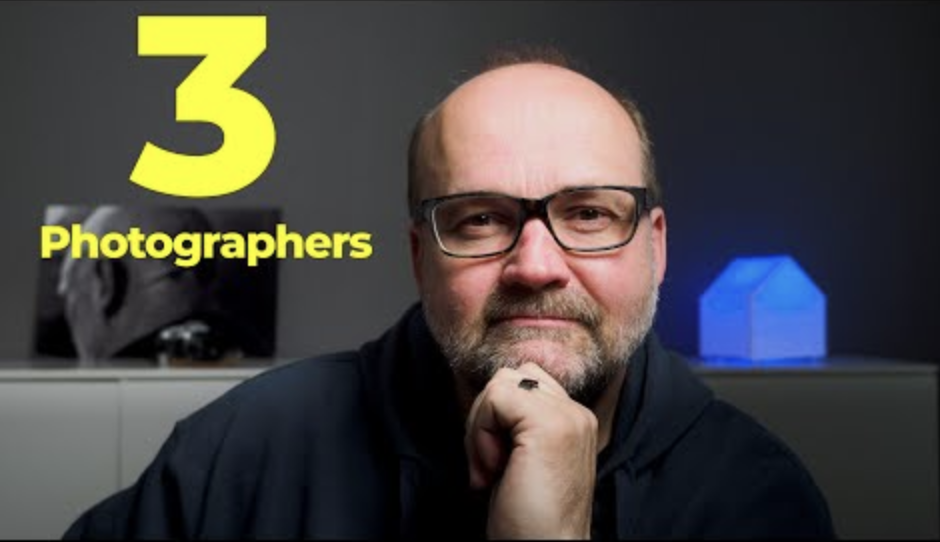
    3 photographers that have INFLUENCED my Photography!

    Getting influenced by other photographers is fun! In my latest video I talk about three photographers that have influenced me. My pick are photography legends, but you can be influenced by some one in Instagram or some one in your local camera club.

    Getting influenced does not mean that you copy others. Of course copying some one can be a great excersice too. But for long term photography getting influenced is much better.

    What does getting influenced mean?

    As I already mentioned it is not copying others. It might be picking up subject matters, approach, some times it can even the style to some extend. Usually what happens is that we start copying and end up doing something totally different. The starting point has only been our ,well, the starting point.

    Do not be afraid of copying someone when starting out. But do not make that the goal.

    The 3 photographers that have influenced me.

    These 3 photographers have something in common what it comes to their style. It is not obvious, but the similarities are there. At least to me. In my latest video I talk about these photographers. Who they are, well you need to watch the video.