Author: Peter Forsgard

  • Happy Birthday OM-D E-M5!

    Today 10 years ago Olympus started a new era, the Olympus OM-D E-M5 was launched. It started the whole OM-D series of cameras. Today there are three different OM-D cameras the E-M10, E-M5, and E-M1. The newest one is E-M1 MKIII.
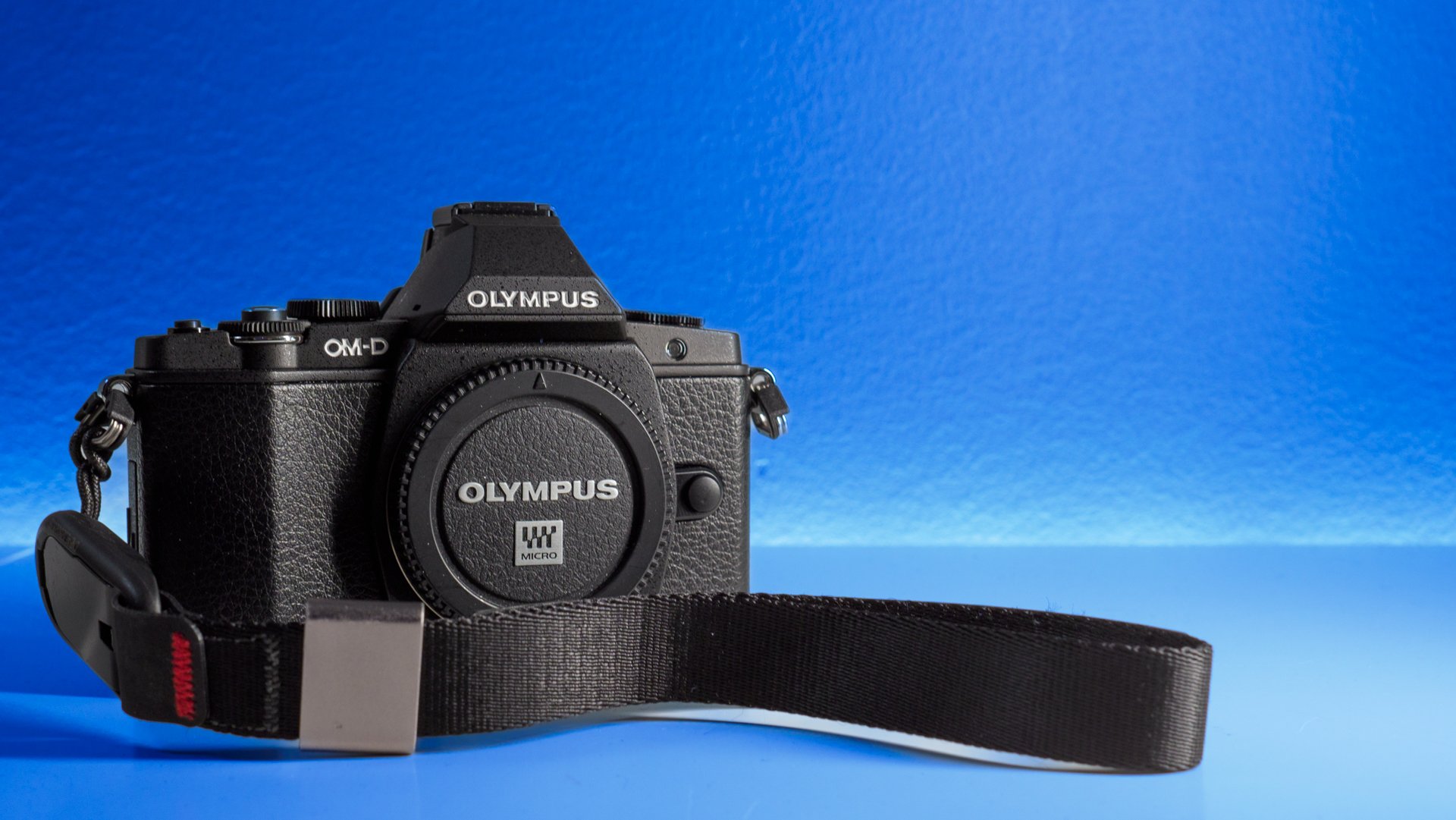
    Olympus OM-D E-M5

    A powerful small camera!

    OM-D E-M5 was a small but very powerful camera at its time. DPReview wrote about the camera in its review back in 2012:
    ”The Olympus OM-D E-M5 is certainly the most capable Micro Four Thirds camera we’ve reviewed and arguably the most likable mirrorless model yet. It falls down a little bit on its continuous focusing but we have absolutely no complaints about the image quality. It’s small, attractive, and a pleasure to use, and its pictures are equally enjoyable.”

    I can see why they did write about it like that. I remember testing it during spring in April 2014 and was right away blown away by its capabilities. It was a bit ahead of its time, but not too much.
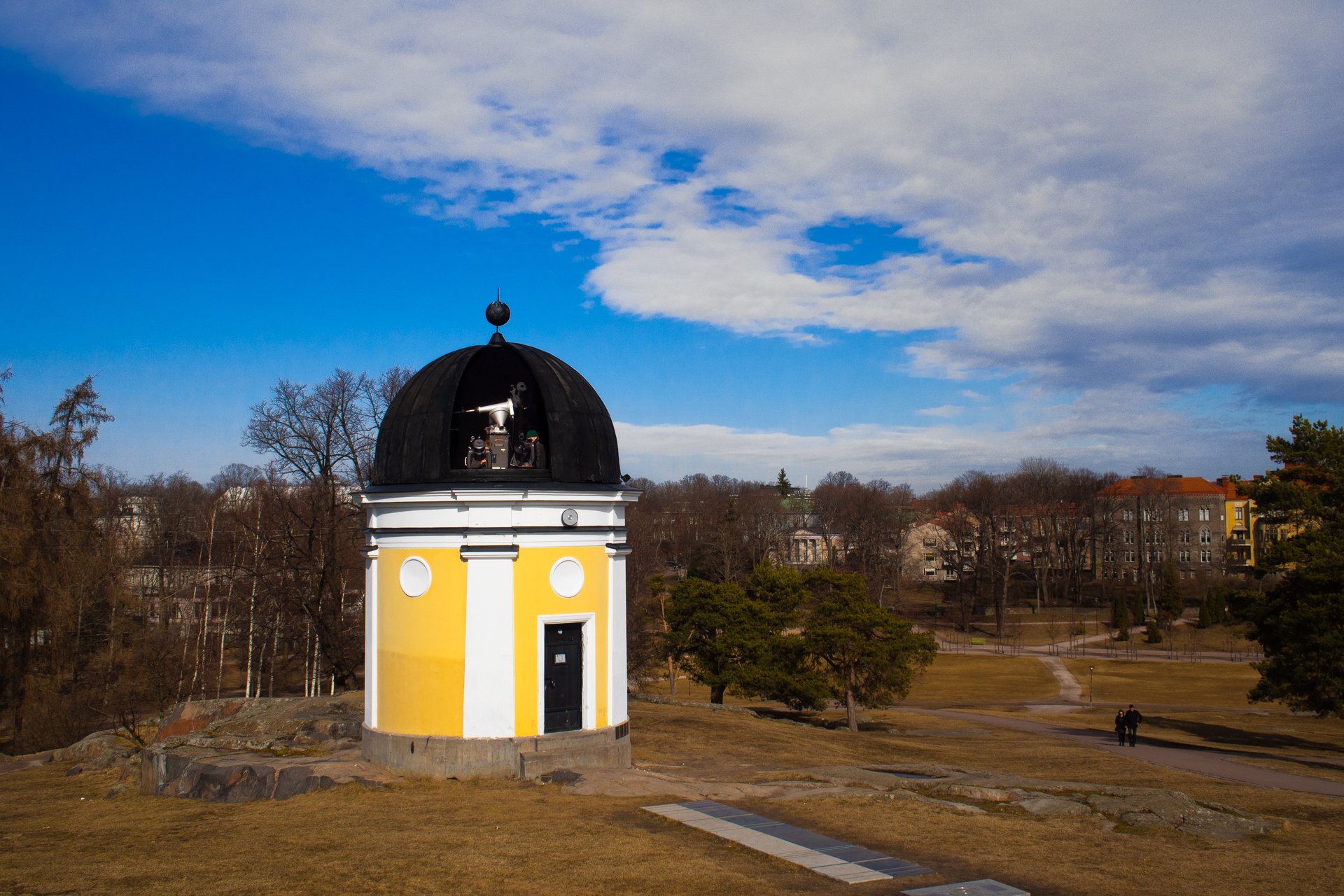
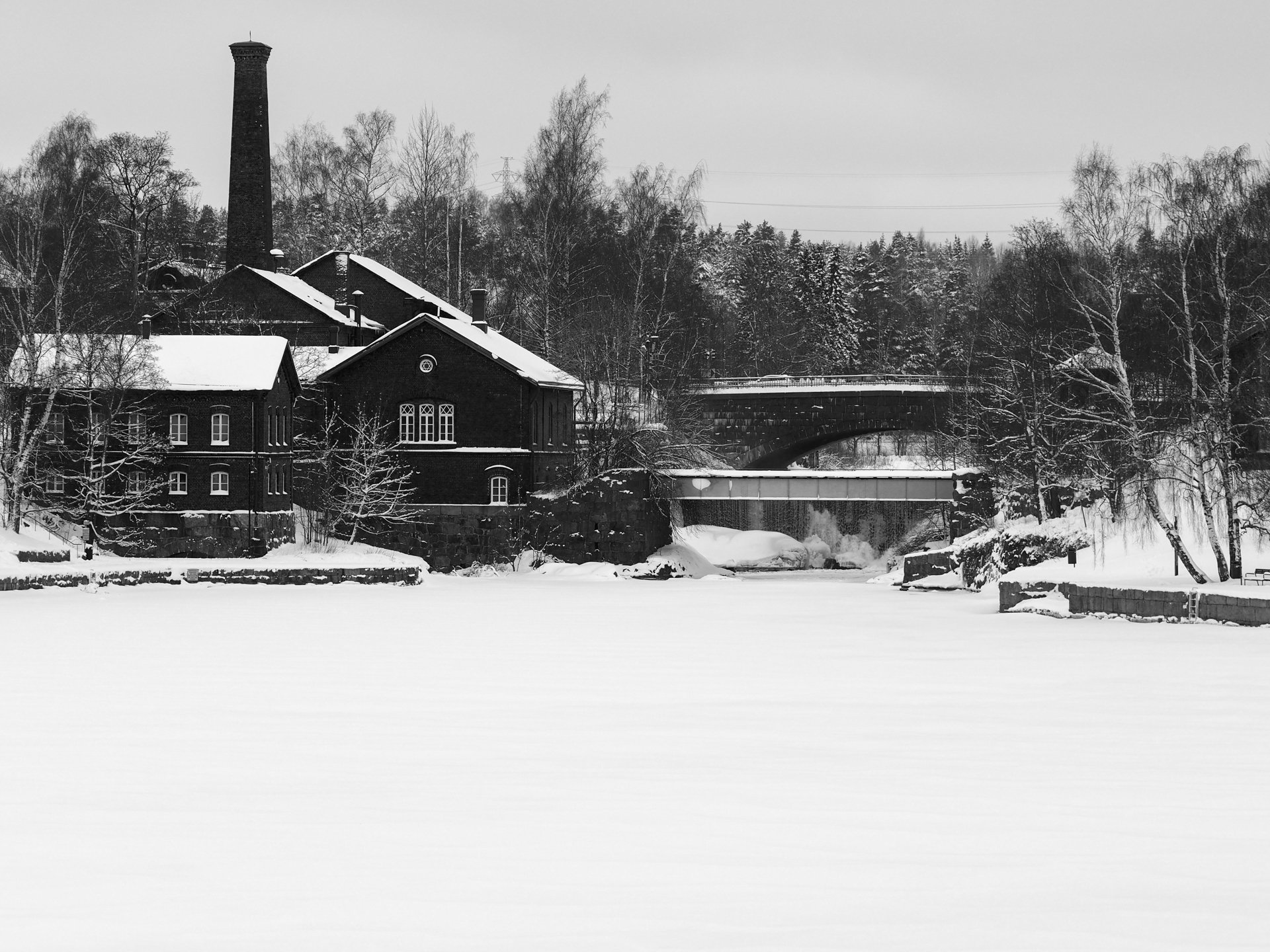
    Olympus OM-D E-M5, M.Zuiko 17mm f1.8, 1/1600s, f5.6, ISO200
    Olympus Om-D E-M5, M.Zuiko 75mm f1.8, 1/800, f4, ISO200

    A new lens mount

    It was also a risk. Olympus introduced a new mount for its flagship lineup. They already had used the 4/3 size sensor in their E-system cameras, but now they had a new micro 4/3 mount and the older lenses needed an adapter to work with the new system. This was not that big of an issue until the next OM-D was released, the professional model E-M1.

    What about the lens selection?

    When launching a new mount lens selection is crucial. If you do not have lenses for the new system it might be in trouble right from the start. Olympus had already launched an m4/3 body a few years earlier, the Pen E-P1. (2009). So there were a few lenses that were available. The only two missing lenses were a fast zoom lens and a standard lens. Especially the missing standard lens at the time was a bit odd. The fast zoom lens came in 2013. It was launched at the same as the E-M1.

    Now that I look back it seems that the lens roadmap has been a bit behind the cameras. I assume that it is the case with other manufacturers too, but have not really looked into it.

    Sample images from my trip to Poland

    I had the E-M5 on a trip to Poland in April 2014. I also visited Auschwitz and Birkenau concentration camps. that was the only time I had small trouble with my Olympus cameras. For some reason, the E-M5 only worked upside down. I managed to get some photos that can be seen here.

    I bought a new E-M5!
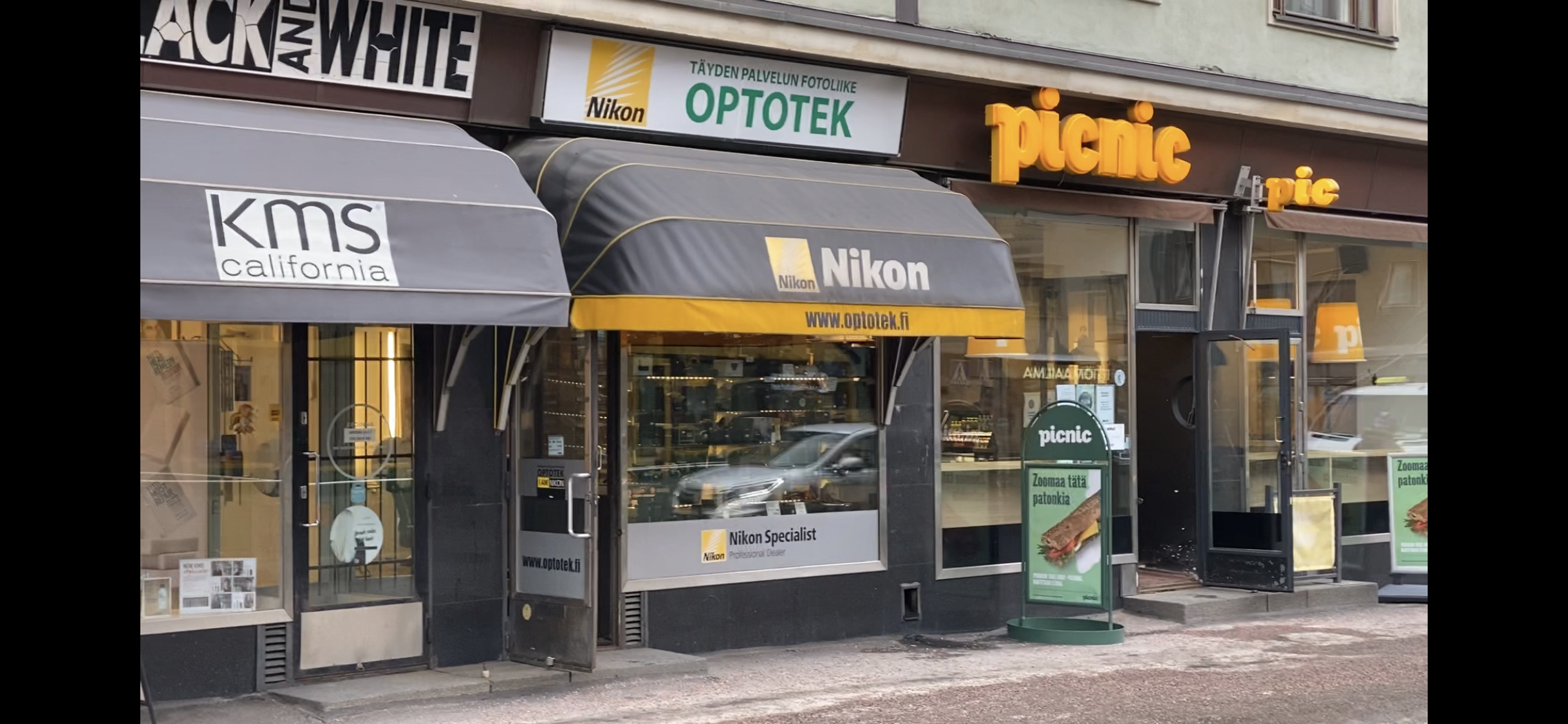
    E-M5 is still a quite capable camera to use. I bought a new one a few weeks ago. There is a camera store Optotek in downtown Helsinki that has some older models still available as new.

    My thoughts about the camera on my latest video.

  • The 4th Annual m4/3 Live Stream is here!

    The 4th Annual m4/3 Live Stream is here!

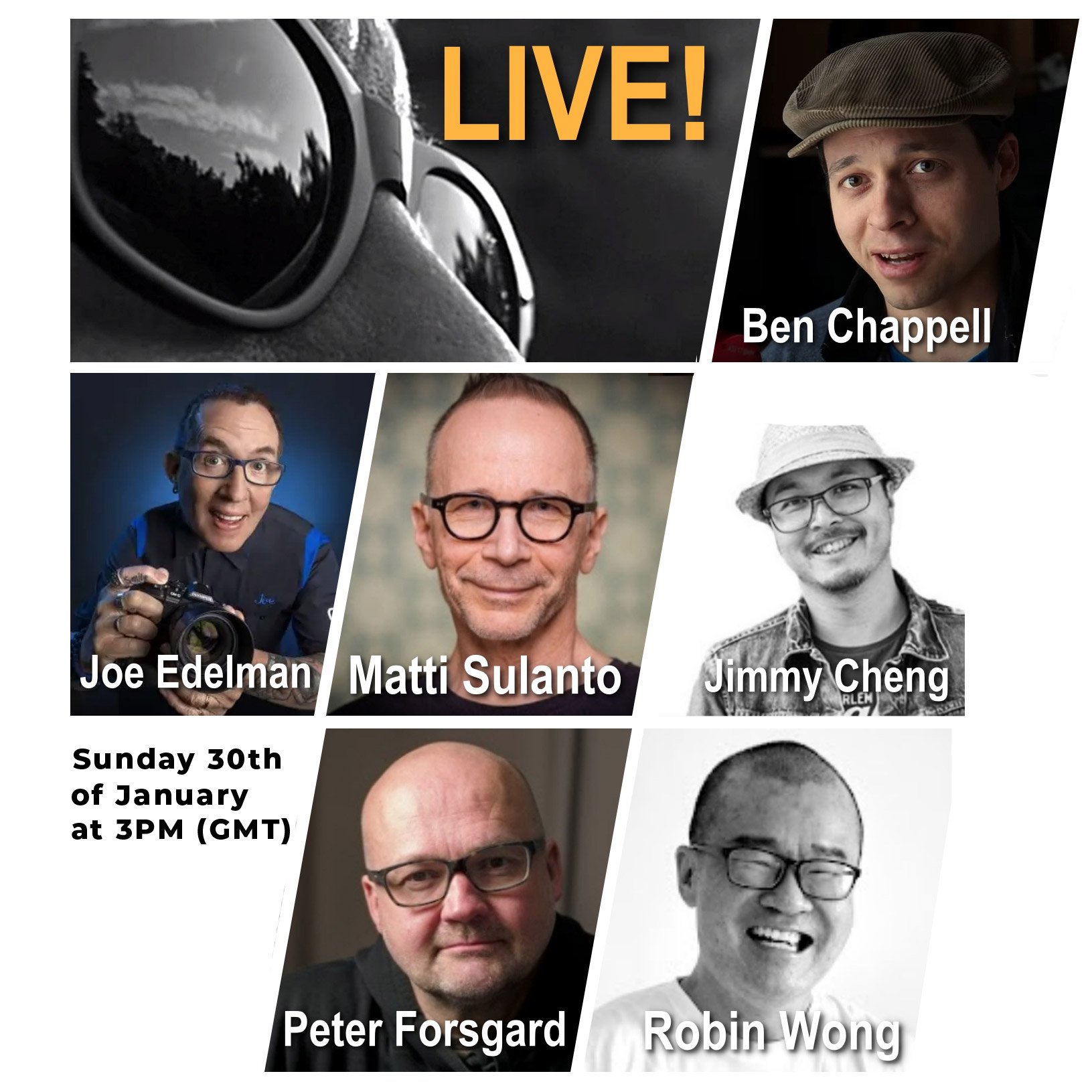
    Rob Trek is hosting the 4th Annual m4/3 Live Stream on Sunday the 30th of January at 3 PM (GMT). I will be joining Rob, Jimmy Cheng (Red35), Matti Sulanto, Ben Chappell (The Narrowband Channel), Robin Wong and Joe Edelman.

    It is going to be exciting. We will discuss the future of m4/3 and of course hat casually about photography. You can watch it from below.

    Really glad that Ben Chappell from The Narrowband Channel is joining too. He has a lot great content about Astrophotography.

  • 52 Assignments: Wide-Angle lenses – What, How and Why?

    52 Assignments has started very well. The first one, Details in Your Surroundings, has taken off quite well. Almost 500 images were posted to my Facebook group.

    Most have also gotten the idea. It is all about starting to photograph more and looking around for new genres and ideas. A great image will follow.

    Week 2: Wide Angle

    Wide Angle lenses are one of those lenses that a photographer needs to have in their toolbox. Wide Angle is also my assignment for you this week. If you do not what 52 Assignments is then watch this video.

    What is a wide-angle lens?

    A lens is considered a wide-angle lens if it is shorter than a normal lens. Normal lens in full-frame is about 50mm, in APS-C around 34mm, and in MFT about 25mm.

    I have listed a few reasons why you might want to use a wide angle lens.

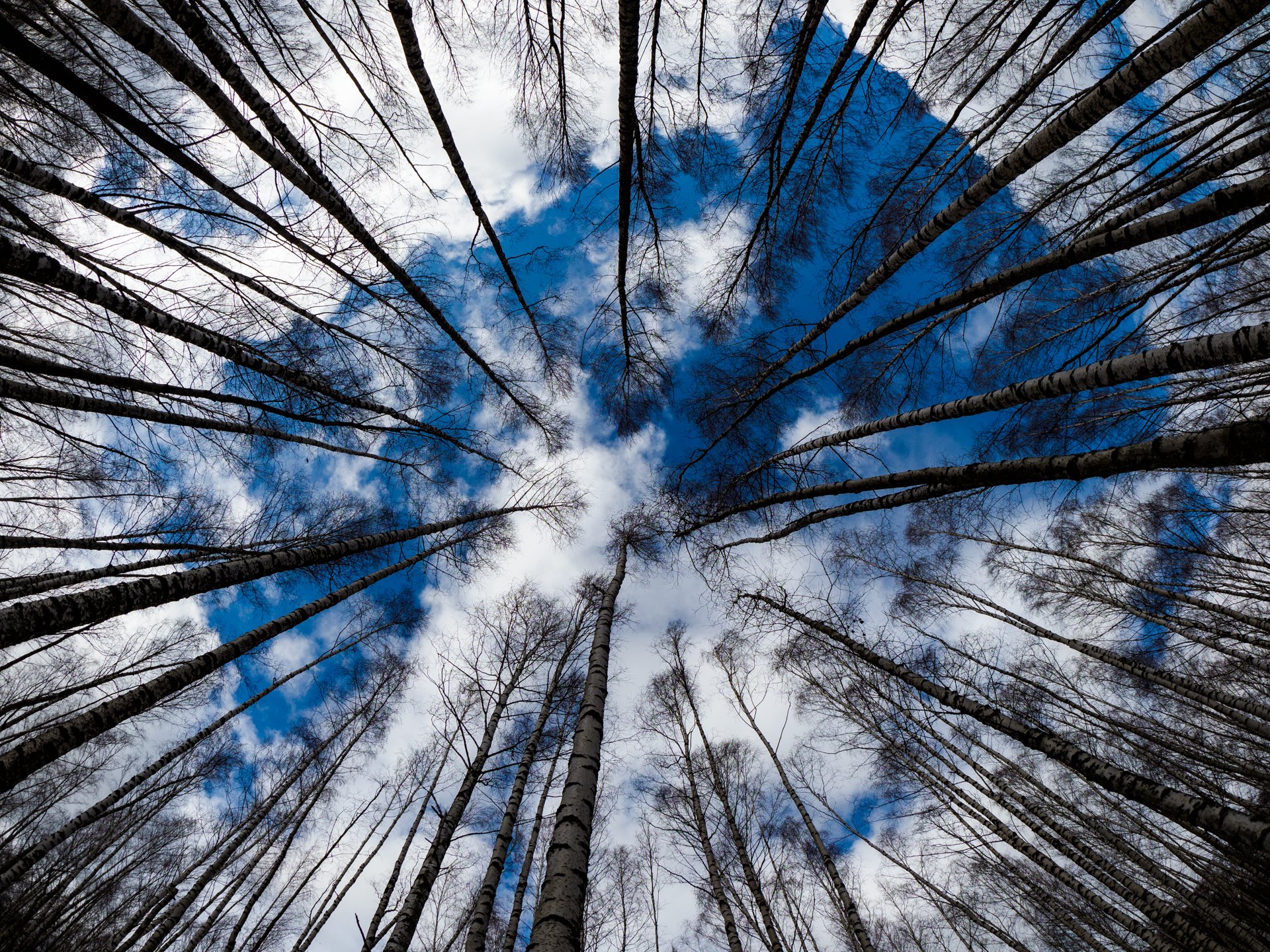
    M.Zuiko 8mm f1.8 Fish-Eye

    1. You need a wider field of view.

    This is most likely the most obvious reason. You are in a tight spot and need wider field of view to include everything in the frame. This applies to indoor and outdoor photography. Especially landscape photographers use a wide-angle lens a lot. Capturing that wide scene in front of you a wide-angle is needed.

    2. You need to give more attention to the foreground

    This is a very good reason to use wide-angle lenses. Usually, also you need something in the foreground to give depth to the image. This has to do with the fact that subjects that are close looks to be bigger. that is also a character of a wide-angle lens.

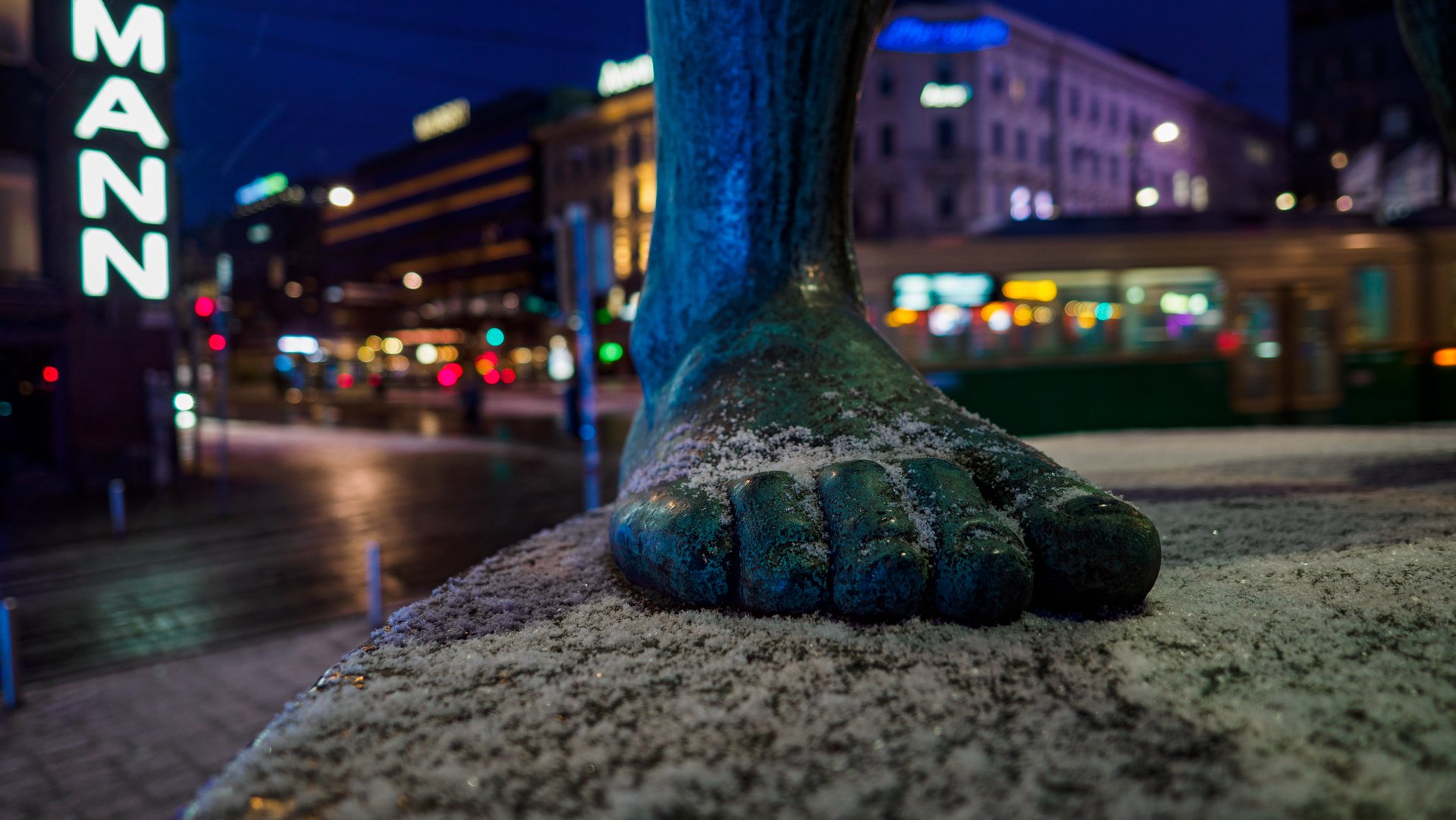
    M.Zuiko 12mm f2.0

    3. Characteristics of a wide-angle lens

    One thing was already mentioned. Objects that are close to the camera seem to be bigger than the ones in the back. A wide-angle makes close objects bigger.

    The second thing is that the depth of field is bigger than with longer lenses. Getting very shallow depth of field with a wide-angle lens you need to be really close. Separating the subject from the background is harder. In most cases, you need other methods, like light and shadow, color contrast, etc.

    If the field of view is very big then there might some distortion. That can be corrected and at least Olympus cameras have a correction formula built-in. But distortion can be a problem if you want all the lines to be straight.

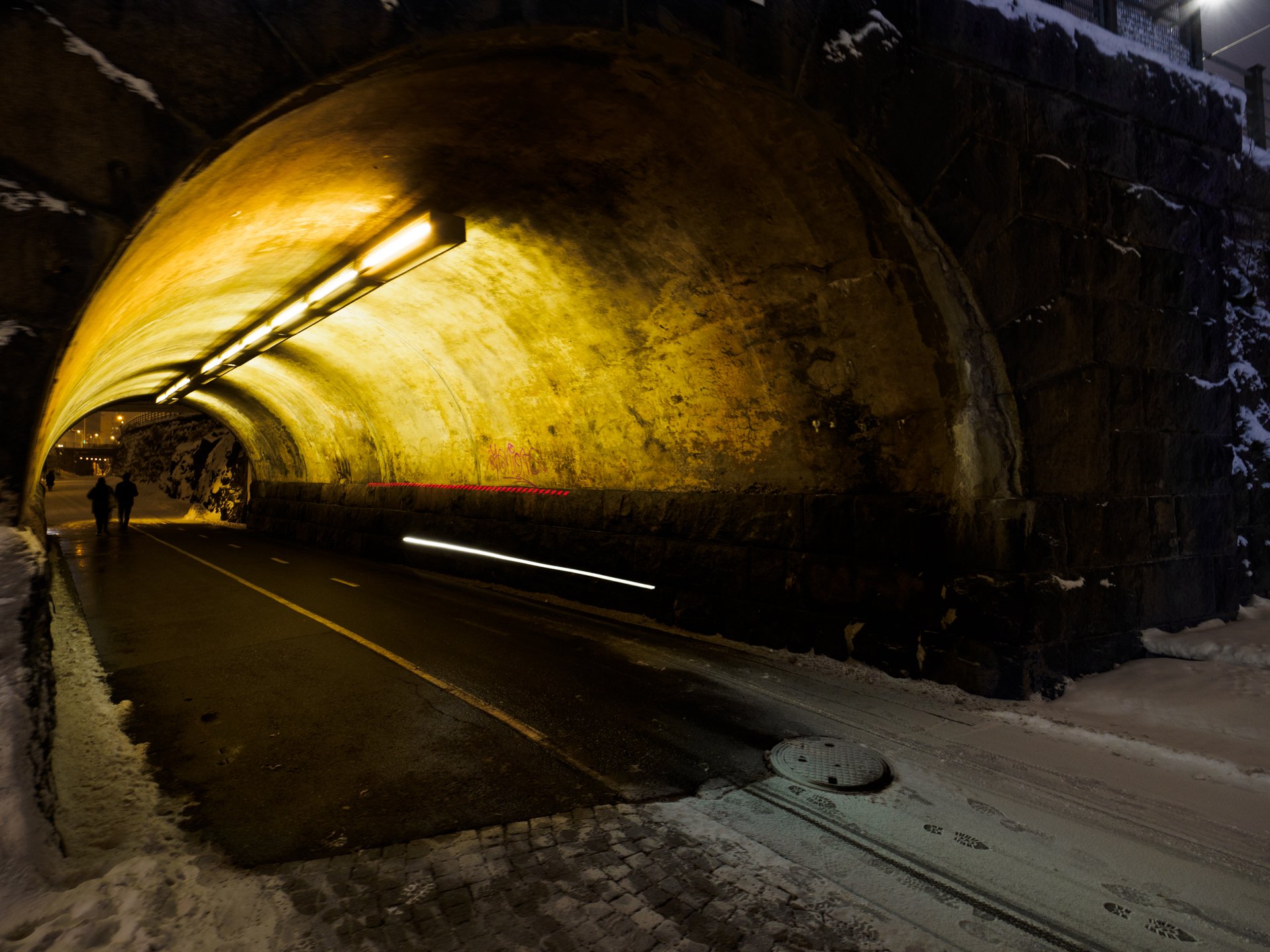
    M.Zuiko 8-25mm f4.0 Pro

    4. Tips on how to use a wide-angle

    Try to have a visual anchor in the frame. A visual anchor is an object that catches our eye. It is very important to have a visual anchor in your image and it is extra critical to have them in an image made with a wide-angle lens.

    Try to have the camera leveled so that vertical lines are straight. Of course, tilting the camera can make a great effect too. The most important thing is to know how a wide-angle lens behaves.

    More info about it from the video.

    I hope this helps you in this weeks assignment which is wide angle. More info about the lens type from the video below.