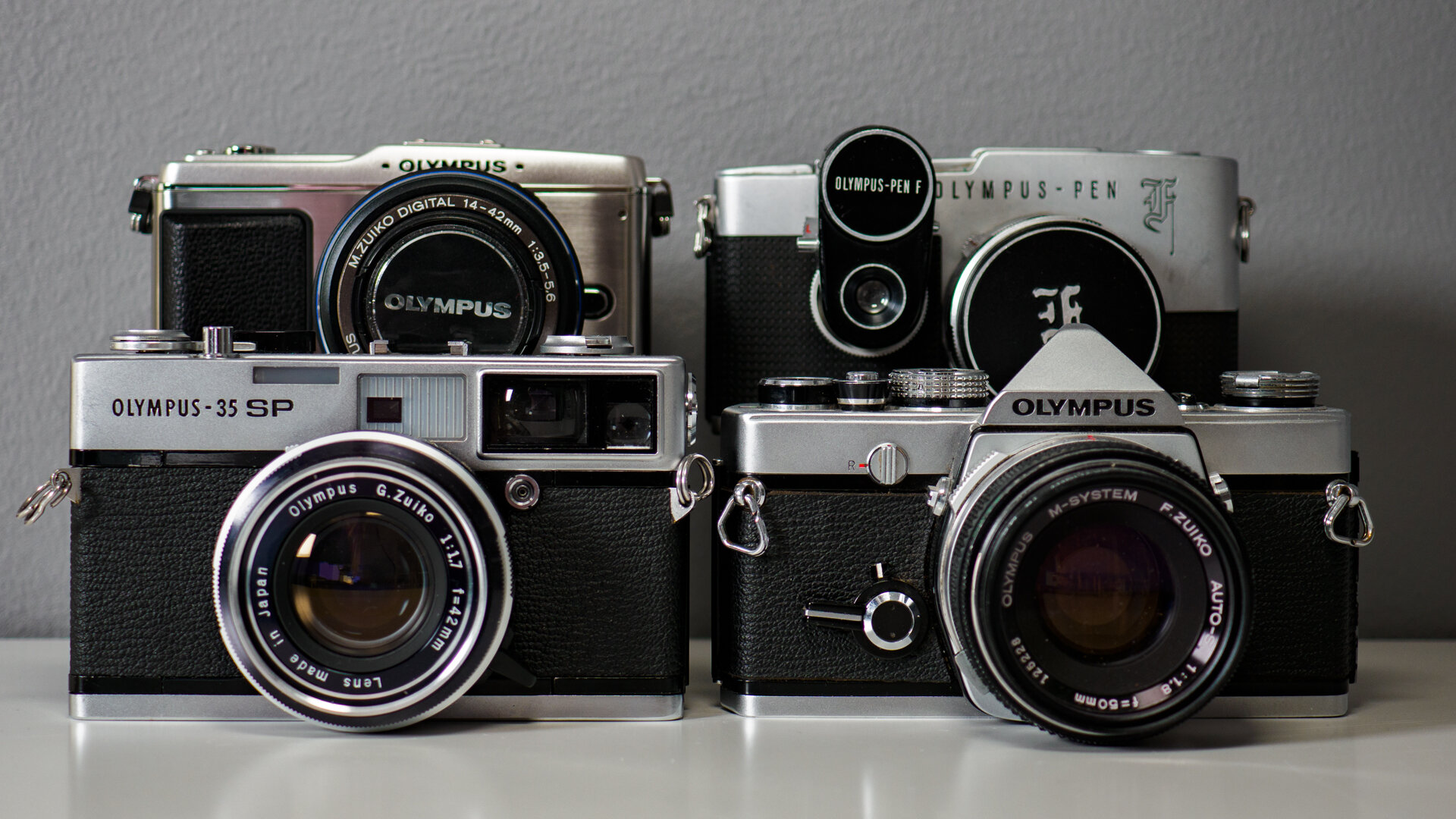
In my latest video about Wide-Angle photography I gave you an assignment.
I want you to send me a photograph that was taken with a wide-angle lens. Watch the video to learn some tips and tricks about how to get the best out of your wide-angel lens.
Submission time has ended. I have these assignments every month. Follow my YouTube videos so that you do not miss any of these.
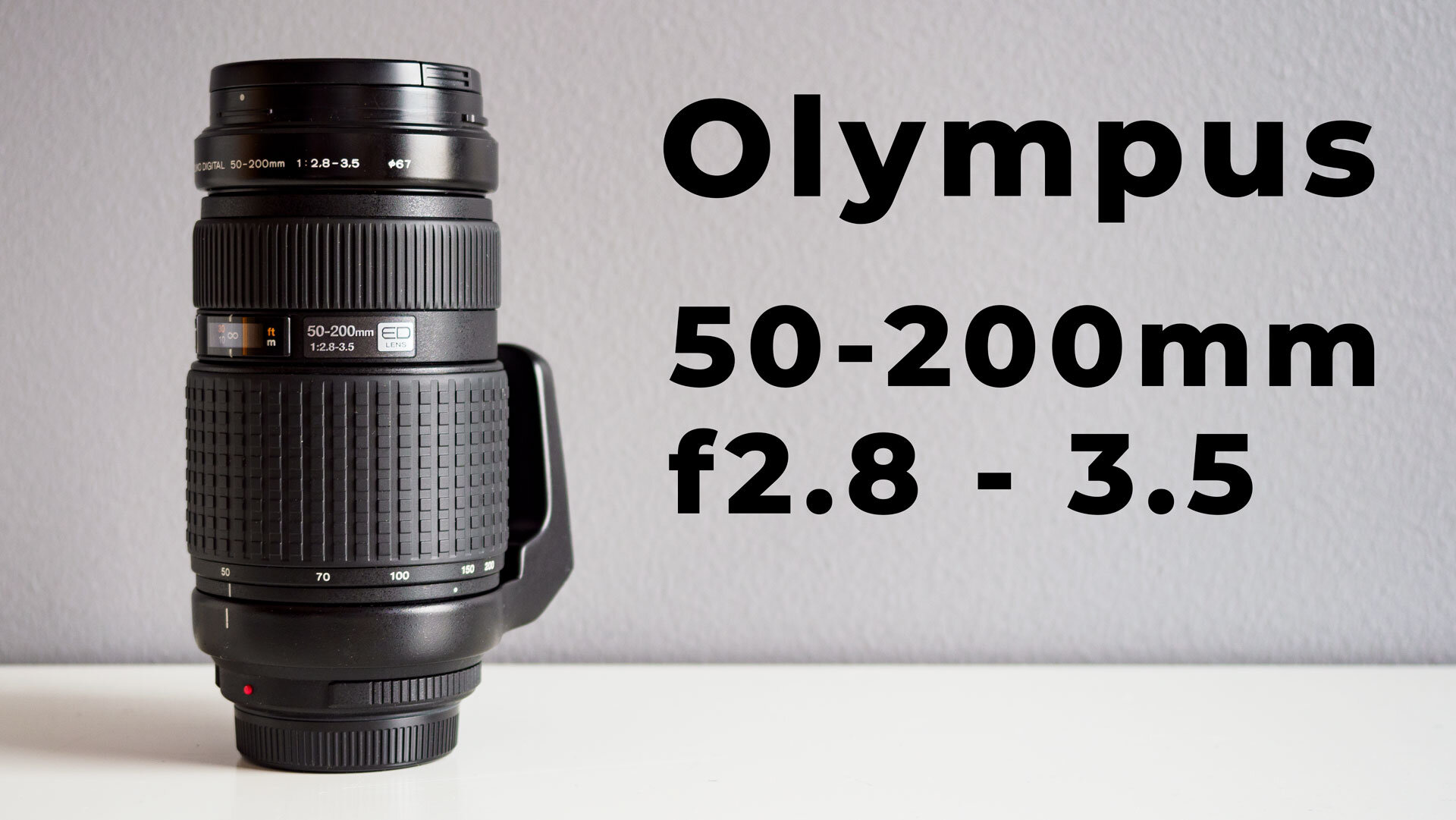
I bought myself a Four-Thirds lens. It is the 50-200mm f2.8 – 3.5. It is not the SWD-version of that lens. Mine is the original from 2003. I have never had Four-Thirds lenses before and was curios how they perform with a m4/3 body.
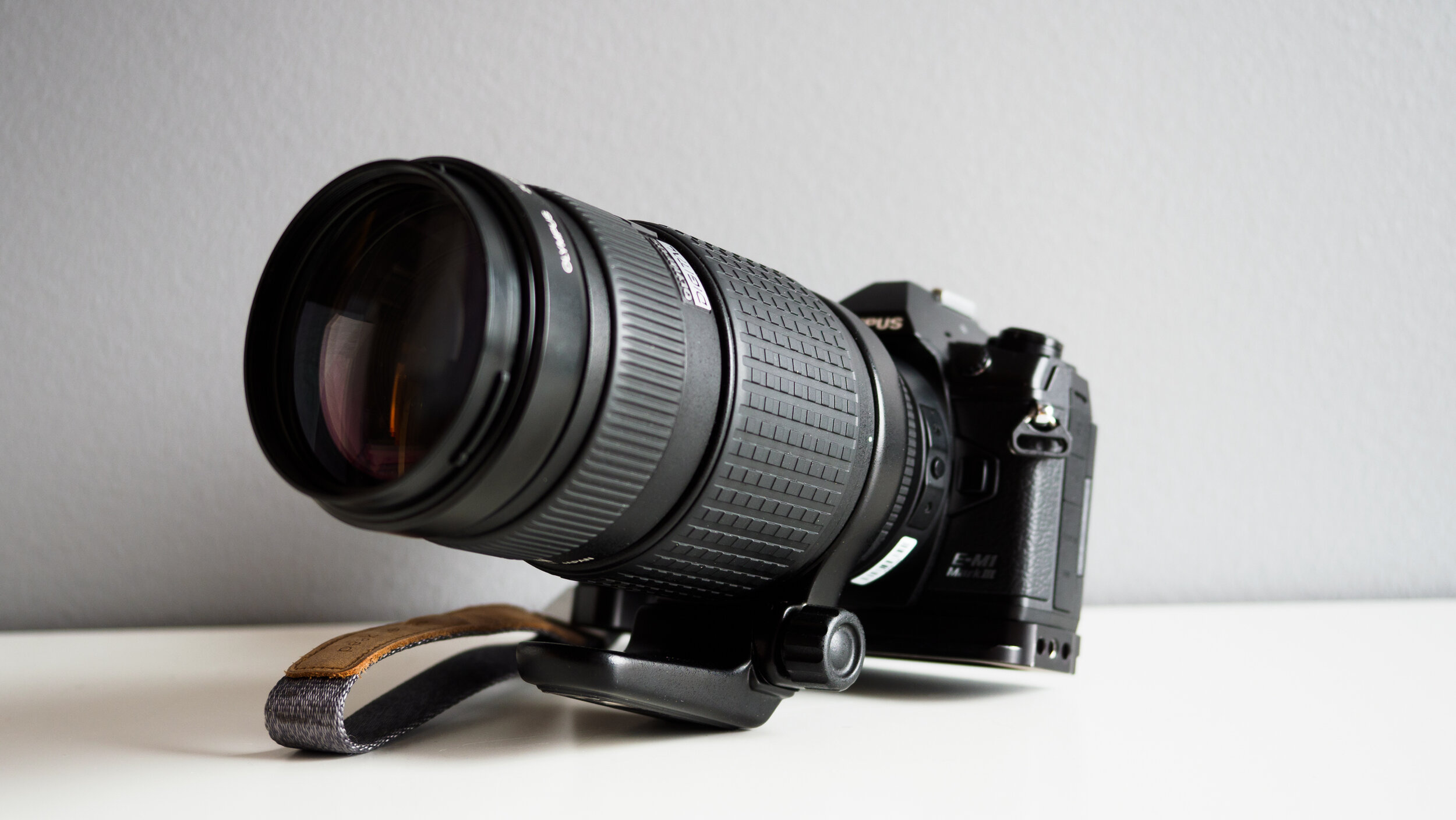
E-M1 MKIII and Zuiko 50-200mm f2.8 – 3.5 lens.
The mount is different and an adapter is needed. I also bought the MMF-3 from Kamerastore. They have a lot of used camera gear.
My biggest concern was the AF-speed. That is a thing to consider if you have to use an adapter between the lens and the body.
With a camera that has Phase Detection AF, it works ok. It is not the fastest, but it can be used without too much frustration. As you see from the video below that bird photography can be done. I was very happy with the overall performance.
Now that the production, service, marketing, and sale of Olympus has been transferred to OM Digital Solutions is a good time to look back.
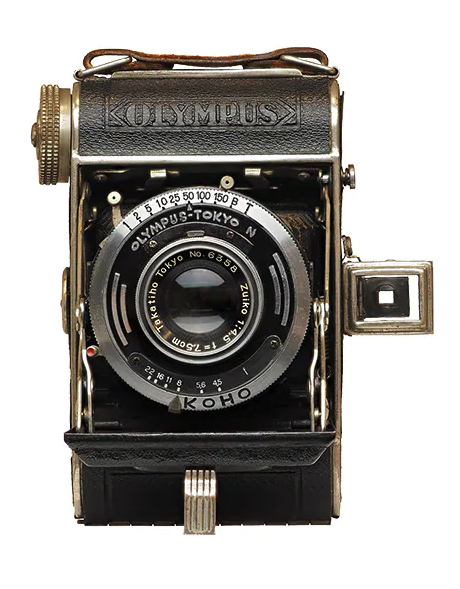
Semi-Olympus I
Semi-Olympus I, 1936
Olympus corporation started to make cameras in 1936. The first camera was Semi-Olympus I. It had a Zuiko lens.
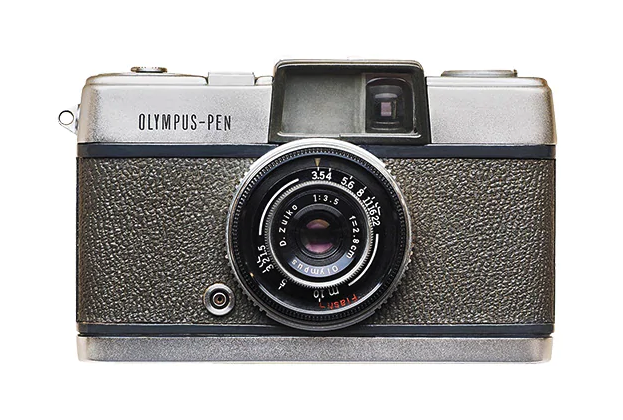
Olympus Pen
Olympus Pen, 1959
That was the start. The next big thing was when Olympus hired Yoshihisa Maitani who became one of the legends of camera design. His first design was Olympus Pen. It was meant to be a simple camera that one could use. It was a huge success.
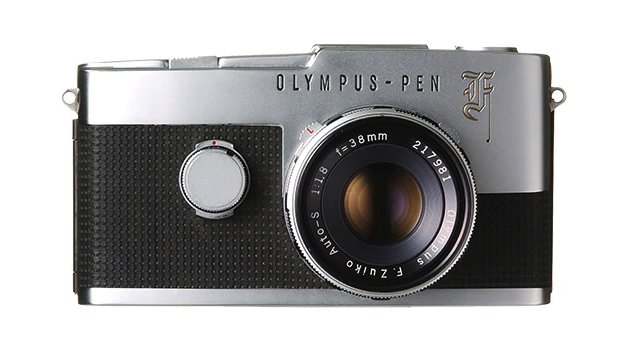
Olympus Pen-F
Olympus Pen-F
The next camera that is worth mentioning is Pen-F, the half-frame SLR. It was the first of its kind but was no success. Pen-F also has its digital version that was launched in 2016. It is also a great camera, but what I have heard not a commercial success either. I personally think Pen-F is something the new company should think about and launch an MKII version of it. It is a great camera for street photography.
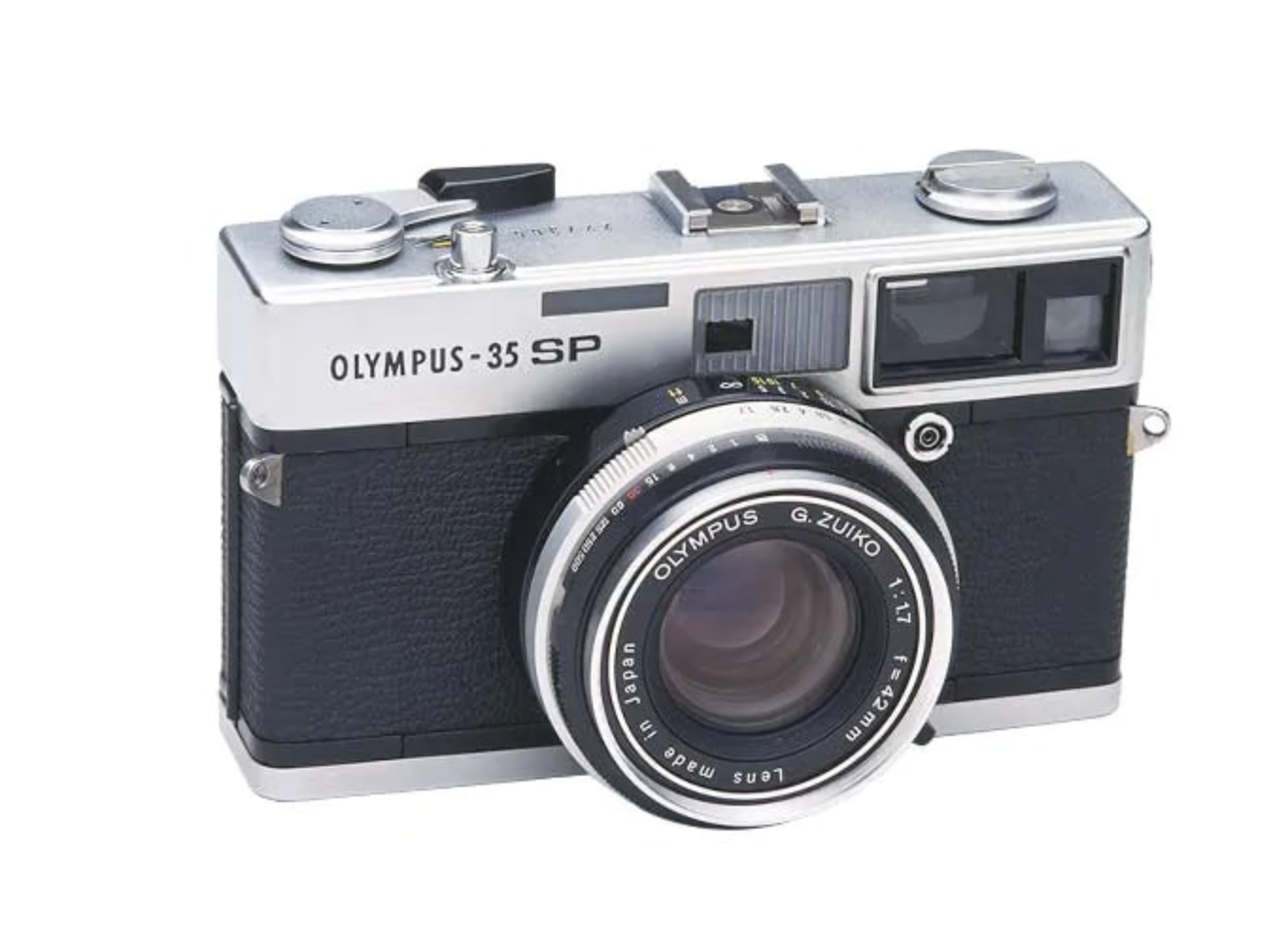
Olympus 35SP
Olympus 35SP
One of my favorite cameras from Olympus is the 35SP. It has a superb lens. G.Zuiko 42mm f1.7. It also has a very good metering system. It was so good that even Ansel Adams had a 35SP. It was also the first camera to have both a regular light metering system and spot metering.
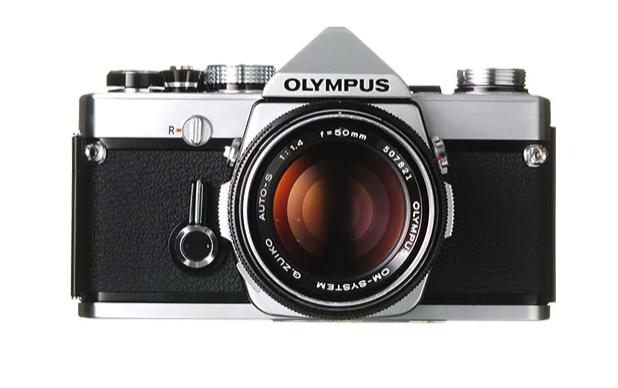
Olympus OM-1
Olympus OM-1
The first SLR from Olympus was the M-1. Its name was changed to OM-1. Leica did not like that Olympus used M-1 because they already had that name. The M comes from Maitani and the O is of course Olympus. OM-1 was the smallest and lightest SLR of its time. It was again one of Maintaini’s masterpieces.
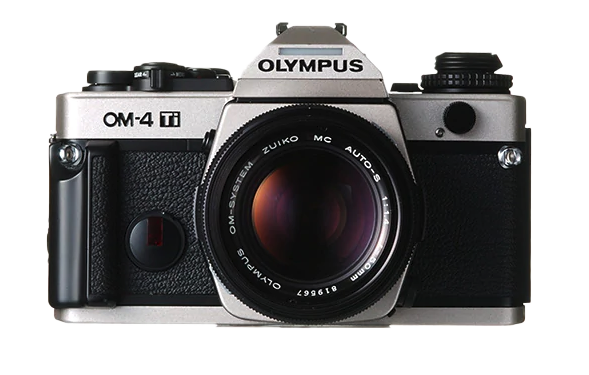
Olympus OM-4 Ti
Olympus OM-4 Ti
The next great OM-series camera was OM-4Ti. It was launched in 1986. It was the first focal plane shutter that allows full speed flash sync. It also appeared in the opening scene of the James Bond movie – Licence to Kill.
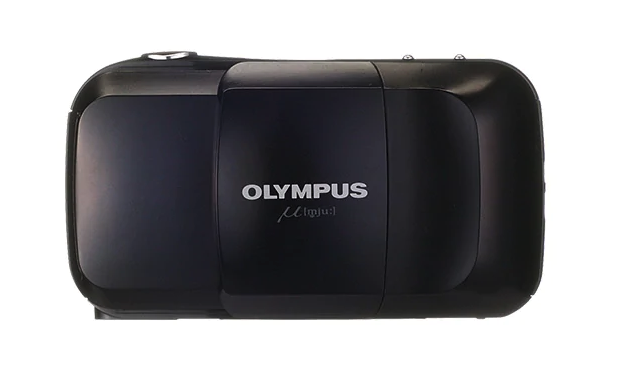
Olympus Mju
Olympus Mju
The best selling Olympus camera was Mju. It sold over 5 million pieces. It was a beautiful small compact camera. It is also the first Olympus camera I have ever bought.
Digital Era
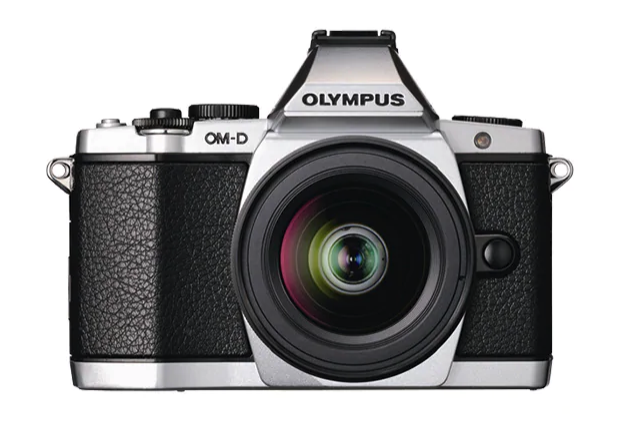
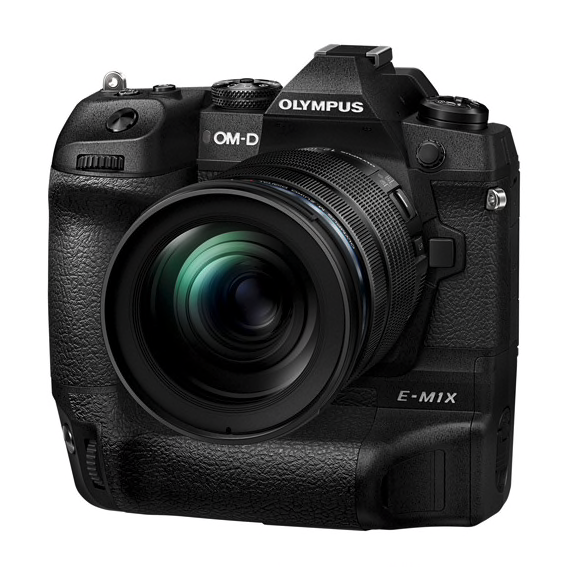
The digital era has not been the best of times for Olympus. They made still some great cameras, like the Camedia E-10. Of course, the E-M5 was a revolutionary camera, and the ones that followed, the E-M1-series particularly.
Olympus E-M5
Olympus has always been innovative. There are a lot of things that they have invented or made a lot better. The first 5-axis IBIS was in an Olympus camera. Olympus also had the first sensor cleaning system. The first 4/3 camera, E-1 had a weather-sealed body.
Olympus OM-D E-M1X
It will be interesting to see what the future brings us.
Below this text there are two videos about the history of Olympus that can be found in my YouTube channel.
You can find some more about Olympus cameras from their camera museum page. It is in Japanese, but Google Translate will help.