


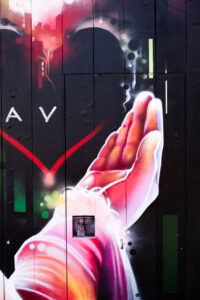
Live Composite is a very exciting feature in Olympus OM-D cameras. I wrote an article about it in Olympus Passion online magazine. It helps you to get started.
Live Composite.
-
Live Composite, have you tried it yet?
-
Is analog back?
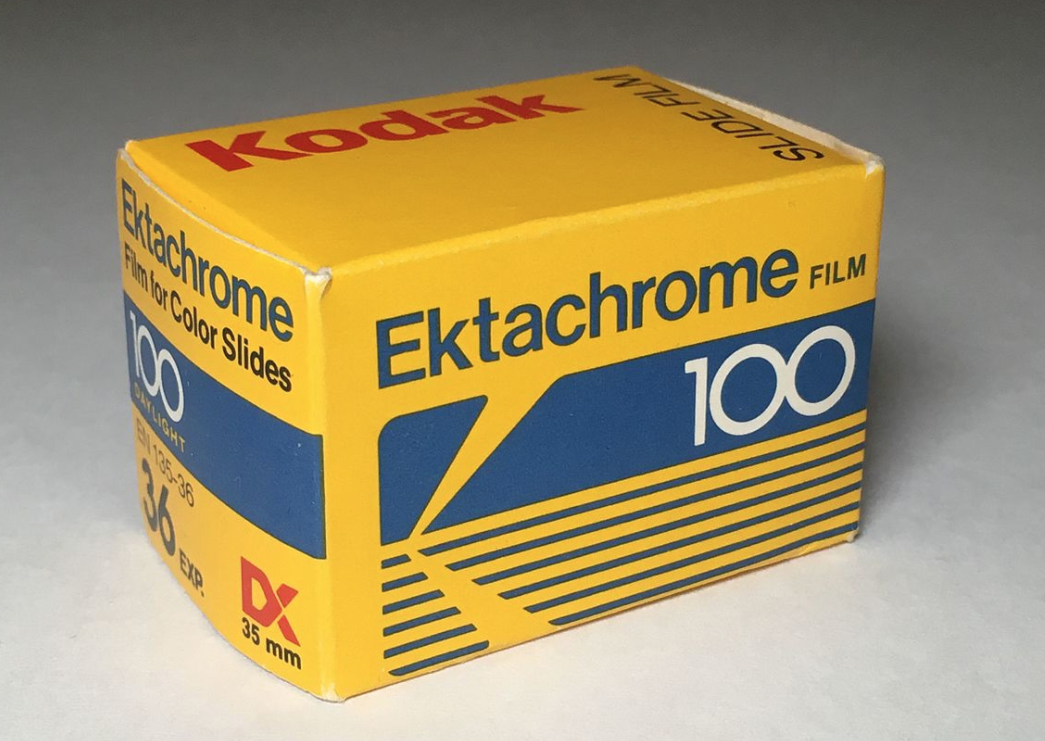
Kodak relaunch 35mm Ektachrome film. The reason is that the film sales have gone up in the recent years. Analog is coming back, well at least a little bit.
I have been a photographer since 1989. I have no intensions to shoot film. I did that in all forms for many years. Besides that I am not a dark room fan. To me Lightroom is a lot more fun. Editing can be done anywhere and it does not smell that bad. For me who was not very good in the dark room the possibilities with digital are far more bigger.
I don´t think that 35mm slide film gives any advantages. Quality in digital is superior compared to 35mm film. Most people want their photos digitally anyway, so why shoot film and scan?
I am not saying that there is no room for film. Of course the old methods, wet plate and such has its place. Also B&W if the whole process is done in a dark room. Large format is also a valid reason to shoot film. It gives the extra quality that DSLRs cannot give.
For some the feeling of nostalgy is a thing. I think this is the real reason for the rise of analog and there is nothing wrong with that
Then there is the discussion of the costs. I shot around 16.000 images last year. I calculated the costs if I had shot all in film. I most likely would have shot most of the images on Fuji Velvia. The film I used before going 100% digital in 2002 (I think it was 2002).
16.000 images is about 445 36 frame rolls. The cost of the film would have been about 7.565€ euros. Of course those films had to be processed. the lowest price I could find was 5,50€ a roll. That would sum up to be around 2.447€. The total cost would have been just about 10.000€. Naturally that cost would have been on the bill as material costs.
What about the cost of digital? Lets say that you bought 10.000€ worth of gear. Of course also that cost should be in the invoice some how. Maybe its not marked as a material cost, but some way it has to be baked in the the final cost of your shoot.
What this means is that if you plan to pay the gear back in a year, you can invest 10.000€ every year on gear. If the pay back time is two years, you earn 5.000€ more per year or clients gets your services cheaper and they save 5.000€ a year.
One might argue that the cost of computers must be aded. Yes, and they are right. I didi have a computer almost ten years before turning to digital photography. The cost was there already. The only thing is that I need a more powerful computer and they are more expensive. The difference in the price of a laptop that can handle office needs vs. computer for editing pictures is the cost that must be taken in to considerations.
This was a simplyfied calculation but gives an idea about the cost of film vs. digital.Disclamer: I am a photographer that shoots 100% digital and my native language is Finnish.
Picture: By Thistle33 (Own work) [CC BY-SA 4.0 (http://creativecommons.org/licenses/by-sa/4.0)], via Wikimedia Commons
-
Some thoughts on my new Olympus LS-100 audio recorder.
I have been shooting videos for clients since 2008. That was the year when DSLR video revolution started. The biggest learning curve has been the audio. As we all know crappy picture might be ok, but no one will listen to bad audio. I have been a pro photographer and a free lance for 30 years. Audio has not been one of my expertise. But with reading, watching YouTube I have managed to learn how to record a good audio for the videos I shoot.
I have always used an external recorder since the audio on small cameras is not so good. The camera audio is great for syncing.
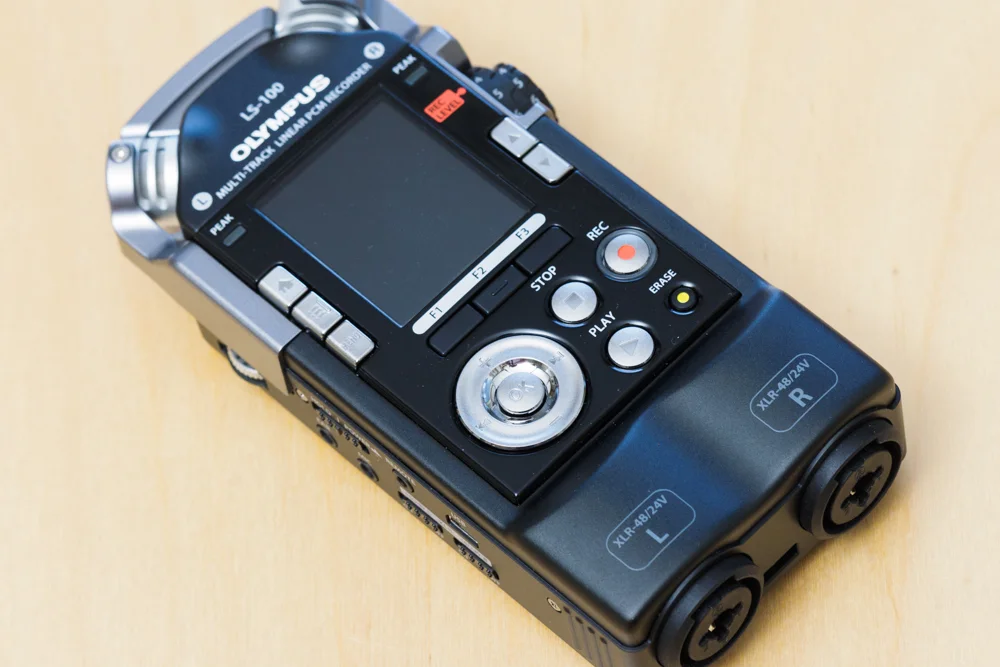
Olympus LS-100 Multi-Track PCM Recorder A week ago I upgraded my external recorder to Olympus LS-100. Its a multitrack recorder. Its a bit over kill for me. I mostly record interviews and speech. But its always good to have the best possible solution and I think that LS-100 is just that for me.
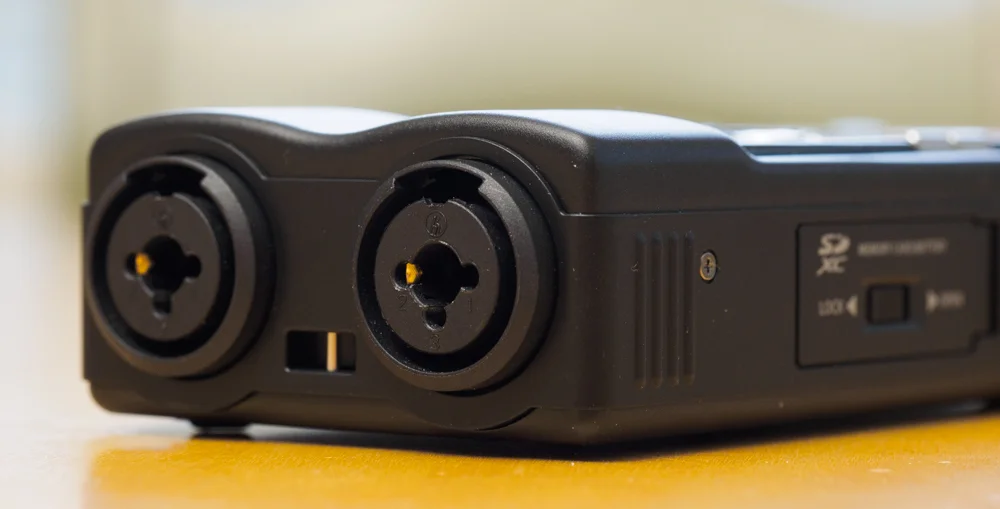
LS-100 has two XLR-inputs with phantom power. Phantom power can be switched off. Both inputs can be adjusted independly. Thats great for location interviews. One input is for the lav mic and the other for ambient sound mic. Top of that I will be using one mic that is connected to the camera for reference sound. That audio is used for audio sync.
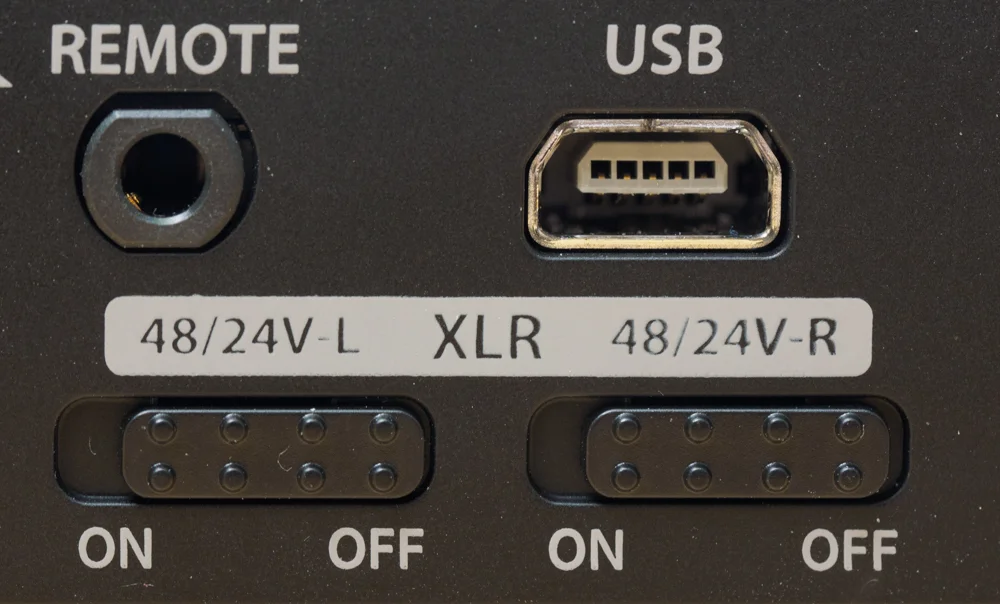
LS-100 has also an input for 3,5mm plug microphones. It also has two internal mics.
LS-100 has a 4GB internal memory. That is very handy. Its a good for saving the situation if for some reason one forgets SD-cards behind. Yes, that has happend to me once. The recording media can be chosen from the menu. It would be great if there was an option to use both recording medias at the same time. There would always be a back up if something went wrong with SD-card.
The recorder feels very good and its well build. In the back there is also a standard tripod mount screw, so the LS-100 can be easily mounted on a rig. It uses a battery, but can be powered with the AC using the USB port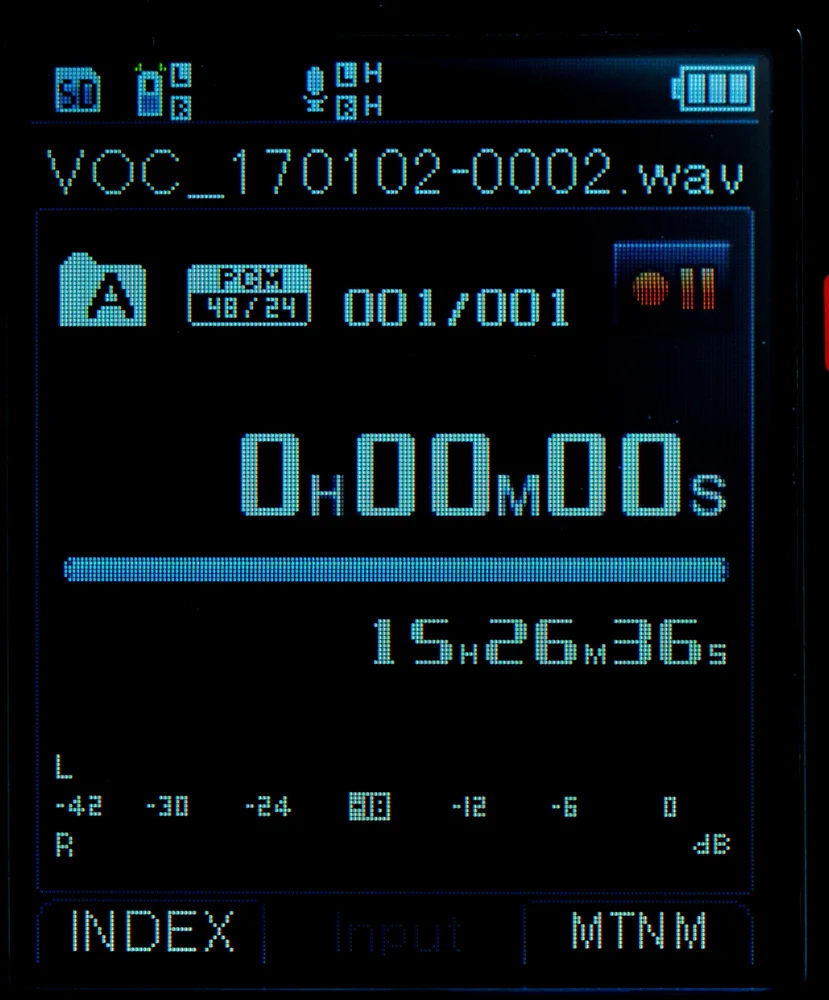
LS-100 has a color LCD. Technical details can be found here. I will blog more later about LS-100 after I have used it more.
Disclamer
I am Olympus European Visionary and my native language is Finnish.