Category: Gear

  • The Art of Lomomatic 110 Photography

    The Art of Lomomatic 110 Photography

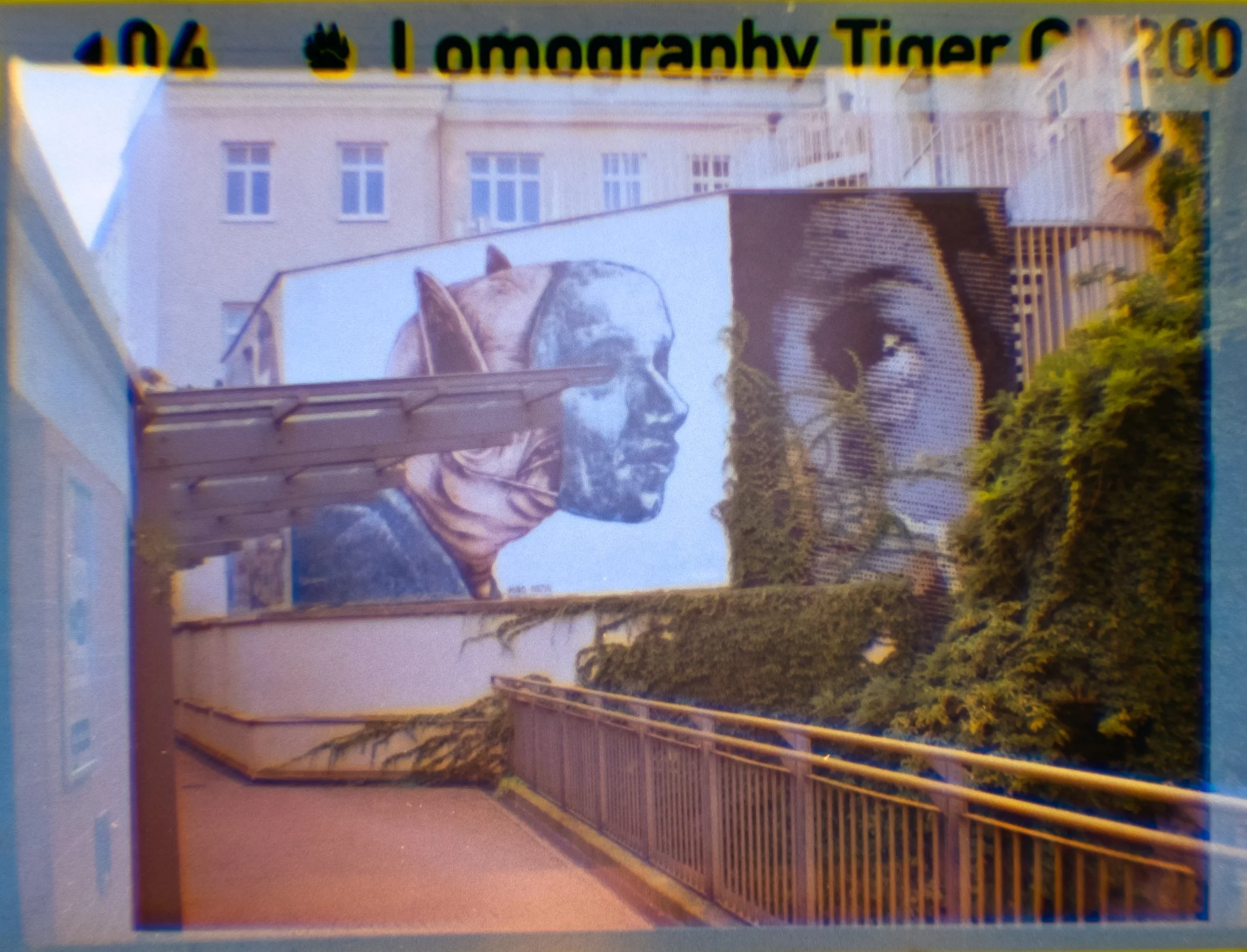
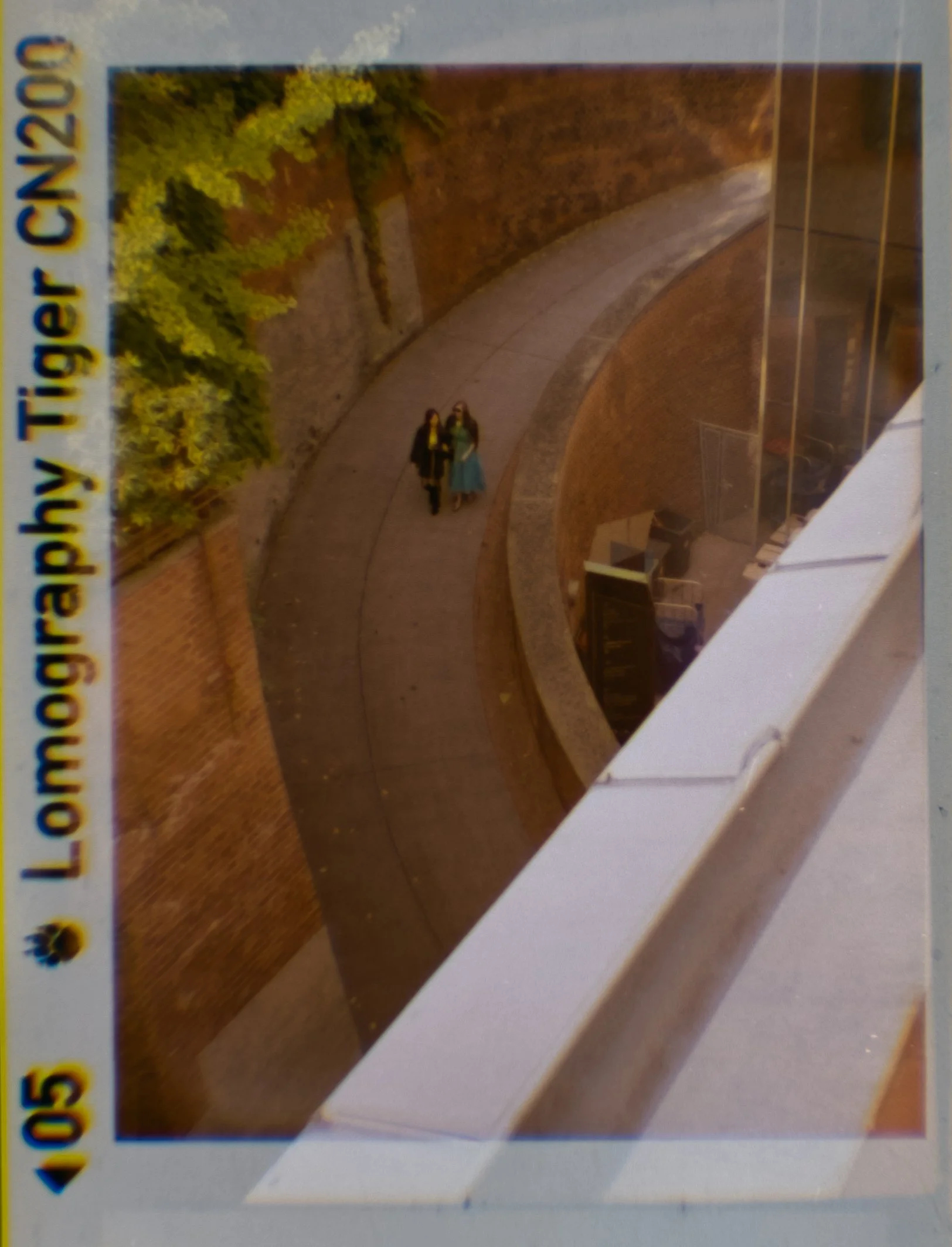
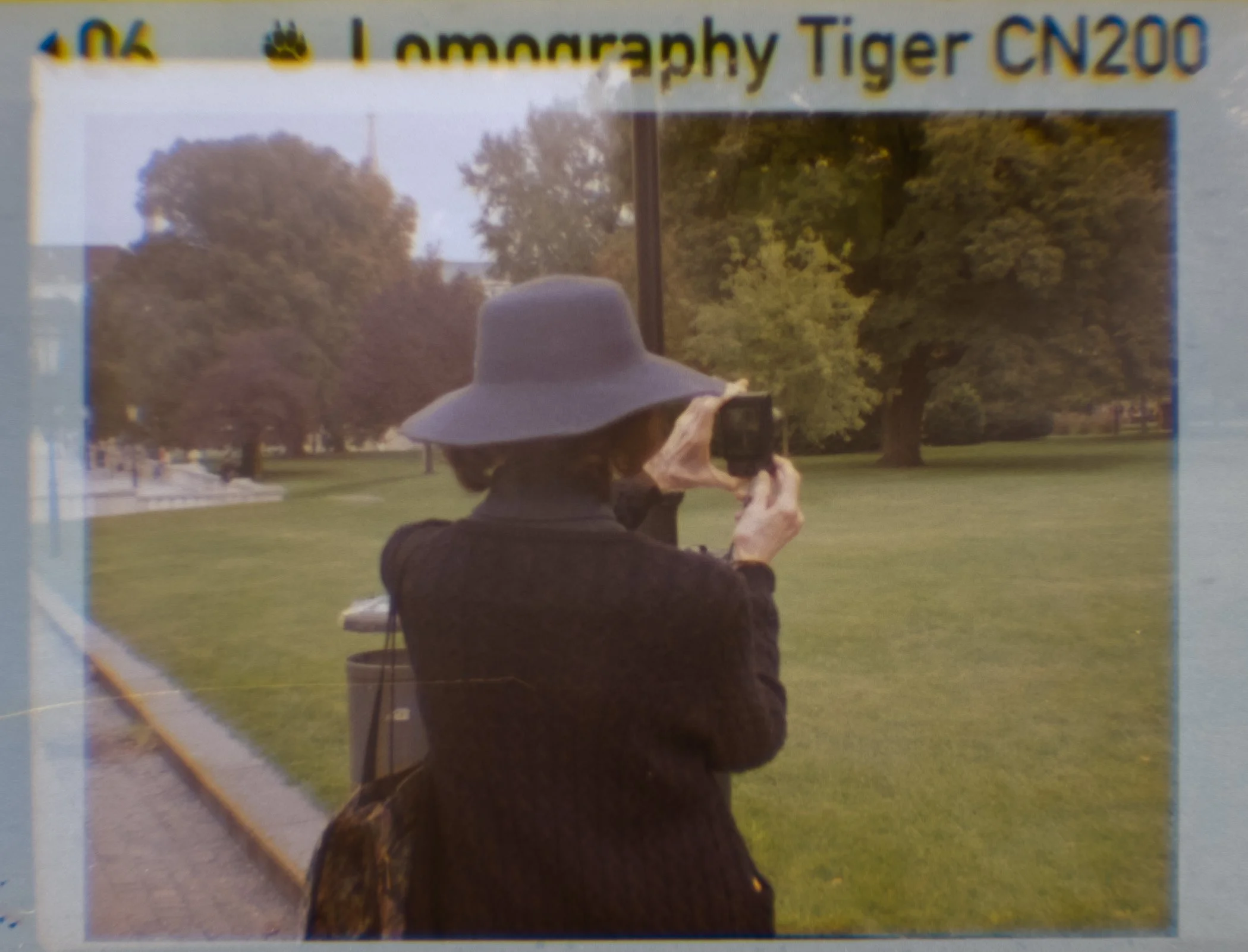
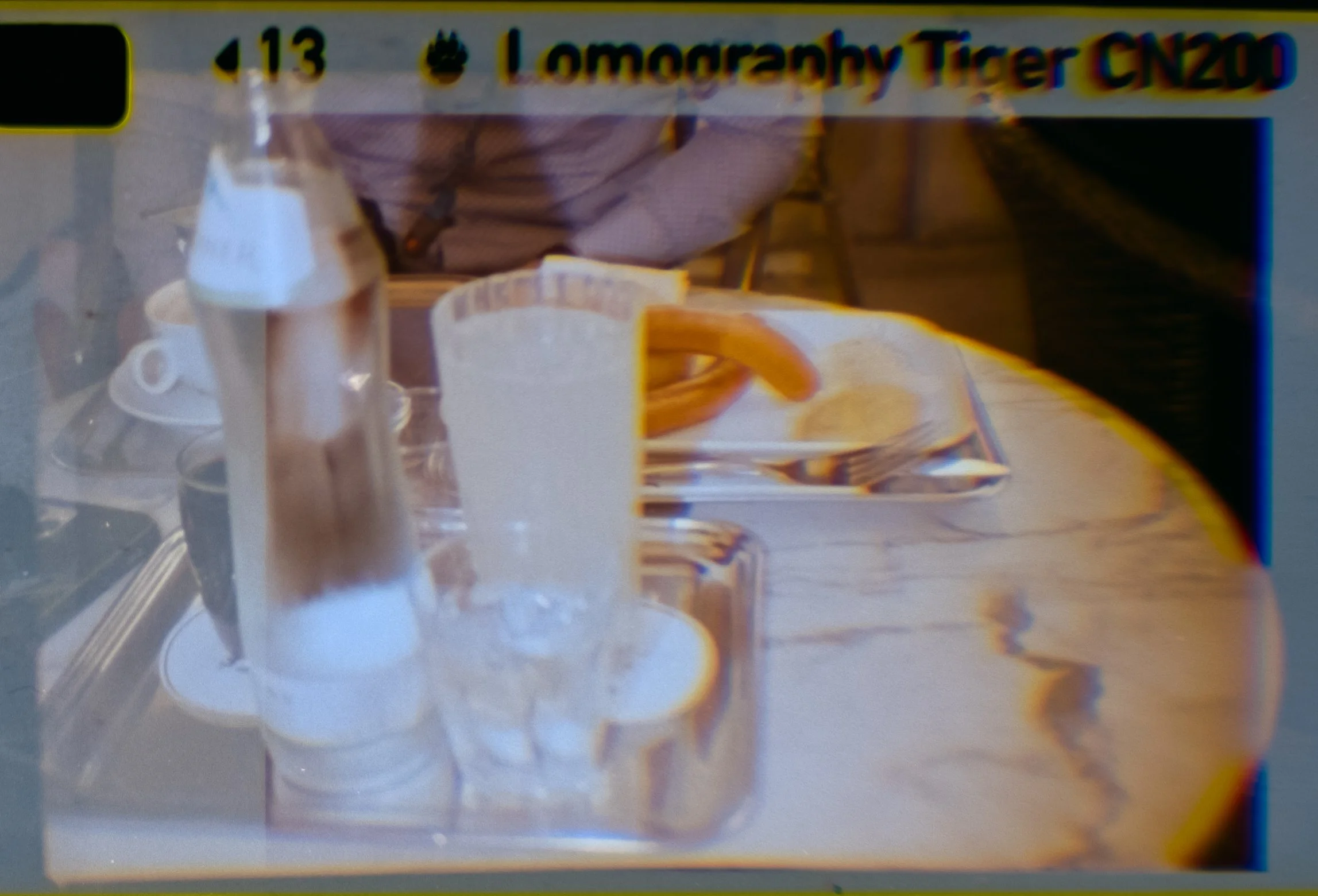
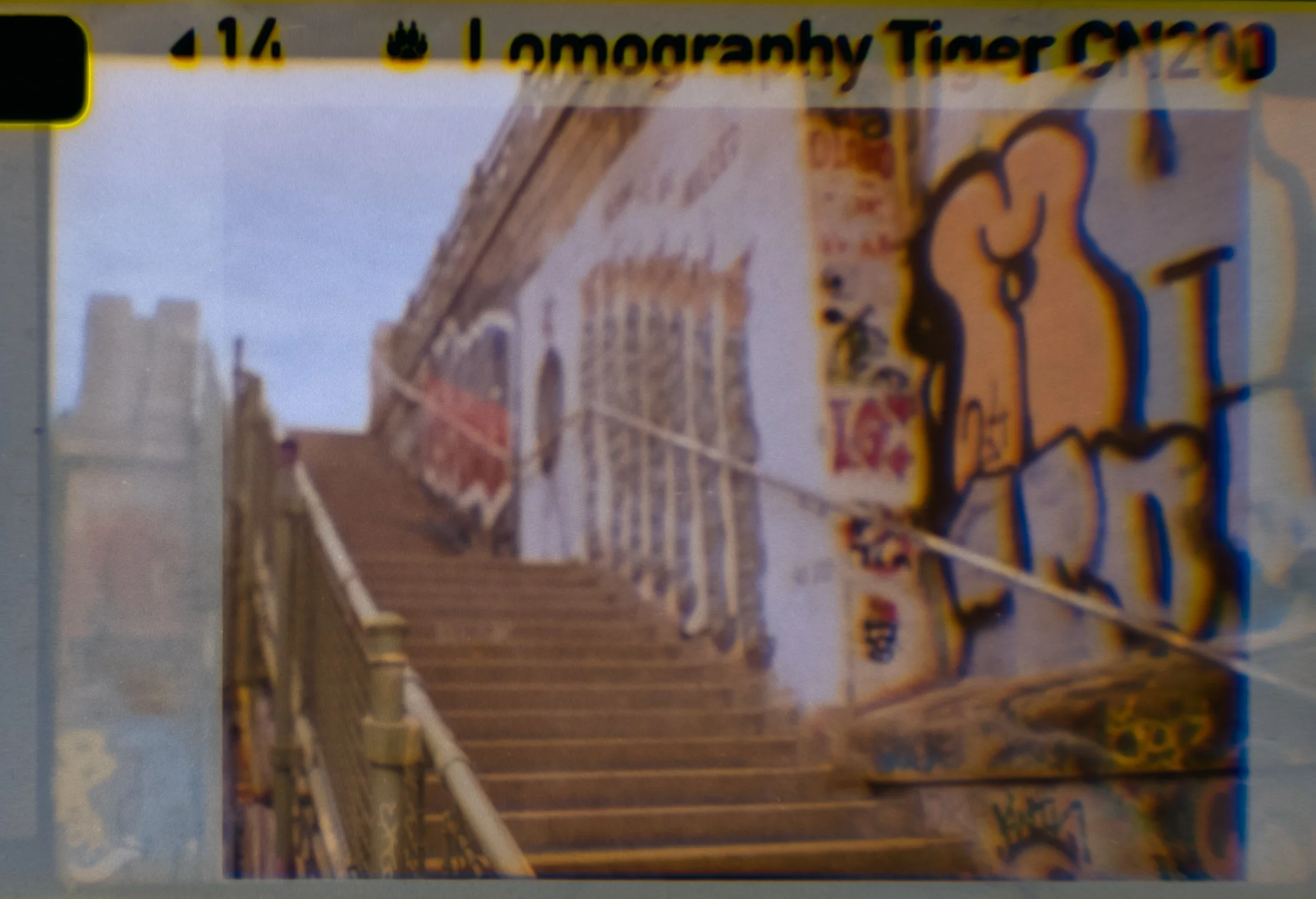
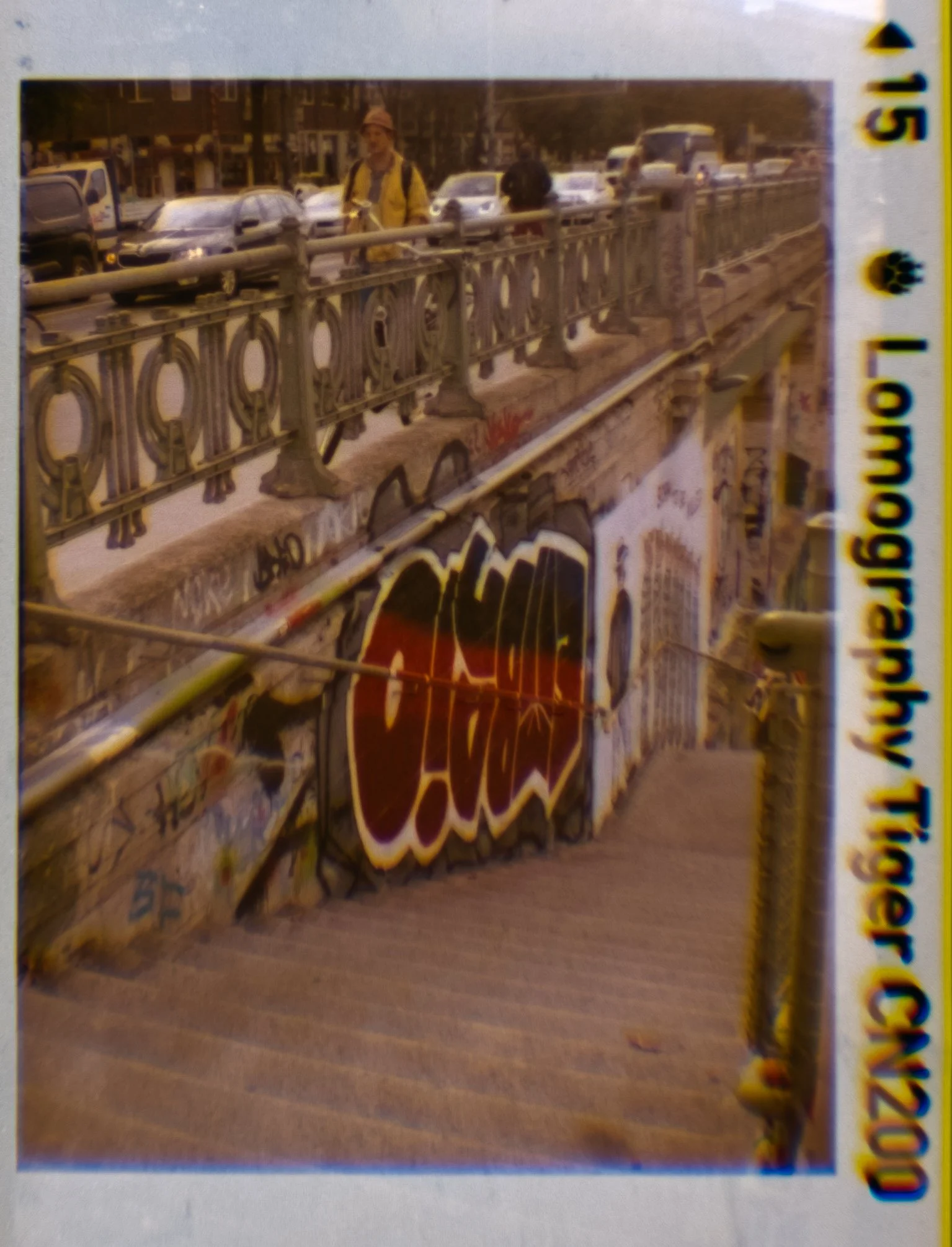
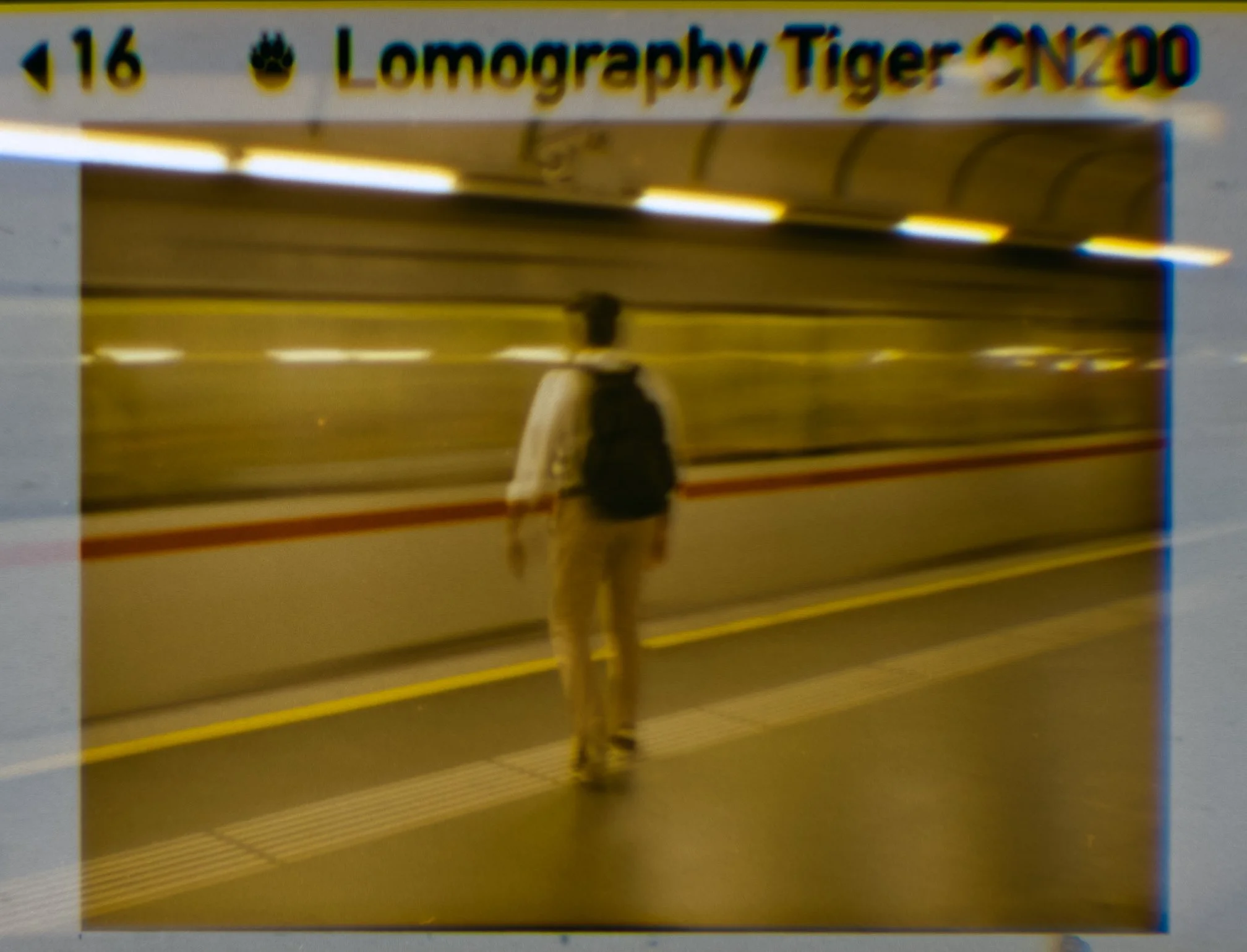
    I explored the vibrant streets of Vienna with a unique camera. I embarked on a photographic adventure that combined nostalgia with modern creativity.

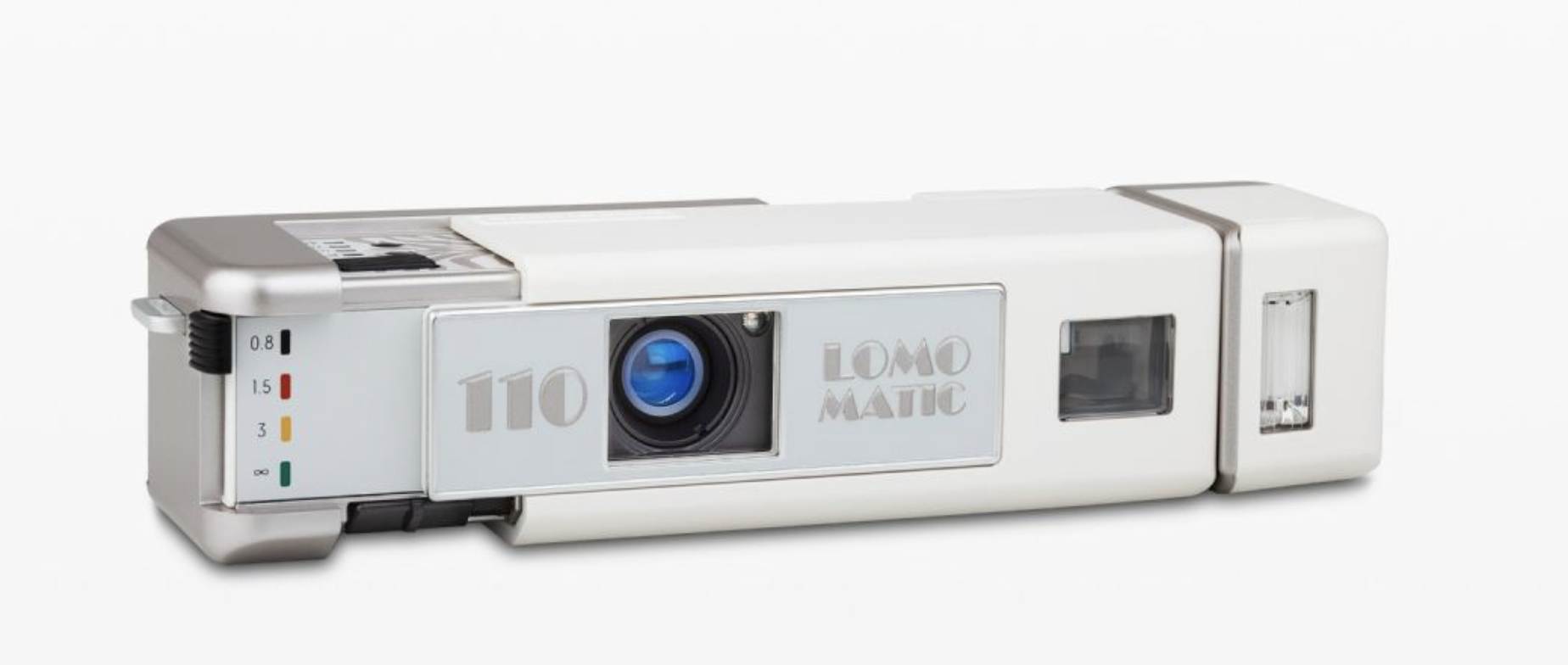
    The Lomomatic 110 Camera, a recent release by Lomo, offers a blend of vintage charm and contemporary design.

    The Lomomatic 110 Zebra Camera
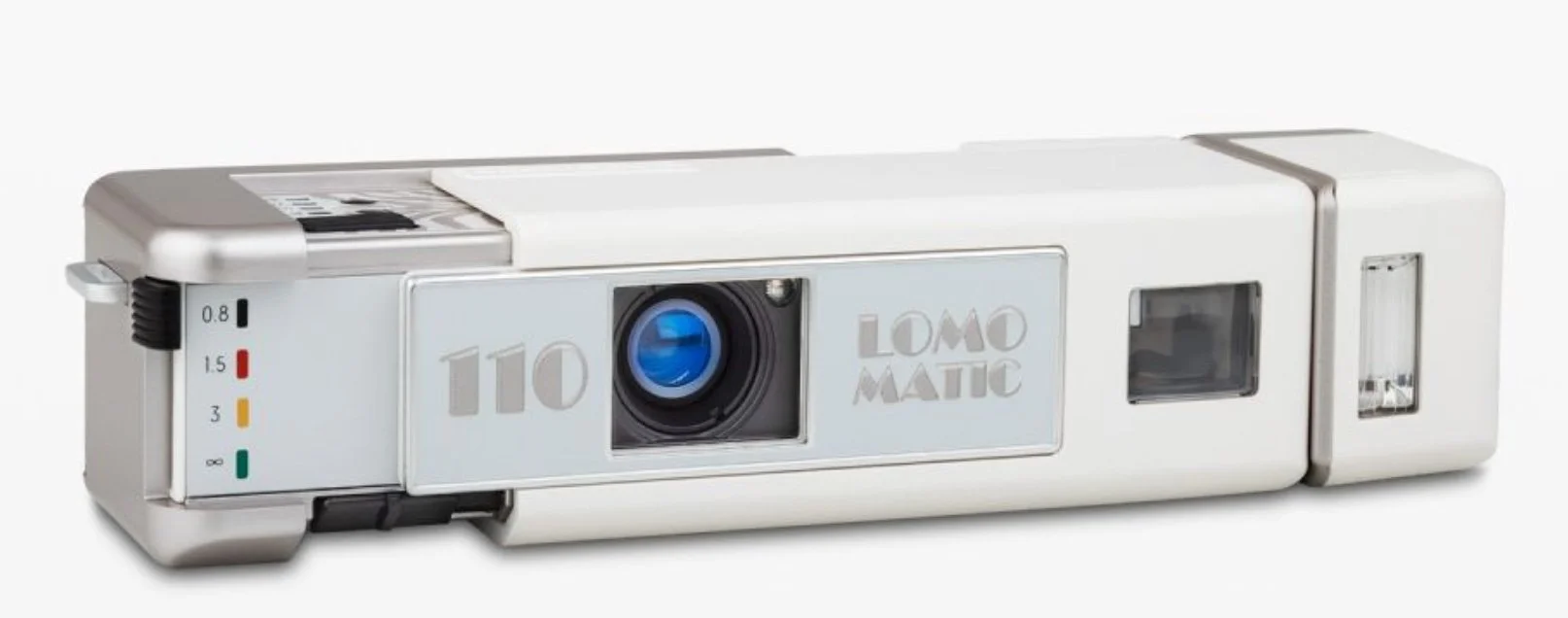
    image: Lomography.com

    The Lomomatic 110 Camera, with its striking white and black design, is a compact marvel that packs a punch. Equipped with a flash, distance scale, and ISO settings, it also features multiple exposure and long exposure modes. I used Lomography 200 ISO negative Tiger film, providing 24 exposures to capture the essence of Vienna.

    Challenges and Learning Curve

    As with any new equipment, mastering the Lomomatic 110 presented its own set of challenges:

    – Film Advancement: The manual film advancement mechanism required careful attention to avoid missed shots or unintended double exposures.

    – Focus and Exposure: Remembering to adjust the distance scale and exposure modes (day/night) for each shot was crucial for achieving sharp, well-exposed images.

    – Shutter Button Sensitivity: Ensuring the shutter button was fully pressed became a learning experience, as some shots were missed due to incomplete button presses.

    Street Photography Experience with a Lomomatic 110

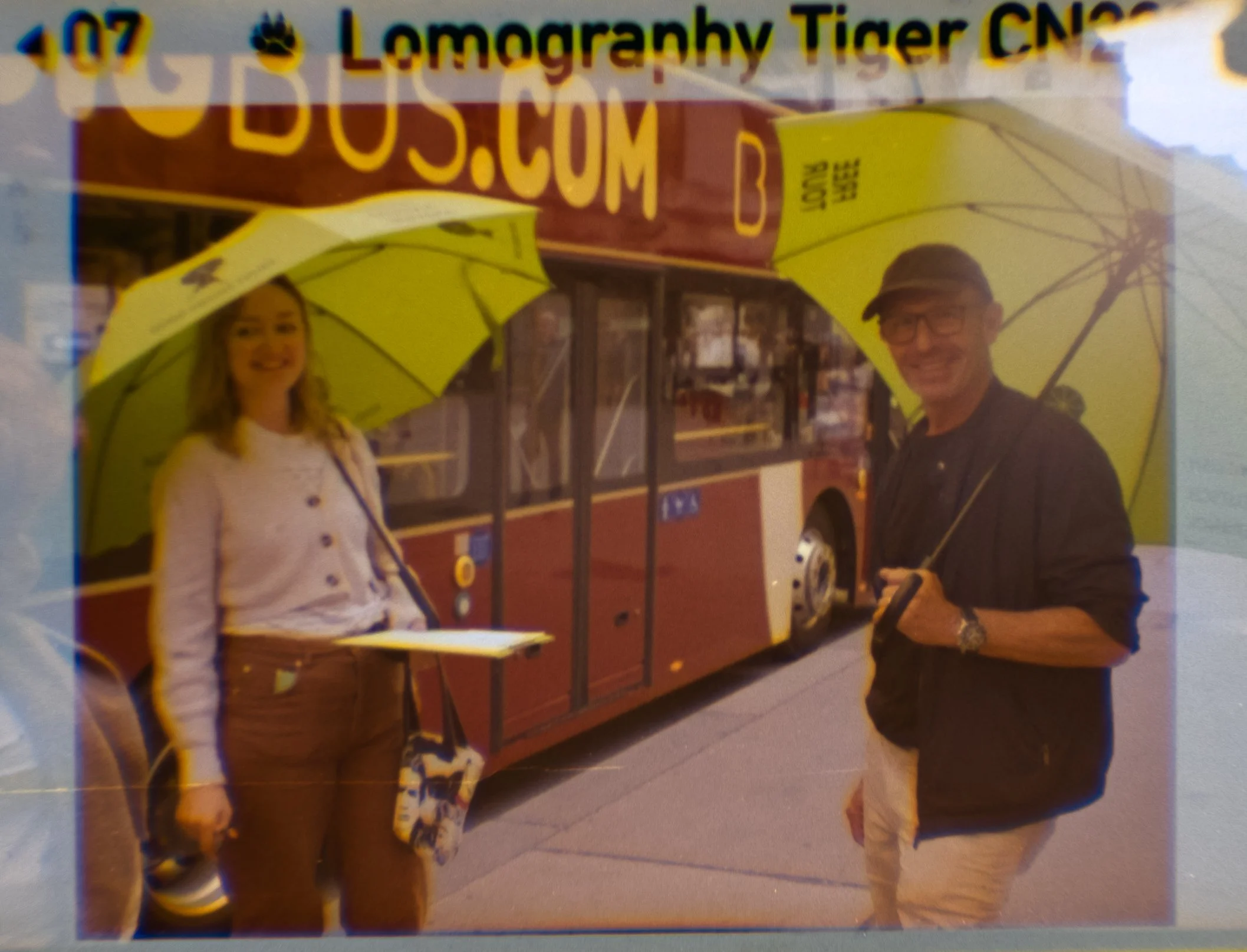
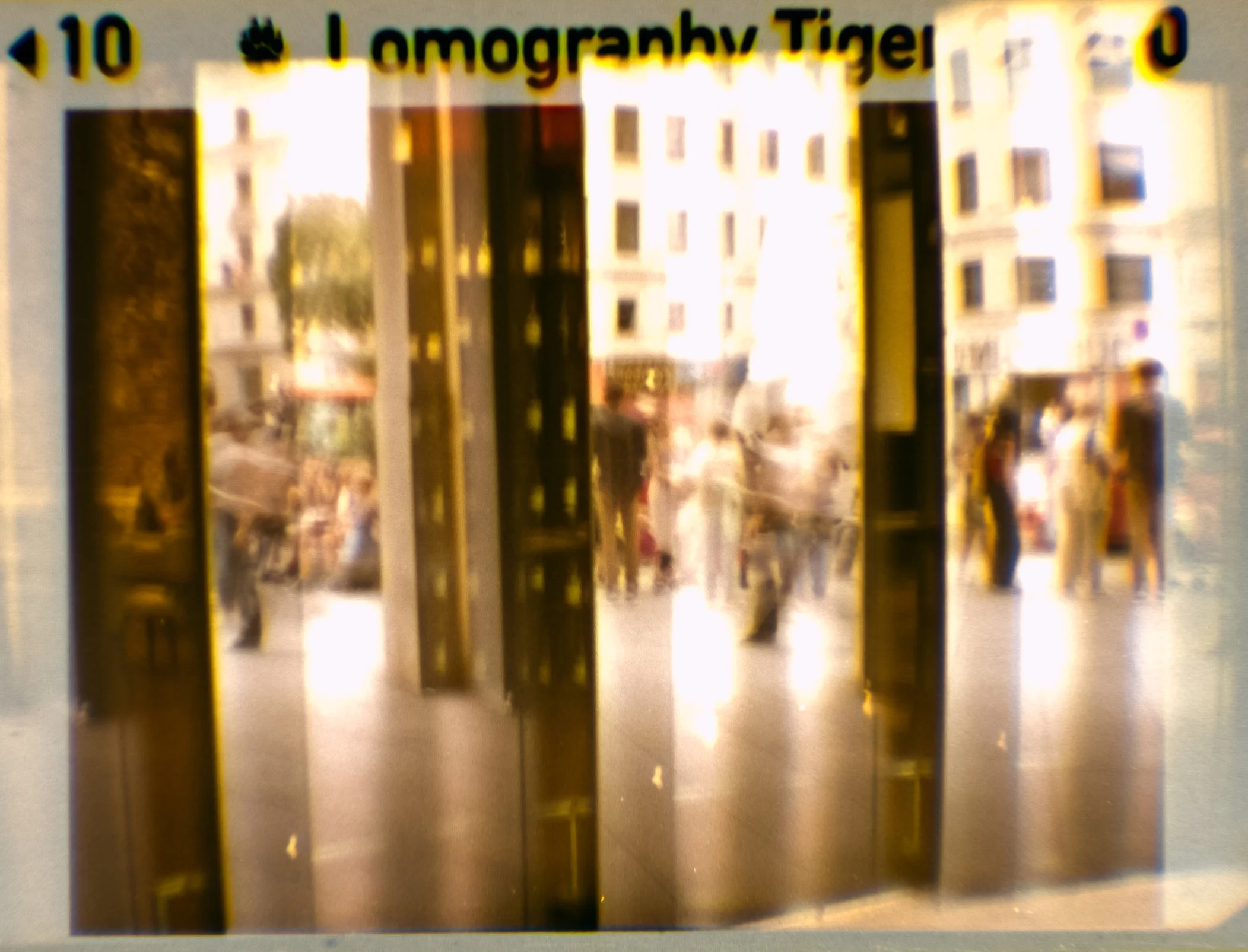
    Venturing through Vienna’s streets, the Lomomatic 110 became a conversation starter. From capturing the contrast between traditional horse-drawn carriages and modern DHL delivery vehicles to engaging with locals for impromptu portraits, the camera’s unique appearance drew curiosity and smiles.

    Lessons Learned

    1. Know Your Gear: Before a shoot, it is essential to familiarize yourself with a new camera. Understanding its quirks and features can distinguish between capturing and missing key moments.

    2. Embrace Imperfection: Film photography’s unpredictability, especially with a quirky camera like the Lomomatic 110, can lead to happy accidents and unique artistic expressions.

    3. Enjoy the Process: While technical proficiency is important, the joy of photography lies in the experience itself. The laughter shared with fellow photographers and subjects adds an invaluable dimension to the art.
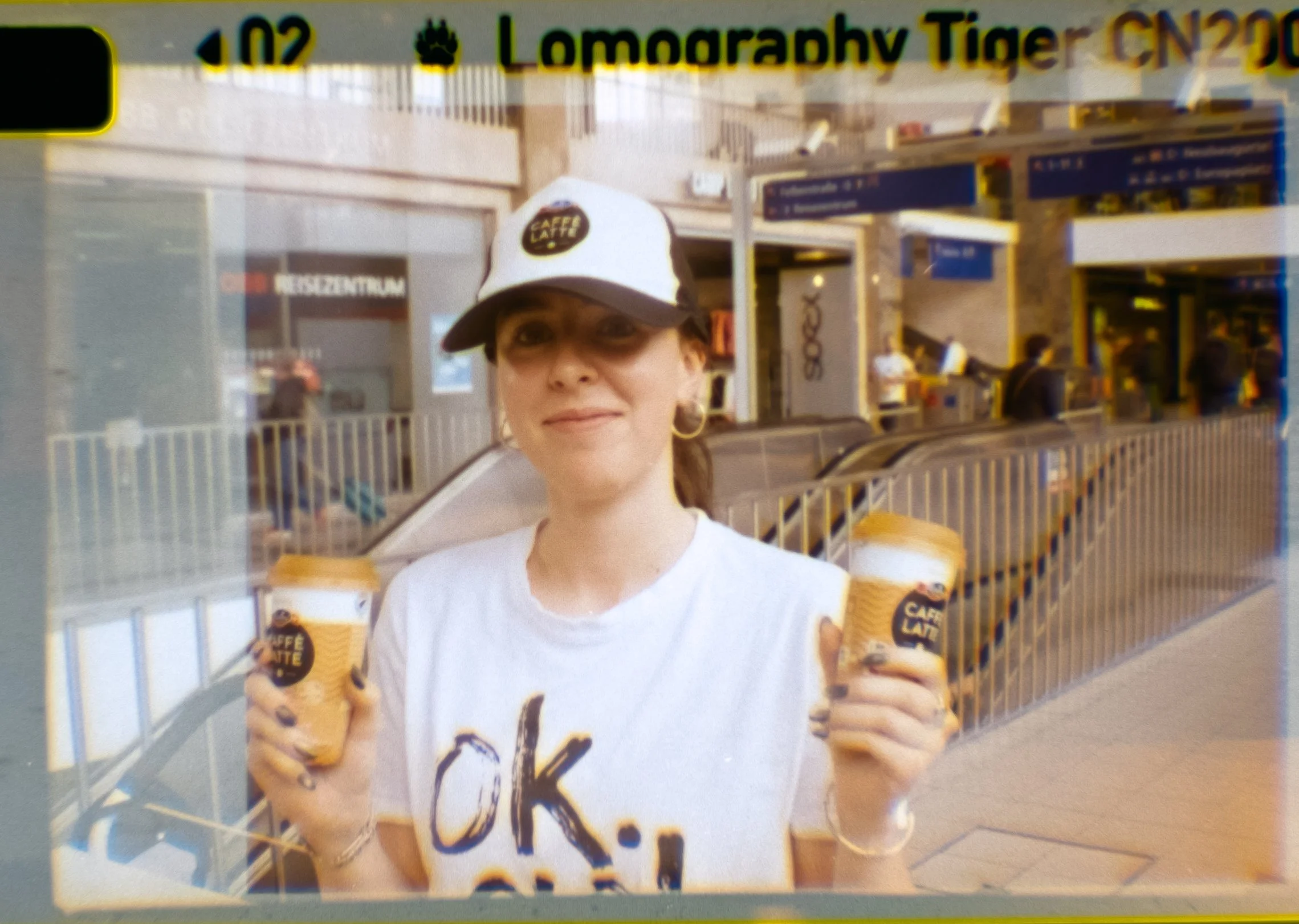
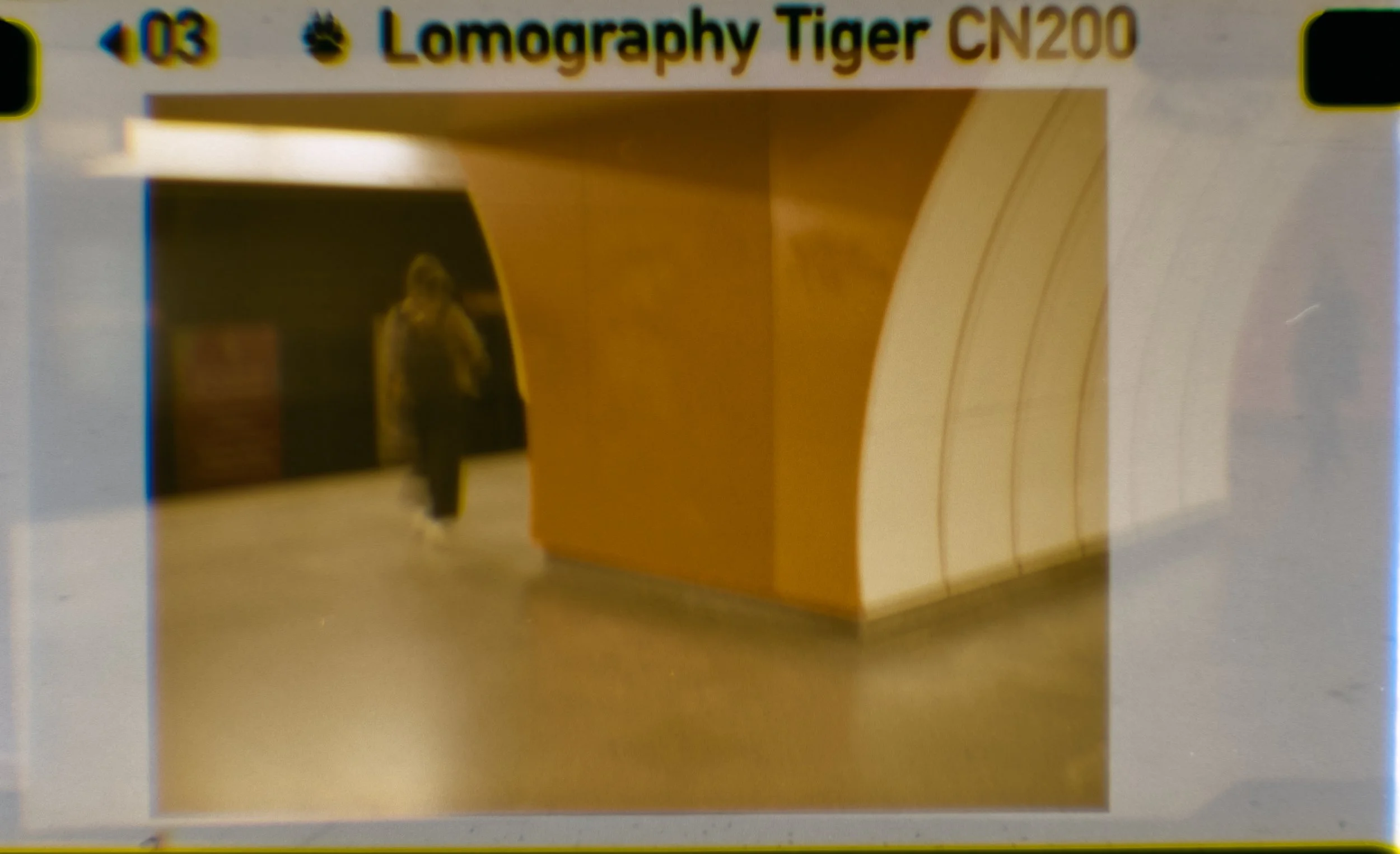
    Lomography110_ZebraCrossing_001.jpg
    Lomography110_ZebraCrossing_002.jpg
    Lomography110_ZebraCrossing_004.jpg
    Lomography110_ZebraCrossing_005.jpg
    Lomography110_ZebraCrossing_006.jpg
    Lomography110_ZebraCrossing_007.jpg
    Lomography110_ZebraCrossing_008.jpg
    Lomography110_ZebraCrossing_009.jpg
    Lomography110_ZebraCrossing_010.jpg
    Lomography110_ZebraCrossing_012.jpg
    Lomography110_ZebraCrossing_013.jpg
    Lomography110_ZebraCrossing_014.jpg
    Lomography110_ZebraCrossing_015.jpg
    Lomography110_ZebraCrossing_016.jpg
    Lomography110_ZebraCrossing_017.jpg
    Lomography110_ZebraCrossing_018.jpg
    Lomography110_ZebraCrossing_019.jpg
    Lomography110_ZebraCrossing_020.jpg
    Lomography110_ZebraCrossing_021.jpg
    Lomography110_ZebraCrossing_022.jpg
    Lomography110_ZebraCrossing_023.jpg
    Lomography110_ZebraCrossing_024.jpg


    Final Thoughts

    Despite the challenges and missed shots, the experience with the Lomomatic 110 Camera in Vienna was undeniably fun and educational. It served as a reminder that photography is not just about the result but also about the journey, the connections made, and the moments of discovery along the way.

    For those considering venturing into film photography or experimenting with unique cameras like the Lomomatic 110, remember that each frame is an opportunity to learn and create.

    Embrace the quirks, celebrate the imperfections, and, most importantly, enjoy the process of capturing life through a different lens.

    Here, you can watch my whole photo walk with the Lomomatic 110 Zebra Crossing. Thomas Eisl, a local photographer from Vienna, filmed the video.
  • Cinepeer CX100 – New LED light from Zhiyun!

    Zhiyun has launched a new small and versatile LED light, Cinepeer CX100. It is a budget version of the Molus X100.

    Disclaimer

    The Light was sent to me by Zhiyun, but Zhiyun has not seen my review or information. Everything I write here is based on my own opinion. Some of these links might be affiliate links.

    Similar Specs with Molus X100

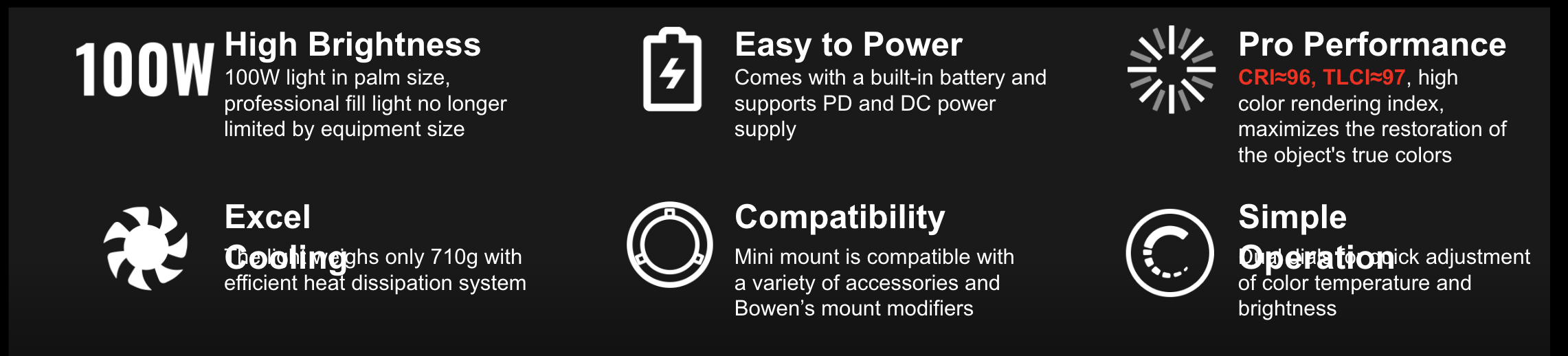
    The lights look the same, and the power is about the same. There is a specs sheet at the end of this blog post. The main differences are that the battery is not detachable in CX100 and does not have a music sync feature, a screen, or APP control.

    Cinepeer CX100 is Silent and does not over-heat!

    image: Zhiyun

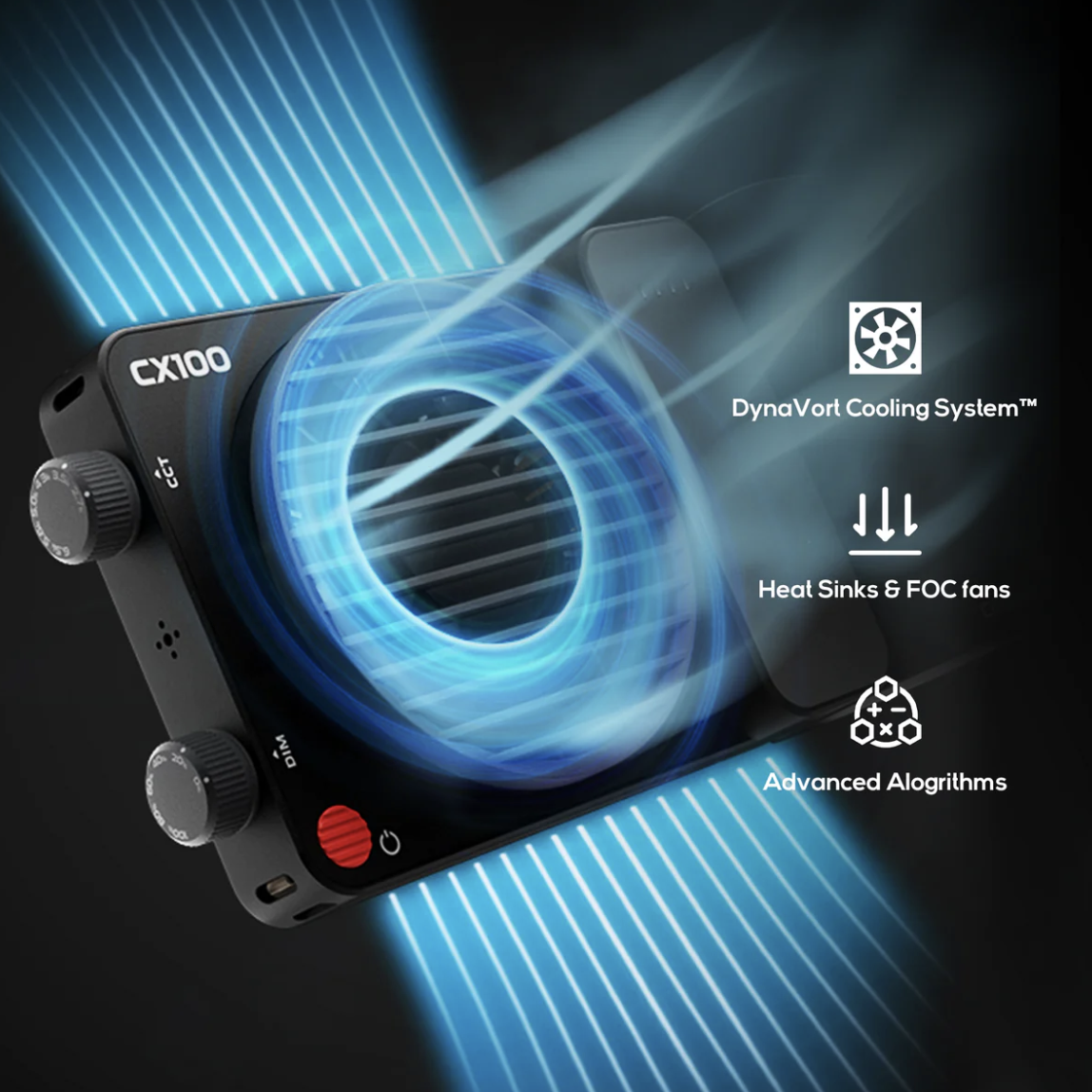
    Cinepeer CX100 uses the same DynaVort Cooling System as the Zhiyun Molus X100. The benefit is that it is practically silent. You need to be very close to hear the fan, and it won’t ruin your audio. If the light gets hot, the brightness will be reduced automatically. There is no danger of it over heating. At least I did experience that at all.

    Accessories

    image: Zhiyun

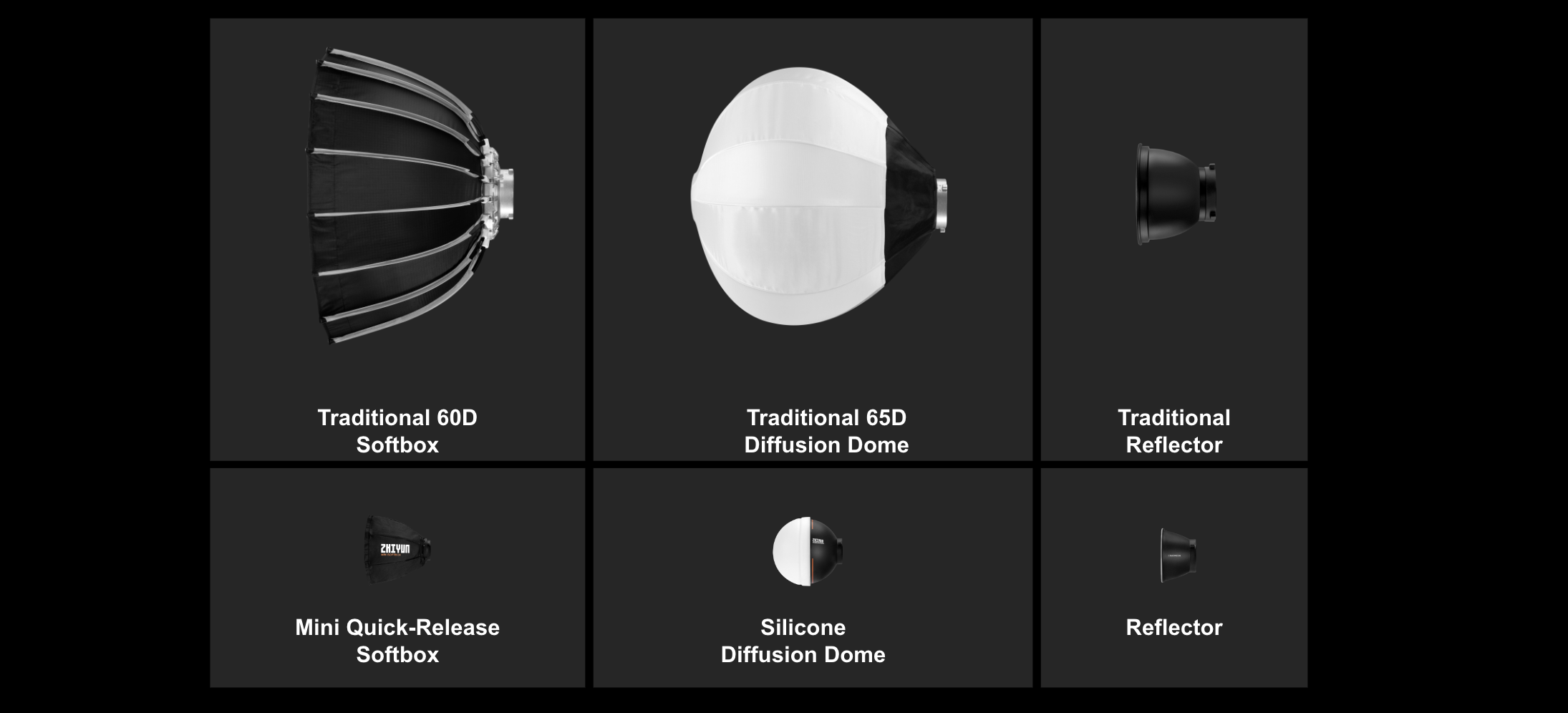
    As you can see from the image above, there are enough accessories for many needs. A Bowens Adapter is also available. That is something I might get. I have several softboxes with Bowens mount.

    Specifications

    image: Zhiyun

    Is it worth the price?

    When this was published, the Zhiyun Cinepeer CX100 was just under $200€, which is about $100€ less than the Molus X100. The CX100 is bright and has all the necessary features for an LED light. However, app control is missing, so look for the Molus X100 if that is important.

    Buy it from their official store. Use code CNP25TOCXX to get 25% Off. Buy it from Amazon and use code ZYCNP25OFF to get 25% Off.

    My video about the Zhiyun Cinepeer CX100

    Full specs

    Specifications are from Zhiyun.

    Product Dimension 197*52*94mm

    Output Power 100W

    Cooling Method Active Cooling

    Power Adapter Operation Voltage AC100V~240V(50/60HZ)

    Light Operation Voltage DC 24V,PD ≥9V

    PD Input Power ≥18W

    Color Temperature 2700K~6500K

    Brightness Adjustment Range 0~100%

    CRI (RA) ≈96

    TLCI ≈97

    Illuminance In Brightness 3840lux, 1 meter, 4300K

    Power Supply Method PD adapter, power adapter

    Operating Ambient Temperature -10℃~40℃

    Grip Battery Voltage 14.8V

    Grip Battery Capacity 4500mAh 66.6Wh

    Grip Battery PD Charging Time 2H30MIN

    Grip Battery QC Charging Time 4H

    Adapter Charging Time 3H

    Grip Battery Max Charging Power 30W

    Grip Battery Runtime (max, power) 30min

    Extension 1/4 General Threaded Hole*2

  • Samyang 12mm F2.0 X Review: A Versatile Wide-Angle Prime for Fuji X-Mount

    Samyang 12mm F2.0 X Review: A Versatile Wide-Angle Prime for Fuji X-Mount

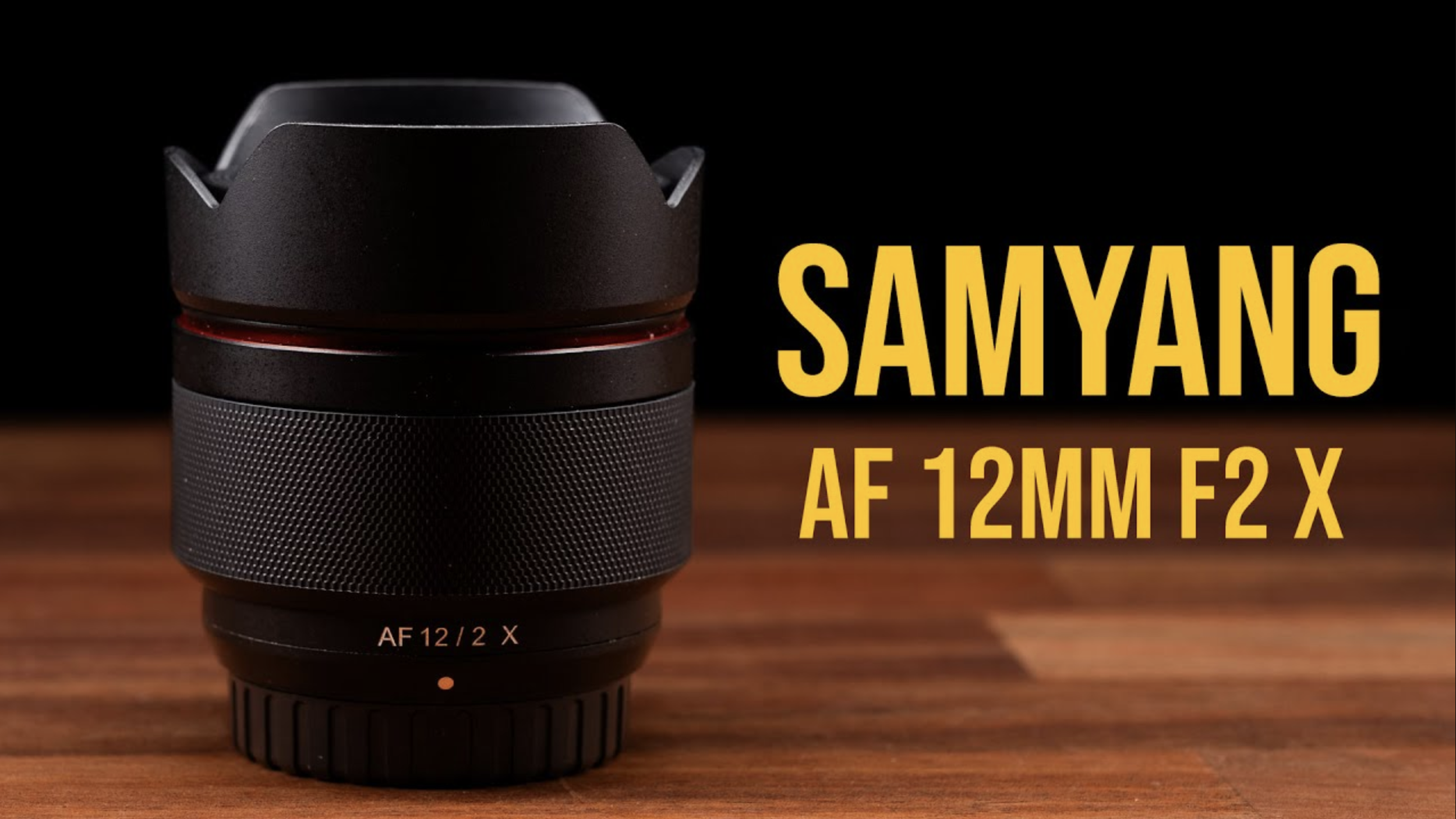
    I recently had the opportunity to test the Samyang 12mm F2.0 X lens, a promising wide-angle prime for Fuji X-mount cameras. This review is based on my hands-on experience with the lens, specifically using the Fuji X-S20 with a 26MP X-Trans sensor.

    Disclaimer

    Focus Nordic provided the lens for testing purposes. My opinions are entirely based on my experience with the lens, and I have not been influenced in any way. However, I do have affiliate links to Amazon and B&H.

    Testing Environment

    My primary focus was to evaluate the lens in urban settings, ideal for its focal length. I photographed various cityscapes and murals, including the recently completed Käärijä mural, to test its capabilities in real-world scenarios.

    Design and Build

    The Samyang 12mm F2.0 X impresses with its premium look and compact size. Despite being an F2.0 lens, it’s surprisingly small and feels great. The surface finish adds to its appeal and comes with a protective pouch, ensuring safety during transportation.

    Usability

    As a Fuji user accustomed to lenses with an aperture ring, I found its absence on the Samyang 12mm F2.0 X disappointing. The manual focus ring is robust and easy to use, although it lacks hard stops. One note of caution: the manual focusing generates a noticeable sound, which is potentially problematic in video scenarios with on-camera microphones. However, its AF compatibility ensures that EXIF data includes lens information.

    Autofocus Performance

    While autofocus speed isn’t a critical factor for this lens, it performs adequately given its typical use in static scenes like landscapes or cityscapes. Its depth of field is sufficient for street photography, especially when using the hyperfocal method.

    Image Quality

    The lens exhibits some barrel distortion, which the default Lightroom Classic profile doesn’t entirely correct. Manual adjustments are needed for optimal results. Similarly, DxO PhotoLab7 requires manual tweaking for distortion correction. Defringing is present but manageable. The best image quality is achieved when stopping down to F4-F5.6. Images can be found in my video about the lens. The link is at the end of this post.

    Value for Money

    Priced at around 374€, the Samyang 12mm F2.0 X is an affordable alternative to Fuji’s 14mm f2.8 lens, nearly twice the price at 899€. It’s a solid budget choice for fast, wide-angle prime lenses.

    Links to Amazon and B&H.