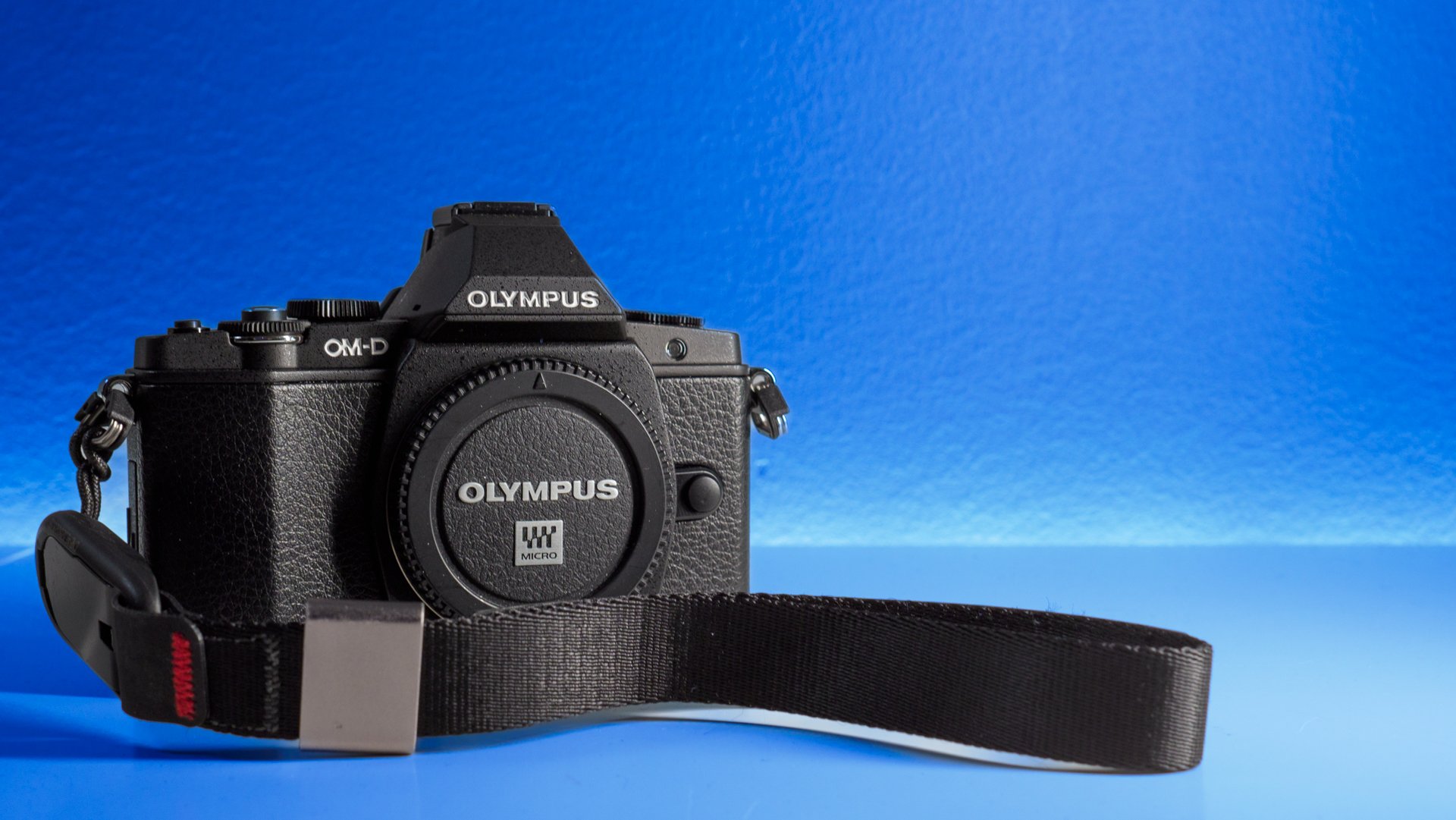
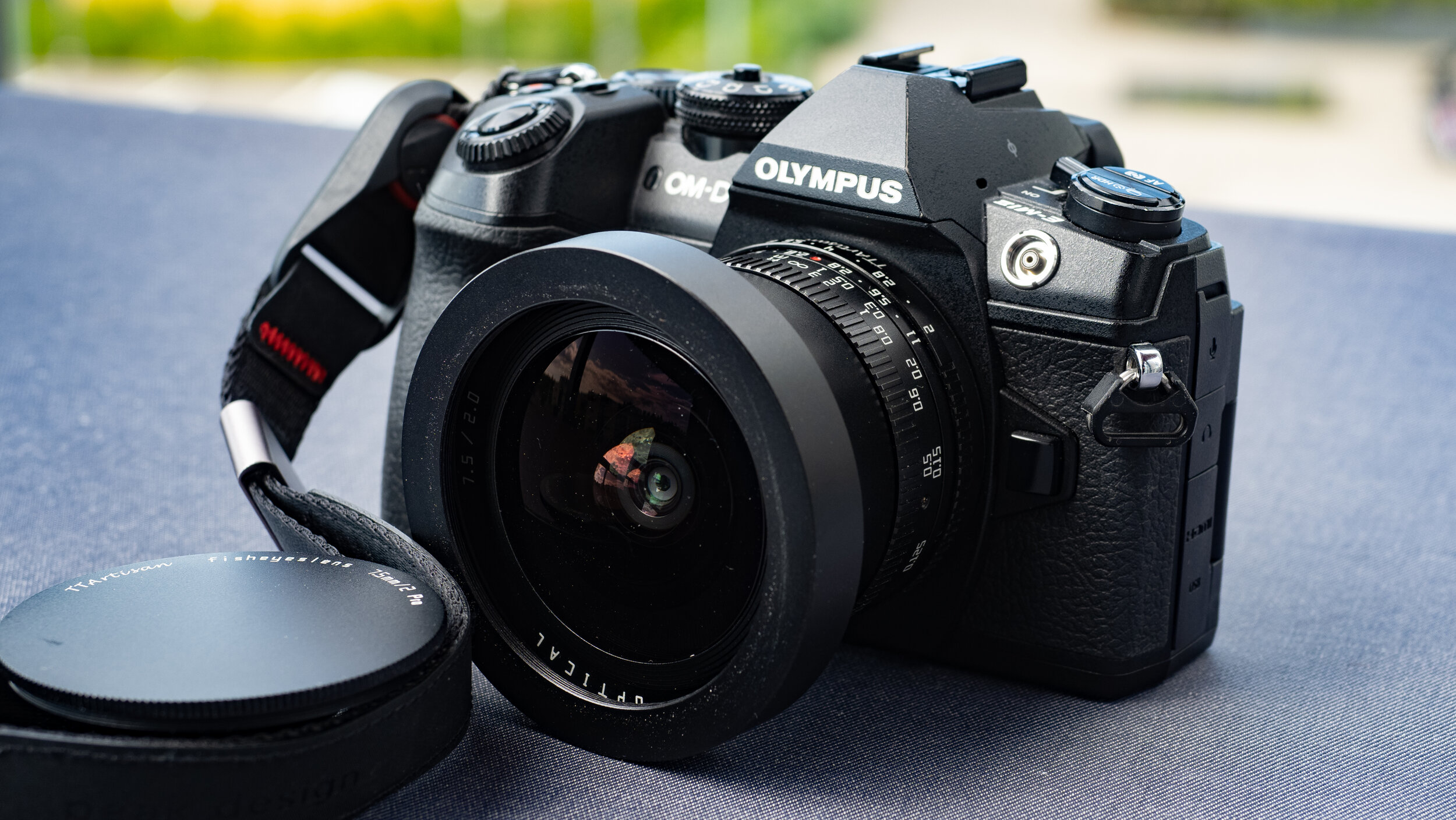
Today 10 years ago Olympus started a new era, the Olympus OM-D E-M5 was launched. It started the whole OM-D series of cameras. Today there are three different OM-D cameras the E-M10, E-M5, and E-M1. The newest one is E-M1 MKIII.
Olympus OM-D E-M5
A powerful small camera!
OM-D E-M5 was a small but very powerful camera at its time. DPReview wrote about the camera in its review back in 2012: ”The Olympus OM-D E-M5 is certainly the most capable Micro Four Thirds camera we’ve reviewed and arguably the most likable mirrorless model yet. It falls down a little bit on its continuous focusing but we have absolutely no complaints about the image quality. It’s small, attractive, and a pleasure to use, and its pictures are equally enjoyable.”
I can see why they did write about it like that. I remember testing it during spring in April 2014 and was right away blown away by its capabilities. It was a bit ahead of its time, but not too much.
It was also a risk. Olympus introduced a new mount for its flagship lineup. They already had used the 4/3 size sensor in their E-system cameras, but now they had a new micro 4/3 mount and the older lenses needed an adapter to work with the new system. This was not that big of an issue until the next OM-D was released, the professional model E-M1.
What about the lens selection?
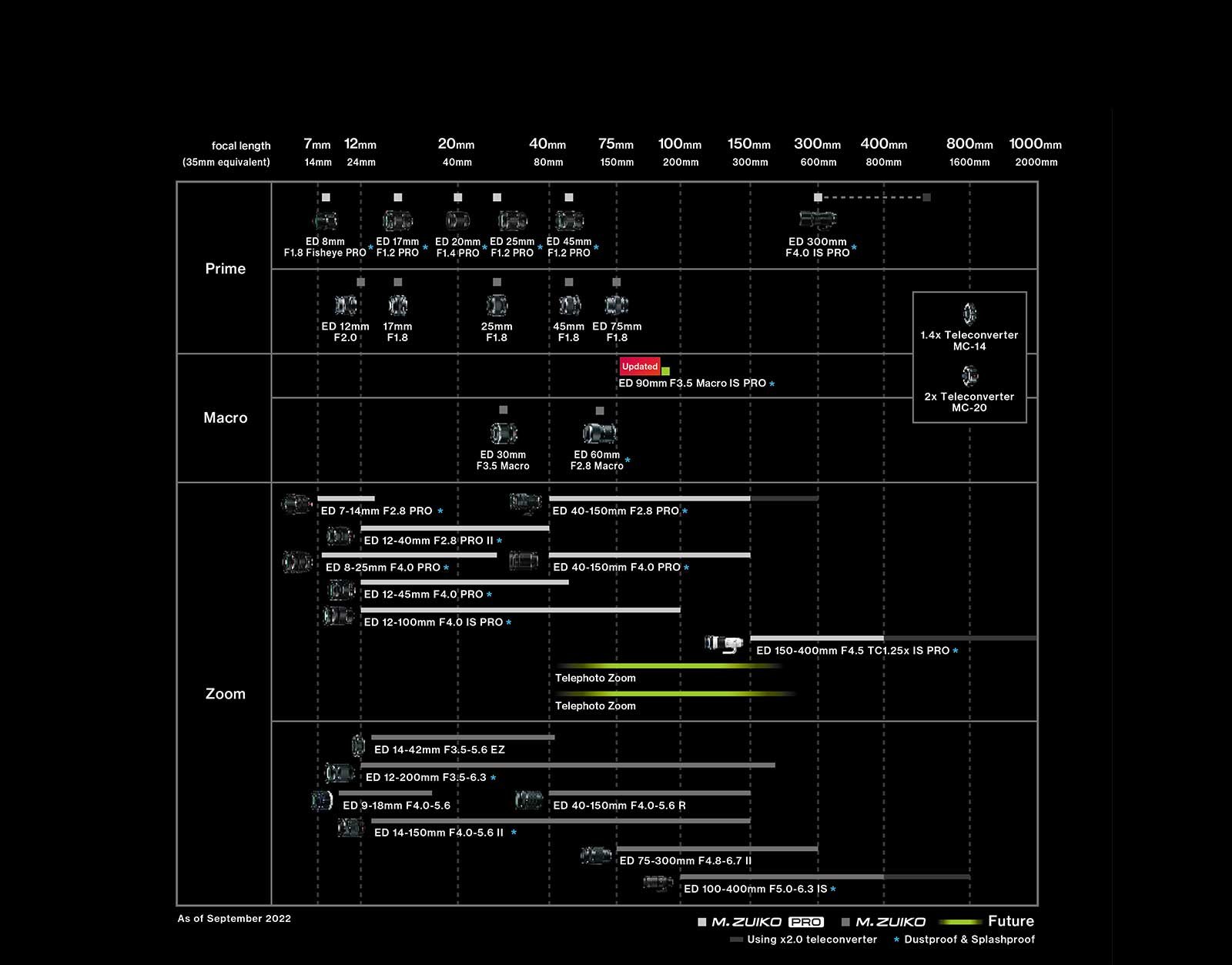
When launching a new mount lens selection is crucial. If you do not have lenses for the new system it might be in trouble right from the start. Olympus had already launched an m4/3 body a few years earlier, the Pen E-P1. (2009). So there were a few lenses that were available. The only two missing lenses were a fast zoom lens and a standard lens. Especially the missing standard lens at the time was a bit odd. The fast zoom lens came in 2013. It was launched at the same as the E-M1.
Now that I look back it seems that the lens roadmap has been a bit behind the cameras. I assume that it is the case with other manufacturers too, but have not really looked into it.
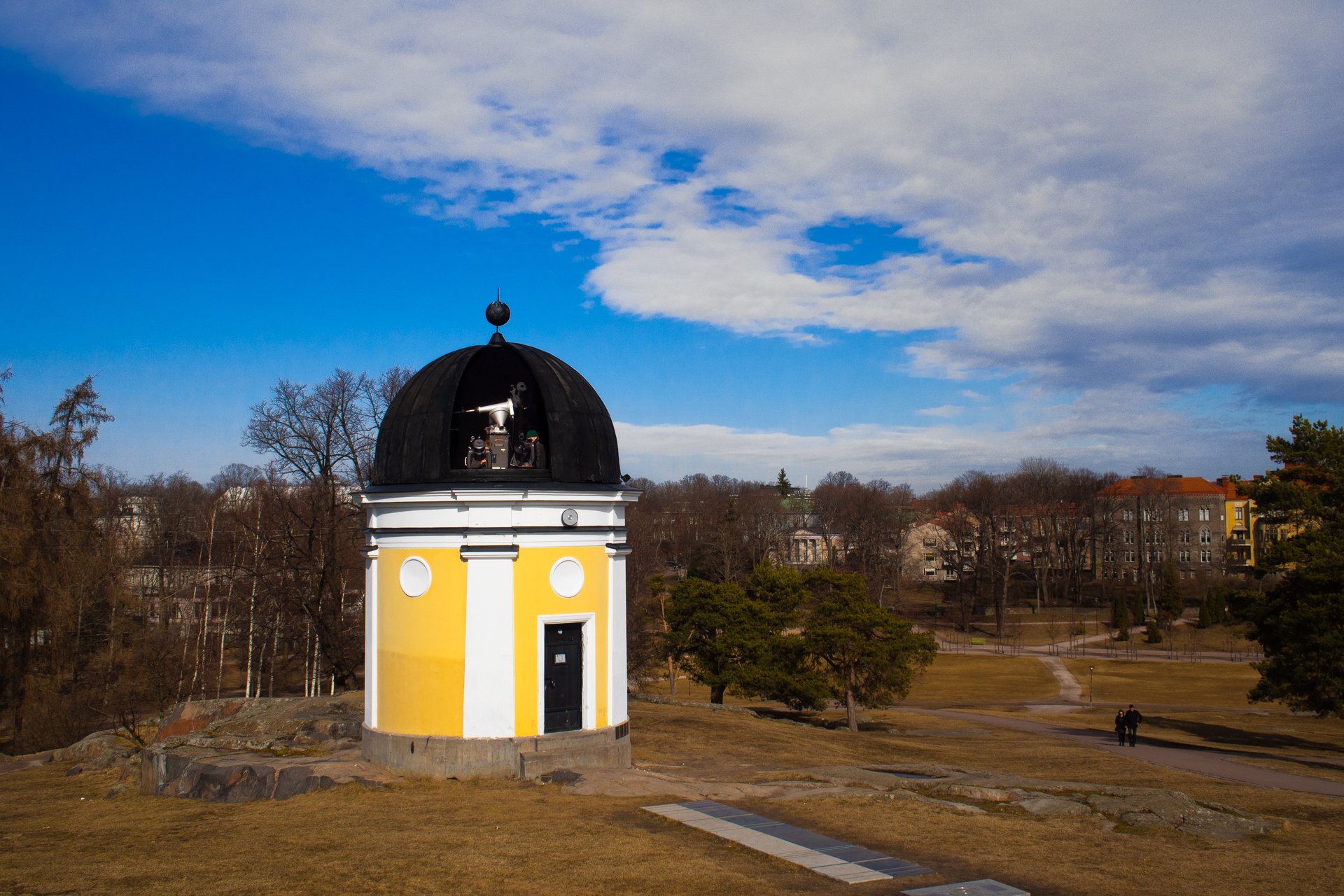
Sample images from my trip to Poland
I had the E-M5 on a trip to Poland in April 2014. I also visited Auschwitz and Birkenau concentration camps. that was the only time I had small trouble with my Olympus cameras. For some reason, the E-M5 only worked upside down. I managed to get some photos that can be seen here.
I bought a new E-M5!
E-M5 is still a quite capable camera to use. I bought a new one a few weeks ago. There is a camera store Optotek in downtown Helsinki that has some older models still available as new.
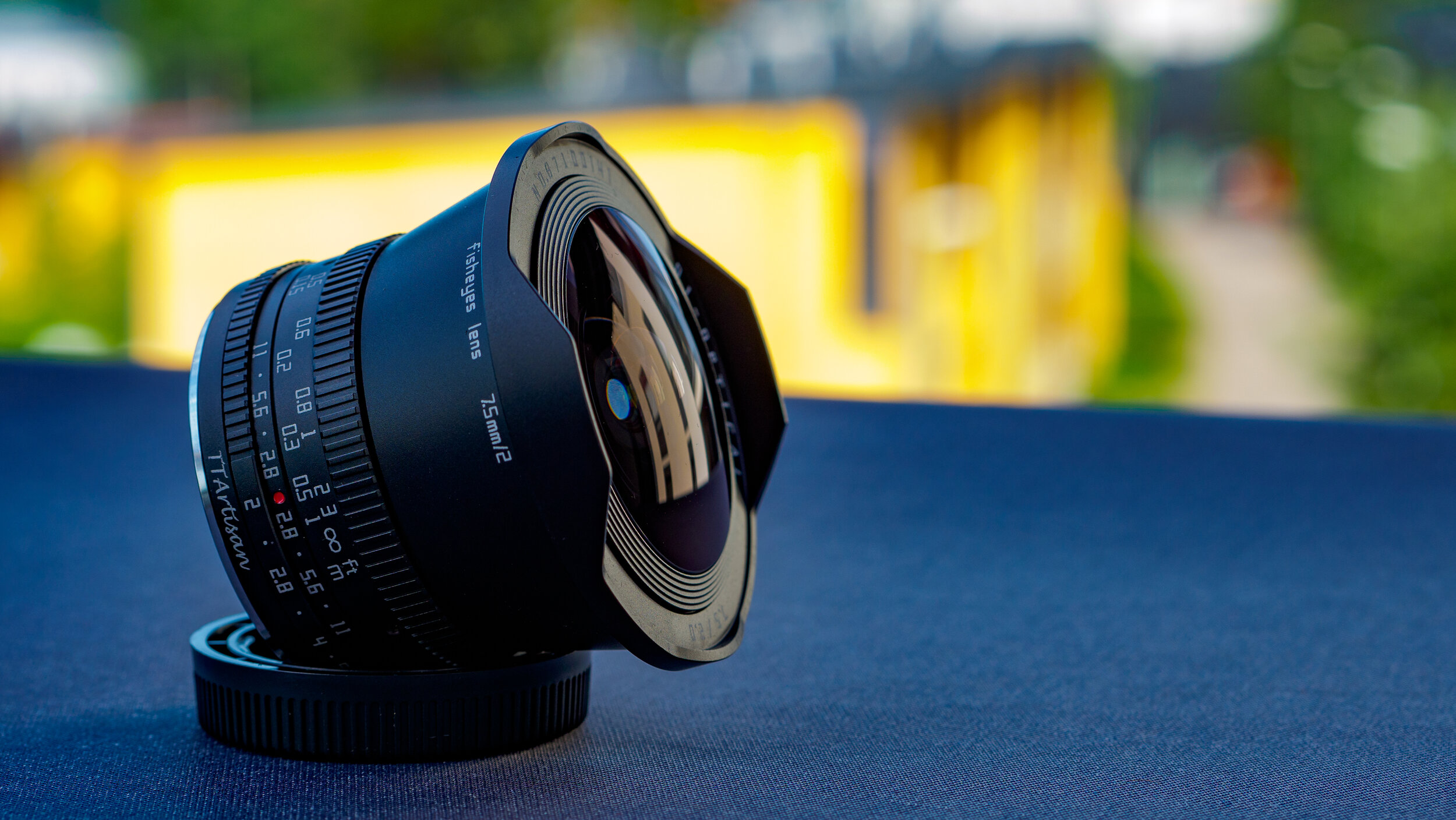
I have said this many times before. I really like that there are new lens makers that make new innovative lenses. I just reviewed TTArtisan 7.5mm f2.0 fish-eye lens. It is one the best value-for-money fish-eyes for almost any camera.
You can get the lens for Sony E, Fuji X, Canon M and R, Nikon Z, Leica L, and MFT. It is an APS-C lens and on an APS-C sensor camera, the field of view is 180dg. If you have the MFT version the angle of view is 150dg. TTArtisan has made a clever solution and you also use it with a FF camera.
Remove the middle part of the lens cap when using it on a FF camera. It will produce a circular image.
The image quality is quite good. The center is sharp at f2.0, but the edges are a bit soft. That is no surprise. Such ultra-wide-angle lenses tend to have a bit of soft edges.
There is also slight vignetting on the edges when fully open. To get the best image quality you need to use f4 or f5.6.
If you want to buy the lens, here are some links to TTArtisan web stores. Links are not affiliated links.
TTArtisan 7,5mm F2.0 Fish-Eye Lens was just launched this week. In my review, I will tell my opinion about the lens. Buy the lens: