Tag: street photography

  • Farewell to Martin Parr, Poet of the Everyday

    Martin Parr (1952–2025) was one of the defining documentary and street photographers of the last fifty years, and his passing on 6 December at his home in Bristol marks the end of a truly singular eye on everyday life. For those of us who work in the streets with a camera, his influence is so deeply woven into the visual language of contemporary photography that it can be hard to see where his work ends and ours begins.
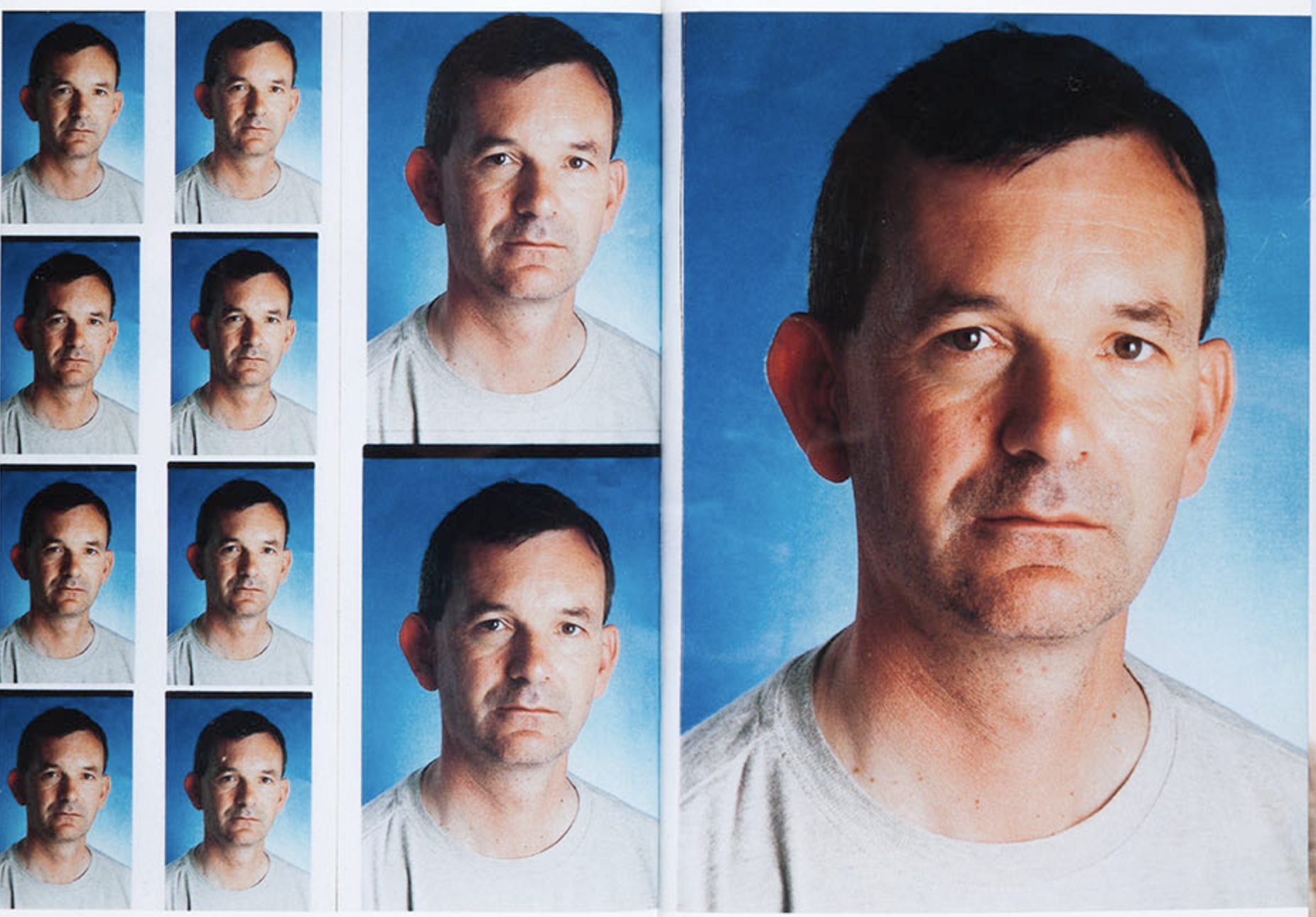
    image from his book Autoportrait (2000), source: Books

    Life and work

    Born in Epsom, Surrey, Parr studied photography at Manchester Polytechnic in the early 1970s, before devoting decades to the rituals and absurdities of British life. From early black‑and‑white projects in rural communities to the highly saturated colour of series like The Last Resort, The Cost of Living, Small World and Common Sense, he developed a vocabulary that treated seaside holidays, supermarkets and social gatherings as sites of quiet drama and social critique.

    His membership of Magnum Photos from 1994, presidency of the agency in the 2010s, and the publication of more than a hundred photobooks helped cement his reputation as one of the most widely recognised photographers of his generation. The founding of the Martin Parr Foundation in Bristol in 2014 extended that impact, creating a home for British and Irish photography and preserving his own archive alongside others’.

    Legacy for street photographers

    Parr’s pictures showed that humour, excess, and kitsch could coexist with empathy, that “serious photographs disguised as entertainment” could still carry a sharp, critical edge. His embrace of bold colour, close-up flash and the chaos of public space opened doors for a generation of street photographers who saw in his work permission to look harder at the banal and the awkward, not just the heroic or the beautiful.

    Even in later years, while living with cancer, he remained engaged with photography as a way of paying attention to ordinary moments, curating projects that underscored how fragile and precious daily life can be. As news of his death has spread, the tributes from photographers and institutions alike underline what many already felt: that Martin Parr changed not only how Britain looks in photographs, but how photographers everywhere think about the everyday.

    My video about what a street photographer can learn from Martin Parr
    Martin Parr website

    Martin Parr Foundation

  • Gestalt Principle in Street Photography: Simplifying Complexity

    Street scenes are often busy and cluttered. The Gestalt principle helps us understand how to simplify and organize elements in an image to make it more pleasing and manageable for viewers. As a street photographer, I’ve found this principle invaluable in creating compelling images that capture the essence of urban life.

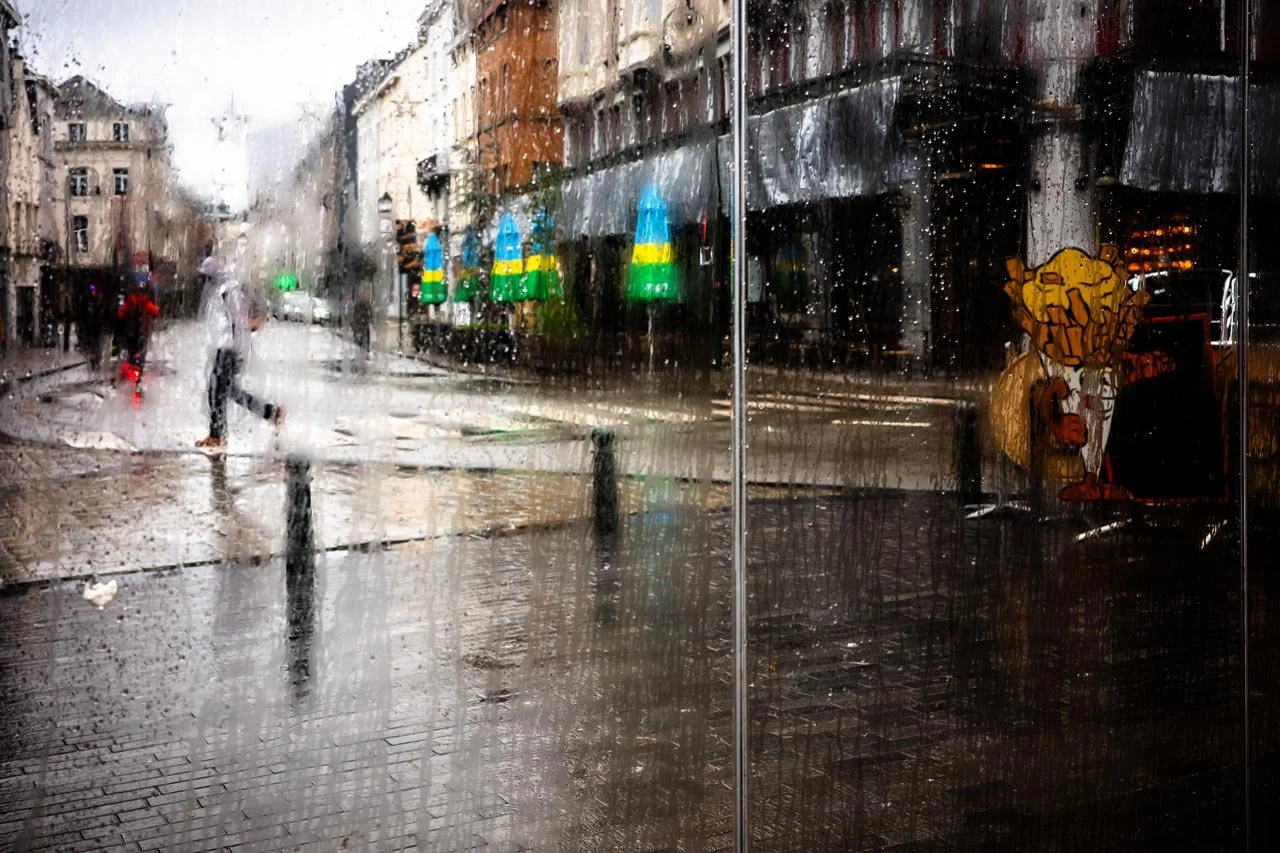
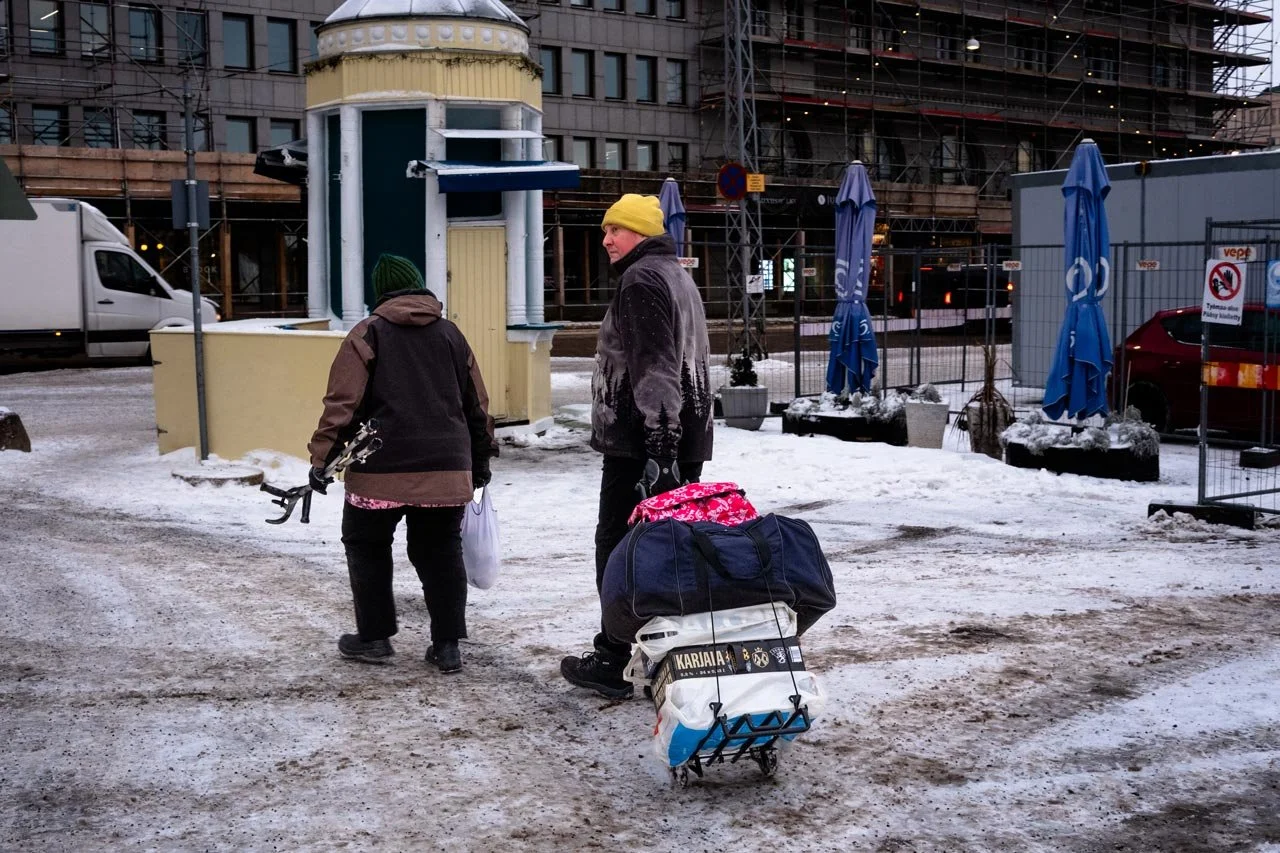
    Two people walking on the street

    Understanding Gestalt in Photography

    The Gestalt principle, originating from psychology in the 1920s, suggests that our brains naturally organize visual information into meaningful patterns. This translates to how we compose our images and how viewers perceive them in photography. The core idea is that “the whole is greater than the sum of its parts,” meaning that the overall impression of an image is more important than its elements.

    The Impact on Viewer Perception

    By applying Gestalt Principles, we can significantly influence how viewers interact with our images:

    Easier Comprehension: A well-organized image is easier for the brain to process, allowing viewers to grasp the main subject and mood quickly.

    Emotional Response: Thoughtful composition can evoke stronger emotional responses by emphasizing key elements.

    Longer Engagement: Interesting compositions encourage viewers to explore the image more and discover subtle details and relationships.

    Balancing Art and Science

    While Gestalt principles provide a solid foundation for composition, it’s crucial to remember that photography is an art form. These principles should be used as guidelines rather than strict rules. The most compelling street photographs often result from knowing when to apply them and when to break them creatively.

    Man running in rain

    Practical Tips for Applying Gestalt in Street Photography

    1. Observe Before Shooting: Take a moment to observe the scene and identify potential compositional elements.

    2. Look for Natural Frames: Frame your main subject using architectural elements or other objects.

    3. Wait for the Right Moment: Patience can lead to simpler, more impactful compositions as elements align.

    4. Experiment with Perspective: Changing your viewpoint can dramatically alter the relationship between elements in your frame.

    Conclusion

    Understanding and applying Gestalt principles in street photography can transform chaotic urban scenes into compelling visual narratives. By simplifying and organizing elements within our frames, we create images that capture moments and engage viewers on a deeper level. As you continue to practice these principles, they will become an intuitive part of your photographic process, helping you create more powerful and memorable street images.

    Remember, the goal isn’t to create perfectly ordered scenes but to find beauty and meaning in the complex tapestry of street life. By mastering these principles, you’ll be better equipped to tell visual stories that resonate with viewers and stand the test of time.

    More information and photographs are provided in the video below.

  • A few thoughts about Ethics in Street Photography

    Street photography is a fascinating genre that captures candid moments of everyday life but raises important ethical considerations.

    As a street photographer, I’ve thought about these issues and developed my approach over the years. Here’s an overview of the fundamental ethics in street photography and some best practices to consider:

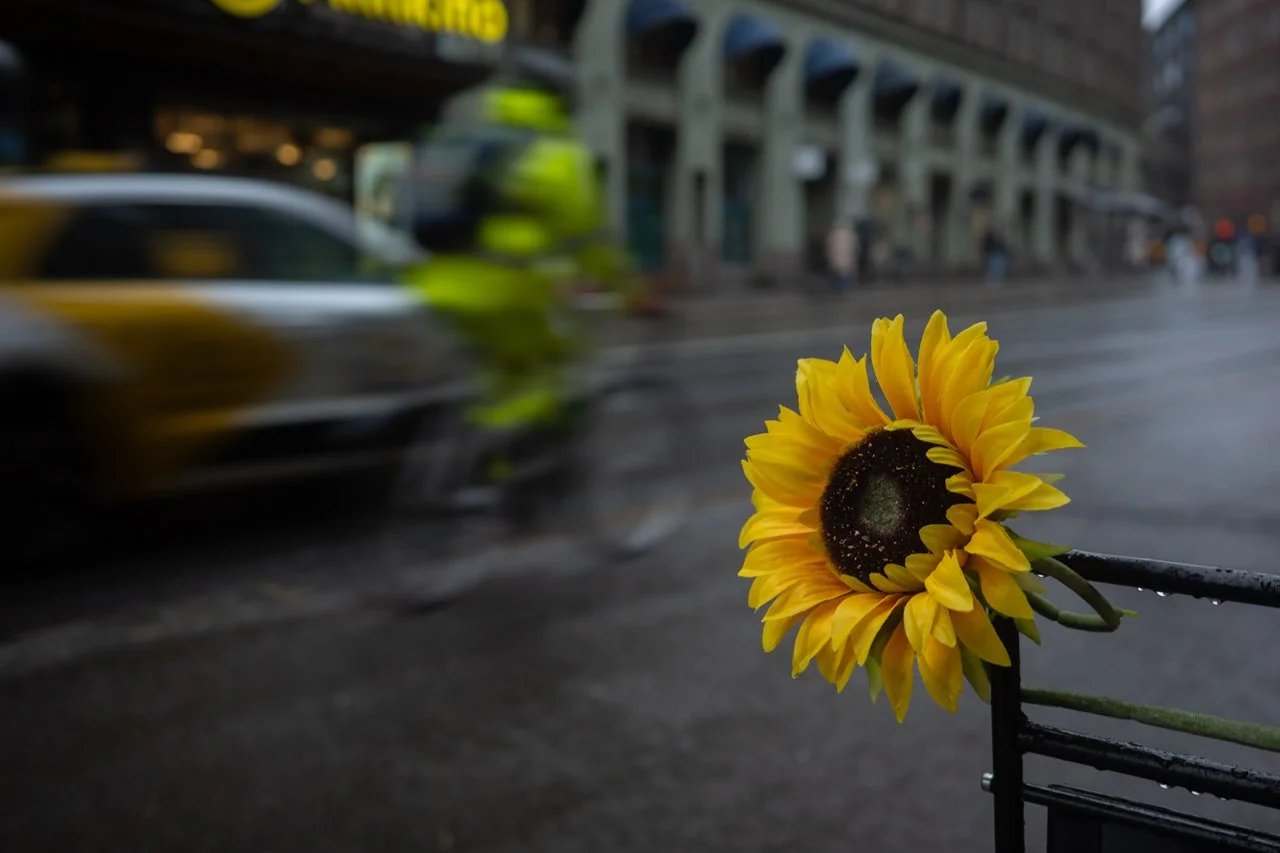
    A sunflower in the city with a bicycle rider in the background

    Legal vs. Ethical Considerations

    It’s essential to first distinguish between what’s legal and what’s ethical in street photography. In many countries, it’s generally legal to photograph people in public spaces without their explicit consent. Street photography is considered part of free speech. However, just because something is legal doesn’t necessarily make it ethical.

    Key Ethical Issues

    Consent and Privacy

    The core ethical dilemma in street photography revolves around photographing people without their knowledge or consent. While capturing candid moments is central to the genre, it can feel intrusive to the subjects. There’s a balance between artistic expression and respecting people’s privacy and autonomy.

    Representation and Dignity

    Street photographers are responsible for portraying their subjects with dignity and avoiding exploitation. This is especially important when photographing vulnerable populations like the homeless. We should ask ourselves if we’re representing people fairly and compassionately.

    Publication and Social Media

    In the age of social media, street photos can be widely shared instantly, amplifying concerns about privacy and representation. A seemingly innocent photo could go viral and have unintended consequences for the subject.

    Ethical Best Practices

    While there’s no universal code of ethics for street photography, here are some guidelines I try to follow:

    – Be respectful and empathetic towards your subjects. Put yourself in their shoes.

    – If someone objects to being photographed, respect their wishes. Delete the photo if asked.

    – Avoid photographing people in vulnerable or compromising situations.

    – Consider seeking consent after a candid shot, especially for close-up portraits.

    – Be thoughtful about which photos you choose to publish or share online.

    – Photograph with honest and positive intentions, not to mock or exploit.

    Finding Your Ethical Approach

    Ultimately, each street photographer must develop an ethical framework based on their values and cultural context. I believe the key is to remain thoughtful and self-reflective about our practice.

    As the photographer Gordon Parks said, “The subject matter is so much more important than the photographer.” Keeping this perspective and prioritizing respect for our subjects can create powerful street photography while maintaining ethical standards.

    What are your thoughts on the ethics of street photography? I’d love to hear your perspective in the comments below.

    Some further reading

    Aesthetics of Photography: Legal and Ethical Considerations in Street Photography

    About Photography Blog: The Don’ts of Street Photography

    Sarah Carpenter: The Ethics of Street Photography