Martin Parr (1952–2025) was one of the defining documentary and street photographers of the last fifty years, and his passing on 6 December at his home in Bristol marks the end of a truly singular eye on everyday life. For those of us who work in the streets with a camera, his influence is so deeply woven into the visual language of contemporary photography that it can be hard to see where his work ends and ours begins.
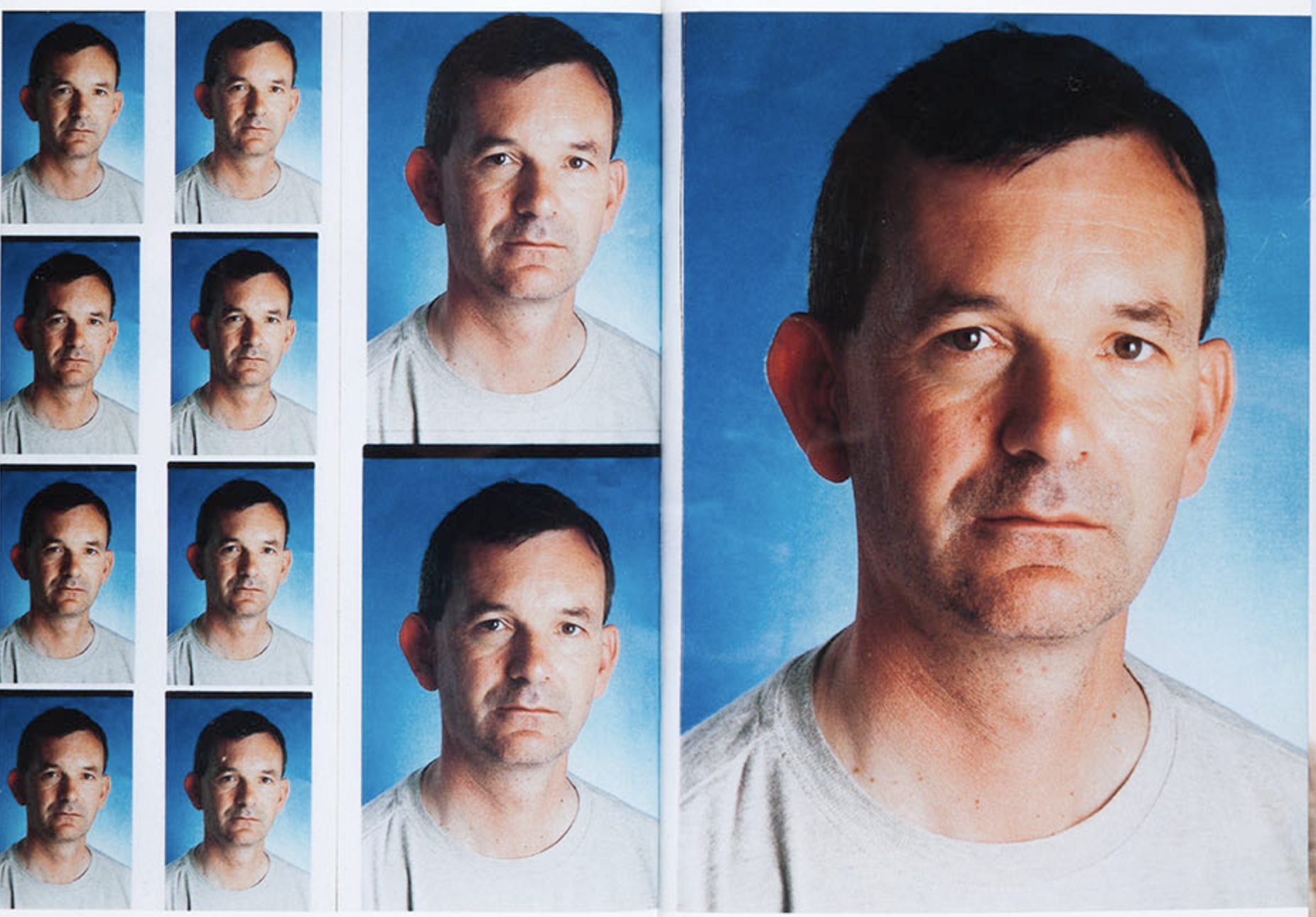
Life and work
Born in Epsom, Surrey, Parr studied photography at Manchester Polytechnic in the early 1970s, before devoting decades to the rituals and absurdities of British life. From early black‑and‑white projects in rural communities to the highly saturated colour of series like The Last Resort, The Cost of Living, Small World and Common Sense, he developed a vocabulary that treated seaside holidays, supermarkets and social gatherings as sites of quiet drama and social critique.
His membership of Magnum Photos from 1994, presidency of the agency in the 2010s, and the publication of more than a hundred photobooks helped cement his reputation as one of the most widely recognised photographers of his generation. The founding of the Martin Parr Foundation in Bristol in 2014 extended that impact, creating a home for British and Irish photography and preserving his own archive alongside others’.
Legacy for street photographers
Parr’s pictures showed that humour, excess, and kitsch could coexist with empathy, that “serious photographs disguised as entertainment” could still carry a sharp, critical edge. His embrace of bold colour, close-up flash and the chaos of public space opened doors for a generation of street photographers who saw in his work permission to look harder at the banal and the awkward, not just the heroic or the beautiful.
Even in later years, while living with cancer, he remained engaged with photography as a way of paying attention to ordinary moments, curating projects that underscored how fragile and precious daily life can be. As news of his death has spread, the tributes from photographers and institutions alike underline what many already felt: that Martin Parr changed not only how Britain looks in photographs, but how photographers everywhere think about the everyday.
My video about what a street photographer can learn from Martin Parr