Category: Photography

  • LiDAR AF Systems: Faster, Smarter Focus for Low‑Light and Video Work

    LiDAR AF Systems: Faster, Smarter Focus for Low‑Light and Video Work

    I find LiDAR AF really interesting because it uses a few laser rangefinders to measure how far your subject is. Instead of relying solely on the camera sensor, the lens is told where to focus. For me, this has helped me achieve sharp focus much faster, even in dark places or with hard-to-focus-on subjects. I think it is especially useful if you like to use manual-focus lenses.

    What LiDAR AF Actually Is

    LiDAR stands for Light Detection and Ranging. It works by sending out small laser pulses and checking how long it takes for them to bounce back. This way, the camera knows how far things are. In a LiDAR AF system, this distance goes straight to the camera or focus motor, so the lens can focus right away.

    LiDAR AF is not like the usual autofocus, which needs contrast or phase information from the sensor. LiDAR is more like an extra brain for your camera, telling the lens where to focus, even if it is very dark or there is not much contrast. I find this really useful for video work or when using a gimbal, because you want the focus to keep up without needing extra lights that could ruin your shot.

    How LiDAR AF Systems Are Built

    Most LiDAR AF systems for cameras have three main parts:

    • A LiDAR distance sensor that sends out laser pulses and reads back how far things are in front of the camera.

    • A controller, which is usually a small board, that turns the distance data into focus positions for the lens and helps with calibration.

    • A focus motor or follow-focus unit that physically moves the focus ring, allowing LiDAR to drive even fully manual cinema lenses.

    Usually, the LiDAR sensor sits close to the lens and lines up with it, so it sees the same thing as the lens. After you put it on, you need to calibrate it by focusing at a few different distances, like infinity, 3 meters, 1 meter, and so on. This helps the system learn how to focus with your lens.

    Why It Matters for Photographers and Filmmakers?

    LiDAR AF is solving some real problems for photographers and filmmakers:

    • Low-light and nightclub work: Since LiDAR uses its own laser, it does not need any ambient light or visible contrast. This means you can get reliable focus even in situations where normal autofocus gets confused.

    • Manual lens autofocus: Some systems, like from DJI and PDMovie, can turn old manual focus lenses into almost autofocus lenses by moving the focus ring with a motor, using the LiDAR distance.

    • Predictable focus pulls: After you calibrate the system, it can repeat exact focus moves between two distances. This is really helpful for storytelling and when you want smooth, controlled focus pulls.

    Mirrorless cameras are much better these days, but they still struggle with things like backlit hair, small faces far away, or subjects with very little contrast. LiDAR AF avoids most of these problems because it just measures the distance. That is why more people are starting to use it for video, even if it means a bit more gear and setup.

    Current Uses and Where Itis going?

    LiDAR has been around for a long time in things like self-driving cars, robots, and mapping. In those cases, it makes detailed 3D maps by sending out lots of laser pulses. For cameras, LiDAR AF uses the same idea, but just for focusing at shorter distances and working with lenses, not for making full 3D maps. 3D maps.

    Today, LiDAR AF is appearing in:

    • Dedicated cinema focus systems that sit on rails, pair with wireless controllers, and support follow‑focus style operation.

    • Hybrid mirrorless setups where a LiDAR range finder feeds distance data into the camera body to improve or replace existing AF in video modes.

    • Mobile devices and future wearables, where LiDAR and tunable optics could even drive autofocus in glasses and head‑mounted displays.

    In the future, LiDAR modules will get smaller and cheaper, and I think we will see cameras that use both LiDAR and normal autofocus together. This could mean smarter subject detection and really good focusing even in the dark. For me, LiDAR AF is not just a new trick, but a real tool that lets us control focus almost like we control aperture or shutter speed.

    My source for this post was the LiDAR Wikipedia page.

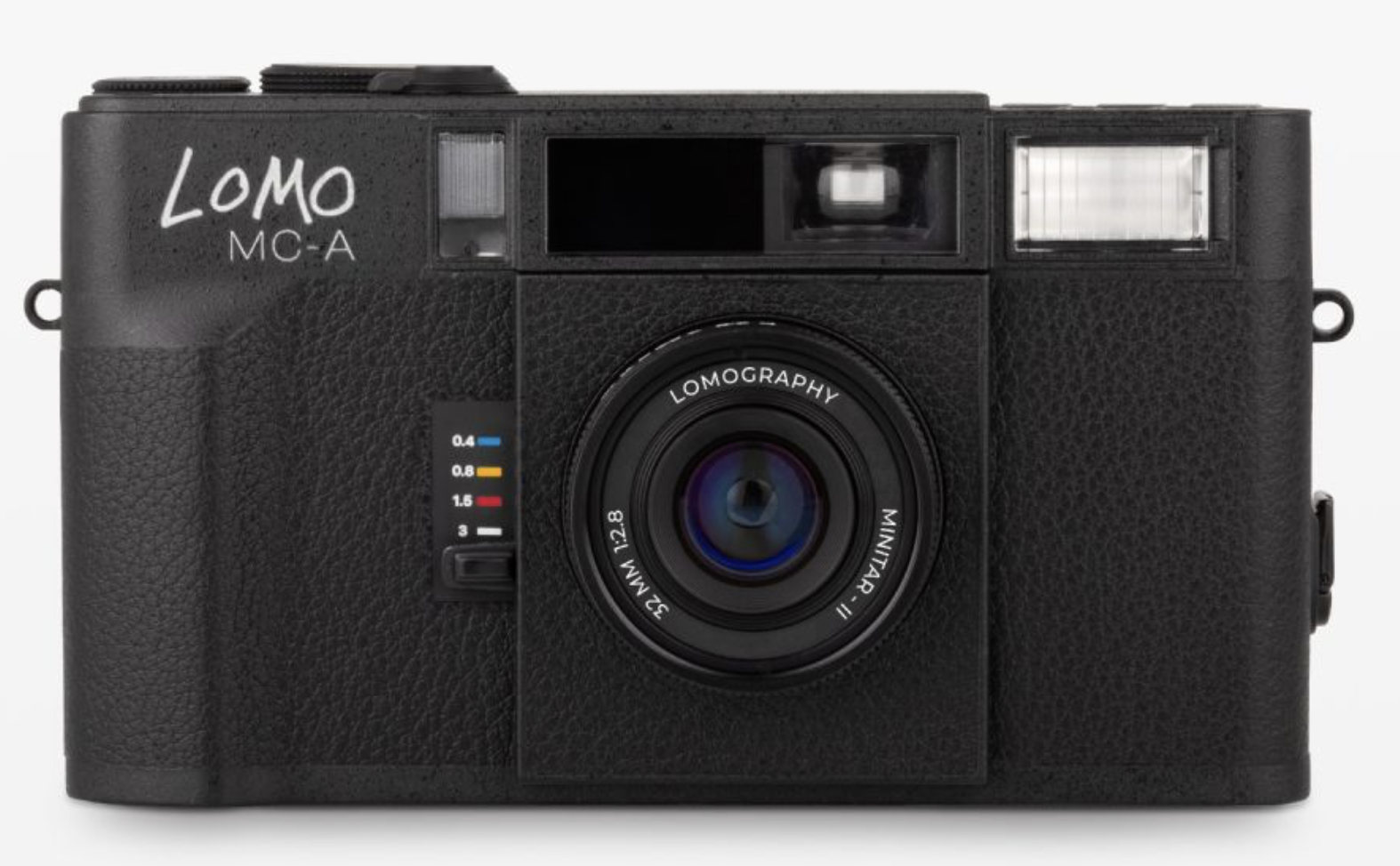
    This blog post was part of my testing of the LOMO MC-A film camera. Check out my video about it, or head straight to Lomography and treat yourself to a brand-new film camera.
  • Photographer Christopher Anderson is a genius!

    The latest issue of Vanity Fair features some of the most striking photojournalism by Christopher Anderson I’ve seen in a very long time. The images appear in a two-part story about the Trump administration, and they’ve quickly gone viral, for good reason. The photographs are powerful, deeply considered, and unmistakably the work of a seasoned professional.

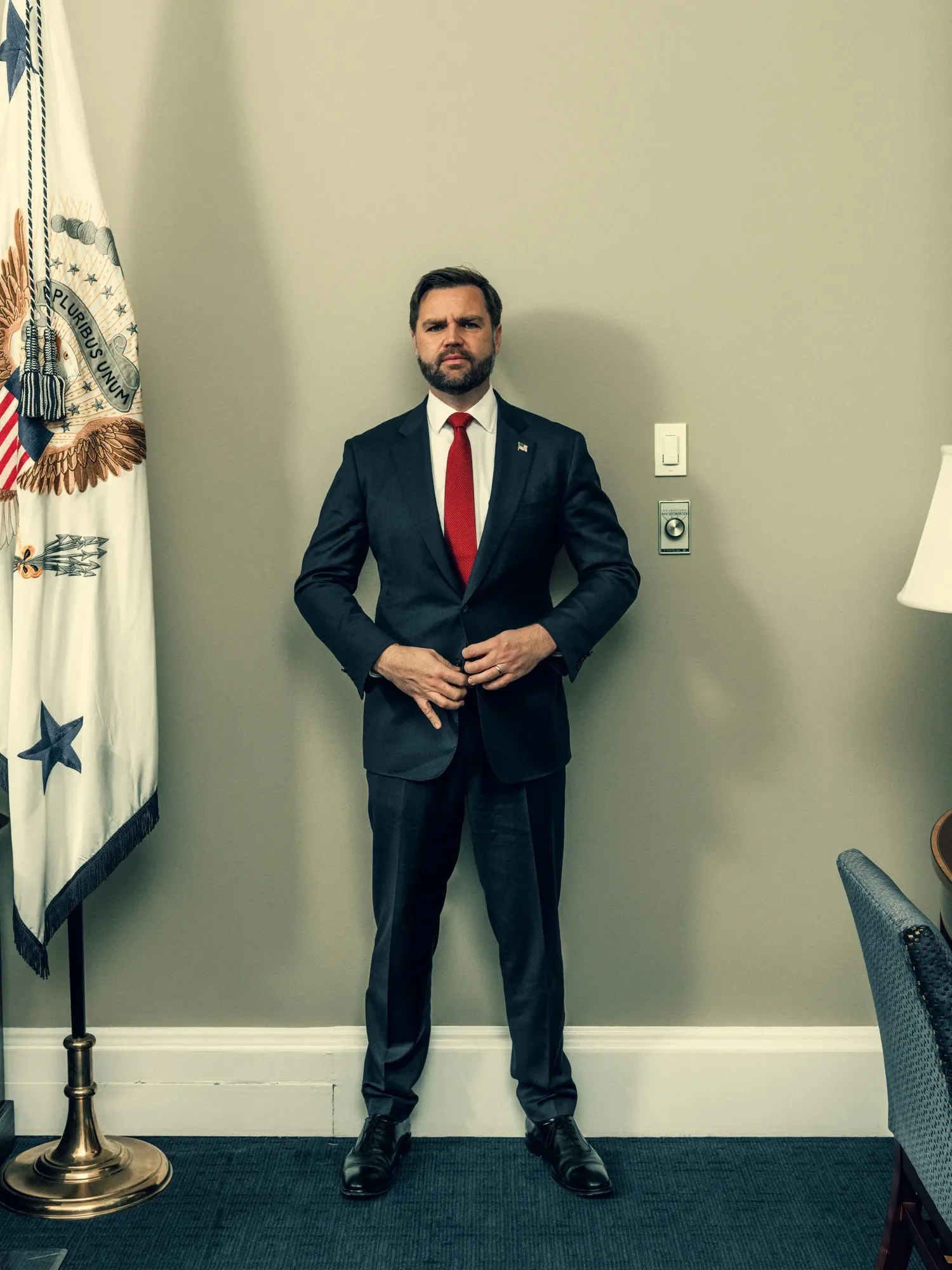
    What makes these photos so compelling is their deceptive simplicity. At first glance, they might look “imperfect”; subjects are photographed against walls, harsh shadows are cast, and clutter fills parts of the frame. But these so-called mistakes are anything but accidental. They’re deliberate choices, made to serve the story. Each visual “flaw” adds tension, realism, and emotional weight. It’s a masterclass in how intentional imperfection can reveal more truth than polished imagery ever could.

    Image by Christopher Anderson, Vanity Fair

    This image above is a good example. The shadow, the light switch, and so on. The composition also leaves a lot of room at the top. That tells me that Christopher Anderson wanted to show him smaller. Someone has said that the images look like they were taken from a gallery of staff in a small, outdated hotel…

    This is the kind of work that highlights the difference between an amateur snapshot, an AI-generated image, and a photograph crafted by a true storyteller. You can’t fake that instinct, the ability to break rules for a purpose, to make imperfection expressive. Ironically, it takes years of discipline and experience to photograph something that feels so raw and unfiltered.

    Some readers seem to have missed Christopher Anderson’s point with this series. Yes, he’s documenting the Trump administration, but he’s also interpreting it. He’s expressing a perspective, offering commentary through tone, composition, and nuance. That’s where photojournalism becomes complex. On the one hand, a journalist should aim to inform without bias. On the other hand, photography has always carried a voice, a mood, and a moral stance, especially when done by an artist as thoughtful as Anderson.

    I admire Anderson’s courage to imbue his work with opinion while staying true to the journalistic craft. His photographs remind us what professional photojournalism really is: not just recording events, but revealing meaning. This is something that no AI or casual snapshot can replicate. It’s the human touch, the intuition, the empathy, and the risk that define the difference.

    Christopher Anderson’s Vanity Fair series doesn’t just cover a political story. It stands as a vivid reminder of what photography can still do in capable hands.

    Read the whole story with all the images from Vanity Fair, part one, part two. The stories are behind a paywall, but a Vanity Fair digital subscription is only $12 a year (+taxes), so I paid the total of $13,20. Seeing this magnificent work from Christopher Anderson is worth more than $13,20.

  • Farewell to Martin Parr, Poet of the Everyday

    Martin Parr (1952–2025) was one of the defining documentary and street photographers of the last fifty years, and his passing on 6 December at his home in Bristol marks the end of a truly singular eye on everyday life. For those of us who work in the streets with a camera, his influence is so deeply woven into the visual language of contemporary photography that it can be hard to see where his work ends and ours begins.

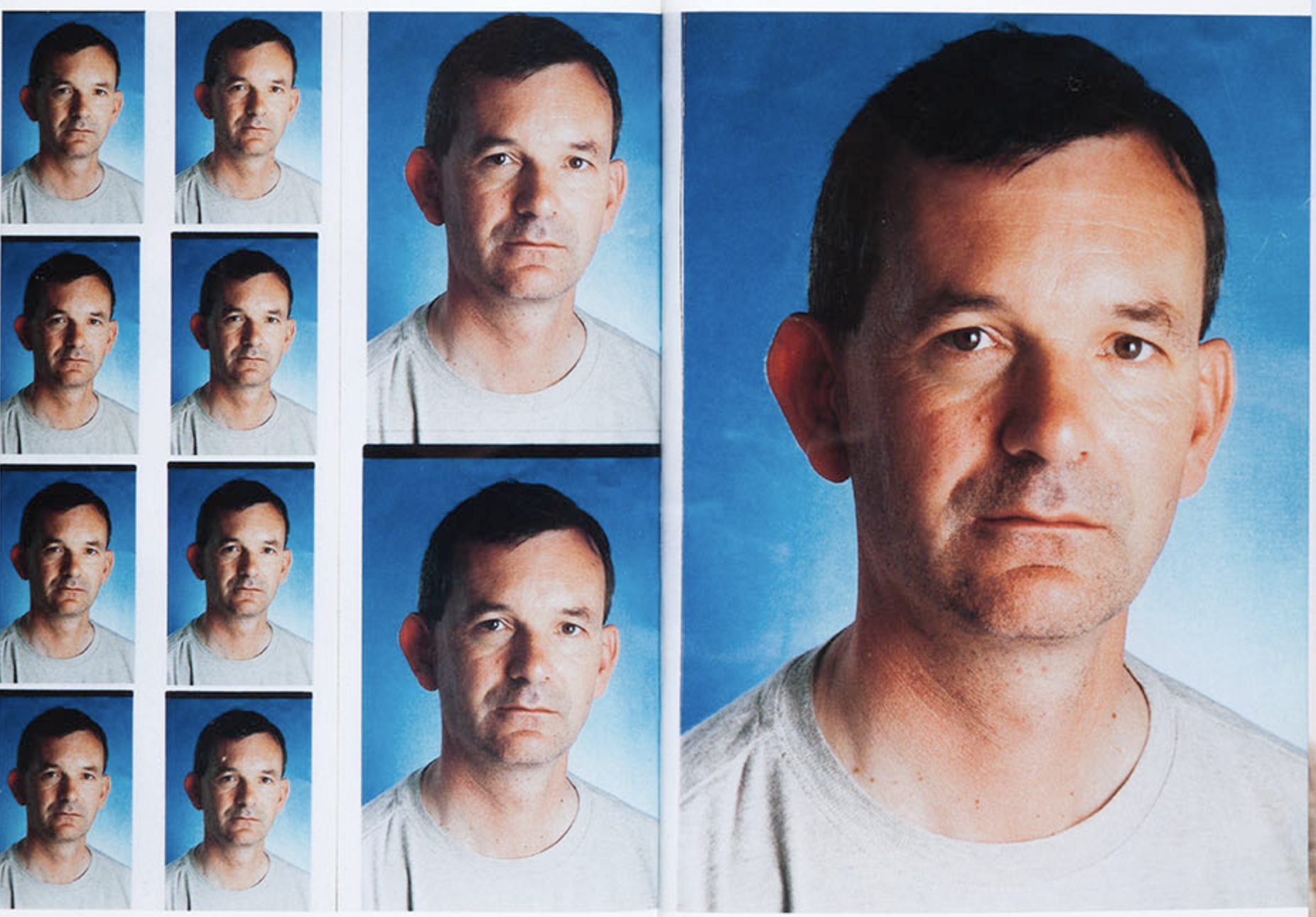
    image from his book Autoportrait (2000), source: Books

    Life and work

    Born in Epsom, Surrey, Parr studied photography at Manchester Polytechnic in the early 1970s, before devoting decades to the rituals and absurdities of British life. From early black‑and‑white projects in rural communities to the highly saturated colour of series like The Last Resort, The Cost of Living, Small World and Common Sense, he developed a vocabulary that treated seaside holidays, supermarkets and social gatherings as sites of quiet drama and social critique.

    His membership of Magnum Photos from 1994, presidency of the agency in the 2010s, and the publication of more than a hundred photobooks helped cement his reputation as one of the most widely recognised photographers of his generation. The founding of the Martin Parr Foundation in Bristol in 2014 extended that impact, creating a home for British and Irish photography and preserving his own archive alongside others’.

    Legacy for street photographers

    Parr’s pictures showed that humour, excess, and kitsch could coexist with empathy, that “serious photographs disguised as entertainment” could still carry a sharp, critical edge. His embrace of bold colour, close-up flash and the chaos of public space opened doors for a generation of street photographers who saw in his work permission to look harder at the banal and the awkward, not just the heroic or the beautiful.

    Even in later years, while living with cancer, he remained engaged with photography as a way of paying attention to ordinary moments, curating projects that underscored how fragile and precious daily life can be. As news of his death has spread, the tributes from photographers and institutions alike underline what many already felt: that Martin Parr changed not only how Britain looks in photographs, but how photographers everywhere think about the everyday.

    My video about what a street photographer can learn from Martin Parr

    Martin Parr website

    Martin Parr Foundation