I find LiDAR AF really interesting because it uses a few laser rangefinders to measure how far your subject is. Instead of relying solely on the camera sensor, the lens is told where to focus. For me, this has helped me achieve sharp focus much faster, even in dark places or with hard-to-focus-on subjects. I think it is especially useful if you like to use manual-focus lenses.
What LiDAR AF Actually Is
LiDAR stands for Light Detection and Ranging. It works by sending out small laser pulses and checking how long it takes for them to bounce back. This way, the camera knows how far things are. In a LiDAR AF system, this distance goes straight to the camera or focus motor, so the lens can focus right away.
LiDAR AF is not like the usual autofocus, which needs contrast or phase information from the sensor. LiDAR is more like an extra brain for your camera, telling the lens where to focus, even if it is very dark or there is not much contrast. I find this really useful for video work or when using a gimbal, because you want the focus to keep up without needing extra lights that could ruin your shot.
How LiDAR AF Systems Are Built
Most LiDAR AF systems for cameras have three main parts:
A LiDAR distance sensor that sends out laser pulses and reads back how far things are in front of the camera.
A controller, which is usually a small board, that turns the distance data into focus positions for the lens and helps with calibration.
A focus motor or follow-focus unit that physically moves the focus ring, allowing LiDAR to drive even fully manual cinema lenses.
Usually, the LiDAR sensor sits close to the lens and lines up with it, so it sees the same thing as the lens. After you put it on, you need to calibrate it by focusing at a few different distances, like infinity, 3 meters, 1 meter, and so on. This helps the system learn how to focus with your lens.
Why It Matters for Photographers and Filmmakers?
LiDAR AF is solving some real problems for photographers and filmmakers:
Low-light and nightclub work: Since LiDAR uses its own laser, it does not need any ambient light or visible contrast. This means you can get reliable focus even in situations where normal autofocus gets confused.
Manual lens autofocus: Some systems, like from DJI and PDMovie, can turn old manual focus lenses into almost autofocus lenses by moving the focus ring with a motor, using the LiDAR distance.
Predictable focus pulls: After you calibrate the system, it can repeat exact focus moves between two distances. This is really helpful for storytelling and when you want smooth, controlled focus pulls.
Mirrorless cameras are much better these days, but they still struggle with things like backlit hair, small faces far away, or subjects with very little contrast. LiDAR AF avoids most of these problems because it just measures the distance. That is why more people are starting to use it for video, even if it means a bit more gear and setup.
Current Uses and Where Itis going?
LiDAR has been around for a long time in things like self-driving cars, robots, and mapping. In those cases, it makes detailed 3D maps by sending out lots of laser pulses. For cameras, LiDAR AF uses the same idea, but just for focusing at shorter distances and working with lenses, not for making full 3D maps. 3D maps.
Today, LiDAR AF is appearing in:
Dedicated cinema focus systems that sit on rails, pair with wireless controllers, and support follow‑focus style operation.
Hybrid mirrorless setups where a LiDAR range finder feeds distance data into the camera body to improve or replace existing AF in video modes.
Mobile devices and future wearables, where LiDAR and tunable optics could even drive autofocus in glasses and head‑mounted displays.
In the future, LiDAR modules will get smaller and cheaper, and I think we will see cameras that use both LiDAR and normal autofocus together. This could mean smarter subject detection and really good focusing even in the dark. For me, LiDAR AF is not just a new trick, but a real tool that lets us control focus almost like we control aperture or shutter speed.
My source for this post was the LiDAR Wikipedia page.
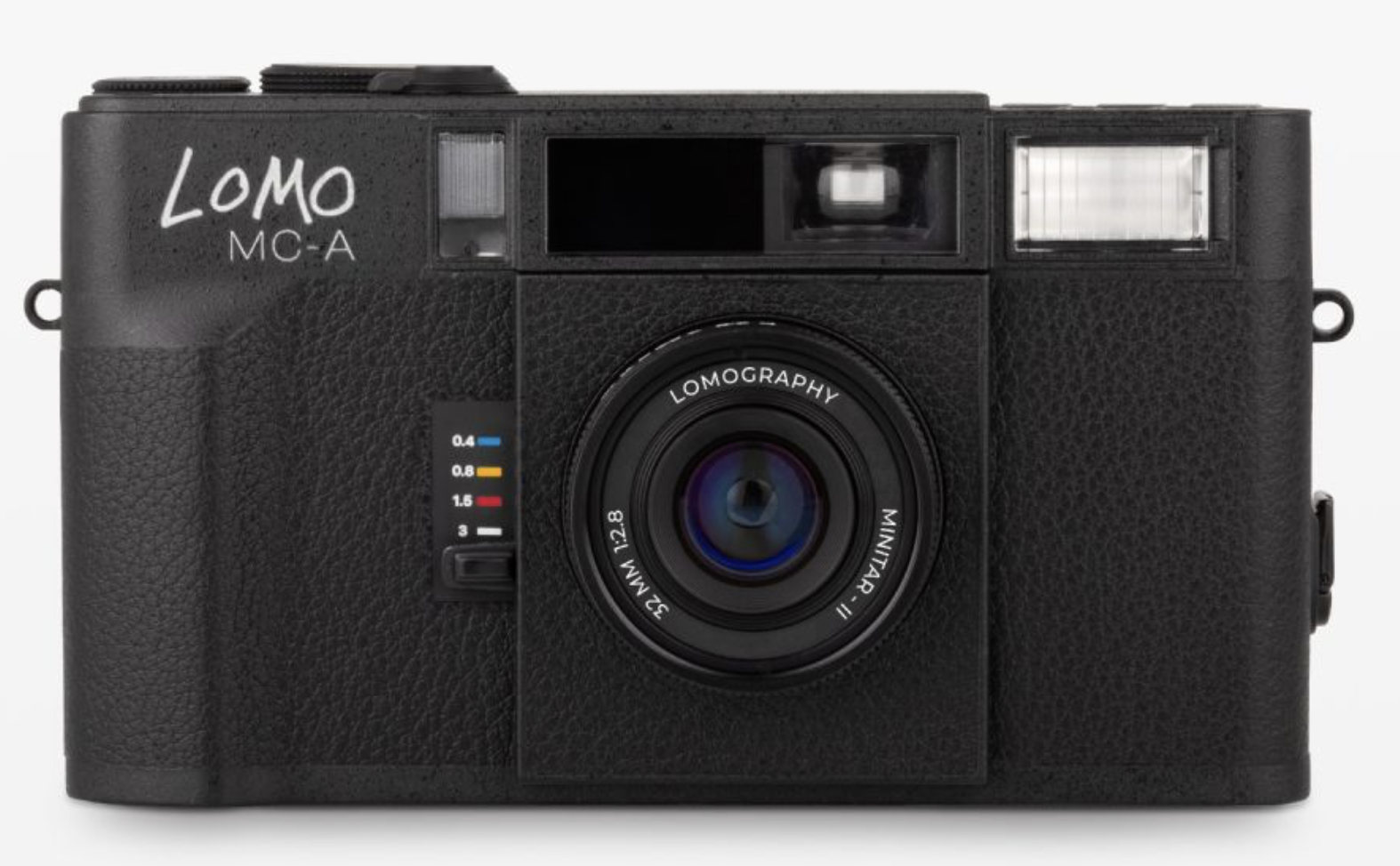
This blog post was part of my testing of the LOMO MC-A film camera. Check out my video about it, or head straight to Lomography and treat yourself to a brand-new film camera.
Leave a Reply