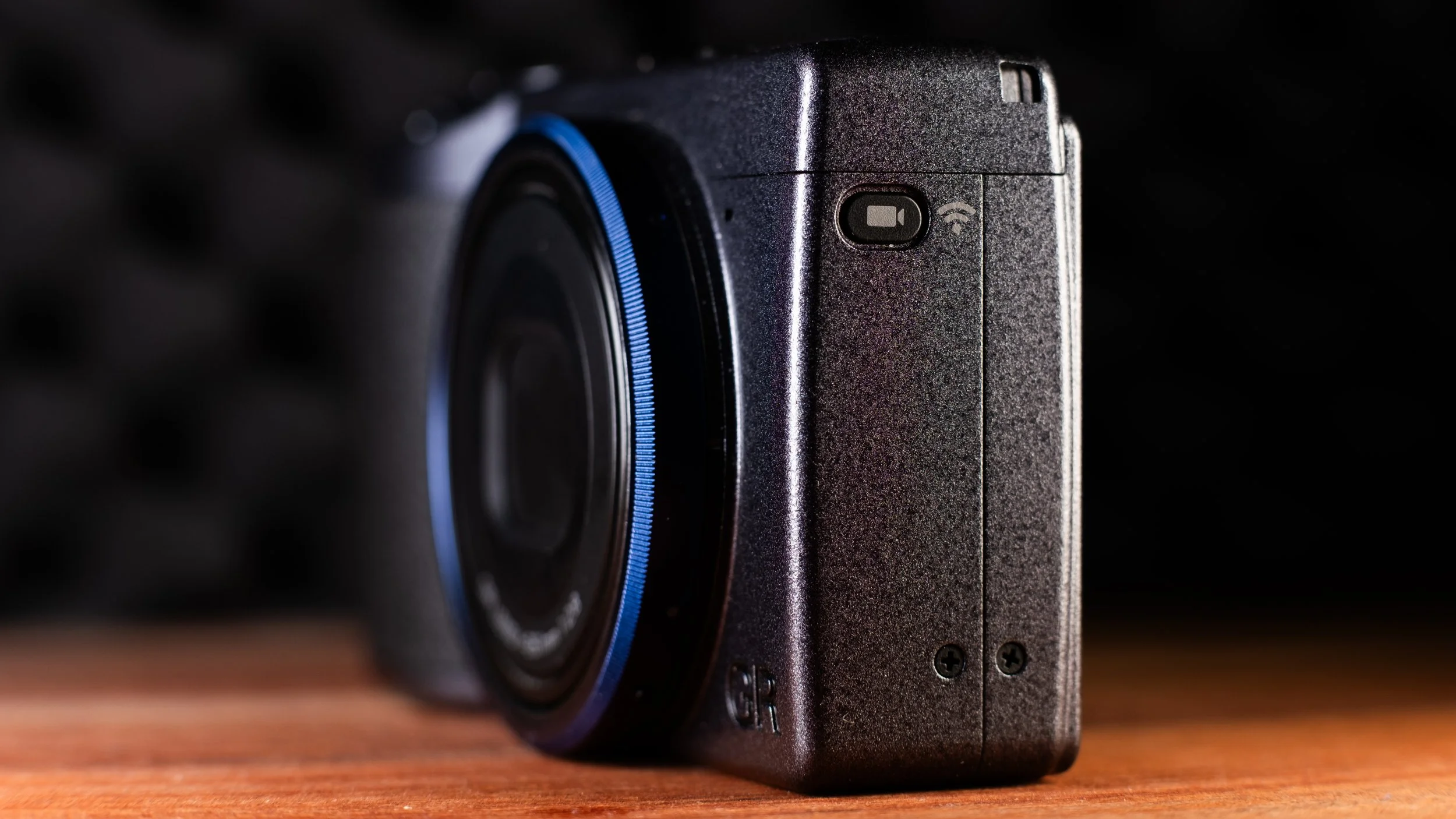
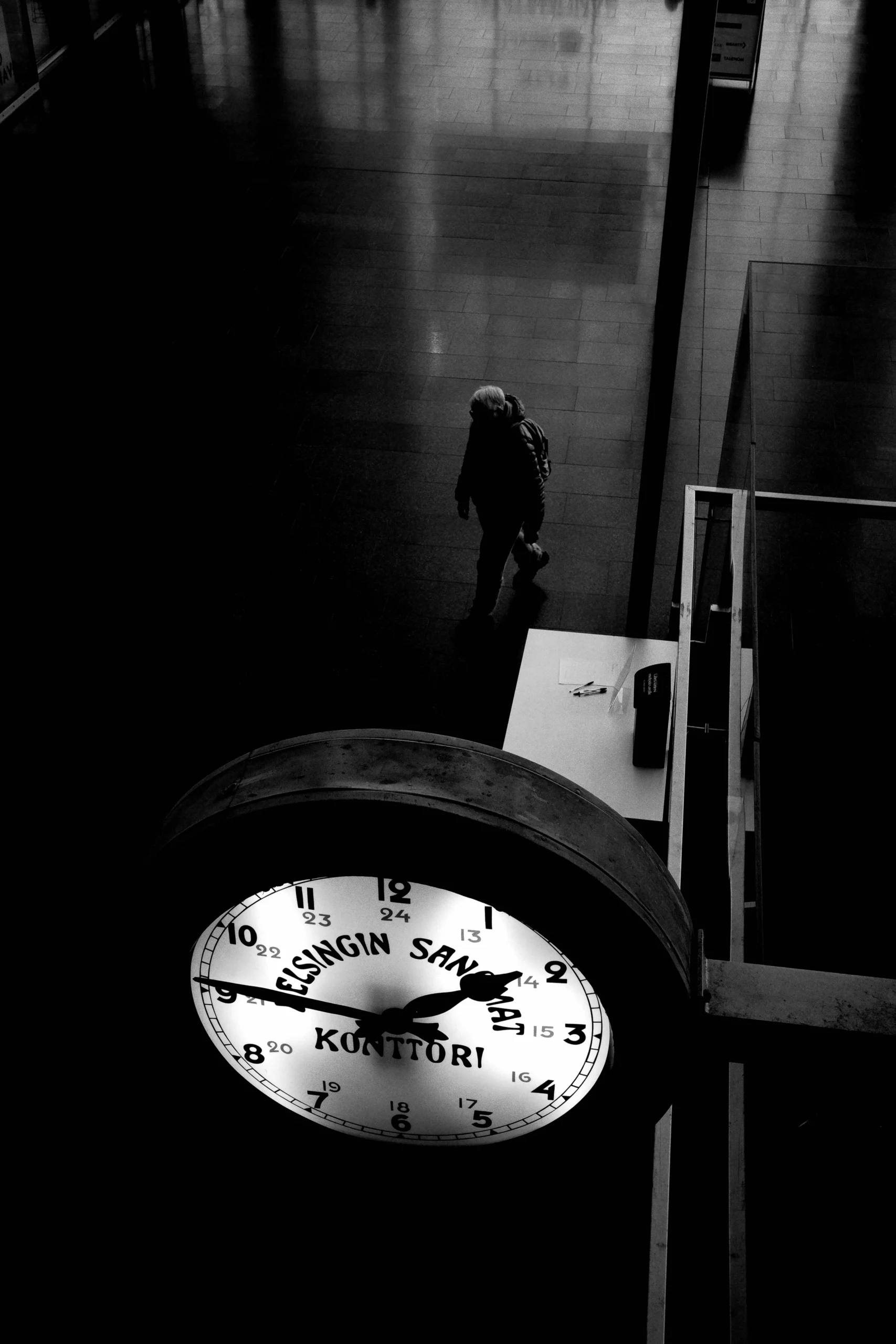
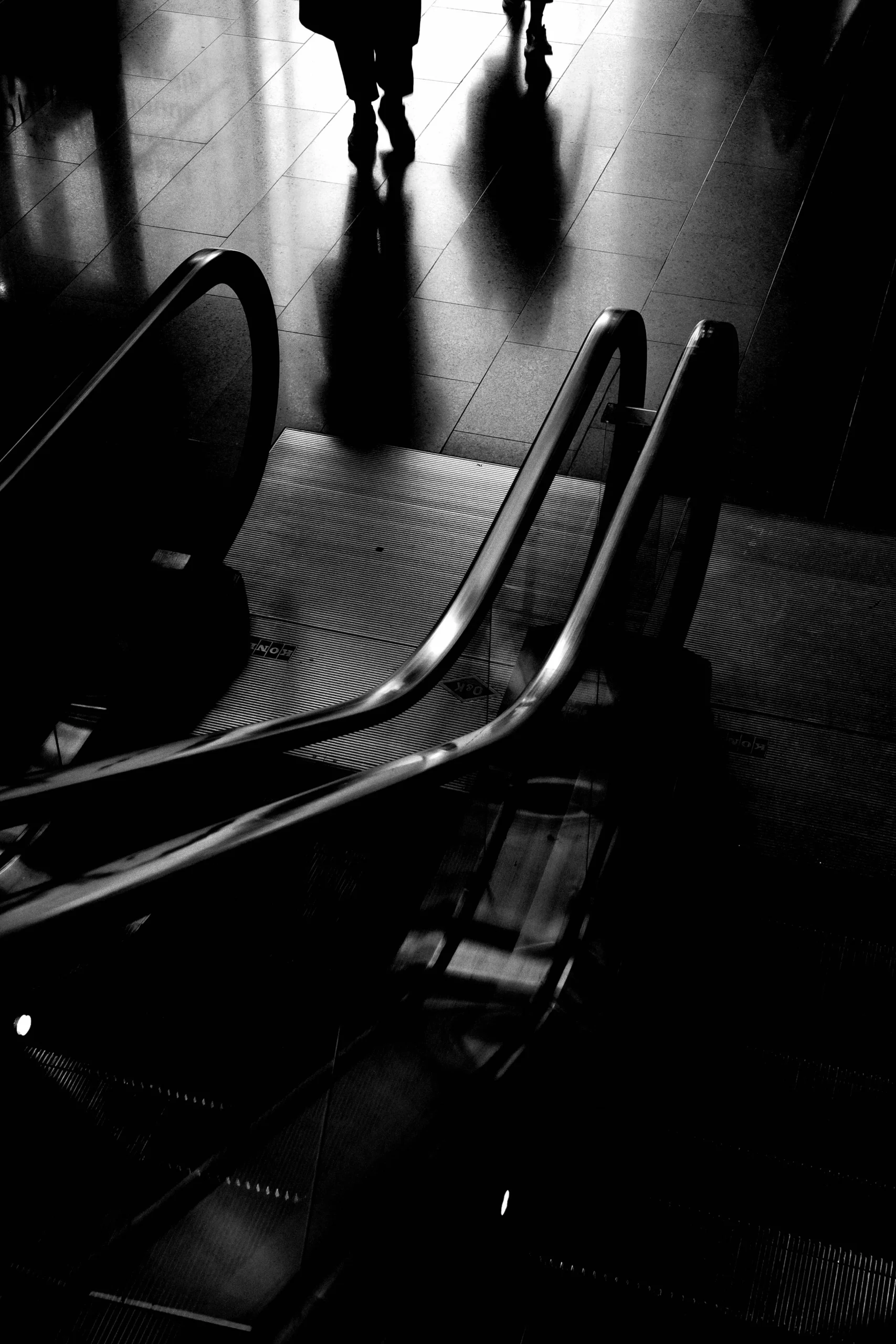
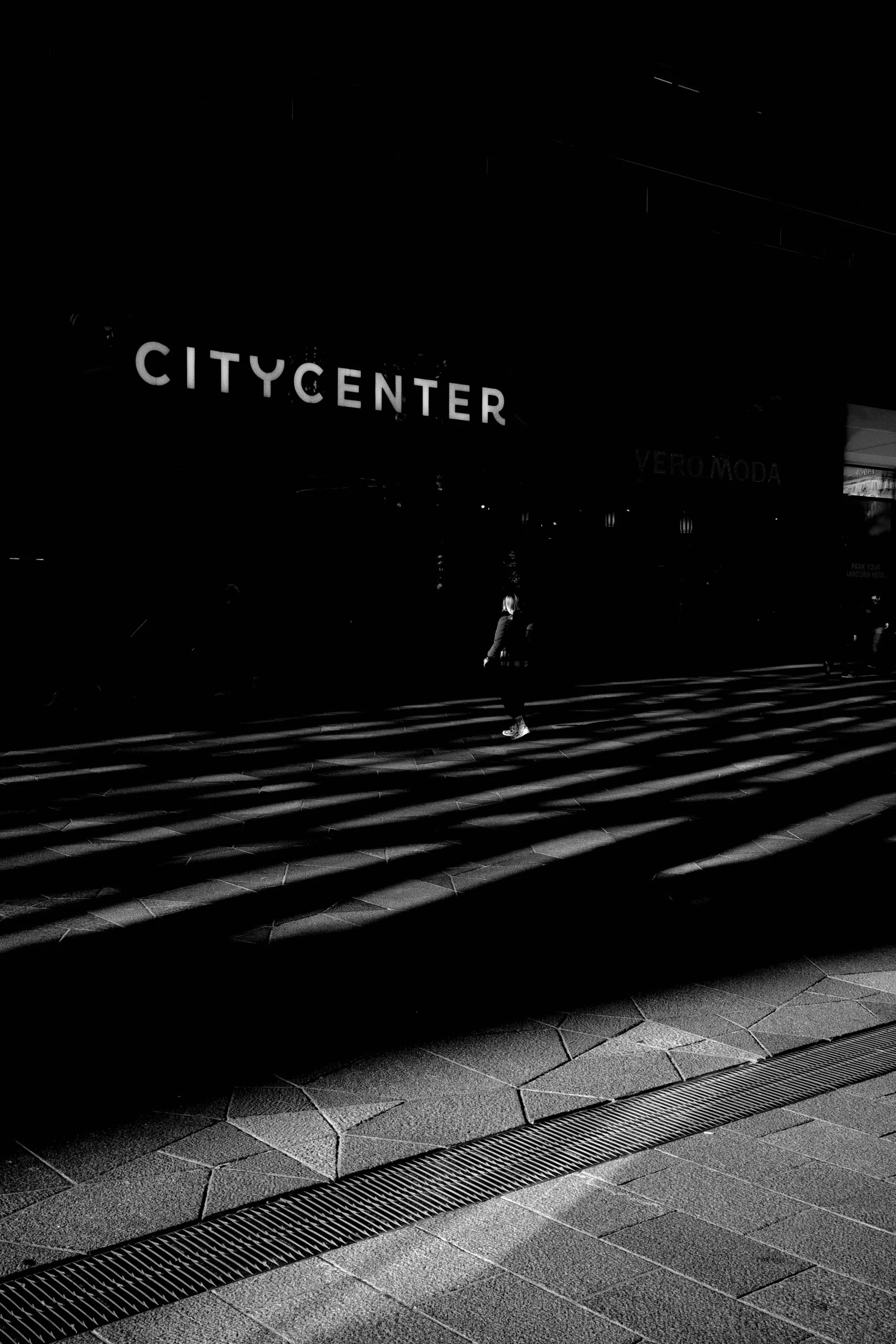
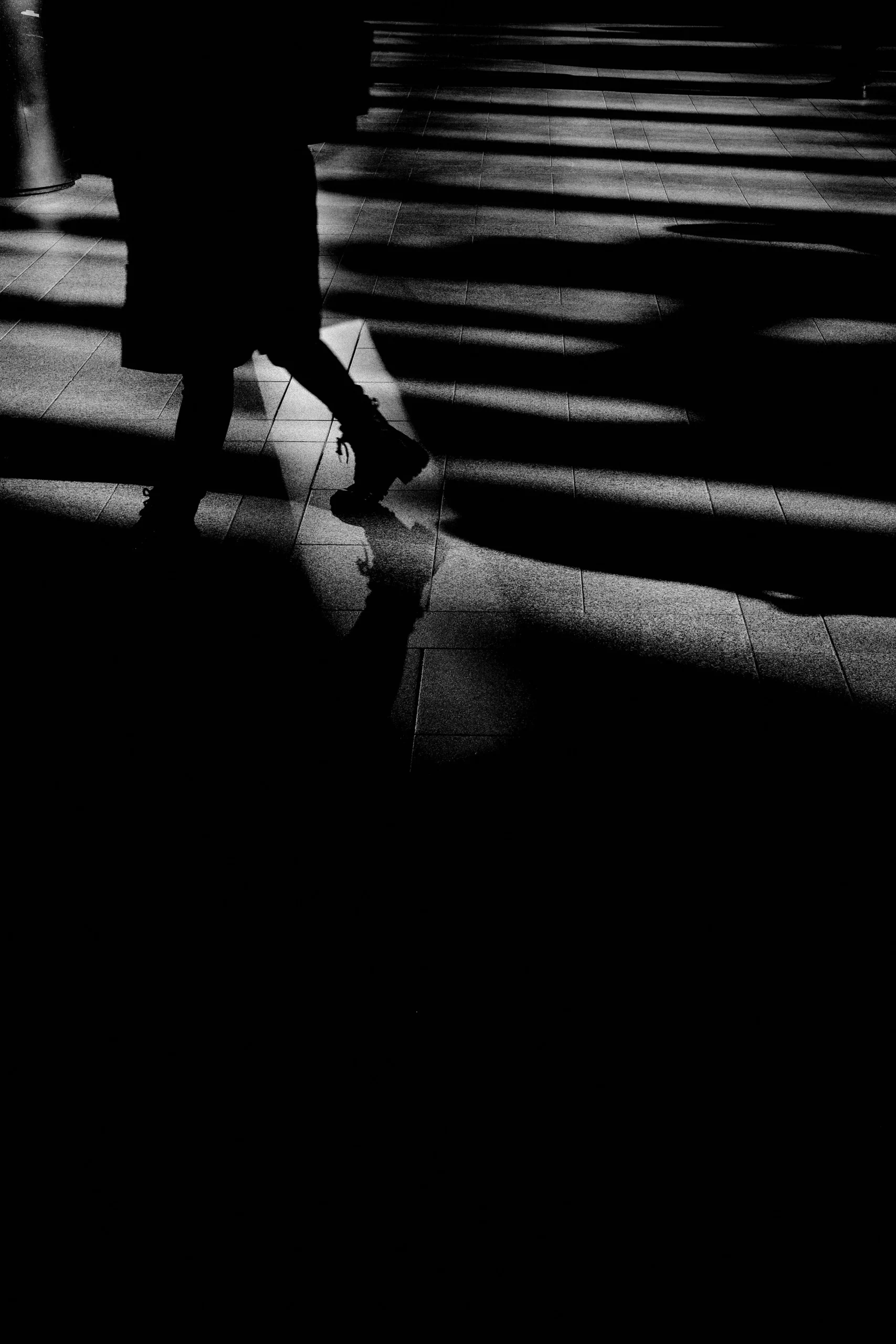
I like to use the High-Contrast Black-and-White settings on my Ricoh GR3x. It gives a nice contrasty image. In most cases, the images do not need any post-processing. I can shoot JPEG.
The only setting I change is the sharpeness to +2. Everything else is just as it is. It’s a very simple recipe.
You can see the results in my newest video about High-Contrast images. Most images are quite abstract. They might not be for everyone, but I like the look.
The video was sponsored by Skillshare, the largest online learning platform. The first 500 to click this link will receive one month of free classes on Skillshare. Check it out!
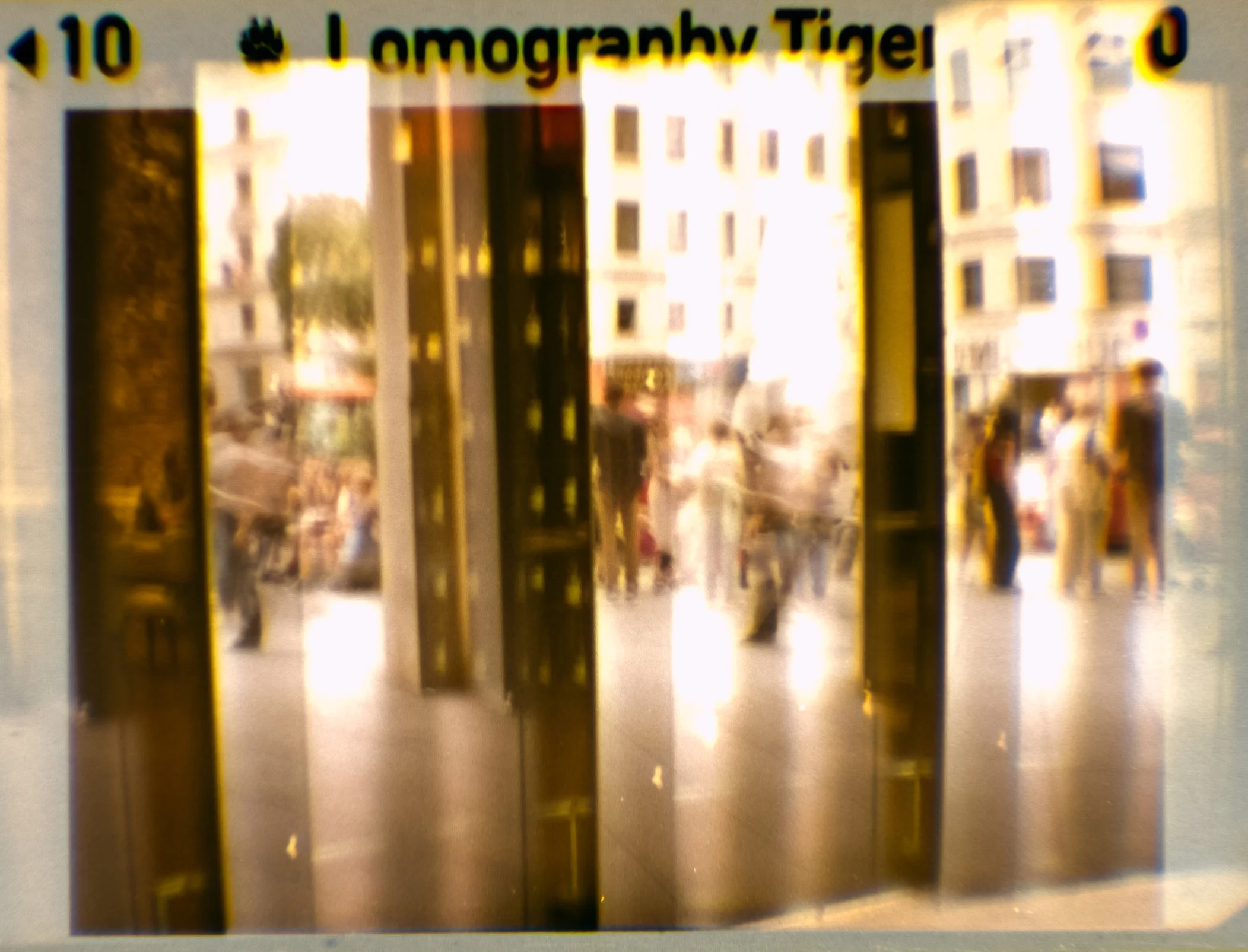
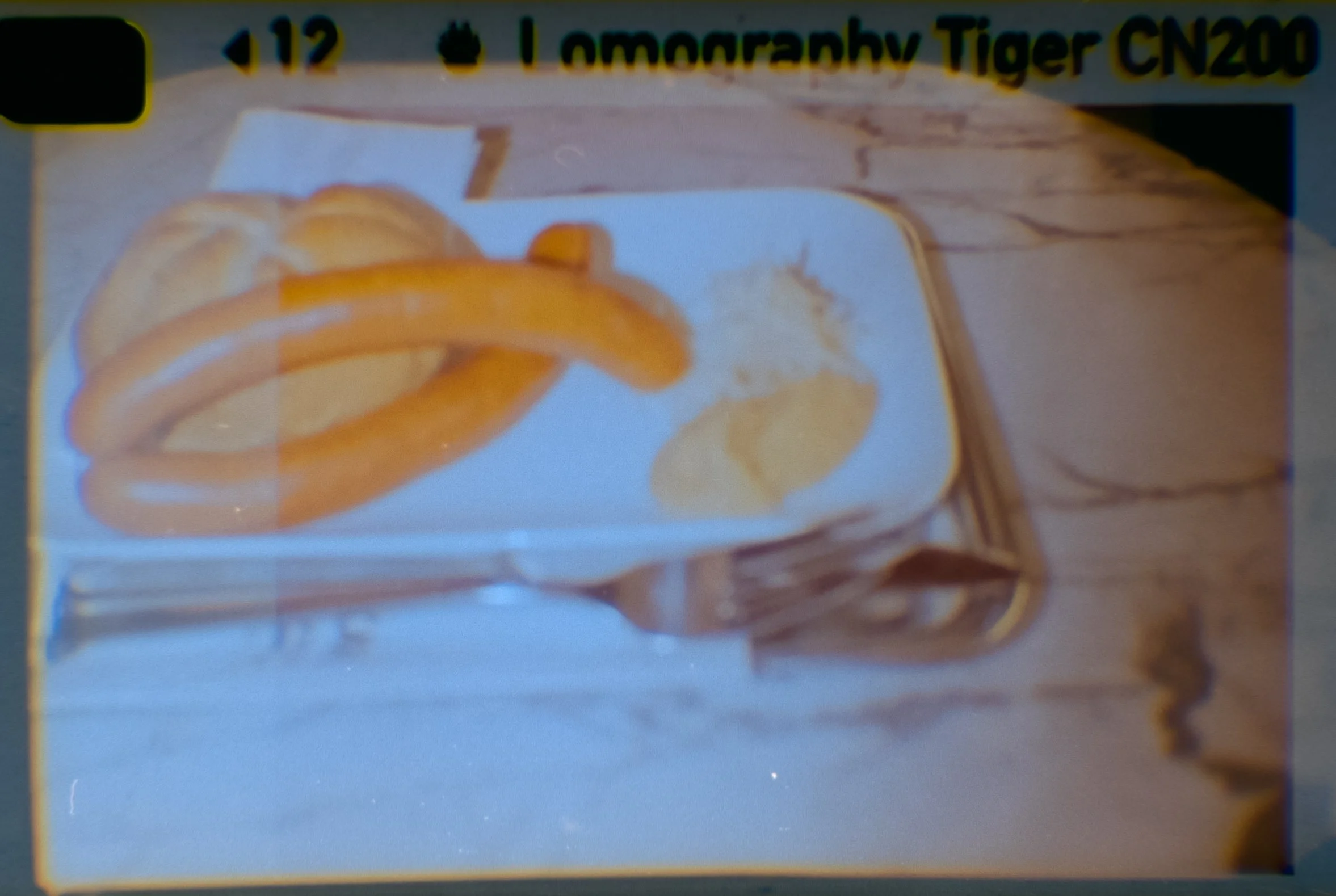
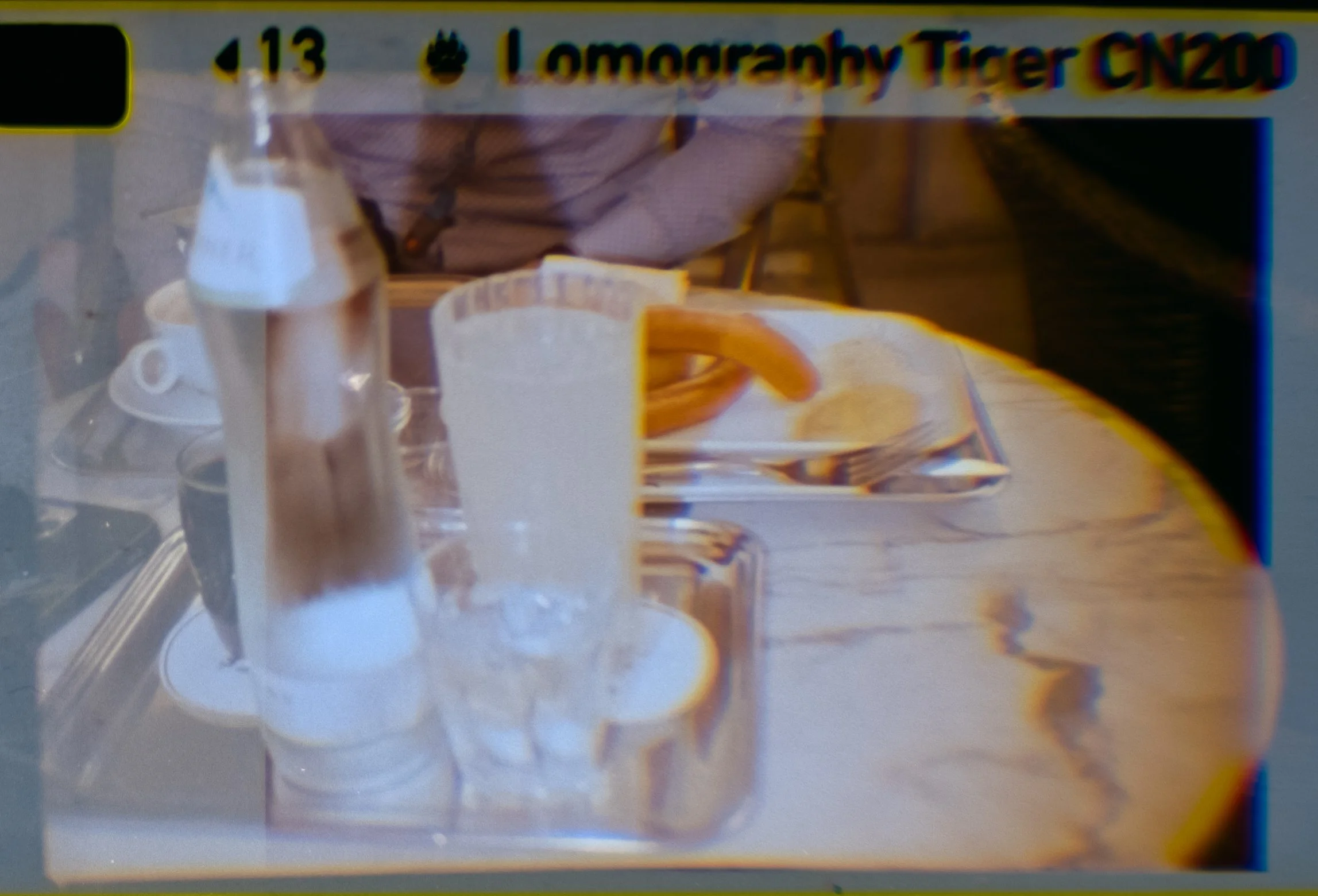
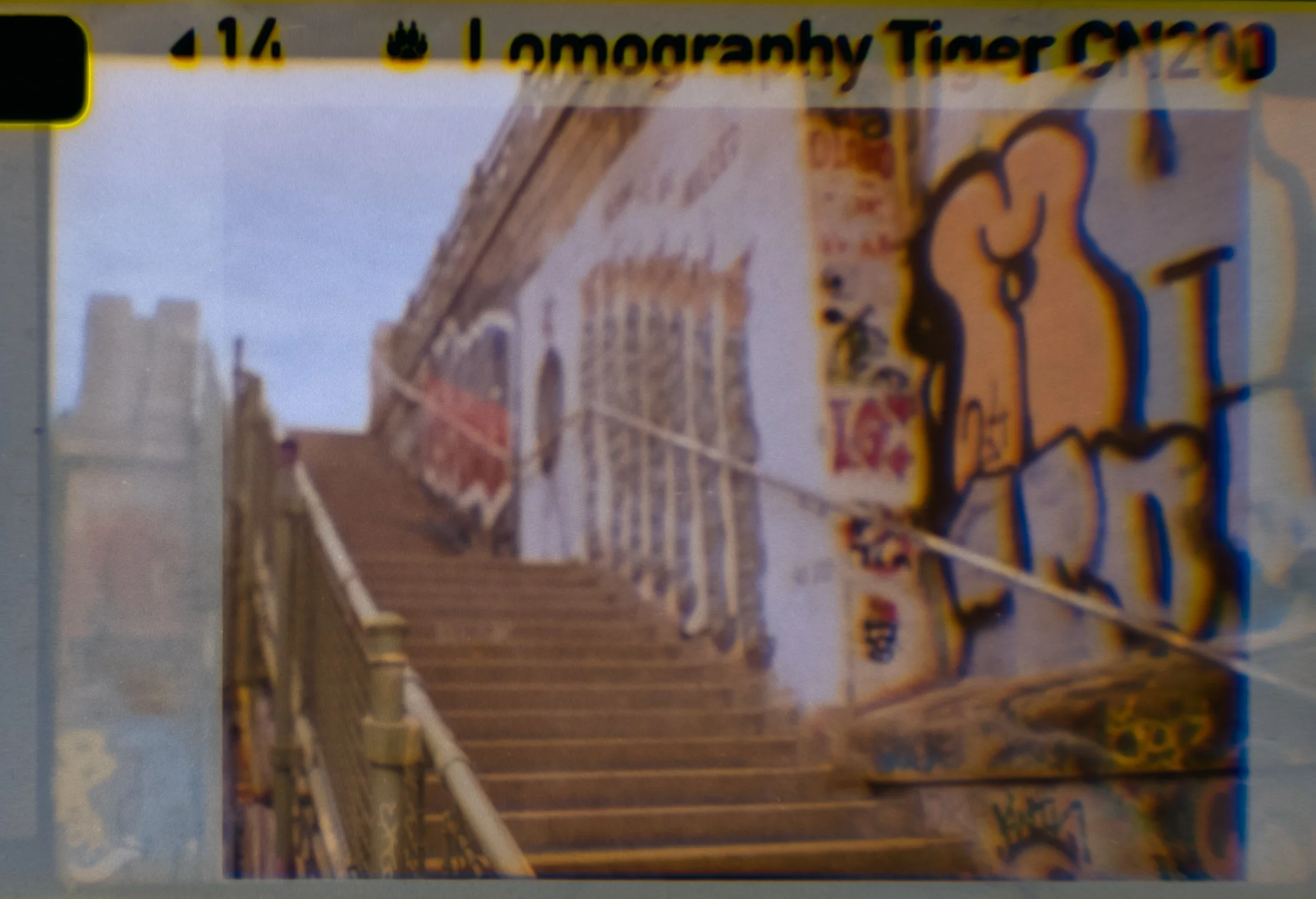
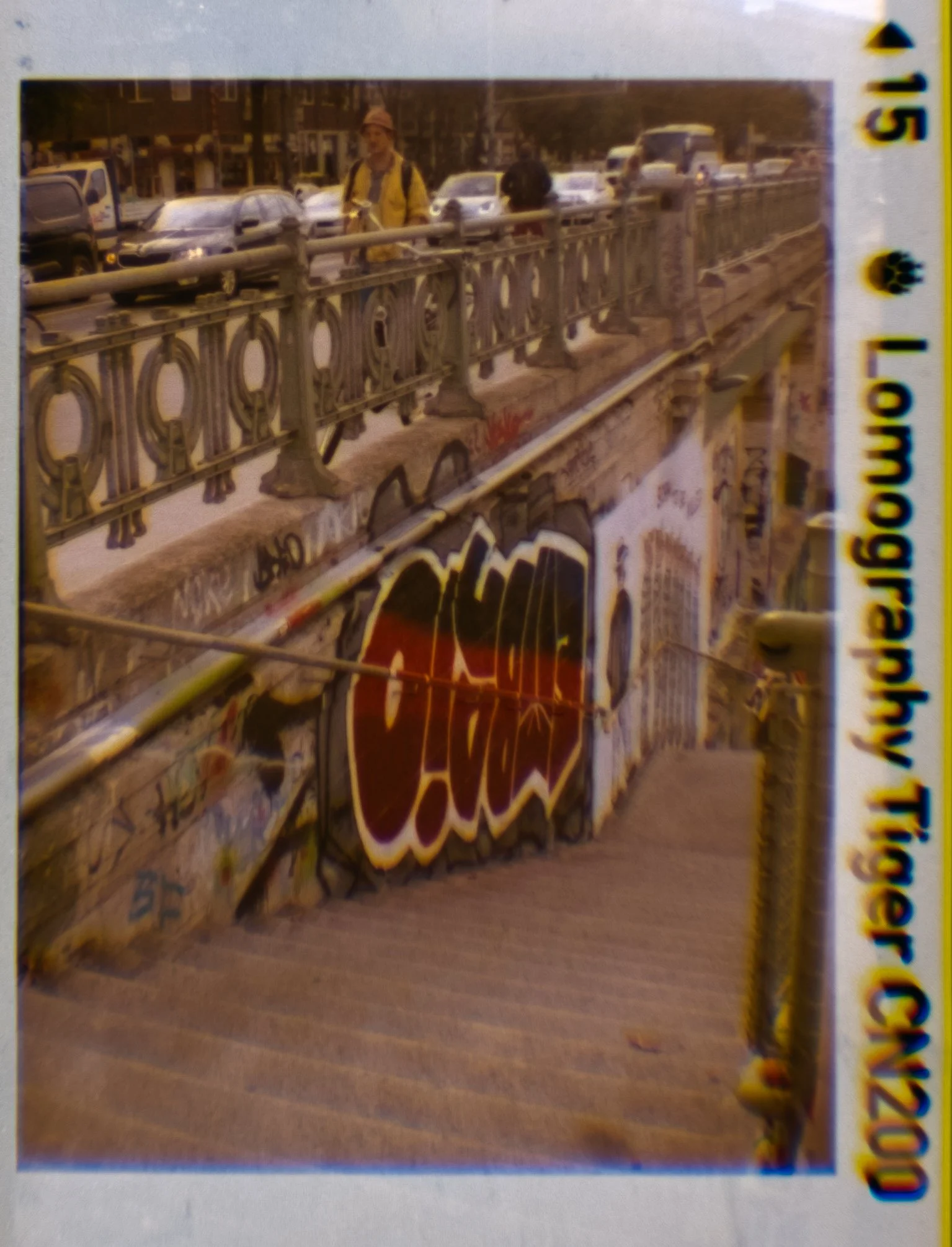
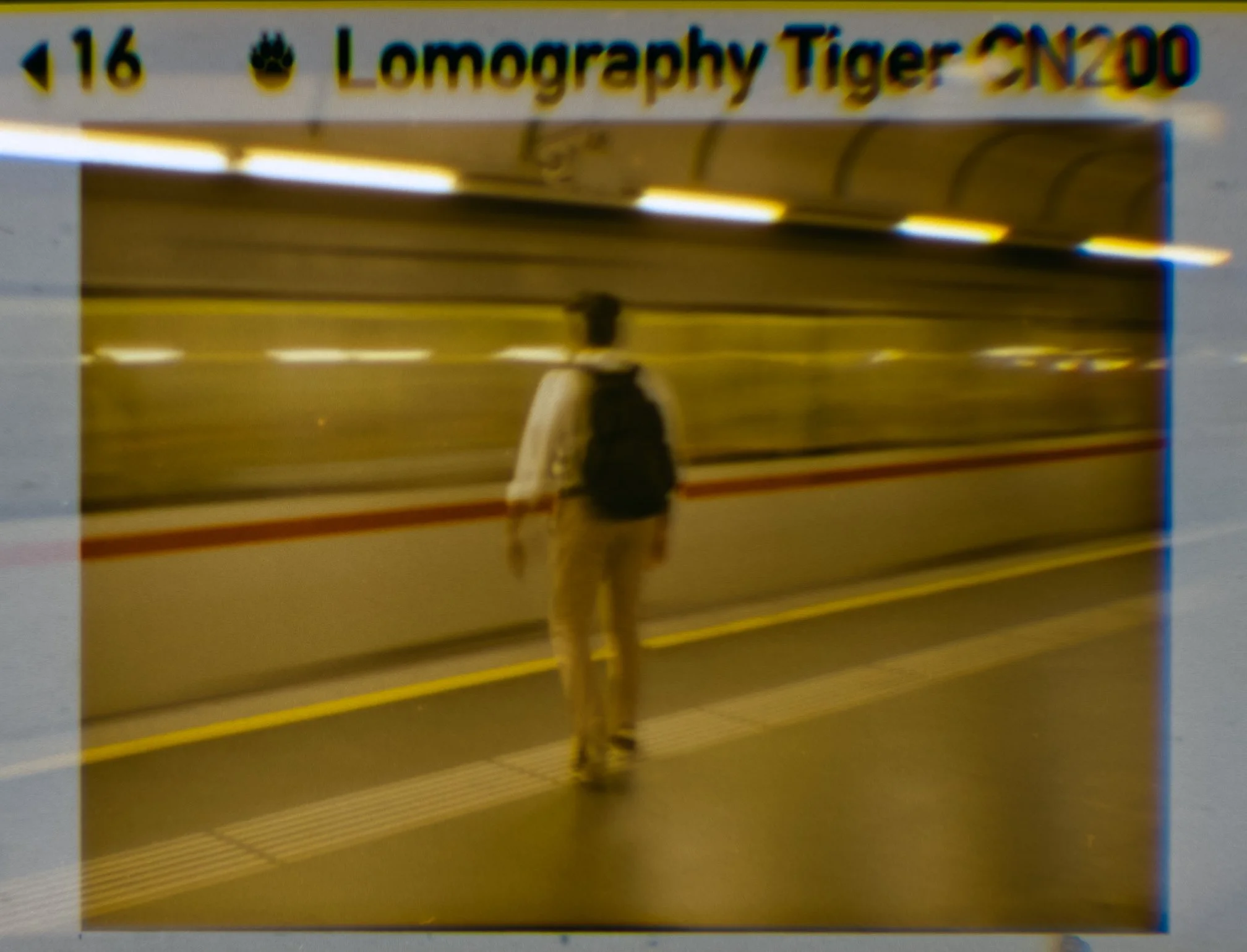
I explored the vibrant streets of Vienna with a unique camera. I embarked on a photographic adventure that combined nostalgia with modern creativity.
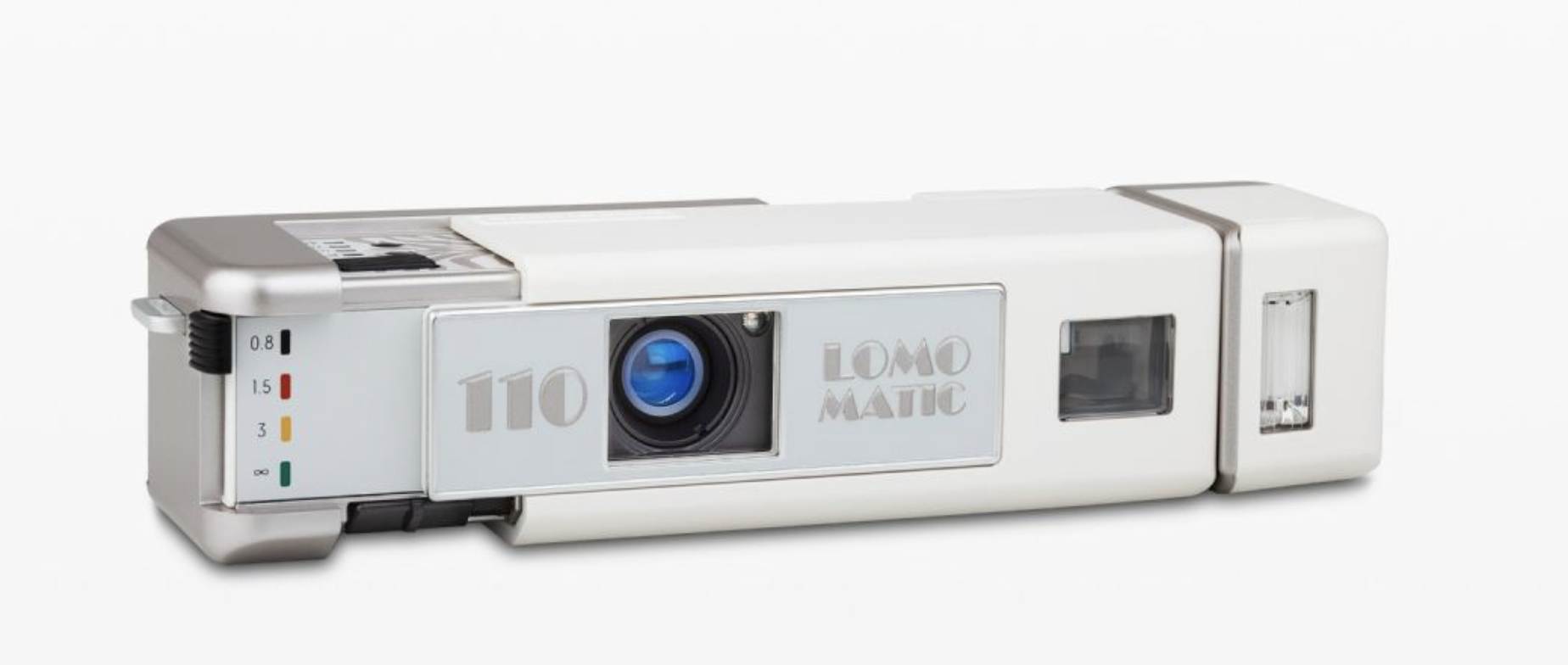
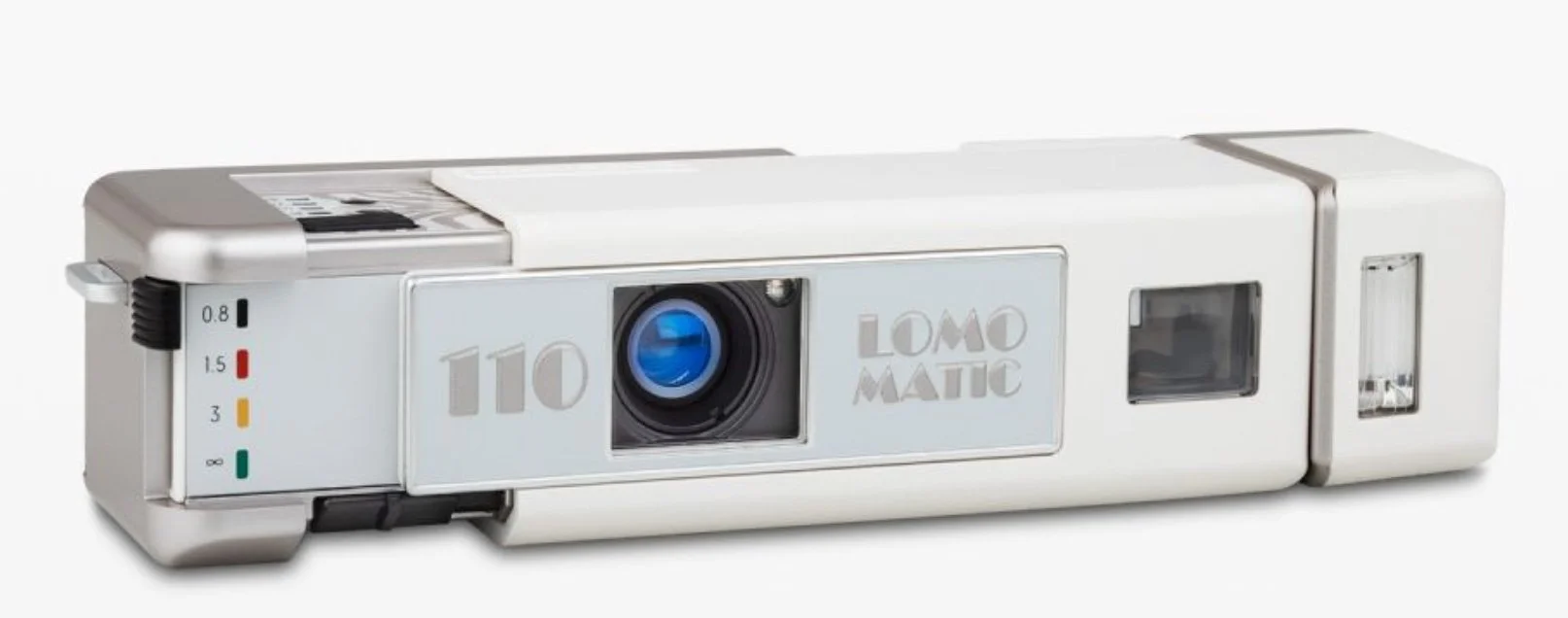
The Lomomatic 110 Camera, a recent release by Lomo, offers a blend of vintage charm and contemporary design.
The Lomomatic 110 Zebra Camera
image: Lomography.com
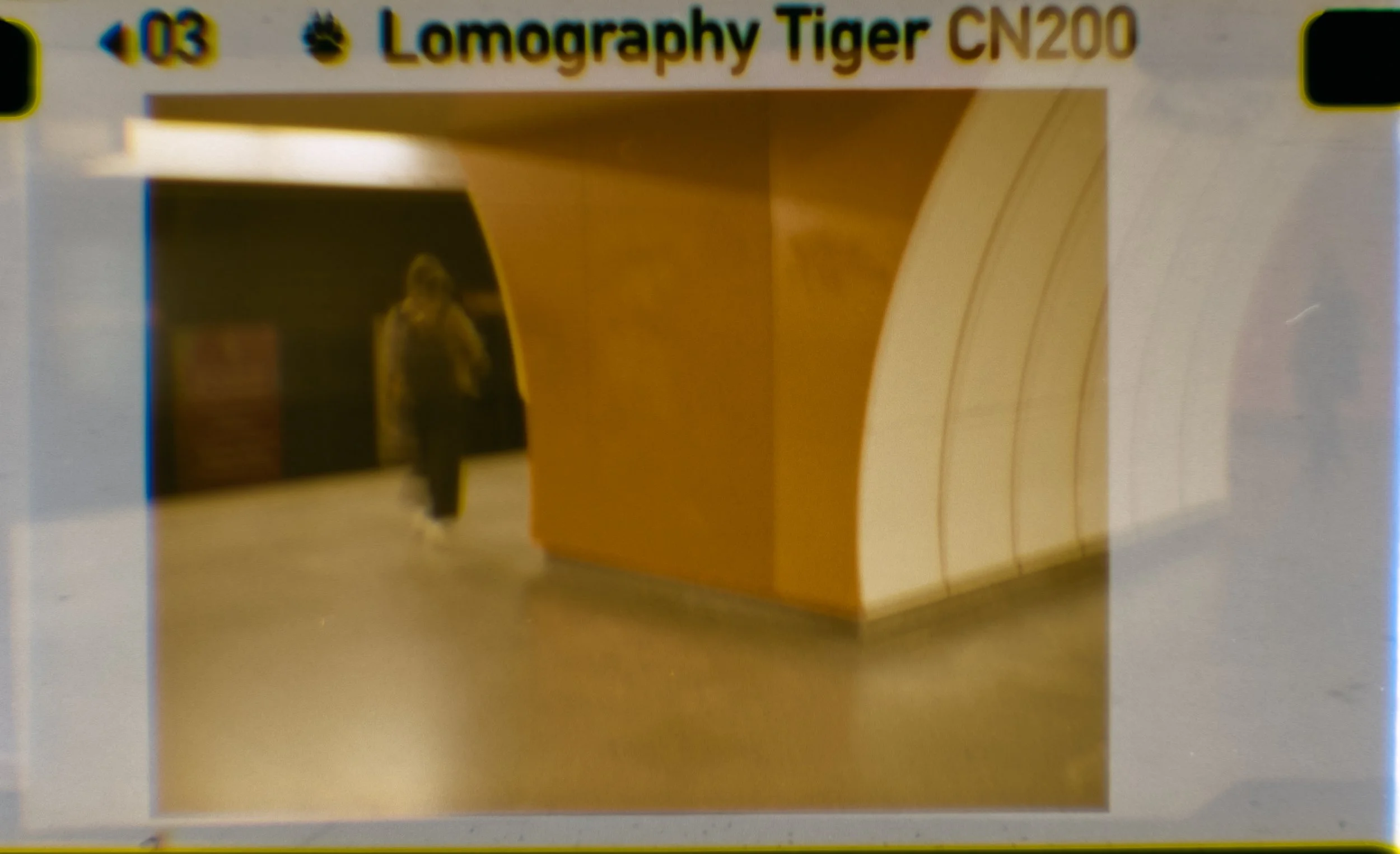
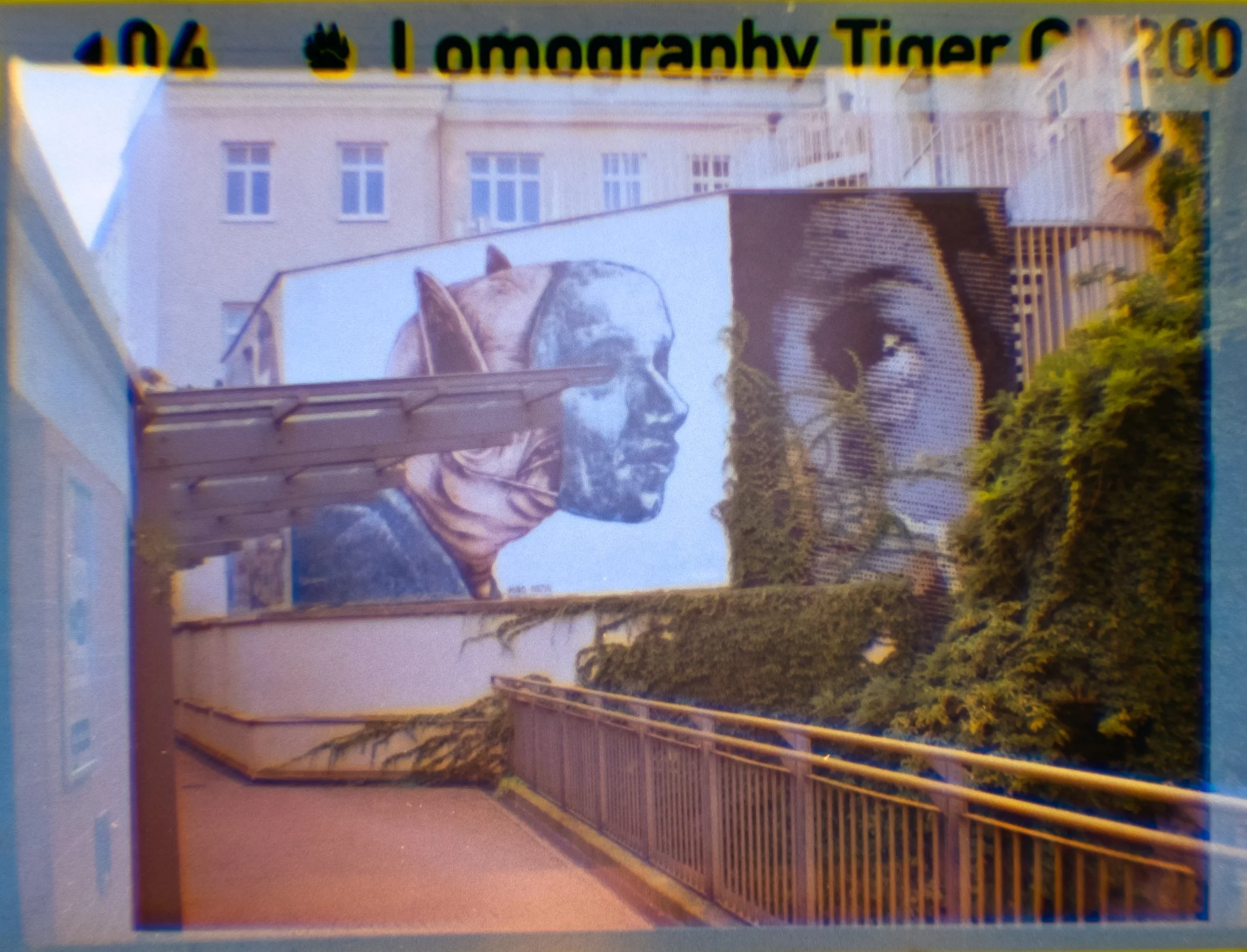
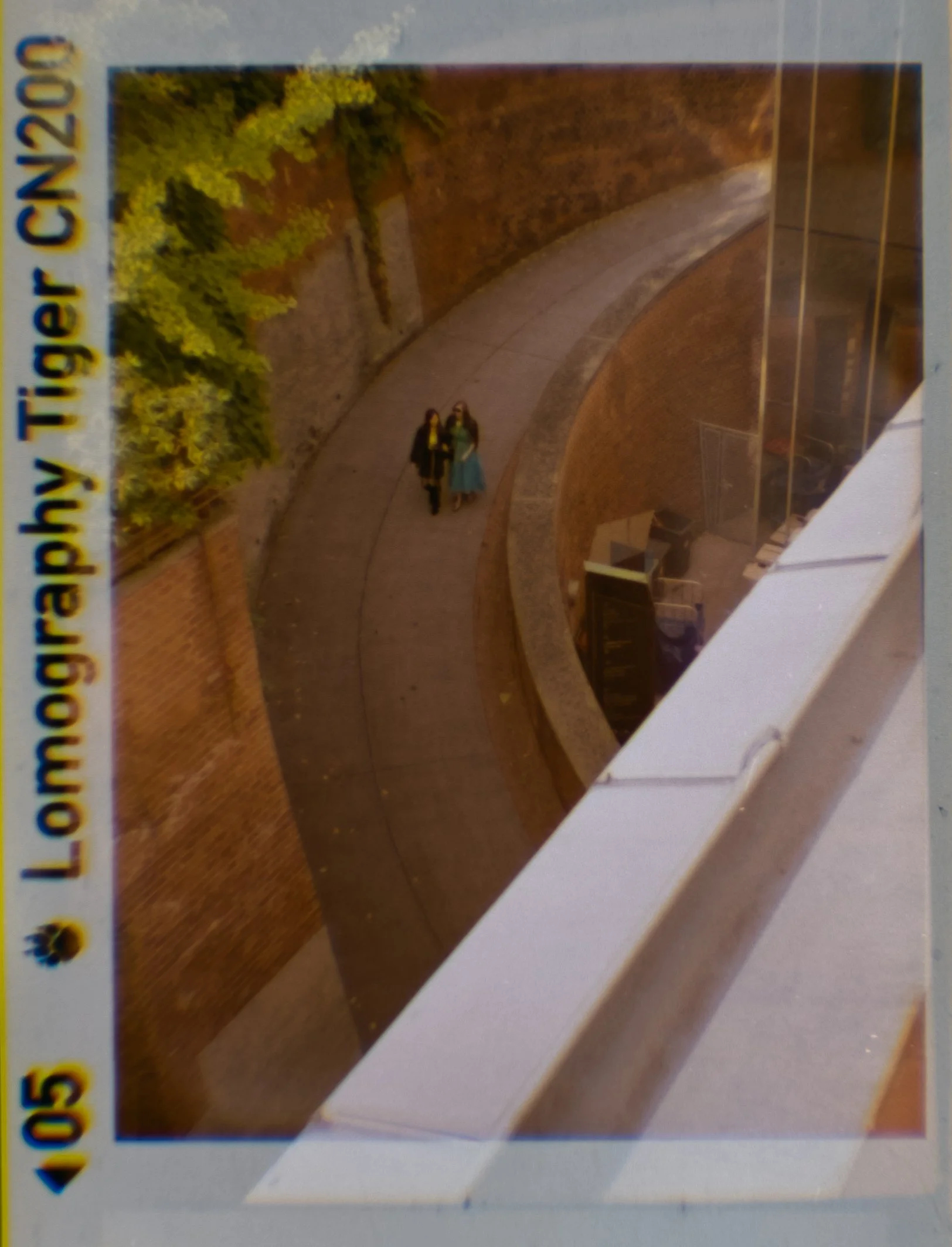
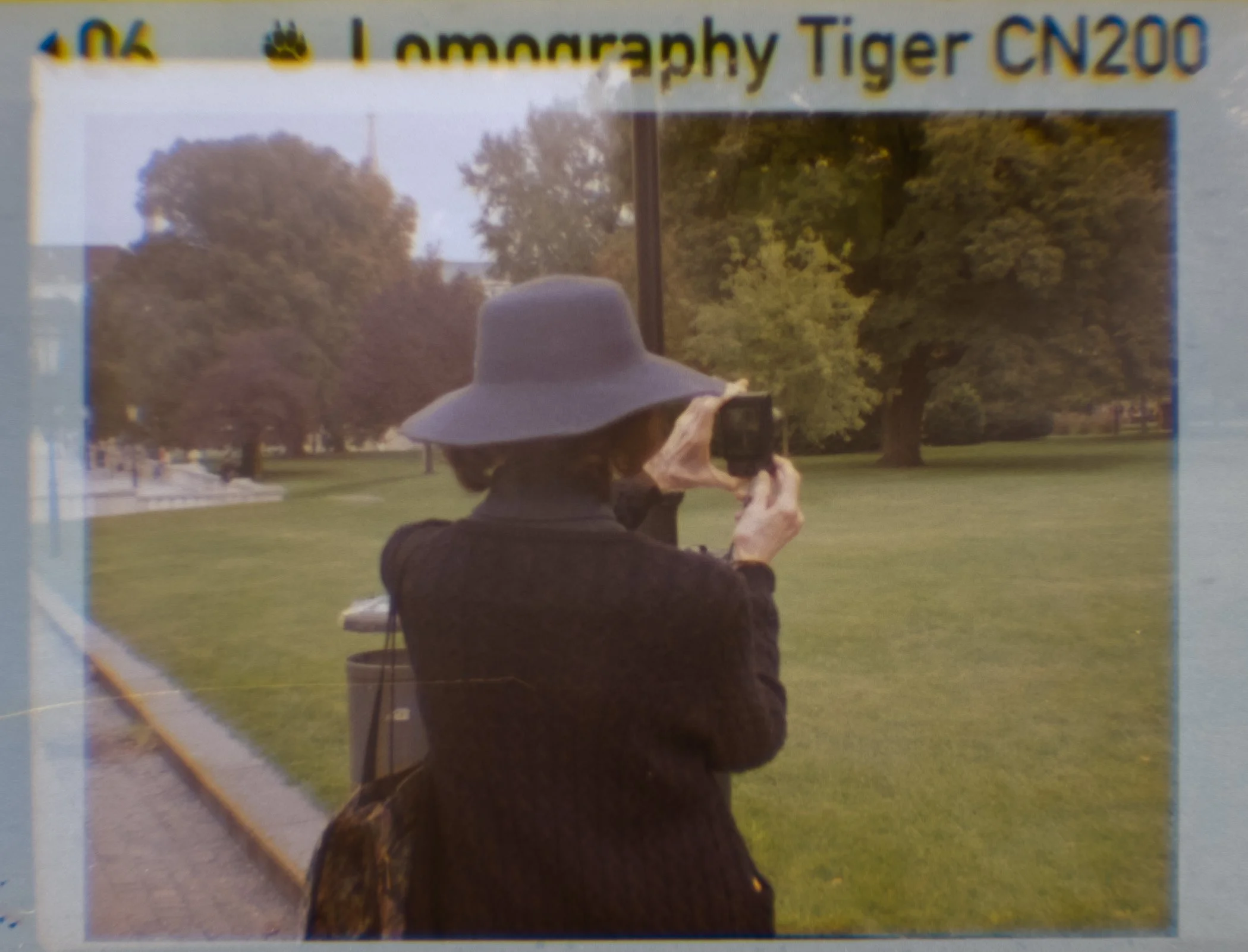
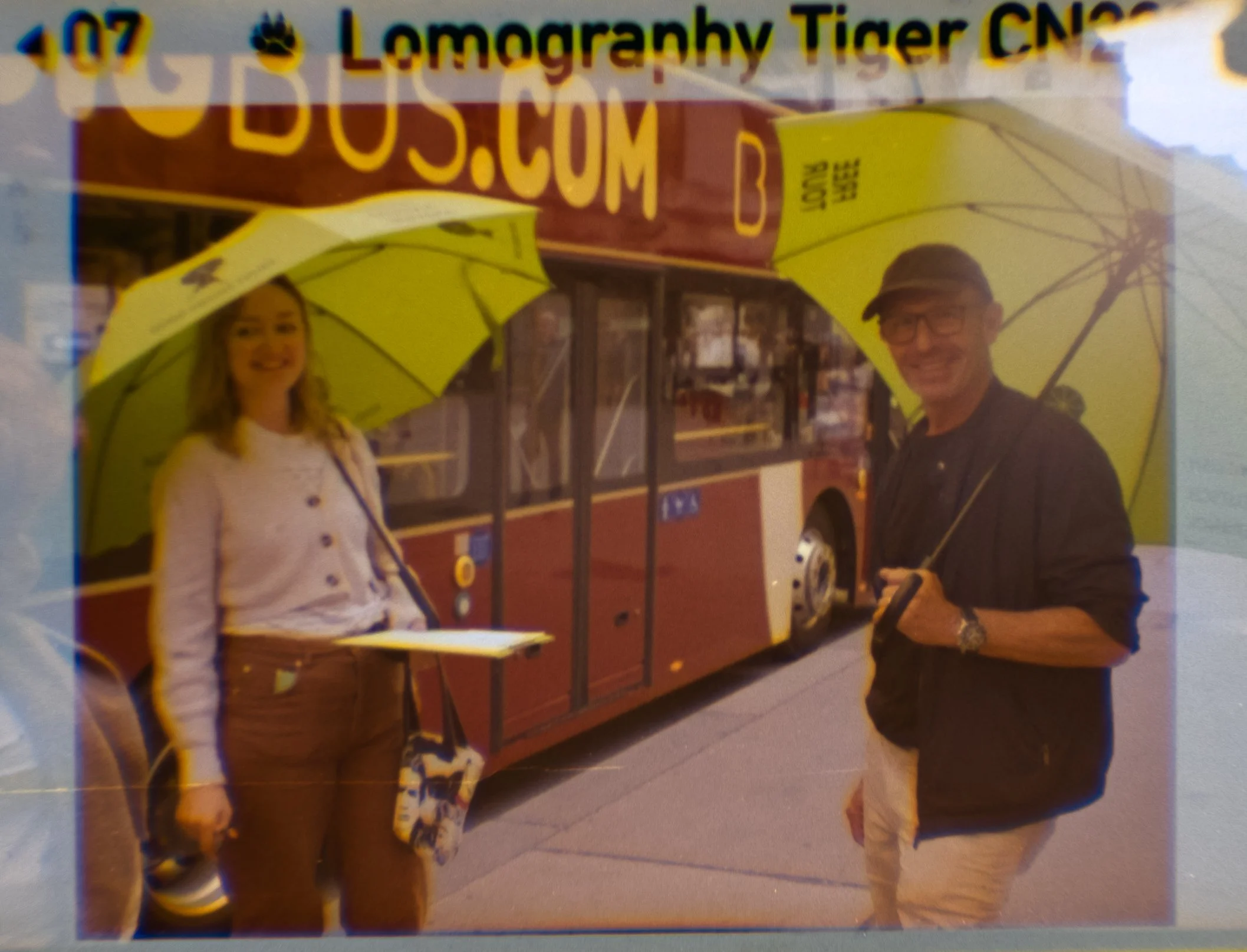
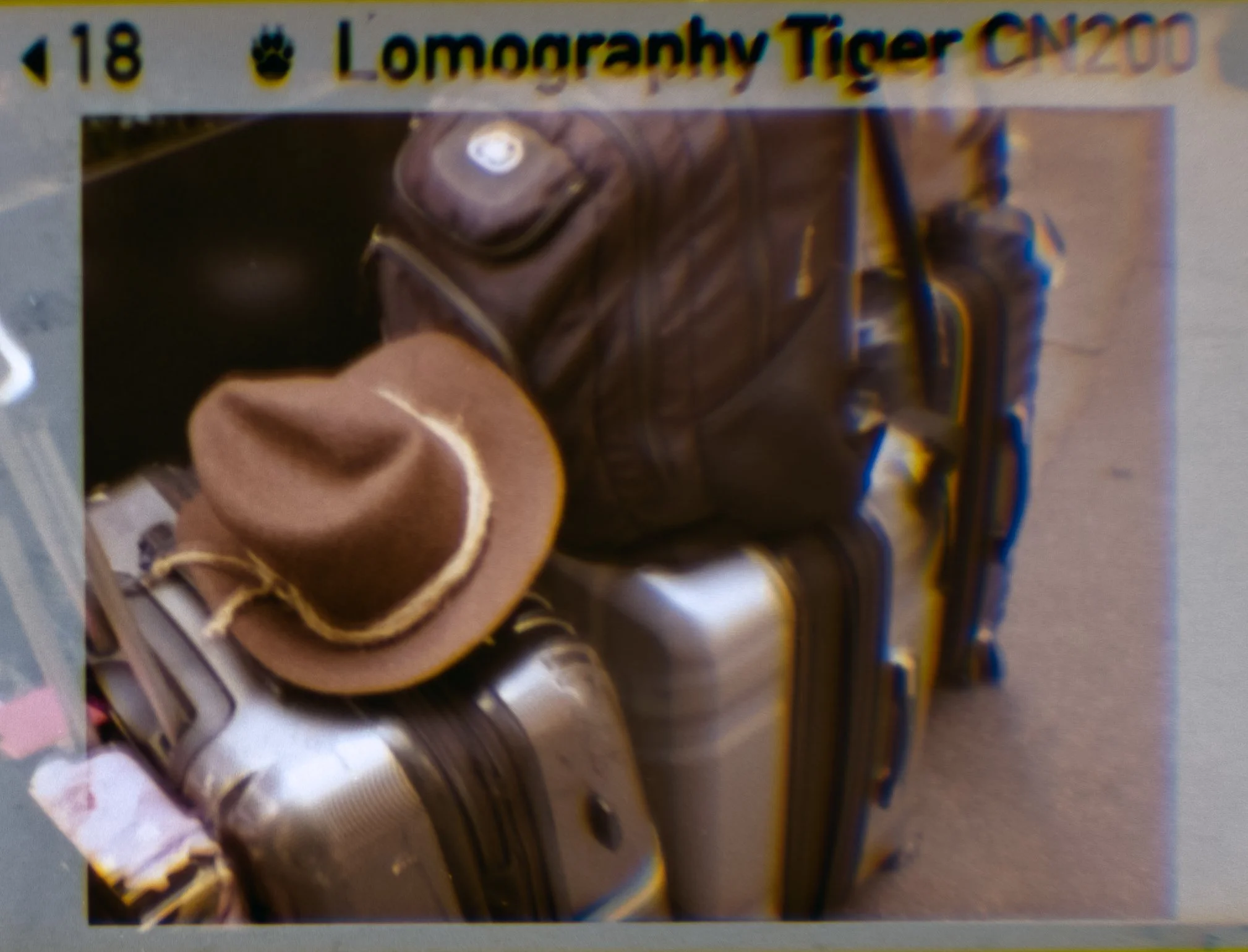
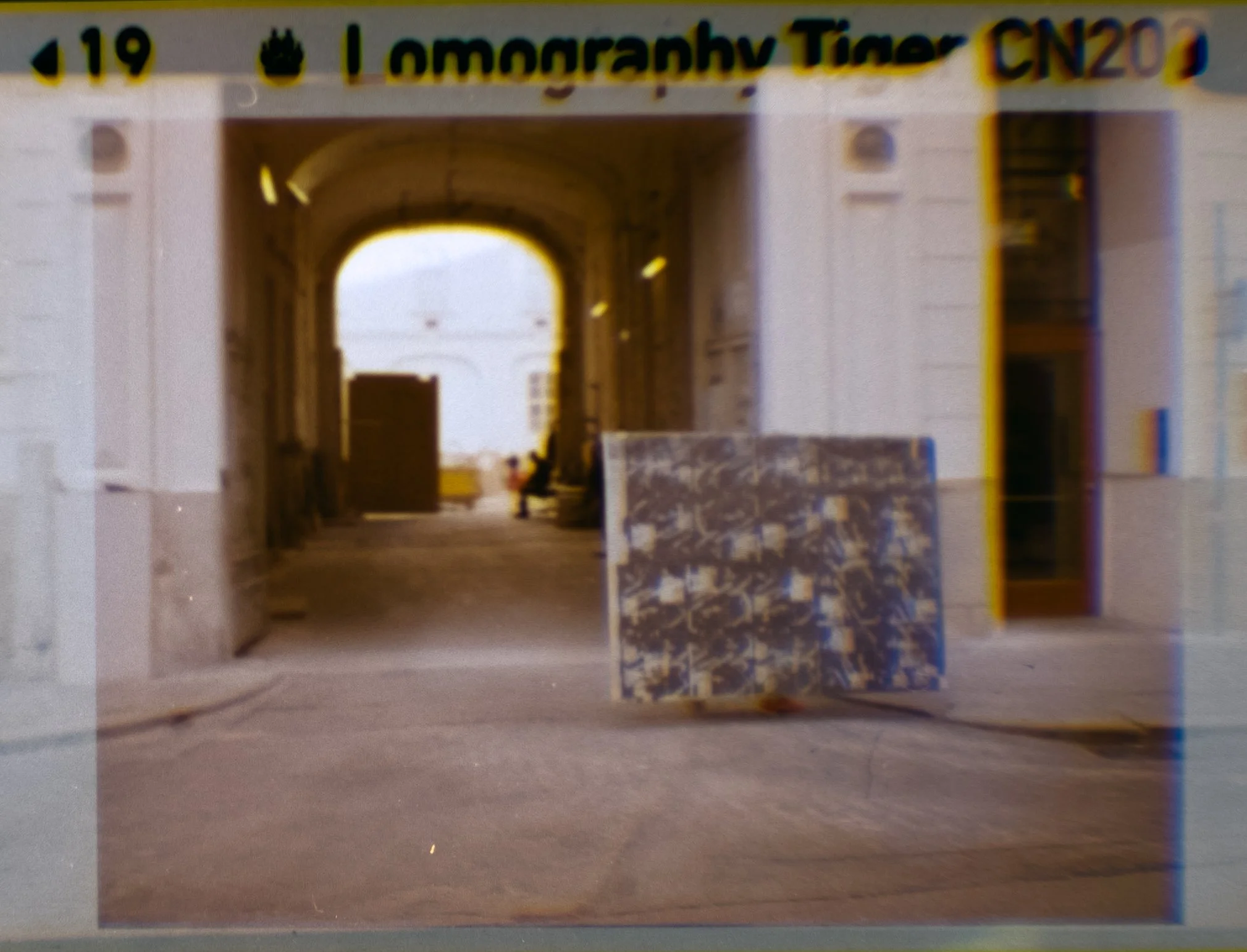
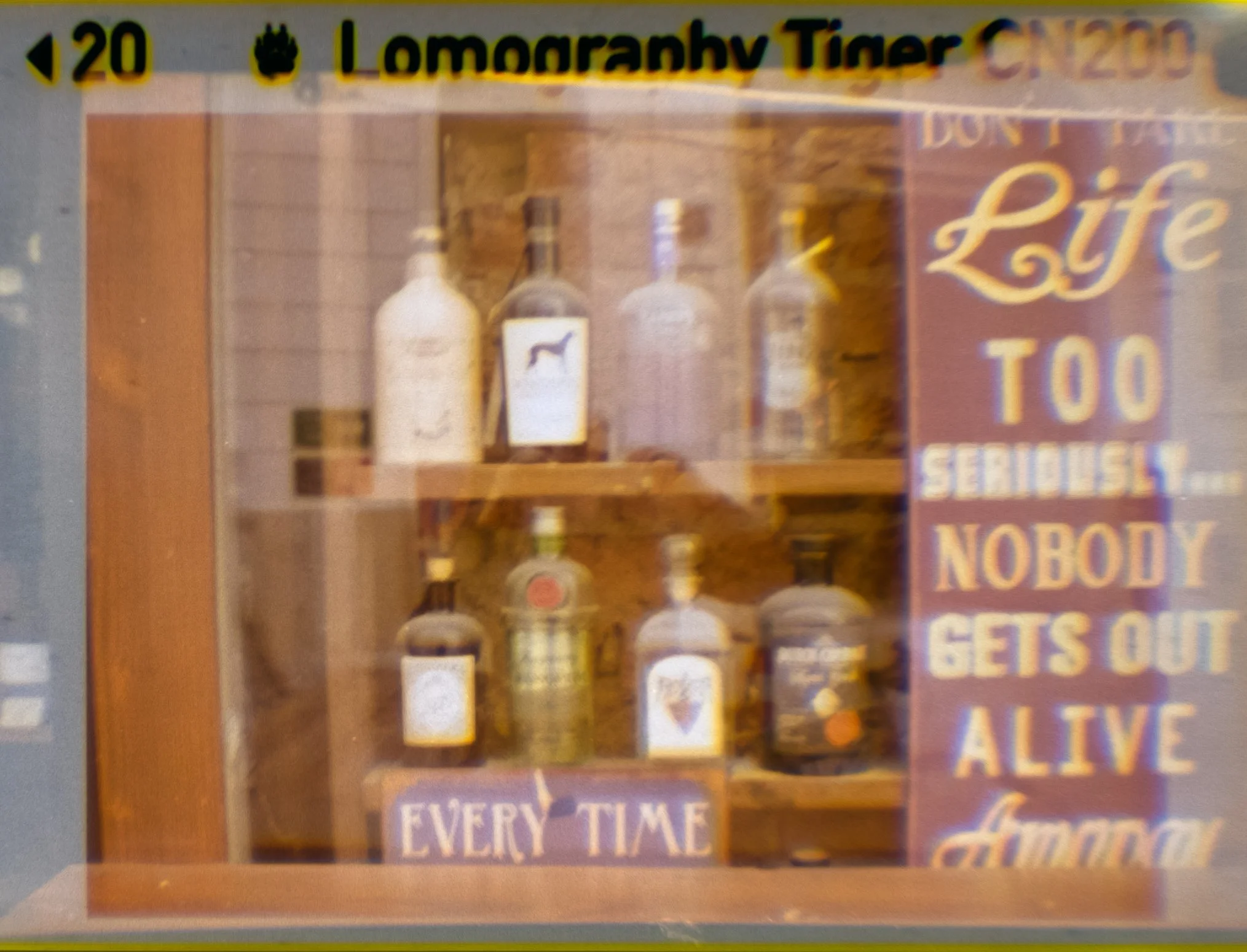
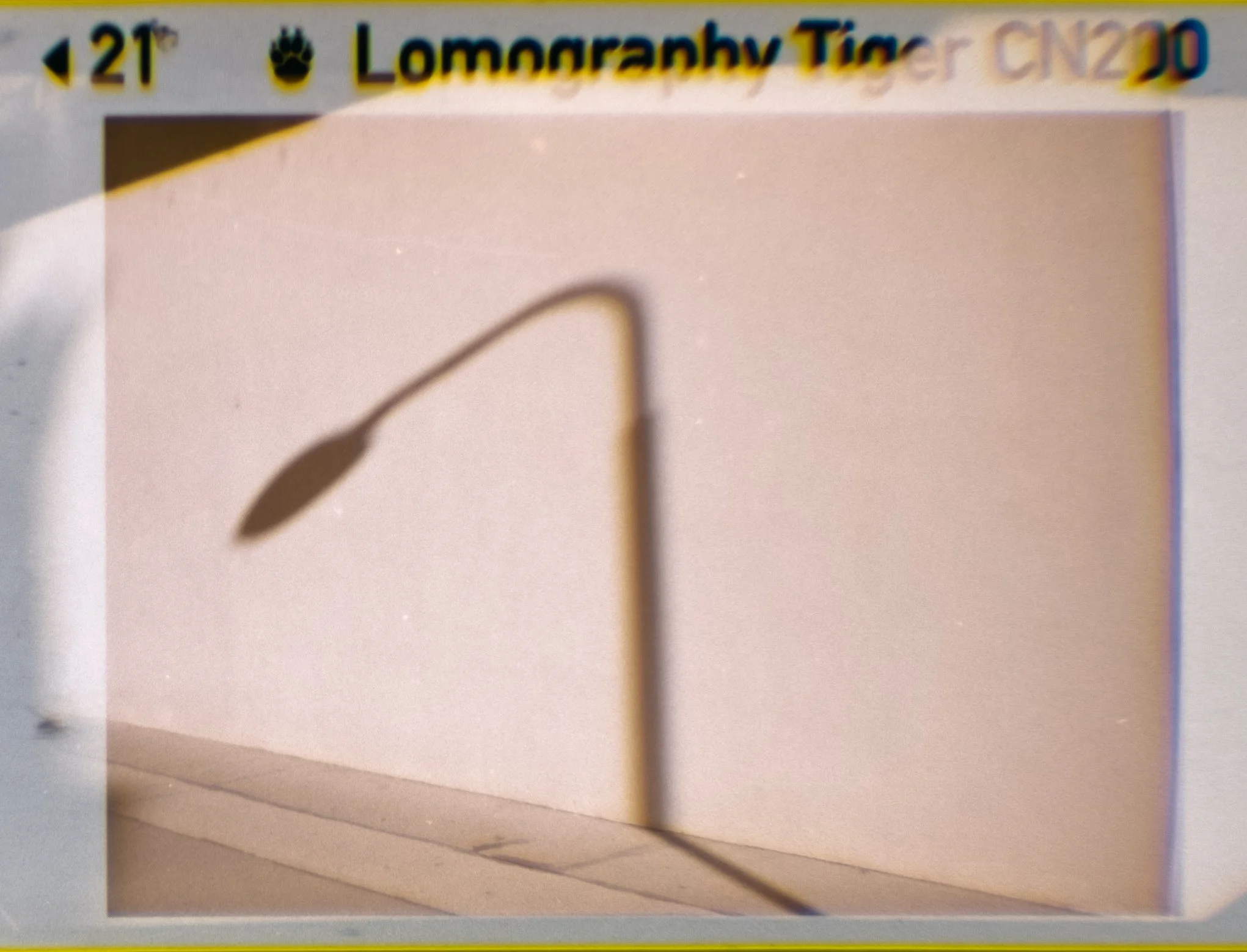
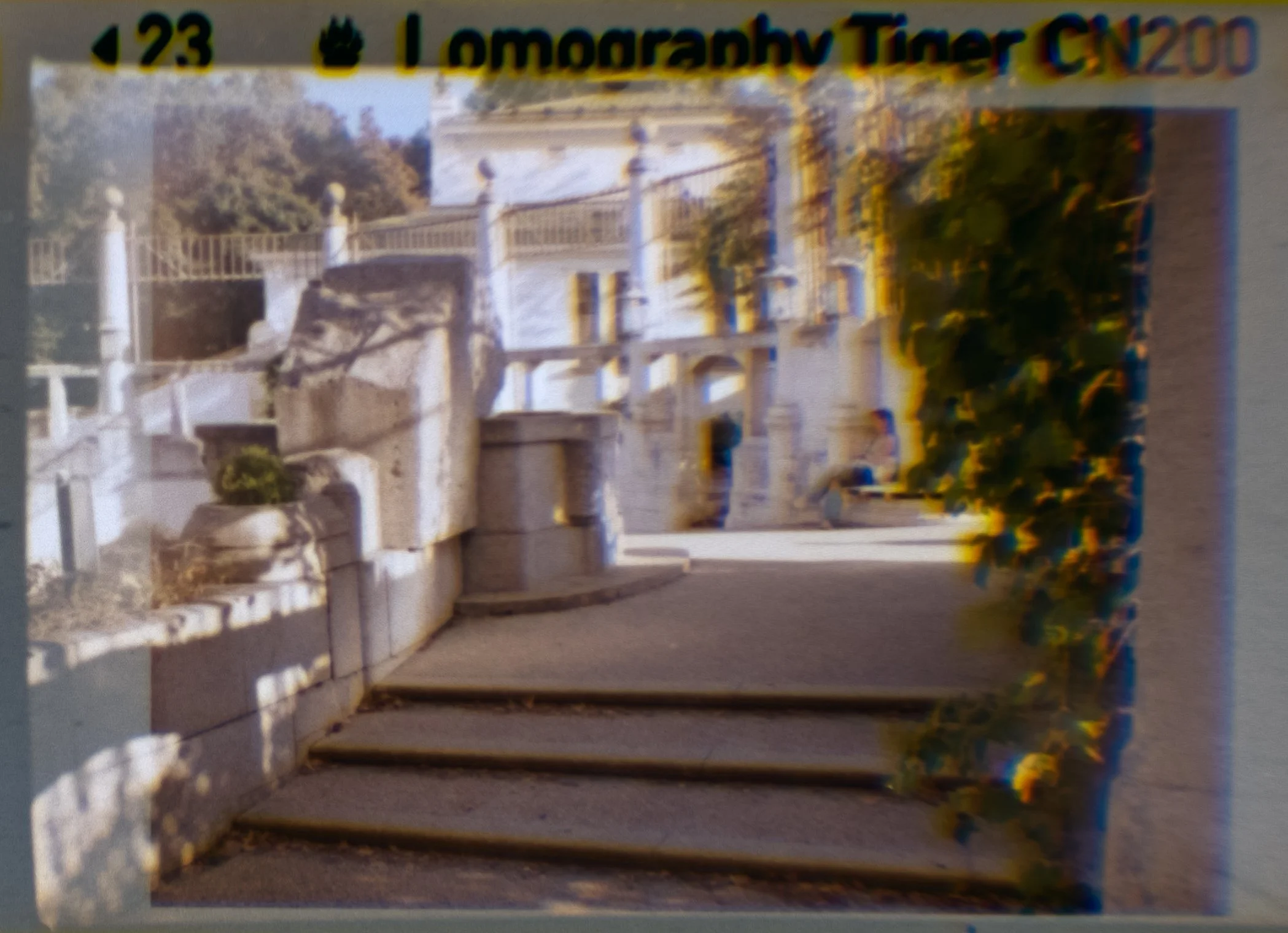
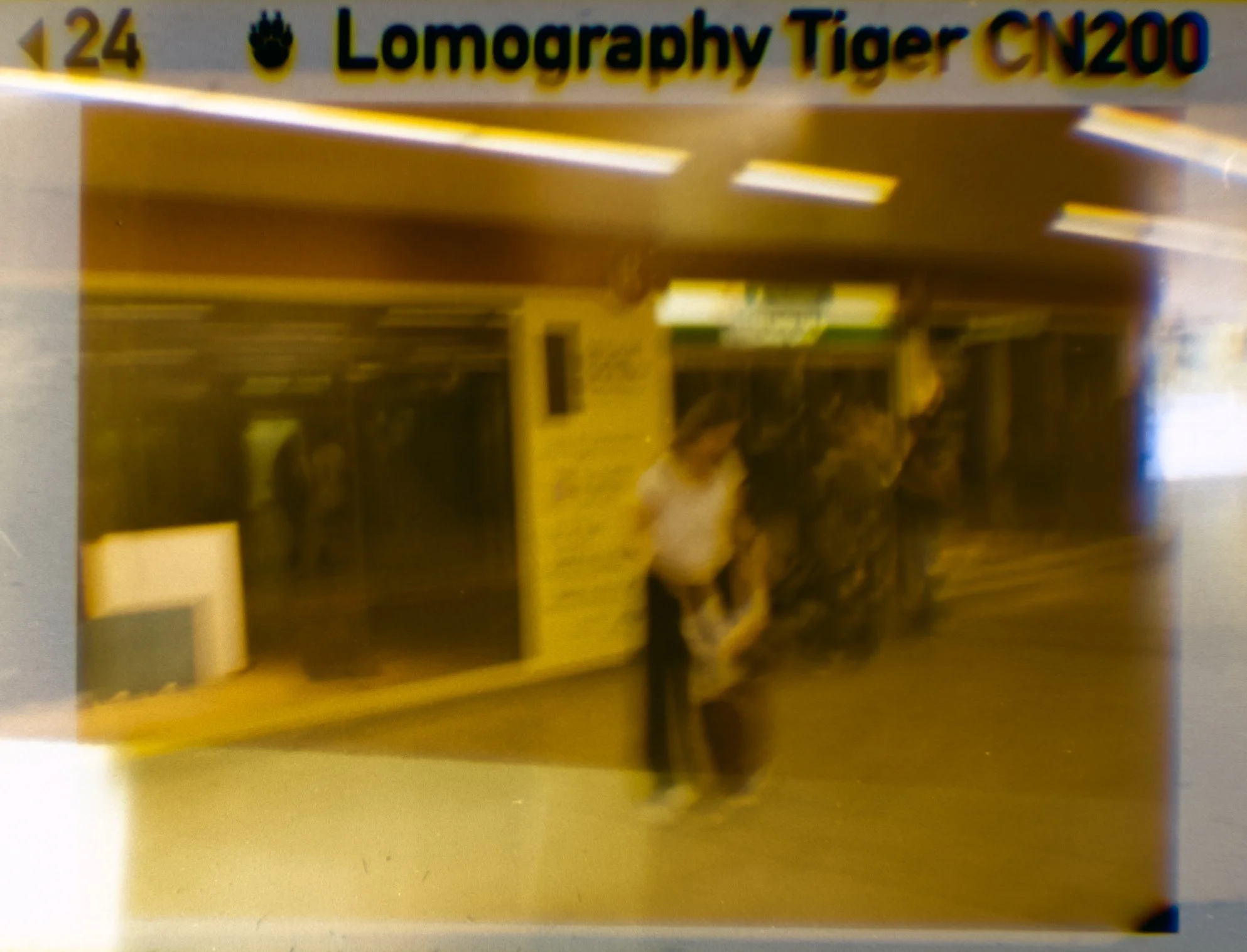
The Lomomatic 110 Camera, with its striking white and black design, is a compact marvel that packs a punch. Equipped with a flash, distance scale, and ISO settings, it also features multiple exposure and long exposure modes. I used Lomography 200 ISO negative Tiger film, providing 24 exposures to capture the essence of Vienna.
Challenges and Learning Curve
As with any new equipment, mastering the Lomomatic 110 presented its own set of challenges:
– Film Advancement: The manual film advancement mechanism required careful attention to avoid missed shots or unintended double exposures.
– Focus and Exposure: Remembering to adjust the distance scale and exposure modes (day/night) for each shot was crucial for achieving sharp, well-exposed images.
– Shutter Button Sensitivity: Ensuring the shutter button was fully pressed became a learning experience, as some shots were missed due to incomplete button presses.
Street Photography Experience with a Lomomatic 110
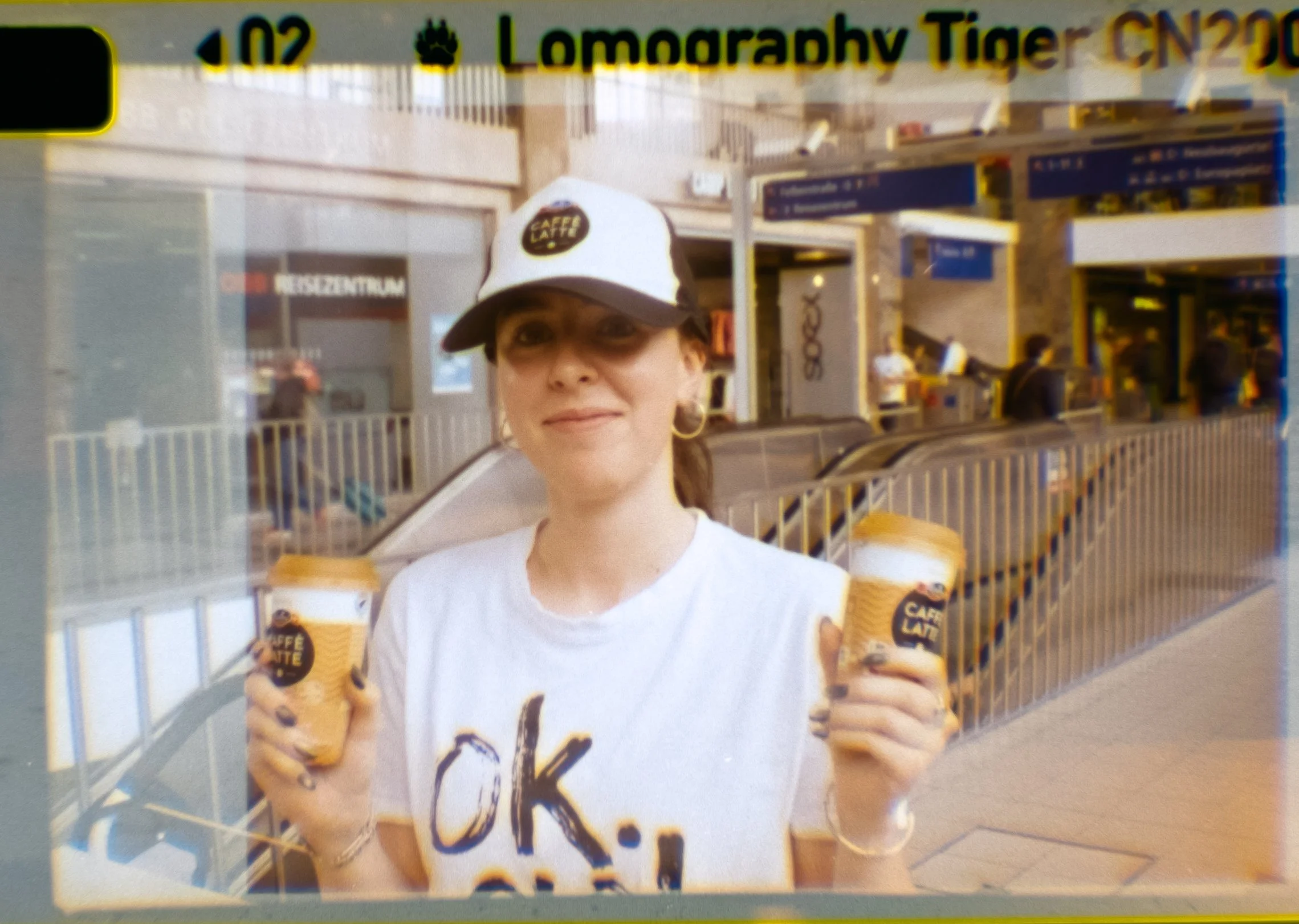
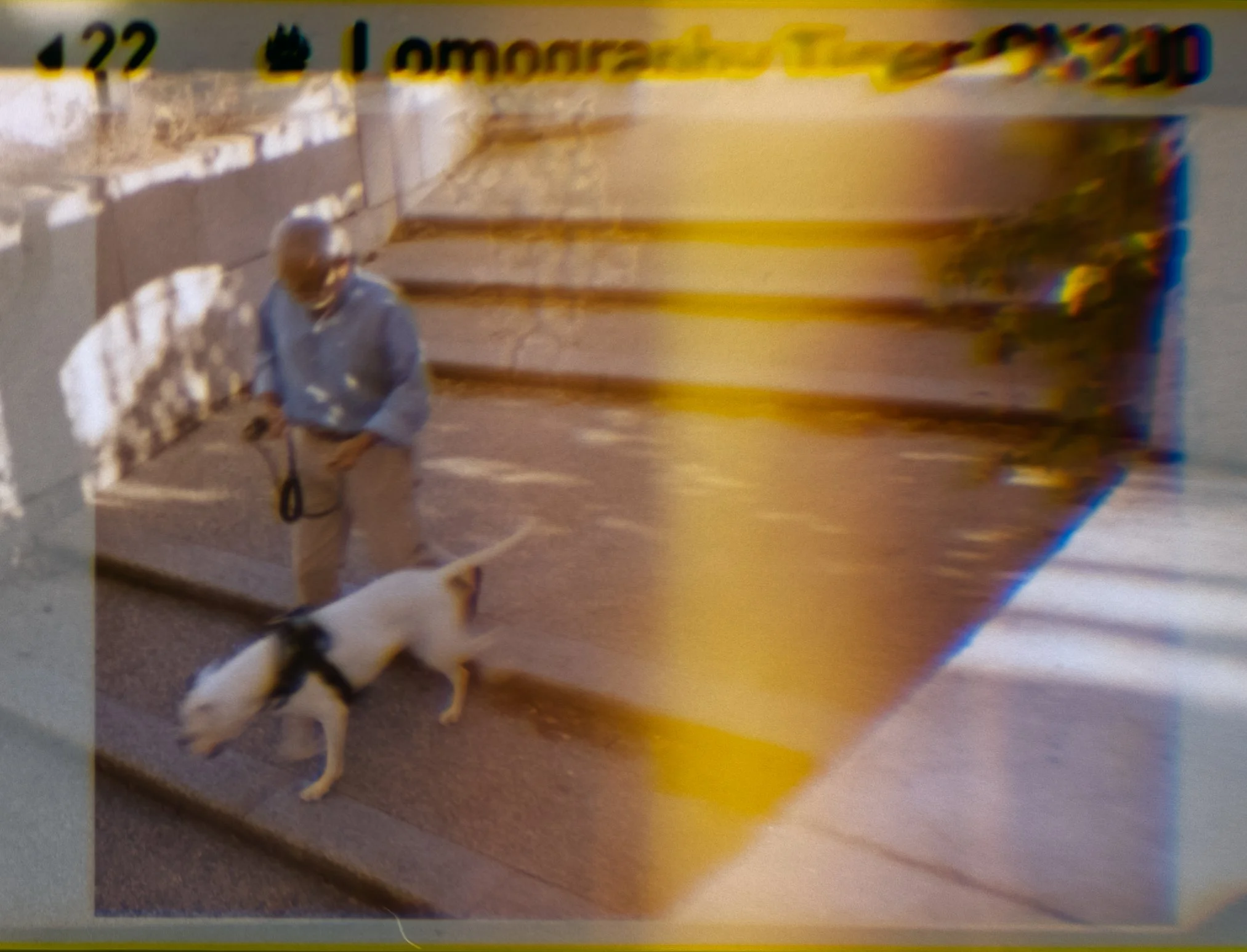
Venturing through Vienna’s streets, the Lomomatic 110 became a conversation starter. From capturing the contrast between traditional horse-drawn carriages and modern DHL delivery vehicles to engaging with locals for impromptu portraits, the camera’s unique appearance drew curiosity and smiles.
Lessons Learned
1. Know Your Gear: Before a shoot, it is essential to familiarize yourself with a new camera. Understanding its quirks and features can distinguish between capturing and missing key moments.
2. Embrace Imperfection: Film photography’s unpredictability, especially with a quirky camera like the Lomomatic 110, can lead to happy accidents and unique artistic expressions.
3. Enjoy the Process: While technical proficiency is important, the joy of photography lies in the experience itself. The laughter shared with fellow photographers and subjects adds an invaluable dimension to the art.
Final Thoughts
Despite the challenges and missed shots, the experience with the Lomomatic 110 Camera in Vienna was undeniably fun and educational. It served as a reminder that photography is not just about the result but also about the journey, the connections made, and the moments of discovery along the way.
For those considering venturing into film photography or experimenting with unique cameras like the Lomomatic 110, remember that each frame is an opportunity to learn and create.
Embrace the quirks, celebrate the imperfections, and, most importantly, enjoy the process of capturing life through a different lens.
Here, you can watch my whole photo walk with the Lomomatic 110 Zebra Crossing. Thomas Eisl, a local photographer from Vienna, filmed the video.
At the core of this method lies the art of observation. By keenly observing your surroundings, you can develop a sharper eye for:
– Light and shadow interplay
– Human interactions
– Environmental textures and patterns
This practice enhances your ability to identify visually compelling scenes, a crucial skill for any photographer.
Learning from the Masters
Studying the work of renowned photographers is an integral part of this approach. Analyze their:
– Composition techniques
– Use of light
– Emotional impact
Understanding these elements allows you to incorporate similar strategies into your own work.
The Art of Visualization
Before capturing an image, take time to visualize the final result in your mind. Consider:
– Composition
– Focal point
– Narrative elements
This mental exercise sharpens your ability to spot potential shots in everyday scenes.
Mindful Photography Practice
When you do decide to take photos, approach it with mindfulness:
– Take your time with composition
– Adjust settings carefully
– Ensure everything is perfect before pressing the shutter
This deliberate approach reduces unnecessary shots and improves the overall quality of your work.
Learning from Experience
Critically reviewing your photos is a powerful learning tool. Identify:
– What worked well
– Areas for improvement
This self-analysis helps refine your skills and informs future shoots.
The Effectiveness of This Approach
While it may seem counterintuitive, learning photography without constantly taking photos can significantly enhance your skills. This method trains your eye to see the world from a photographer’s perspective and encourages more intentional, high-quality shots.
By incorporating these techniques into your photography practice, you can develop a more thoughtful and skilled approach to your craft. Remember, great photography starts with keen observation and visualization long before the shutter is pressed.