Peter Forsgård

photographer

  • A few thoughts about Ethics in Street Photography

    Street photography is a fascinating genre that captures candid moments of everyday life but raises important ethical considerations.

    As a street photographer, I’ve thought about these issues and developed my approach over the years. Here’s an overview of the fundamental ethics in street photography and some best practices to consider:
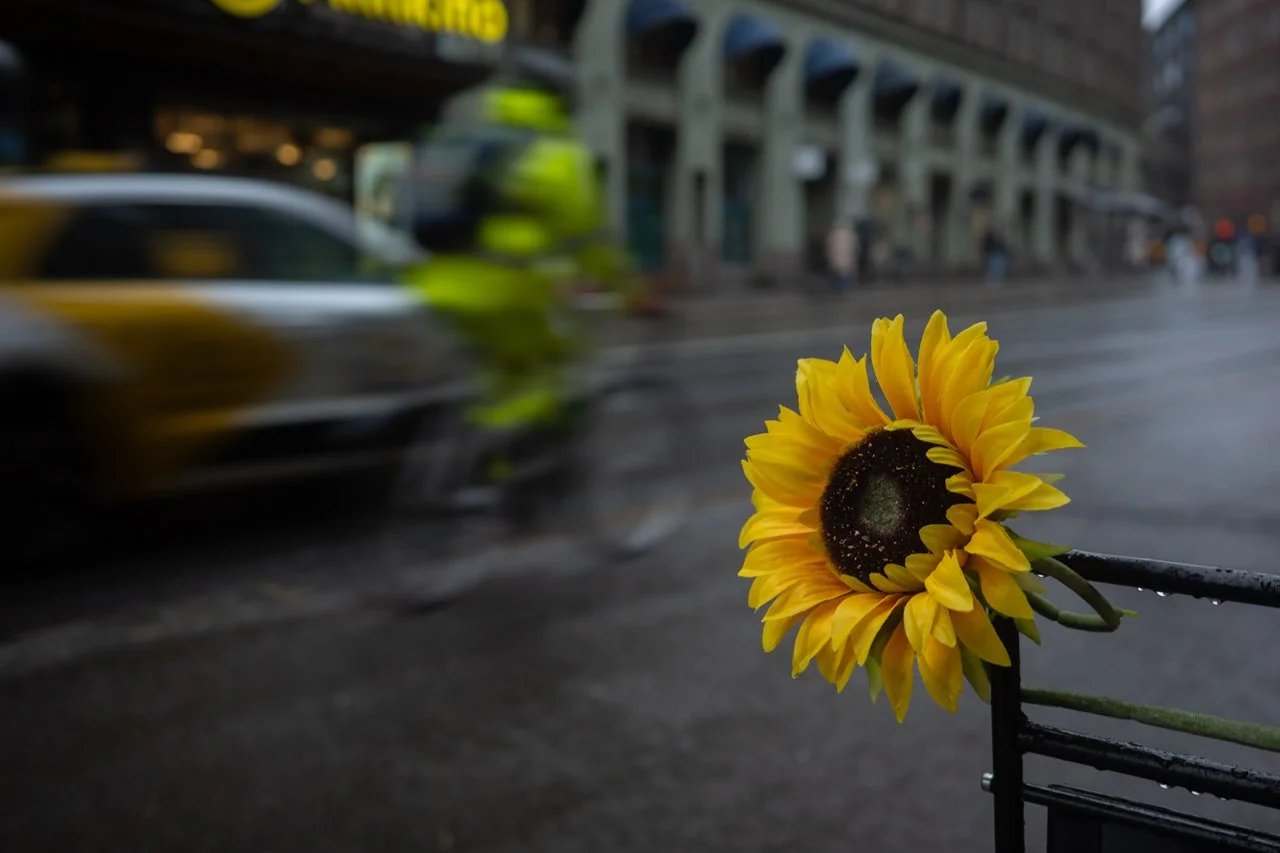
    A sunflower in the city with a bicycle rider in the background

    Legal vs. Ethical Considerations

    It’s essential to first distinguish between what’s legal and what’s ethical in street photography. In many countries, it’s generally legal to photograph people in public spaces without their explicit consent. Street photography is considered part of free speech. However, just because something is legal doesn’t necessarily make it ethical.

    Key Ethical Issues

    Consent and Privacy

    The core ethical dilemma in street photography revolves around photographing people without their knowledge or consent. While capturing candid moments is central to the genre, it can feel intrusive to the subjects. There’s a balance between artistic expression and respecting people’s privacy and autonomy.

    Representation and Dignity

    Street photographers are responsible for portraying their subjects with dignity and avoiding exploitation. This is especially important when photographing vulnerable populations like the homeless. We should ask ourselves if we’re representing people fairly and compassionately.

    Publication and Social Media

    In the age of social media, street photos can be widely shared instantly, amplifying concerns about privacy and representation. A seemingly innocent photo could go viral and have unintended consequences for the subject.

    Ethical Best Practices

    While there’s no universal code of ethics for street photography, here are some guidelines I try to follow:

    – Be respectful and empathetic towards your subjects. Put yourself in their shoes.

    – If someone objects to being photographed, respect their wishes. Delete the photo if asked.

    – Avoid photographing people in vulnerable or compromising situations.

    – Consider seeking consent after a candid shot, especially for close-up portraits.

    – Be thoughtful about which photos you choose to publish or share online.

    – Photograph with honest and positive intentions, not to mock or exploit.

    Finding Your Ethical Approach

    Ultimately, each street photographer must develop an ethical framework based on their values and cultural context. I believe the key is to remain thoughtful and self-reflective about our practice.

    As the photographer Gordon Parks said, “The subject matter is so much more important than the photographer.” Keeping this perspective and prioritizing respect for our subjects can create powerful street photography while maintaining ethical standards.

    What are your thoughts on the ethics of street photography? I’d love to hear your perspective in the comments below.

    Some further reading

    Aesthetics of Photography: Legal and Ethical Considerations in Street Photography

    About Photography Blog: The Don’ts of Street Photography

    Sarah Carpenter: The Ethics of Street Photography
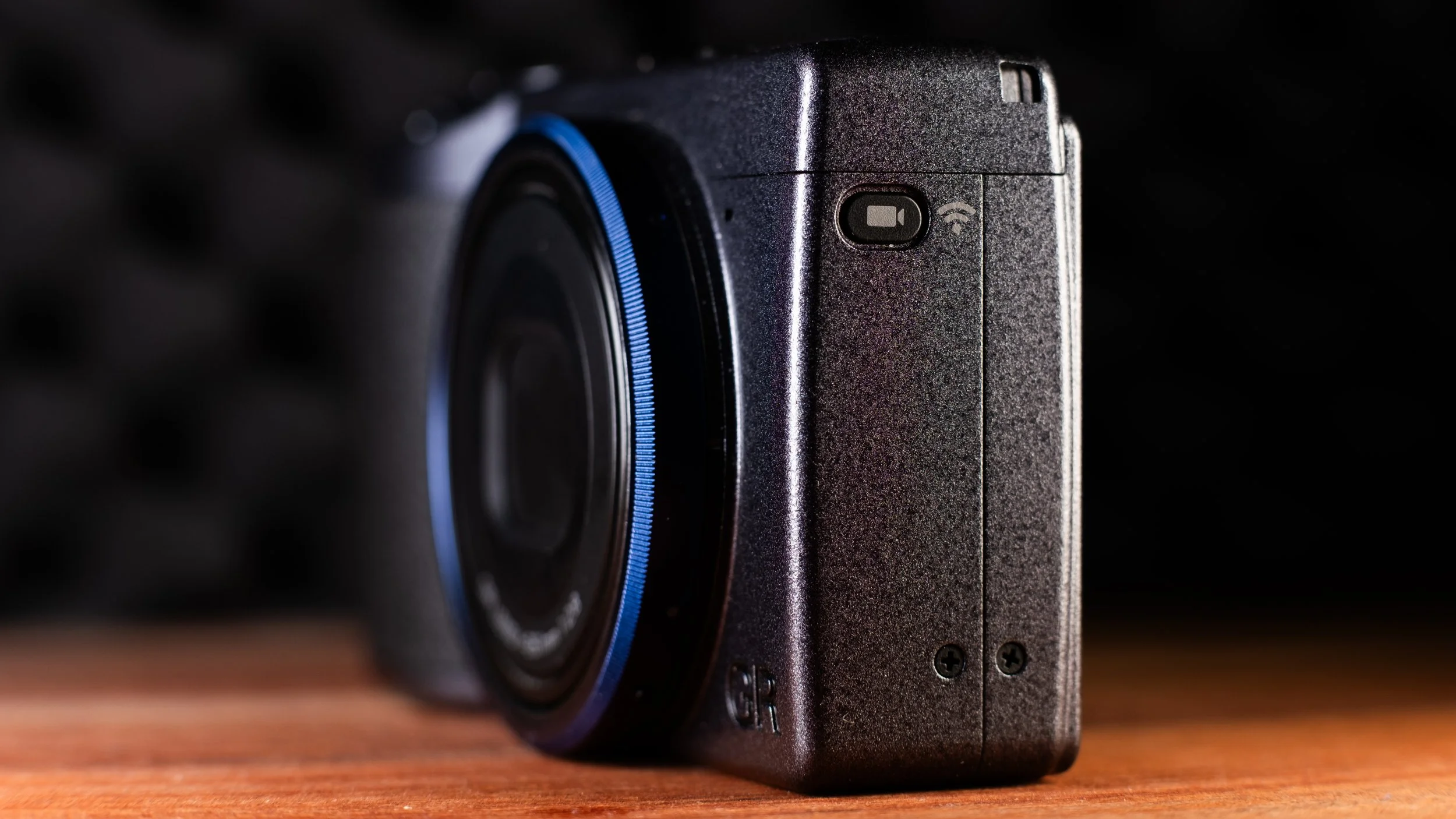

  • High Contrast Settings on Ricoh GR3x

    High Contrast Settings on Ricoh GR3x

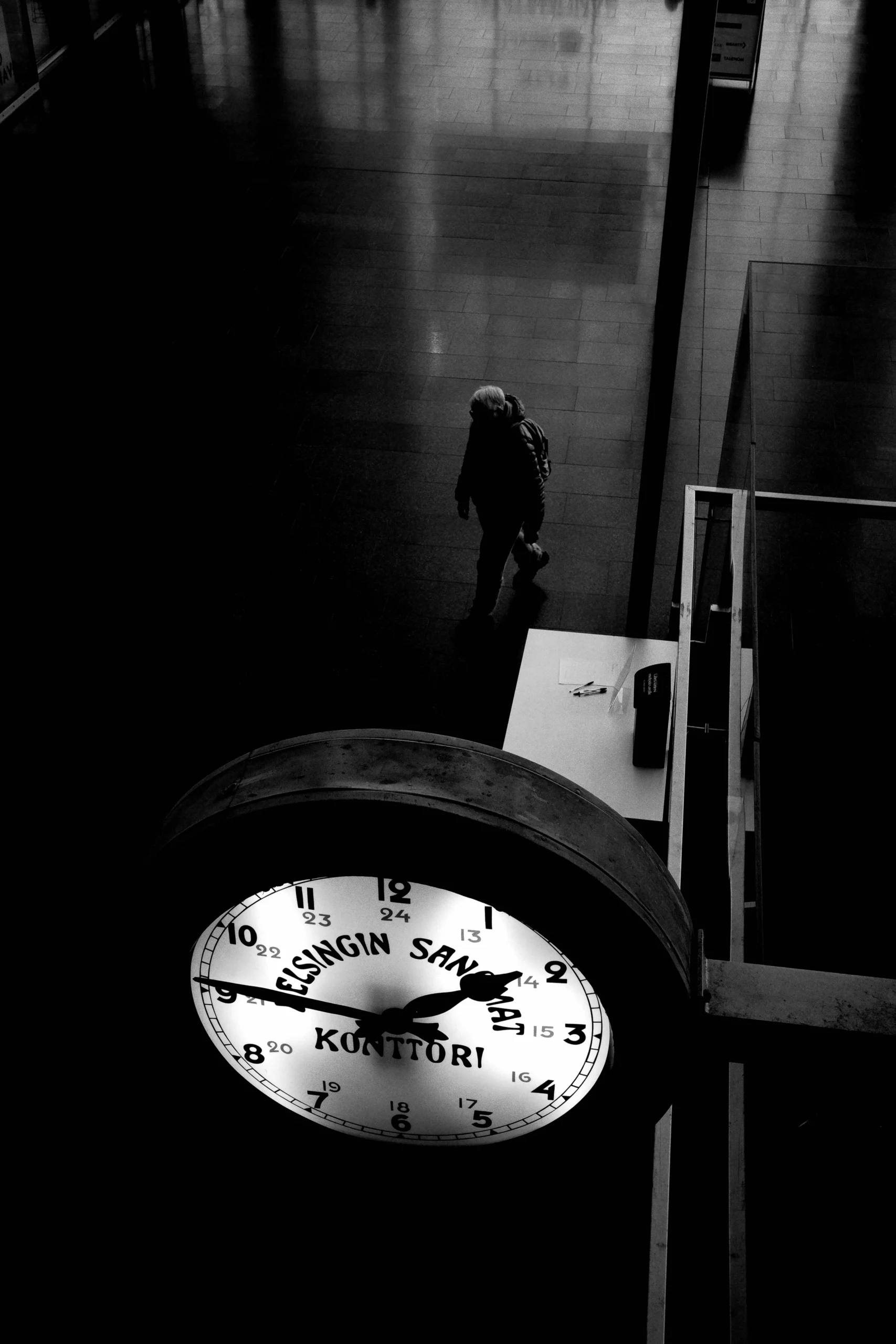
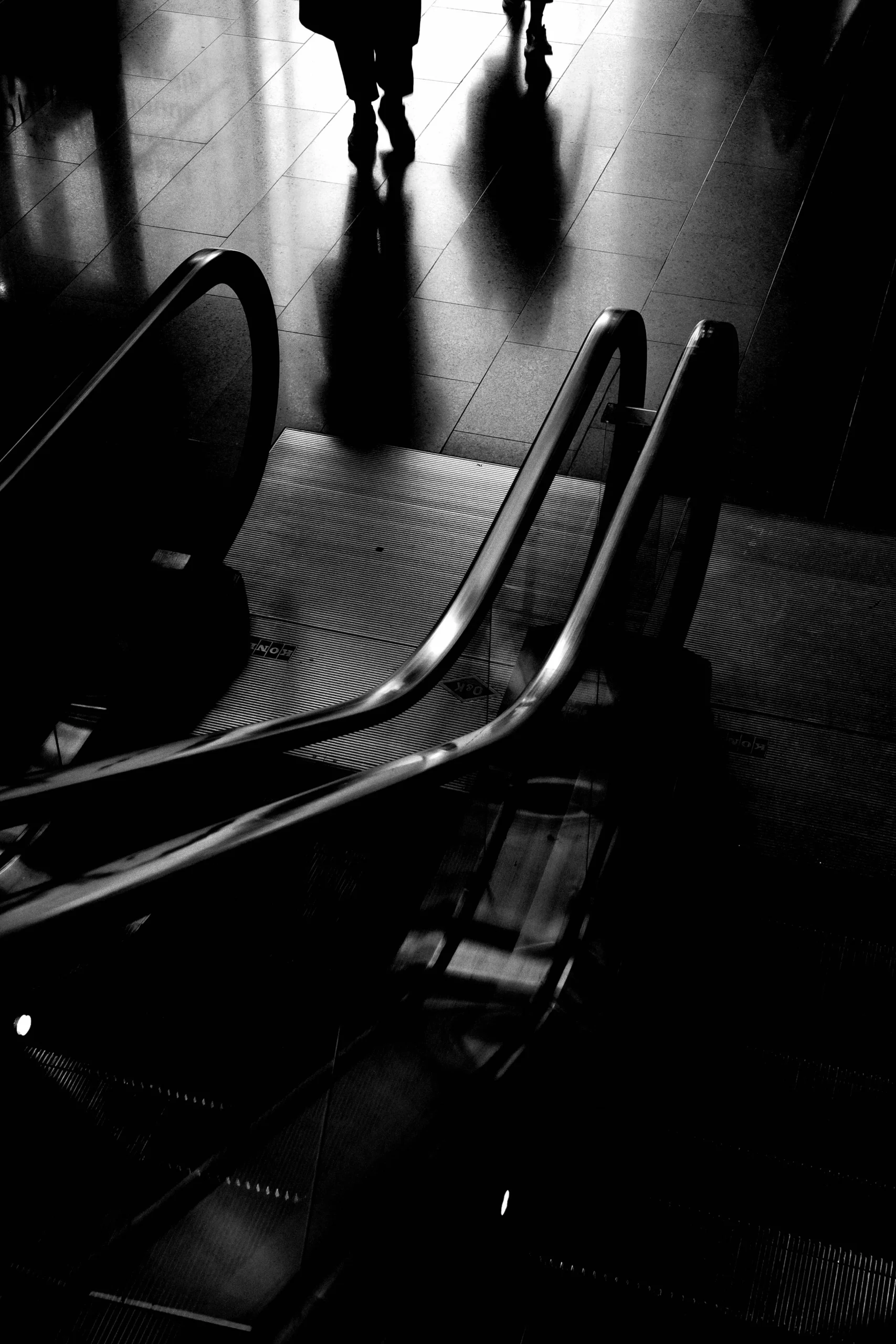
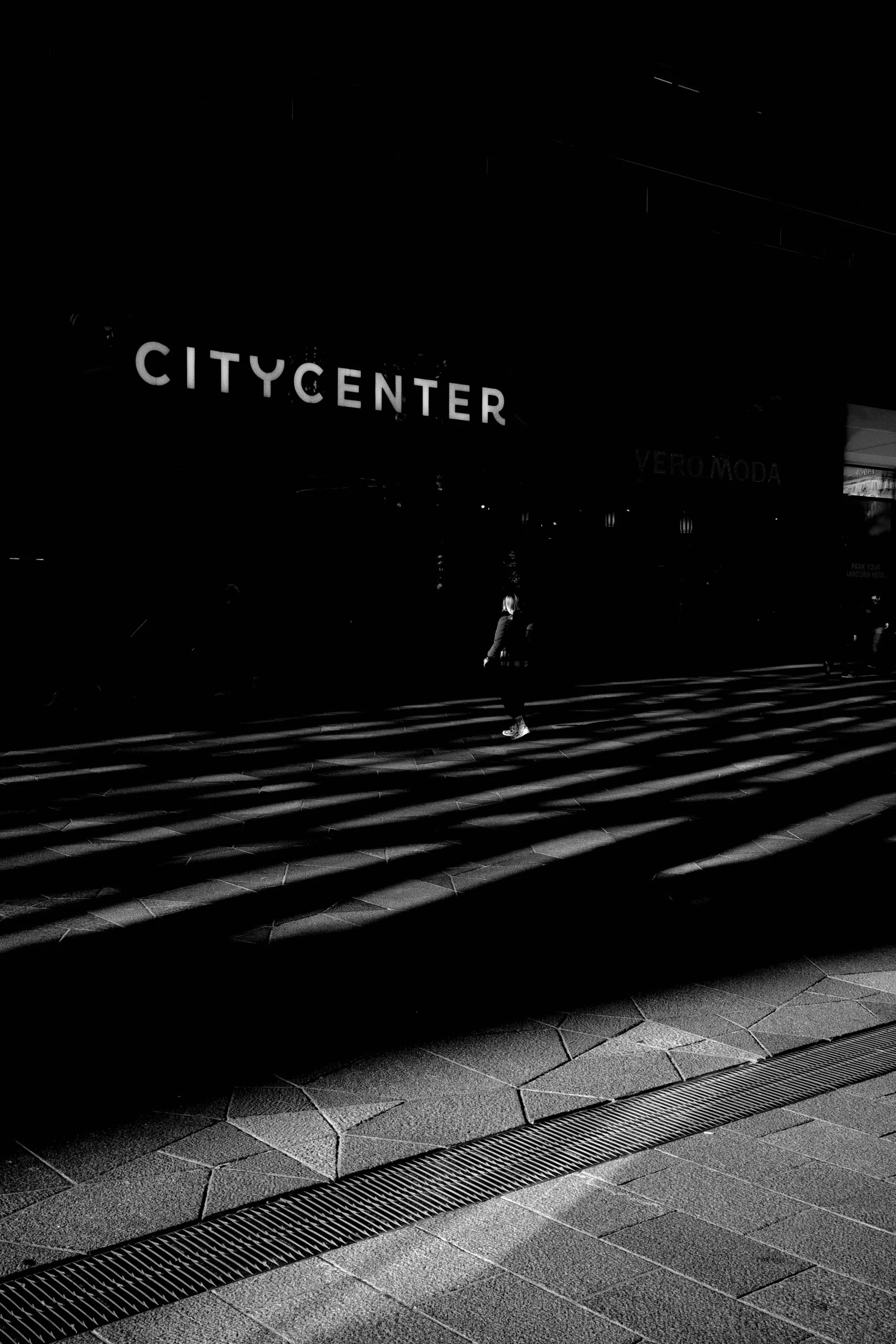
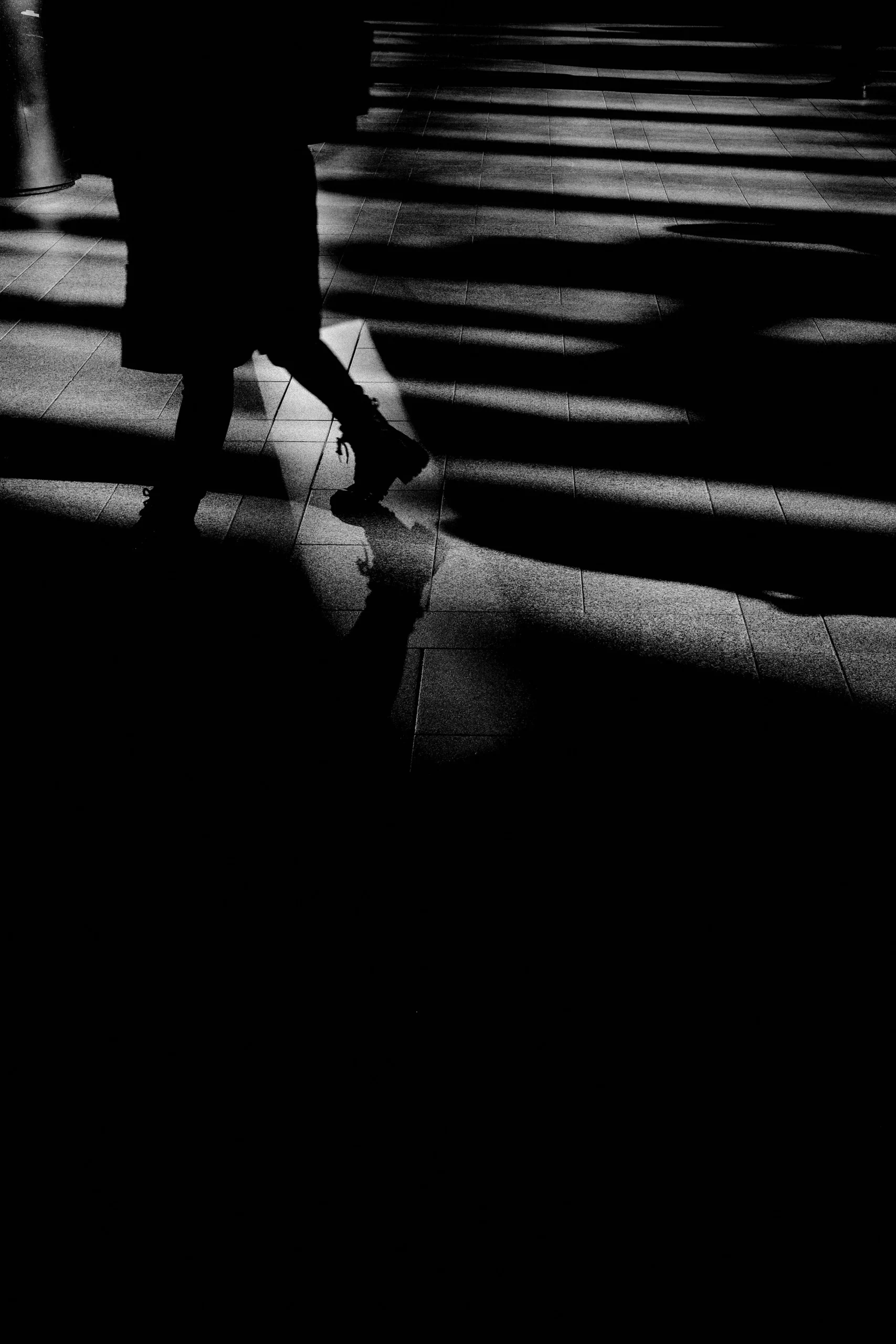
    I like to use the High-Contrast Black-and-White settings on my Ricoh GR3x. It gives a nice contrasty image. In most cases, the images do not need any post-processing. I can shoot JPEG.

    The only setting I change is the sharpeness to +2. Everything else is just as it is. It’s a very simple recipe.

    You can see the results in my newest video about High-Contrast images. Most images are quite abstract. They might not be for everyone, but I like the look.

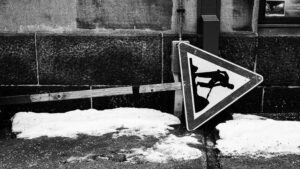
    _R004217.jpg
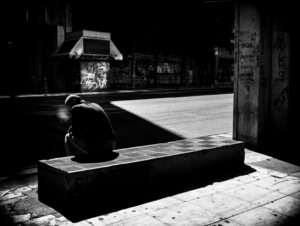
    _R004220.jpg
    _R004234.jpg
    _R004232.jpg

    The video was sponsored by Skillshare, the largest online learning platform. The first 500 to click this link will receive one month of free classes on Skillshare. Check it out!


  • The Art of Lomomatic 110 Photography

    The Art of Lomomatic 110 Photography

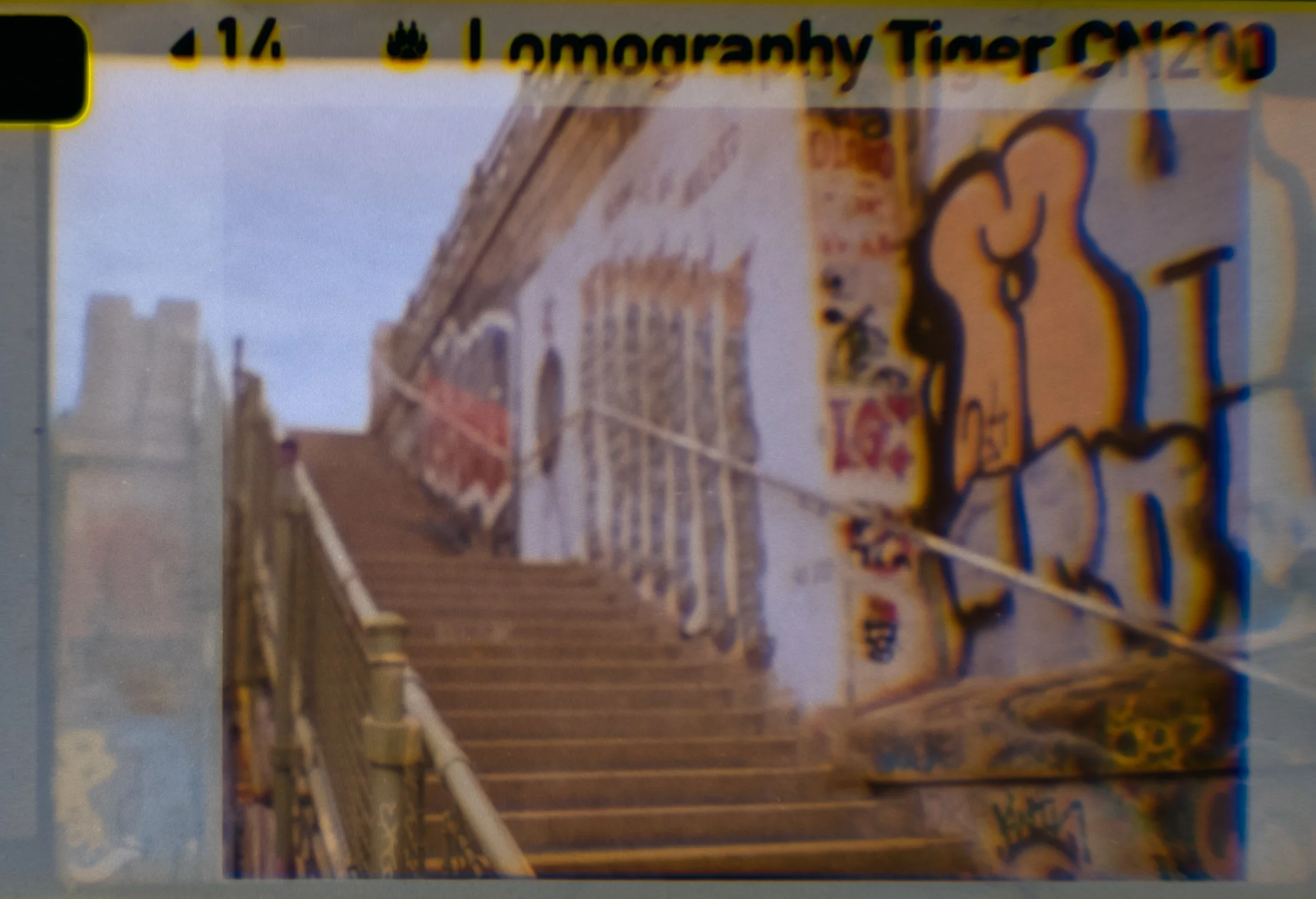
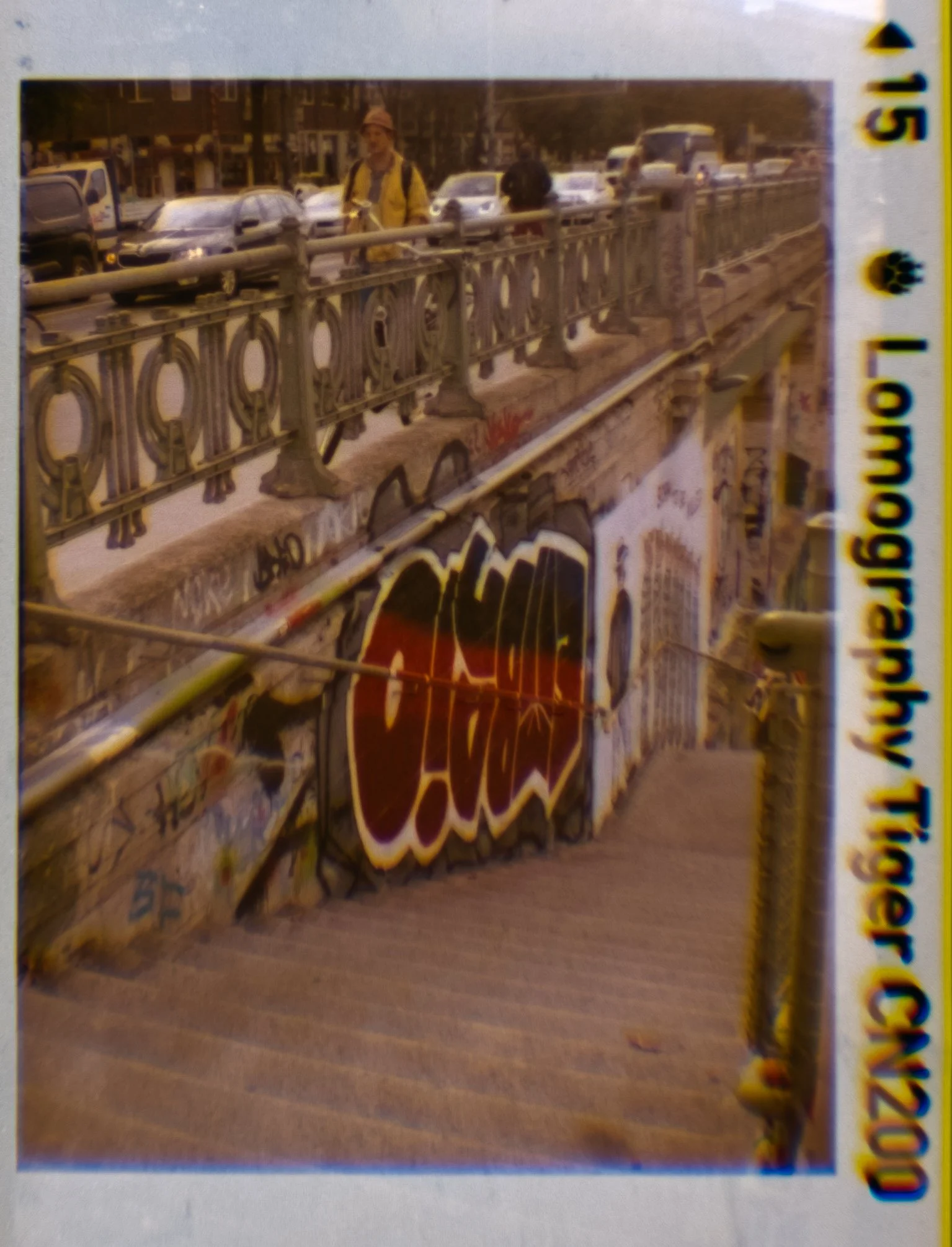
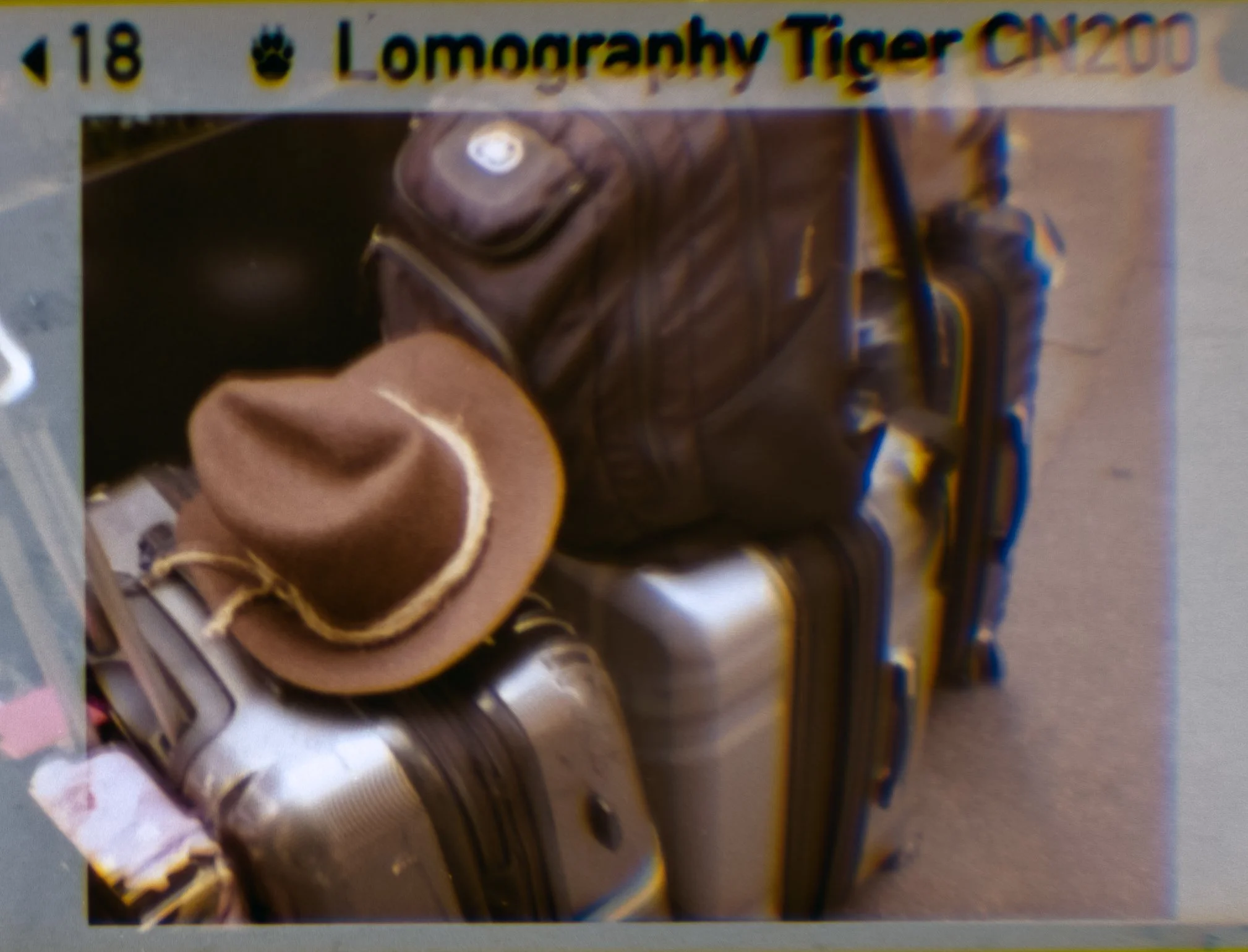
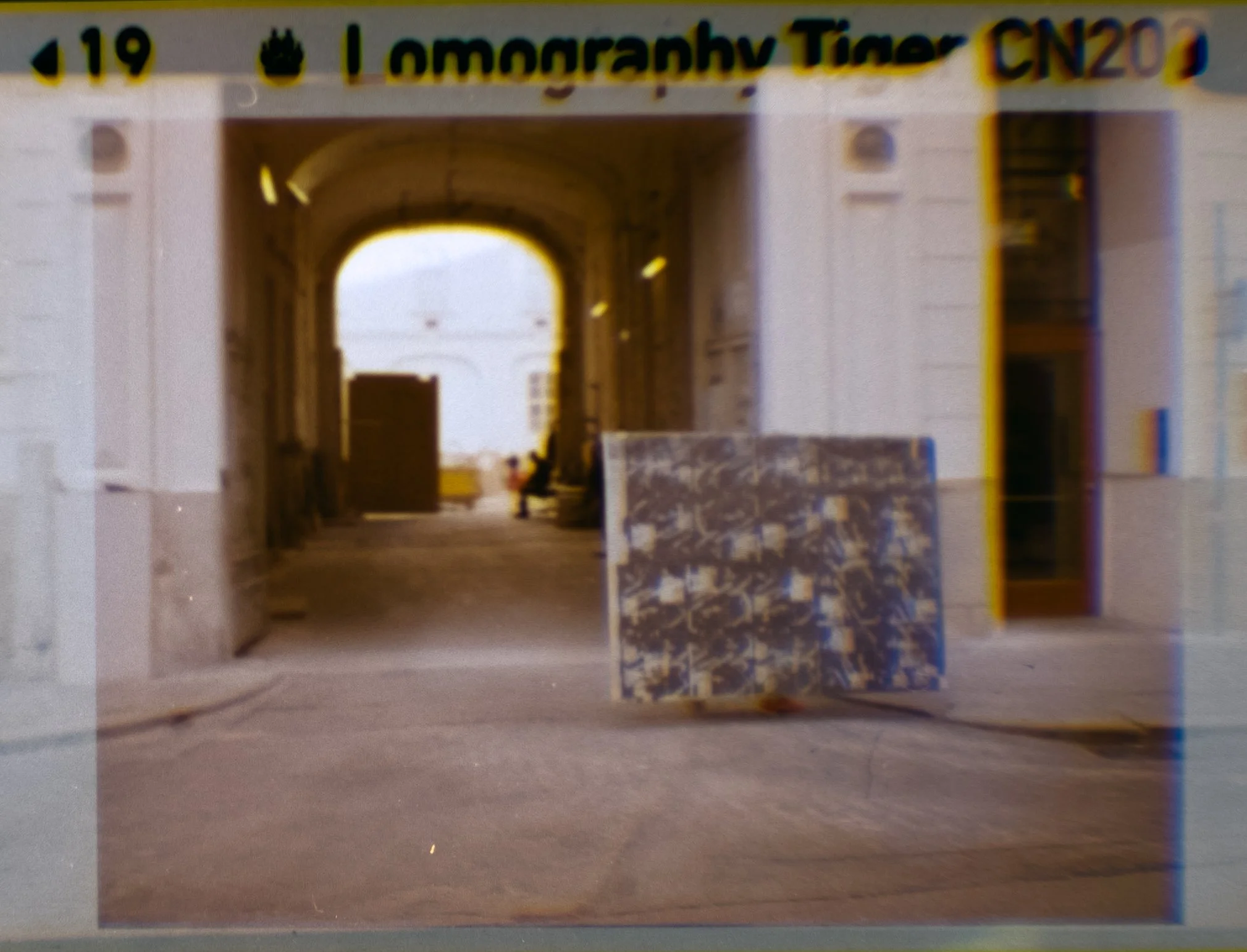
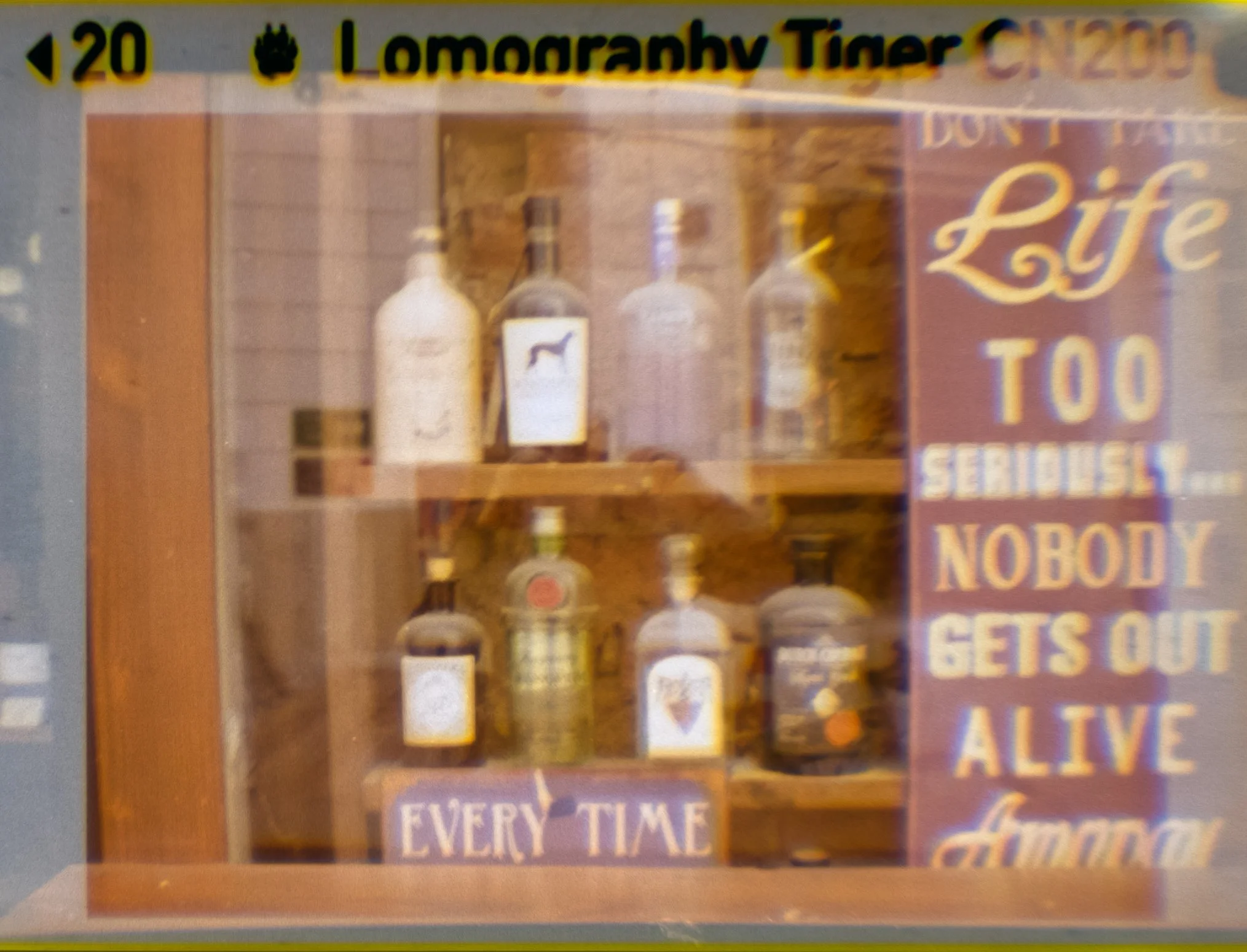
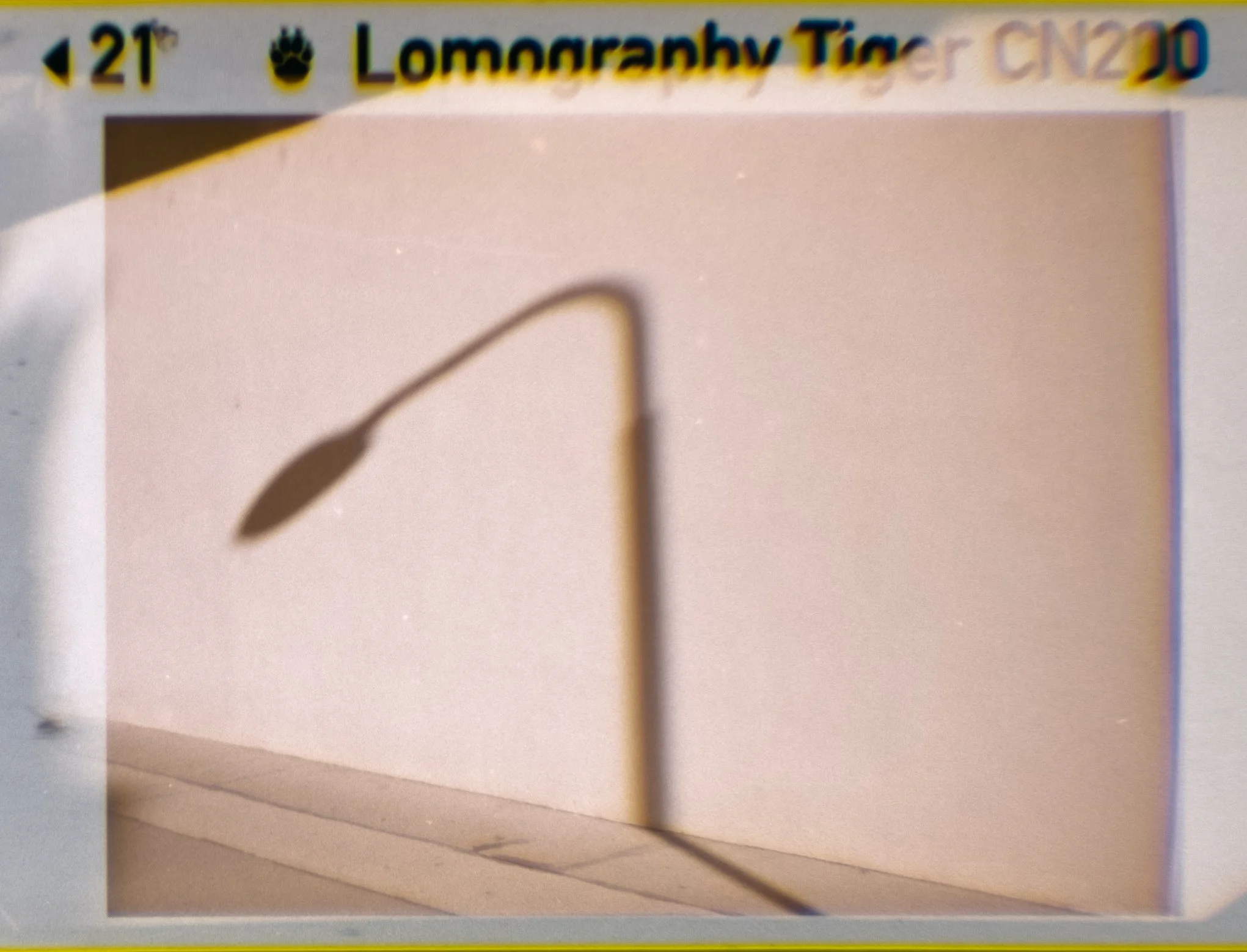
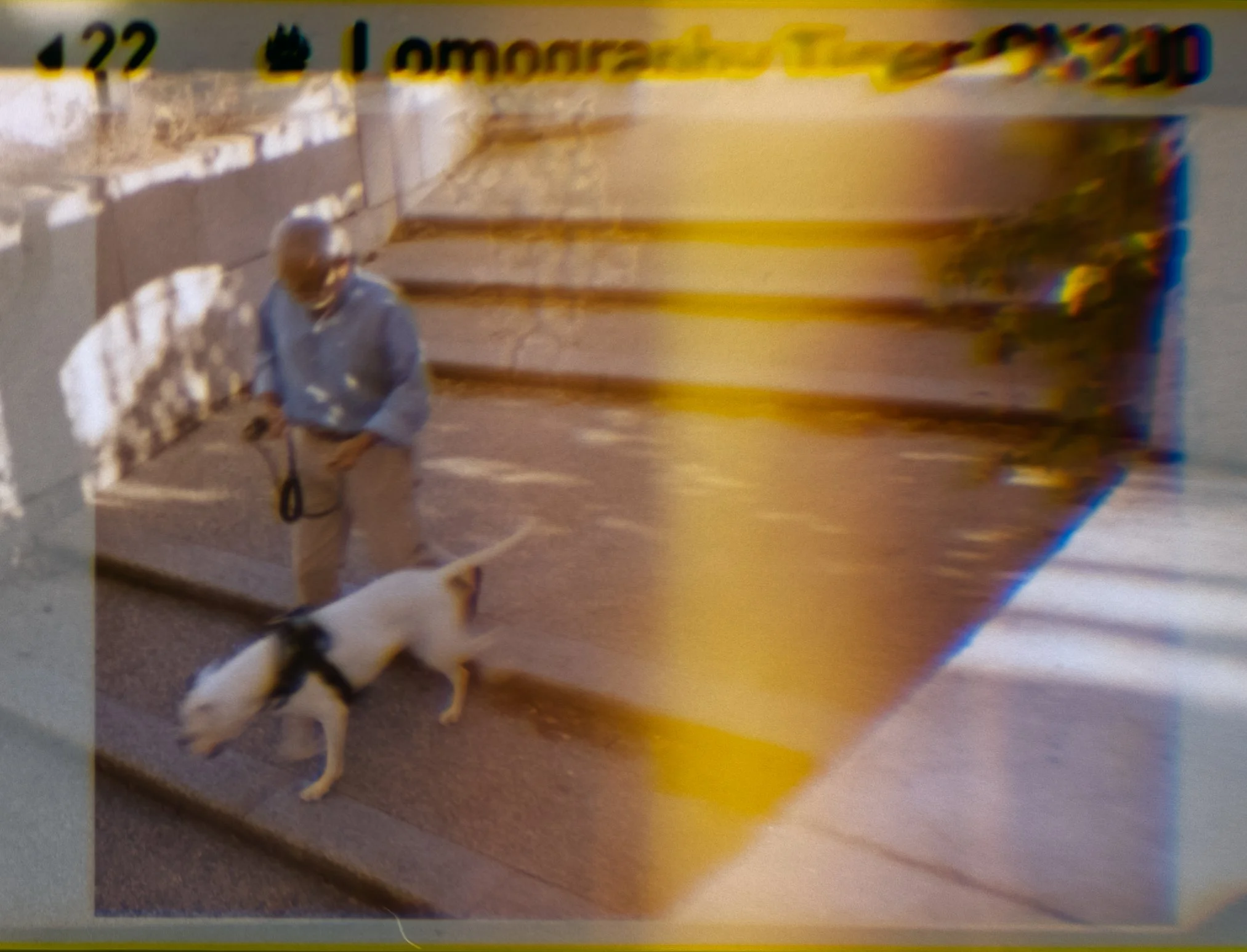
    I explored the vibrant streets of Vienna with a unique camera. I embarked on a photographic adventure that combined nostalgia with modern creativity.

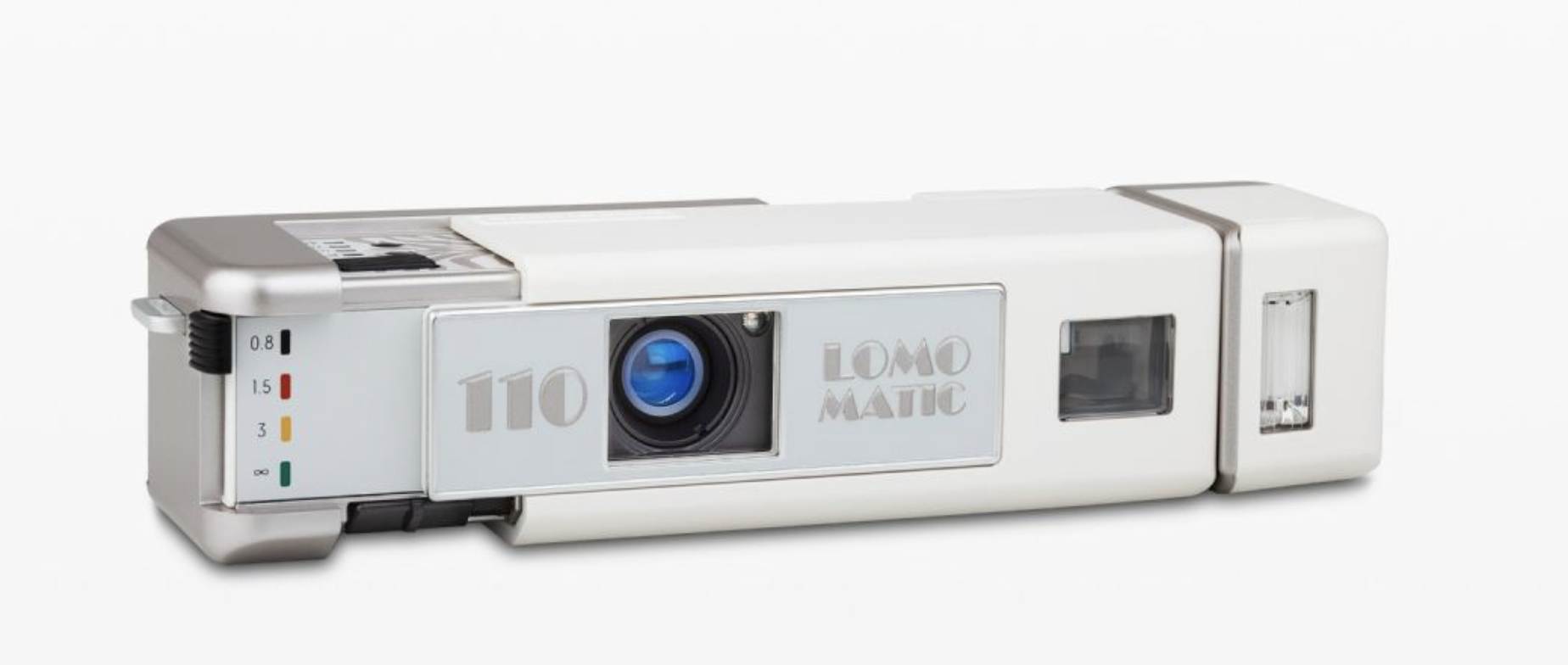
    The Lomomatic 110 Camera, a recent release by Lomo, offers a blend of vintage charm and contemporary design.

    The Lomomatic 110 Zebra Camera

    image: Lomography.com

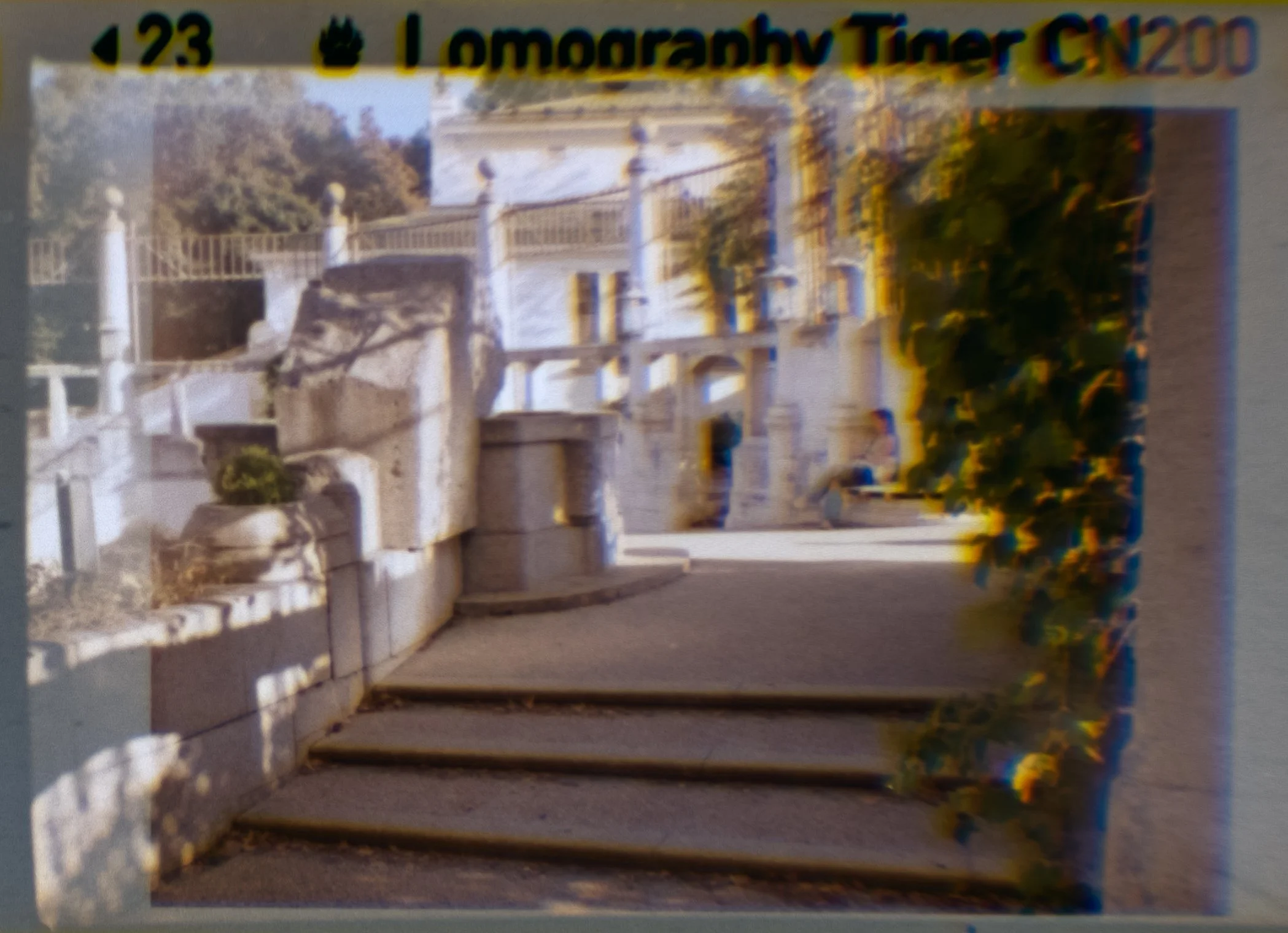
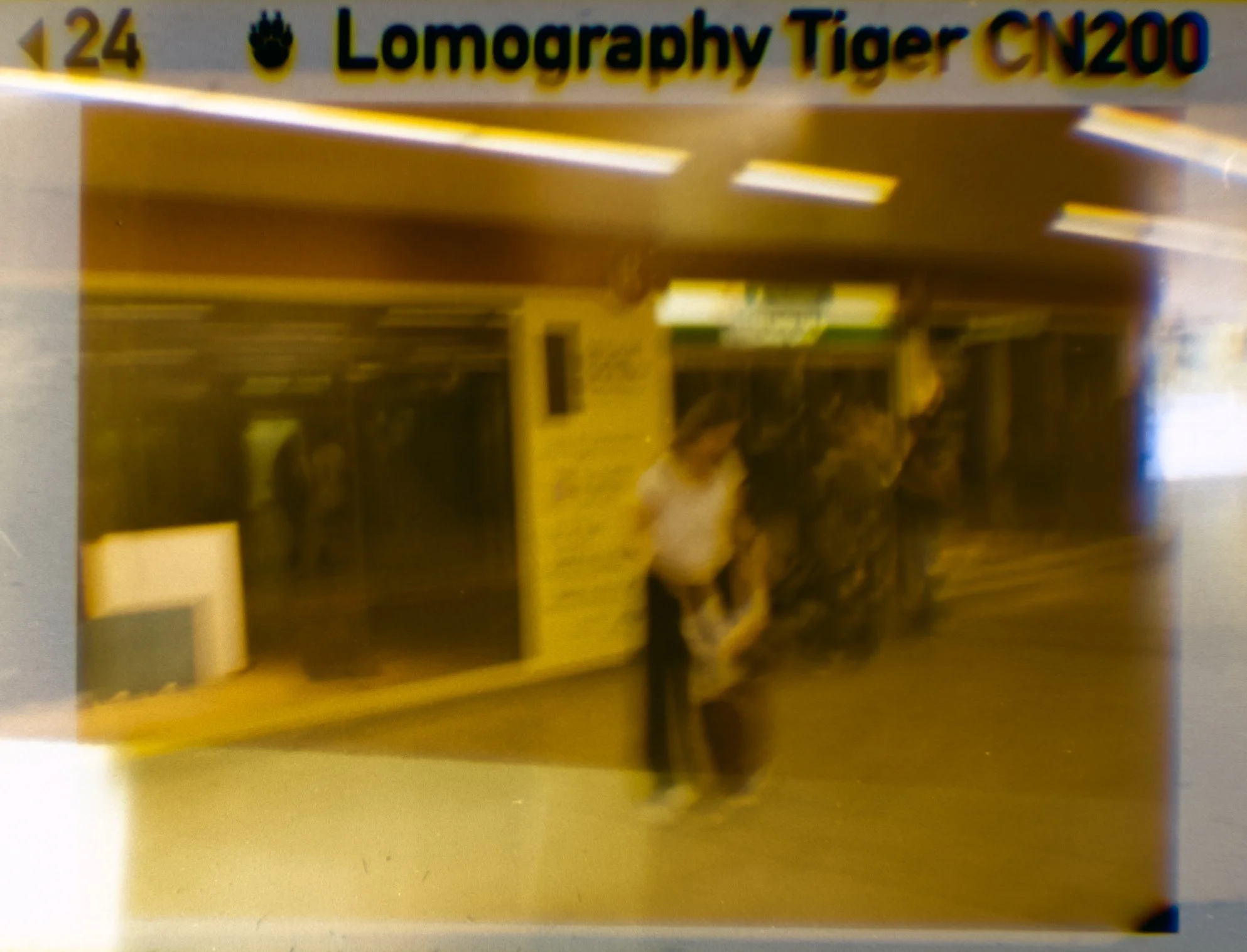
    The Lomomatic 110 Camera, with its striking white and black design, is a compact marvel that packs a punch. Equipped with a flash, distance scale, and ISO settings, it also features multiple exposure and long exposure modes. I used Lomography 200 ISO negative Tiger film, providing 24 exposures to capture the essence of Vienna.

    Challenges and Learning Curve

    As with any new equipment, mastering the Lomomatic 110 presented its own set of challenges:

    – Film Advancement: The manual film advancement mechanism required careful attention to avoid missed shots or unintended double exposures.

    – Focus and Exposure: Remembering to adjust the distance scale and exposure modes (day/night) for each shot was crucial for achieving sharp, well-exposed images.

    – Shutter Button Sensitivity: Ensuring the shutter button was fully pressed became a learning experience, as some shots were missed due to incomplete button presses.

    Street Photography Experience with a Lomomatic 110
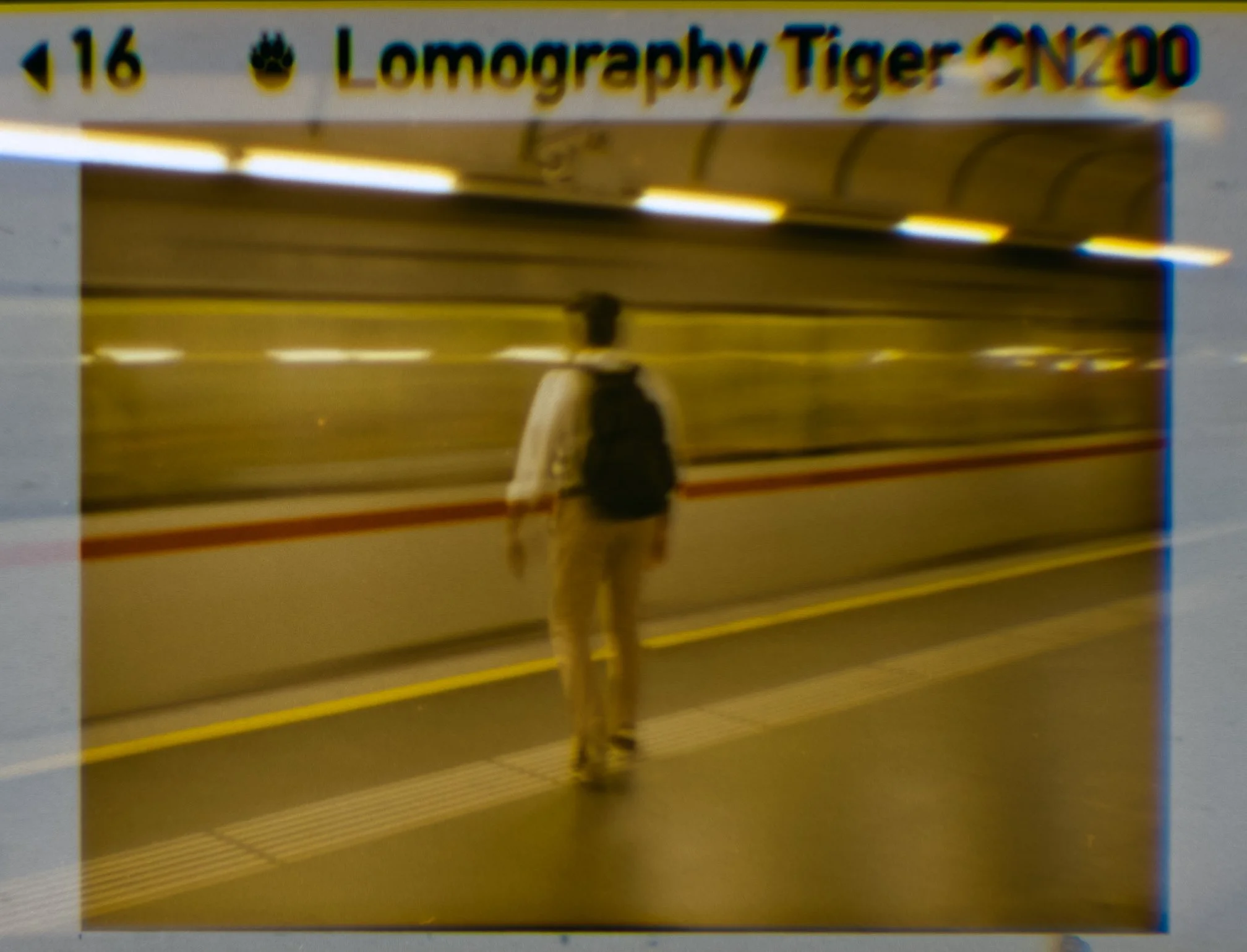
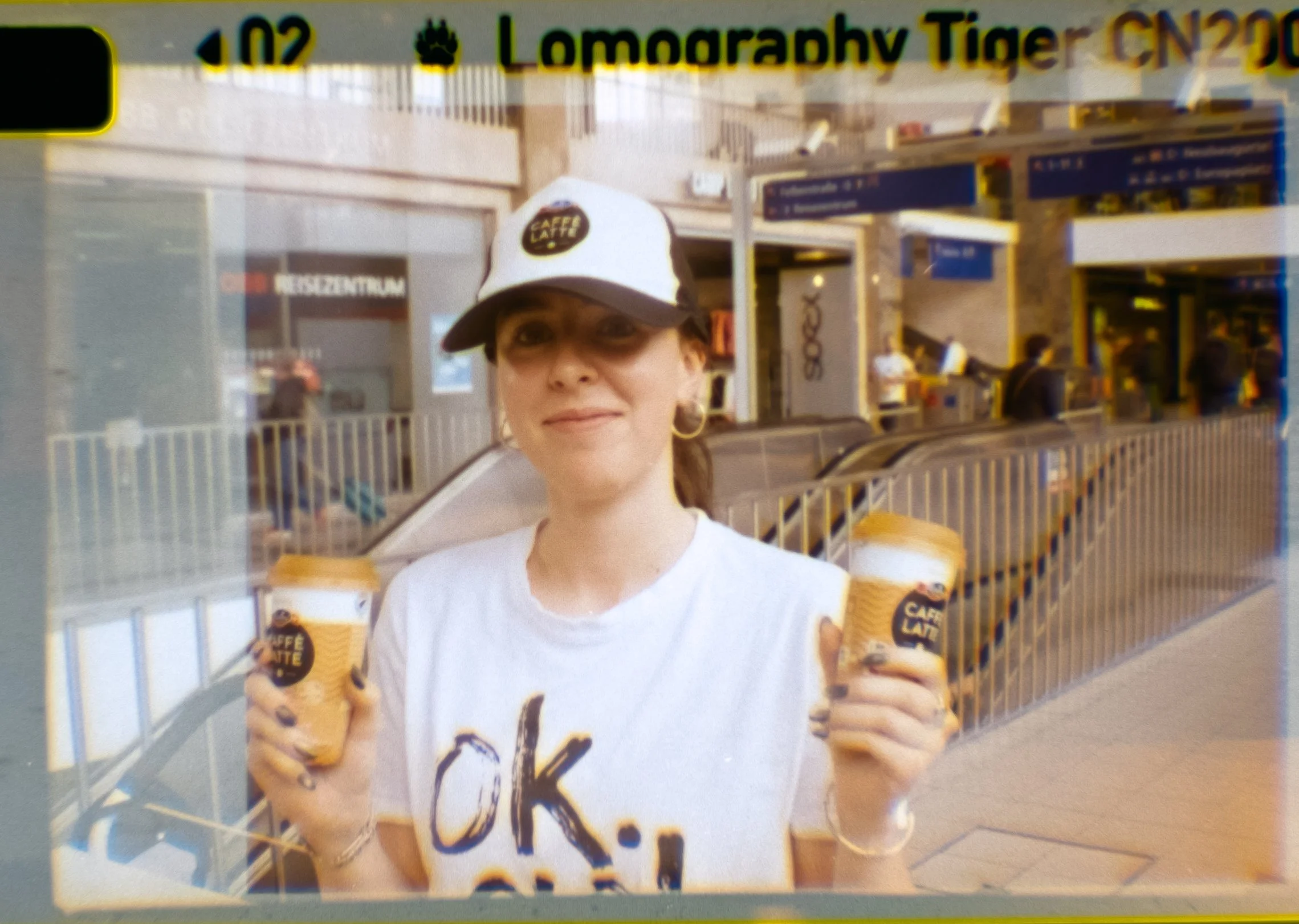
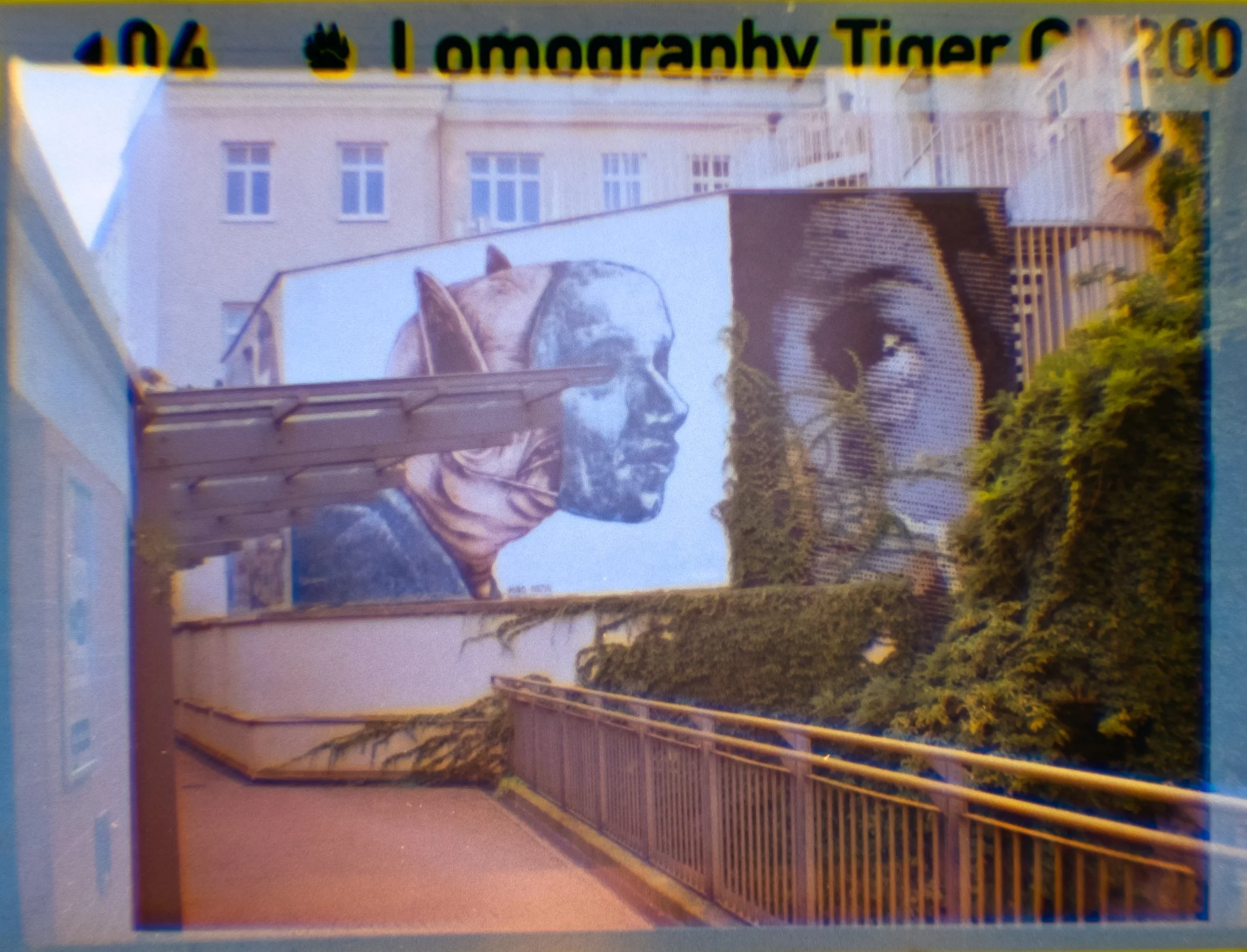
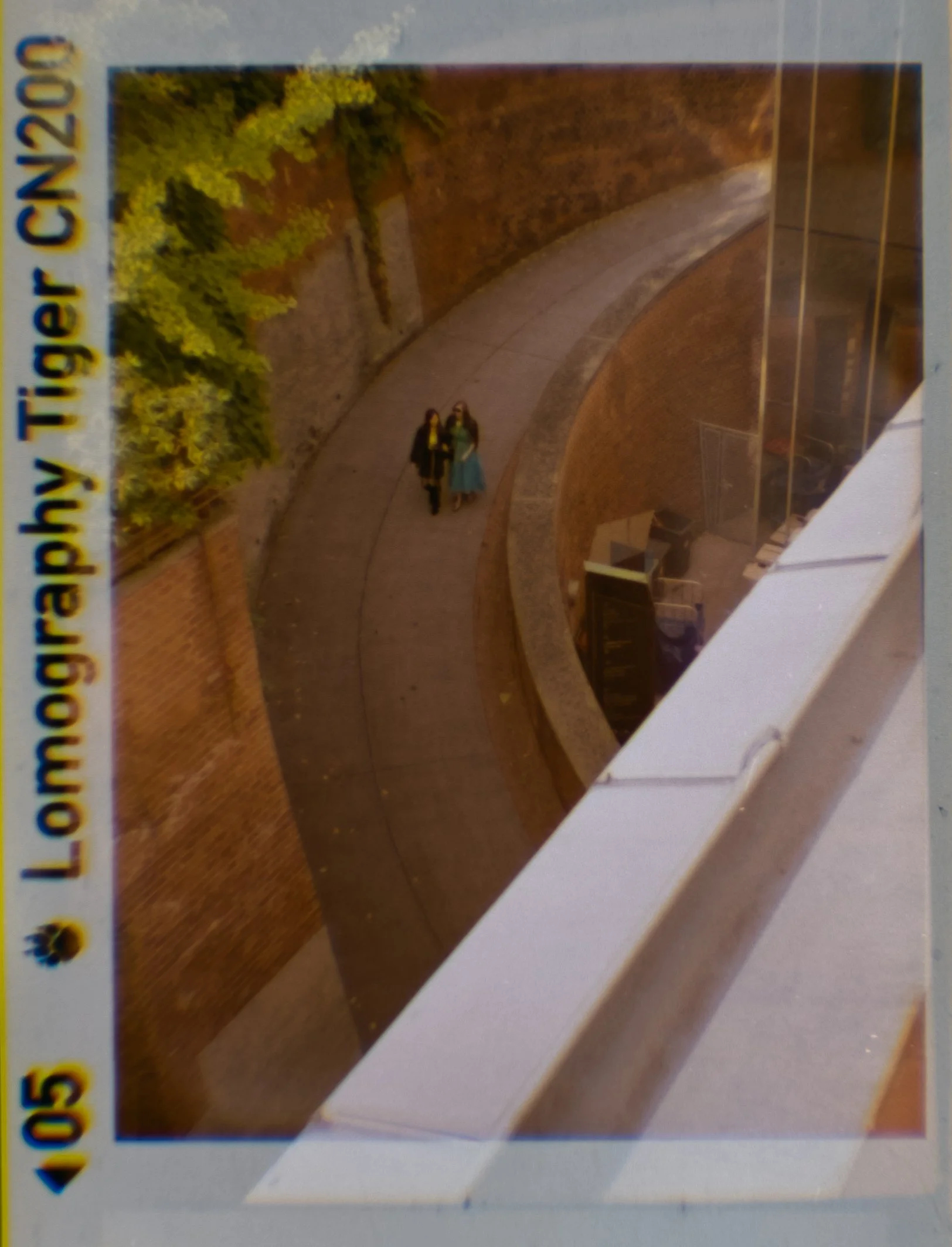
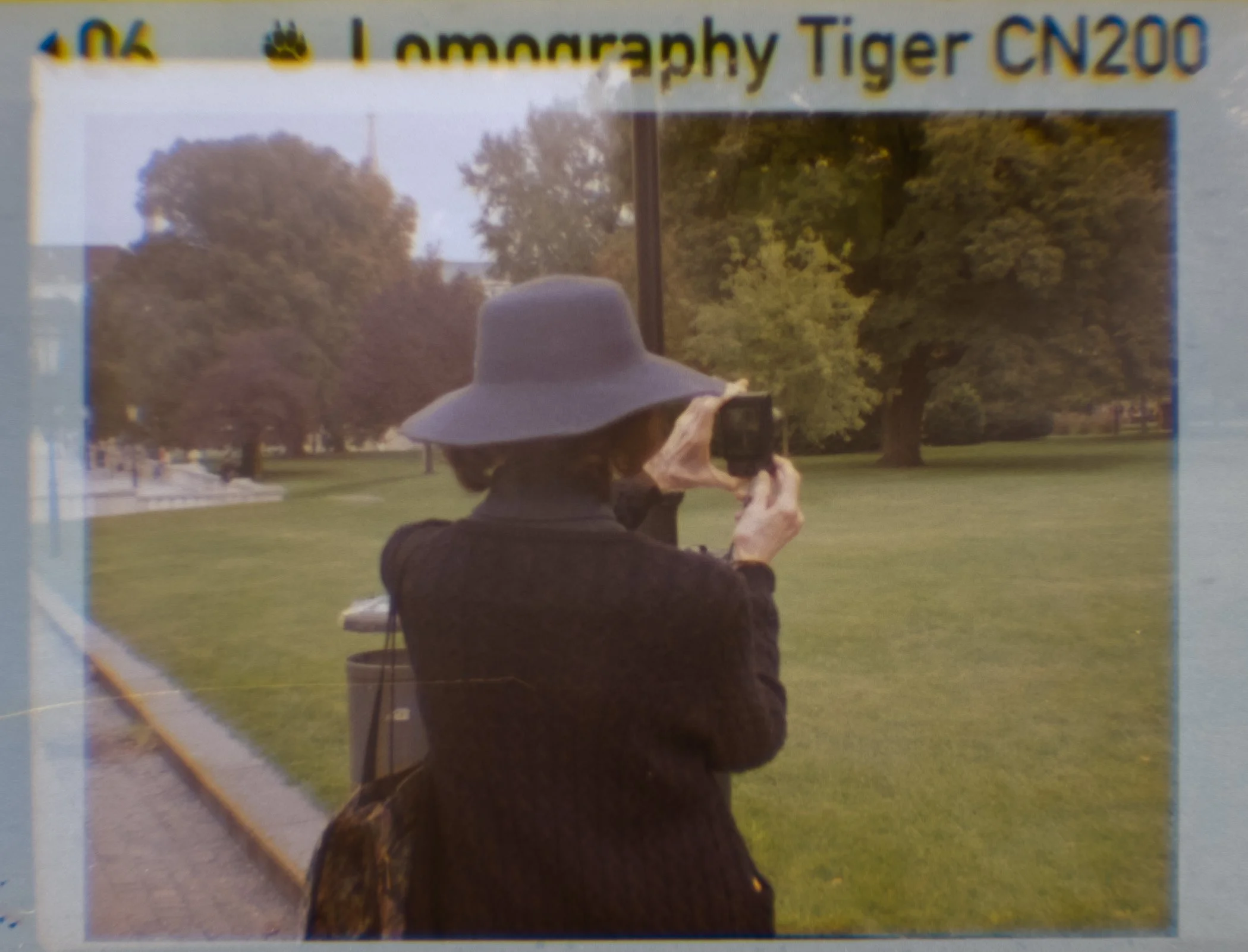
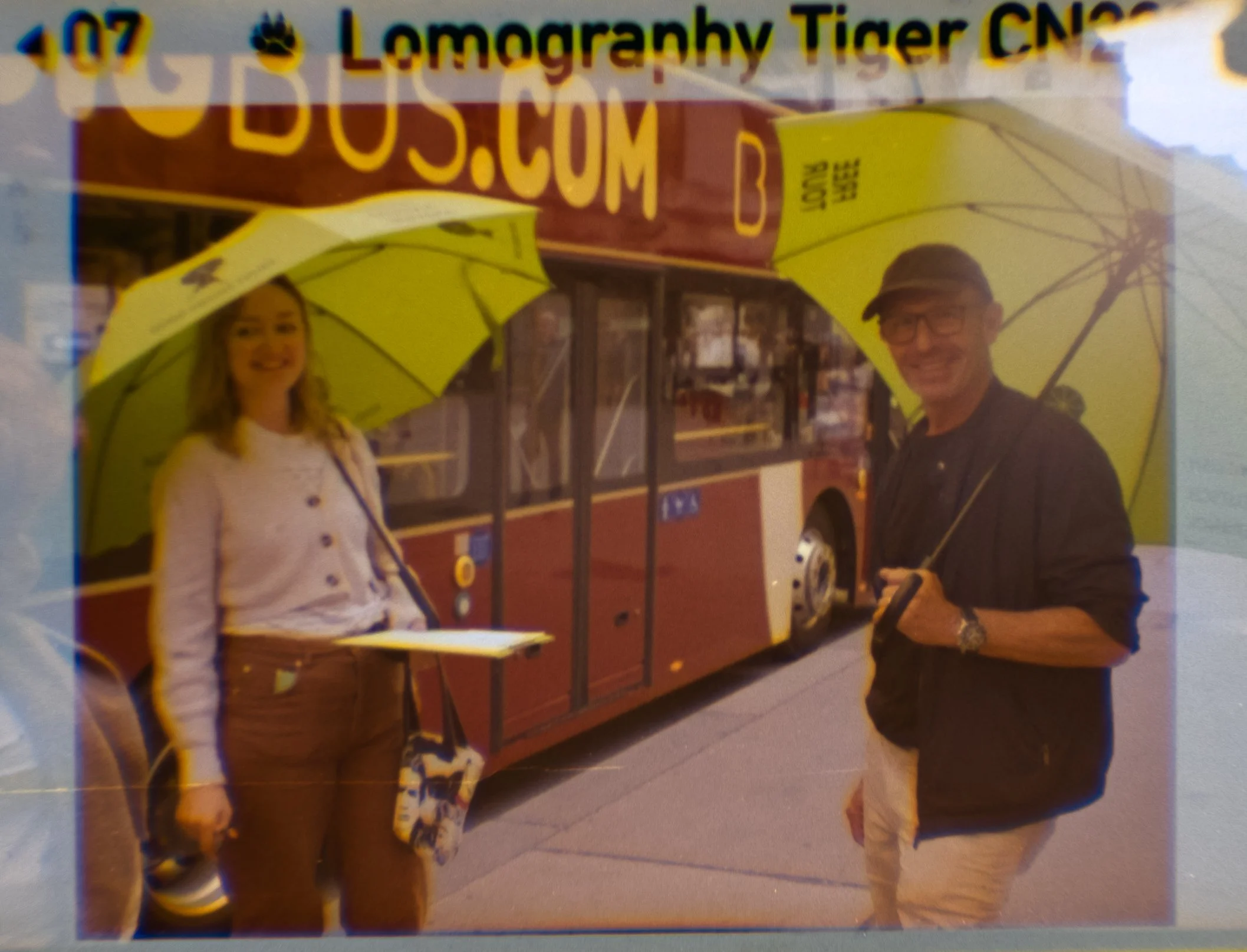
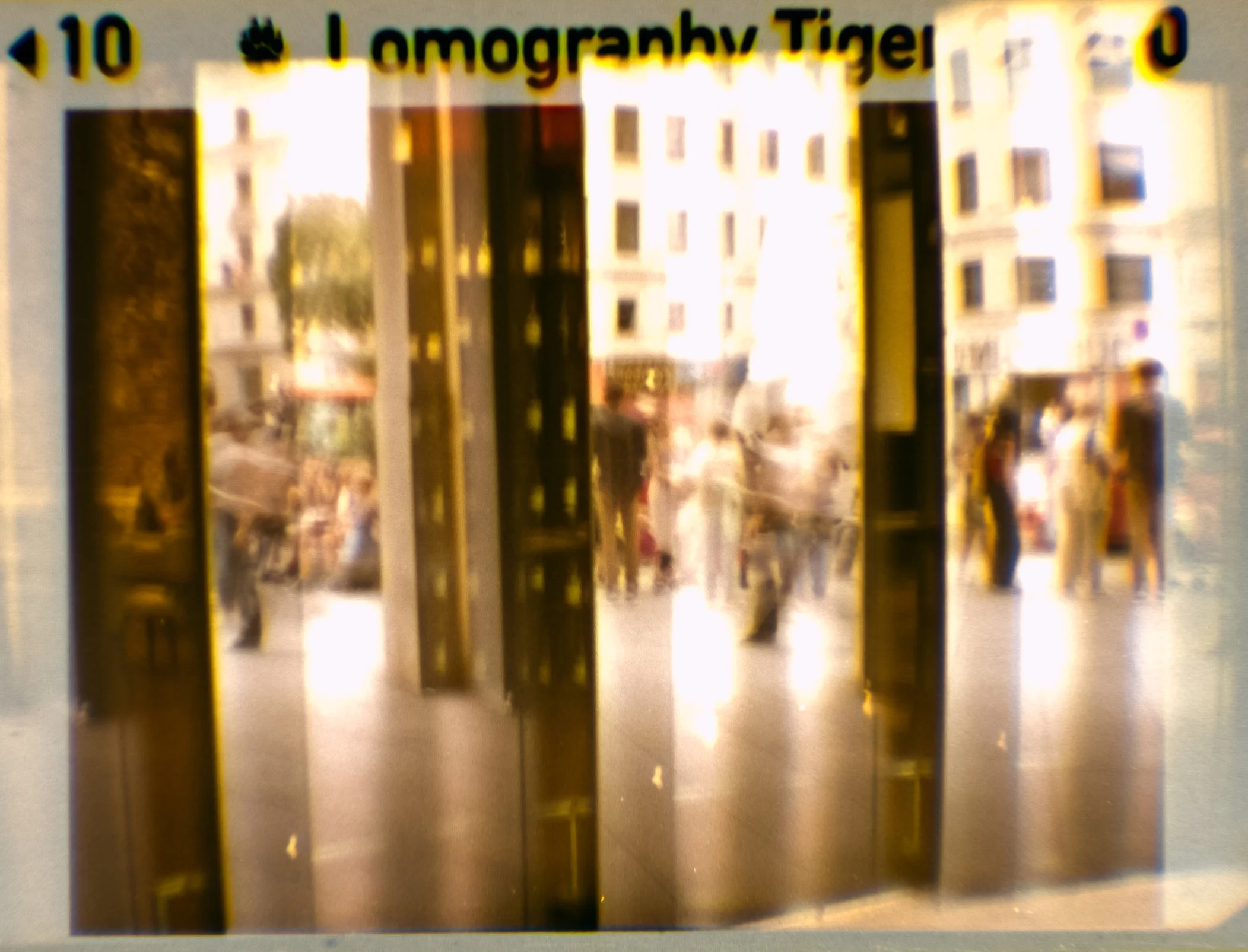
    Venturing through Vienna’s streets, the Lomomatic 110 became a conversation starter. From capturing the contrast between traditional horse-drawn carriages and modern DHL delivery vehicles to engaging with locals for impromptu portraits, the camera’s unique appearance drew curiosity and smiles.

    Lessons Learned

    1. Know Your Gear: Before a shoot, it is essential to familiarize yourself with a new camera. Understanding its quirks and features can distinguish between capturing and missing key moments.

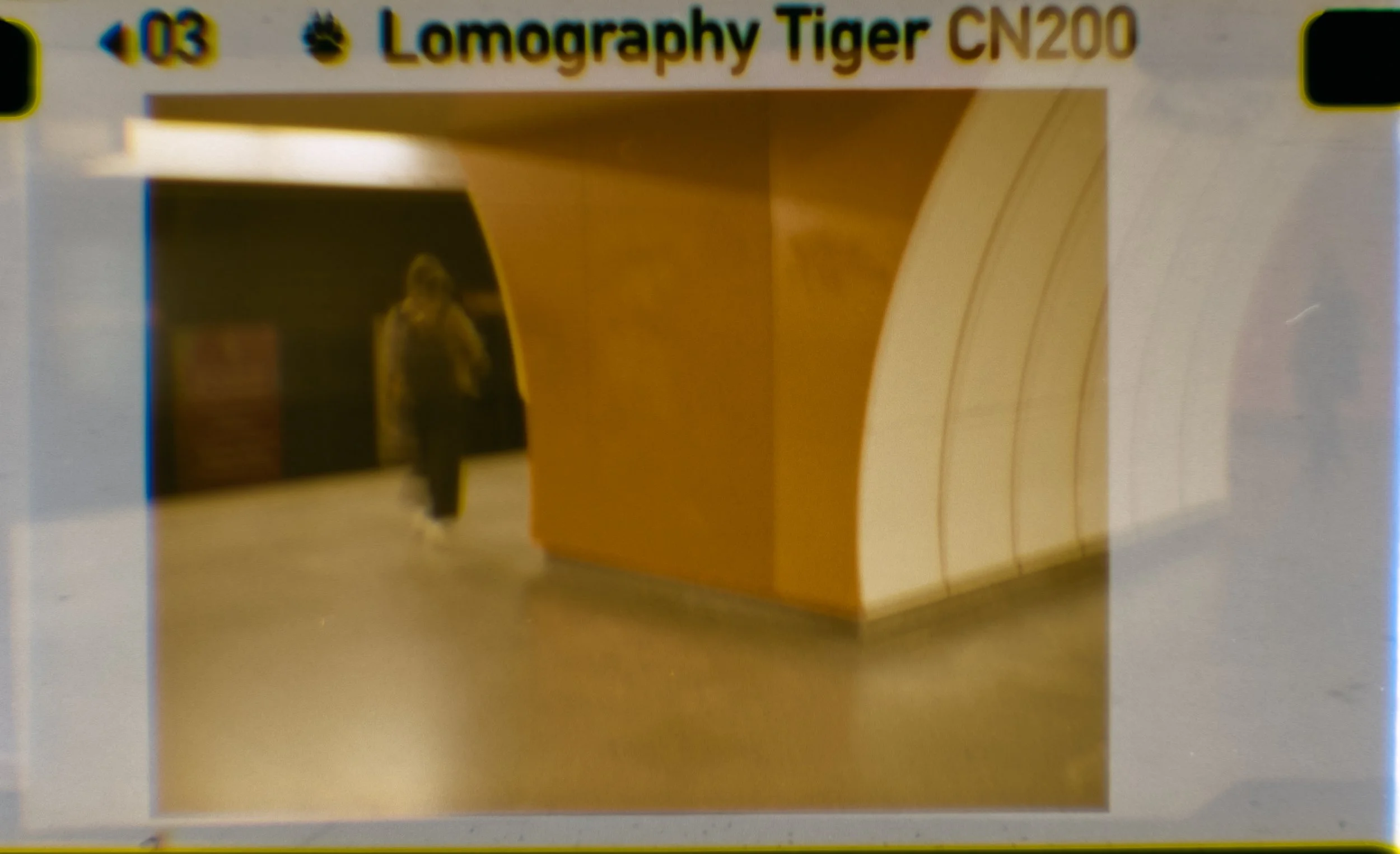
    2. Embrace Imperfection: Film photography’s unpredictability, especially with a quirky camera like the Lomomatic 110, can lead to happy accidents and unique artistic expressions.

    3. Enjoy the Process: While technical proficiency is important, the joy of photography lies in the experience itself. The laughter shared with fellow photographers and subjects adds an invaluable dimension to the art.

    Lomography110_ZebraCrossing_001.jpg
    Lomography110_ZebraCrossing_002.jpg
    Lomography110_ZebraCrossing_004.jpg
    Lomography110_ZebraCrossing_005.jpg
    Lomography110_ZebraCrossing_006.jpg
    Lomography110_ZebraCrossing_007.jpg
    Lomography110_ZebraCrossing_008.jpg
    Lomography110_ZebraCrossing_009.jpg
    Lomography110_ZebraCrossing_010.jpg
    Lomography110_ZebraCrossing_012.jpg
    Lomography110_ZebraCrossing_013.jpg
    Lomography110_ZebraCrossing_014.jpg
    Lomography110_ZebraCrossing_015.jpg
    Lomography110_ZebraCrossing_016.jpg
    Lomography110_ZebraCrossing_017.jpg
    Lomography110_ZebraCrossing_018.jpg
    Lomography110_ZebraCrossing_019.jpg
    Lomography110_ZebraCrossing_020.jpg
    Lomography110_ZebraCrossing_021.jpg
    Lomography110_ZebraCrossing_022.jpg
    Lomography110_ZebraCrossing_023.jpg
    Lomography110_ZebraCrossing_024.jpg


    Final Thoughts

    Despite the challenges and missed shots, the experience with the Lomomatic 110 Camera in Vienna was undeniably fun and educational. It served as a reminder that photography is not just about the result but also about the journey, the connections made, and the moments of discovery along the way.

    For those considering venturing into film photography or experimenting with unique cameras like the Lomomatic 110, remember that each frame is an opportunity to learn and create.

    Embrace the quirks, celebrate the imperfections, and, most importantly, enjoy the process of capturing life through a different lens.

    Here, you can watch my whole photo walk with the Lomomatic 110 Zebra Crossing. Thomas Eisl, a local photographer from Vienna, filmed the video.