Author: Peter Forsgard

  • LiDAR AF Systems: Faster, Smarter Focus for Low‑Light and Video Work

    LiDAR AF Systems: Faster, Smarter Focus for Low‑Light and Video Work

    I find LiDAR AF really interesting because it uses a few laser rangefinders to measure how far your subject is. Instead of relying solely on the camera sensor, the lens is told where to focus. For me, this has helped me achieve sharp focus much faster, even in dark places or with hard-to-focus-on subjects. I think it is especially useful if you like to use manual-focus lenses.

    What LiDAR AF Actually Is

    LiDAR stands for Light Detection and Ranging. It works by sending out small laser pulses and checking how long it takes for them to bounce back. This way, the camera knows how far things are. In a LiDAR AF system, this distance goes straight to the camera or focus motor, so the lens can focus right away.

    LiDAR AF is not like the usual autofocus, which needs contrast or phase information from the sensor. LiDAR is more like an extra brain for your camera, telling the lens where to focus, even if it is very dark or there is not much contrast. I find this really useful for video work or when using a gimbal, because you want the focus to keep up without needing extra lights that could ruin your shot.

    How LiDAR AF Systems Are Built

    Most LiDAR AF systems for cameras have three main parts:

    • A LiDAR distance sensor that sends out laser pulses and reads back how far things are in front of the camera.

    • A controller, which is usually a small board, that turns the distance data into focus positions for the lens and helps with calibration.

    • A focus motor or follow-focus unit that physically moves the focus ring, allowing LiDAR to drive even fully manual cinema lenses.

    Usually, the LiDAR sensor sits close to the lens and lines up with it, so it sees the same thing as the lens. After you put it on, you need to calibrate it by focusing at a few different distances, like infinity, 3 meters, 1 meter, and so on. This helps the system learn how to focus with your lens.

    Why It Matters for Photographers and Filmmakers?

    LiDAR AF is solving some real problems for photographers and filmmakers:

    • Low-light and nightclub work: Since LiDAR uses its own laser, it does not need any ambient light or visible contrast. This means you can get reliable focus even in situations where normal autofocus gets confused.

    • Manual lens autofocus: Some systems, like from DJI and PDMovie, can turn old manual focus lenses into almost autofocus lenses by moving the focus ring with a motor, using the LiDAR distance.

    • Predictable focus pulls: After you calibrate the system, it can repeat exact focus moves between two distances. This is really helpful for storytelling and when you want smooth, controlled focus pulls.

    Mirrorless cameras are much better these days, but they still struggle with things like backlit hair, small faces far away, or subjects with very little contrast. LiDAR AF avoids most of these problems because it just measures the distance. That is why more people are starting to use it for video, even if it means a bit more gear and setup.

    Current Uses and Where Itis going?

    LiDAR has been around for a long time in things like self-driving cars, robots, and mapping. In those cases, it makes detailed 3D maps by sending out lots of laser pulses. For cameras, LiDAR AF uses the same idea, but just for focusing at shorter distances and working with lenses, not for making full 3D maps. 3D maps.

    Today, LiDAR AF is appearing in:

    • Dedicated cinema focus systems that sit on rails, pair with wireless controllers, and support follow‑focus style operation.

    • Hybrid mirrorless setups where a LiDAR range finder feeds distance data into the camera body to improve or replace existing AF in video modes.

    • Mobile devices and future wearables, where LiDAR and tunable optics could even drive autofocus in glasses and head‑mounted displays.

    In the future, LiDAR modules will get smaller and cheaper, and I think we will see cameras that use both LiDAR and normal autofocus together. This could mean smarter subject detection and really good focusing even in the dark. For me, LiDAR AF is not just a new trick, but a real tool that lets us control focus almost like we control aperture or shutter speed.

    My source for this post was the LiDAR Wikipedia page.

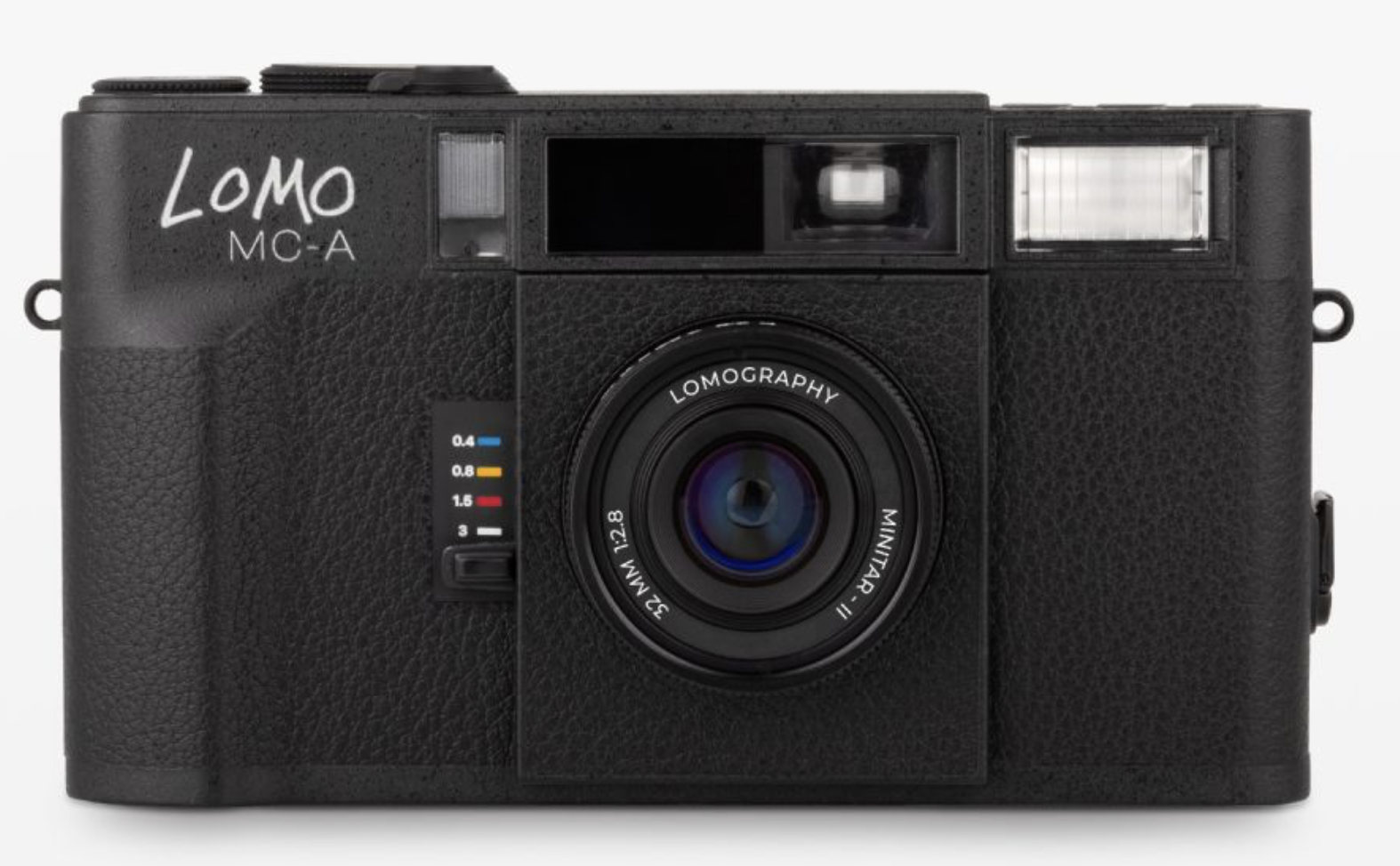
    This blog post was part of my testing of the LOMO MC-A film camera. Check out my video about it, or head straight to Lomography and treat yourself to a brand-new film camera.
  • How bold color and retro aesthetics are reshaping contemporary photography

    Bold color and retro styles are not only about the past. I think they are great ways to make your photos feel new and different right now. There are so many photos everywhere, so using these styles can help you stand out and show your own way of seeing things.

    Why bold color is back

    For a long time, faded and moody photos were everywhere online and in ads. I think bold color is coming back because people got bored with that look. Bright colors really catch your eye, especially when you scroll through lots of small photos. They look good on screens, in prints, and even in videos. Using strong colors, like bright red or blue, can become part of your own style, just like how you frame your photos.

    Screens today are vivid and packed with color, so bold colors just fit. Modern cameras and editing tools make it easy to use strong colors, much more than film ever did. This means we can play with color and contrast and still keep all the details in our photos.

    Color as storytelling, not just style

    This change is not only about how photos look. It is also about telling a story. You can use strong color to:

    • Create a mood (warm oranges for closeness, harsh blues and greens for feeling distant or modern).

    • Direct the viewer’s attention in busy photos, especially in street and documentary photography, where the picture needs to make sense out of a lot going on.

    • Tie a project or series together, making the photos feel like parts of the same story instead of random, separate pictures.

    If you use bold color on purpose, it can really help your story. For example, you can use yellow again and again in a street project to say something about city life. But if you make everything too bright, it can get boring and lose feeling. I think it is important to use strong colors with care, not just to make things look colorful.

    The pull of retro aesthetics

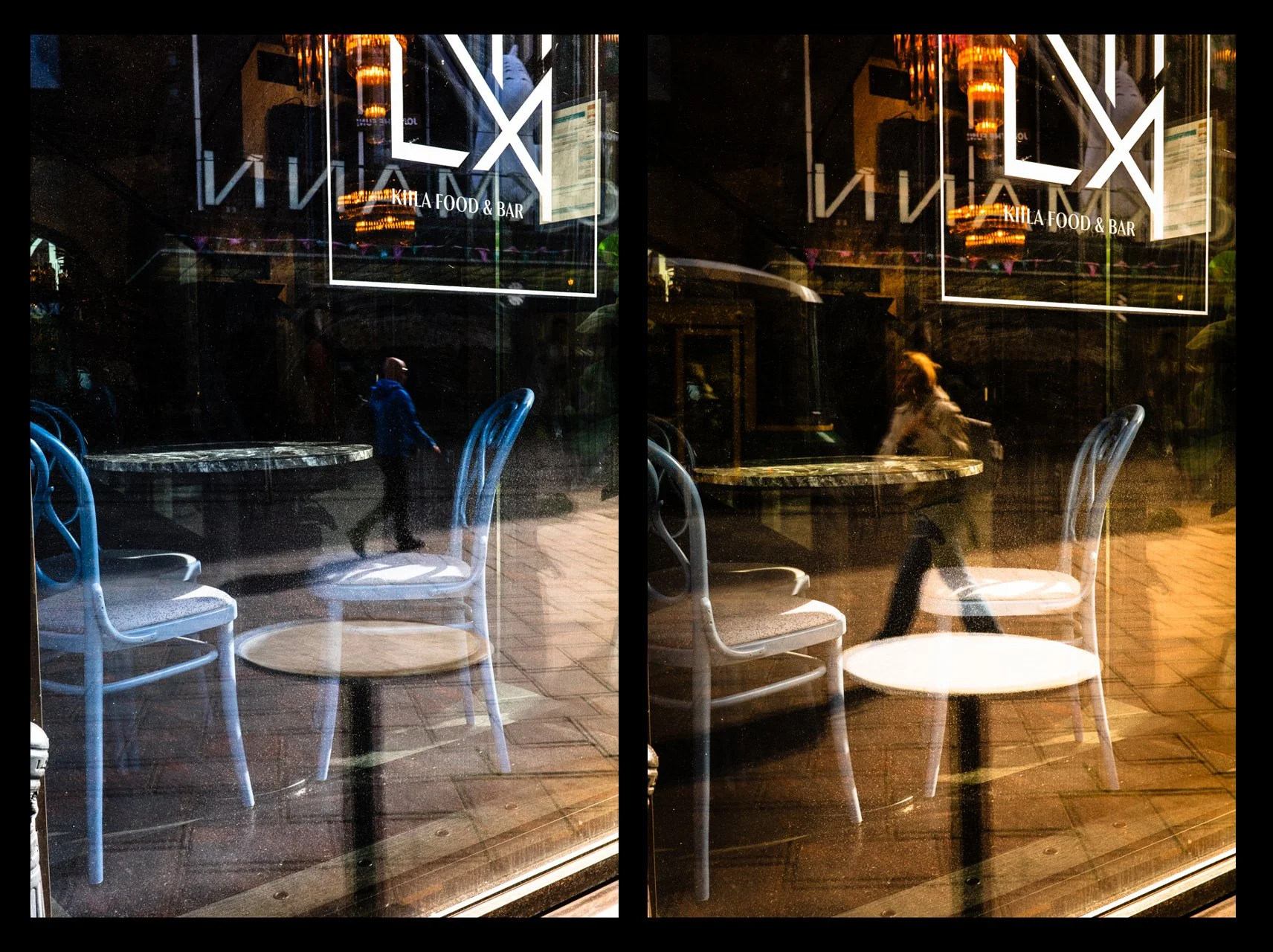
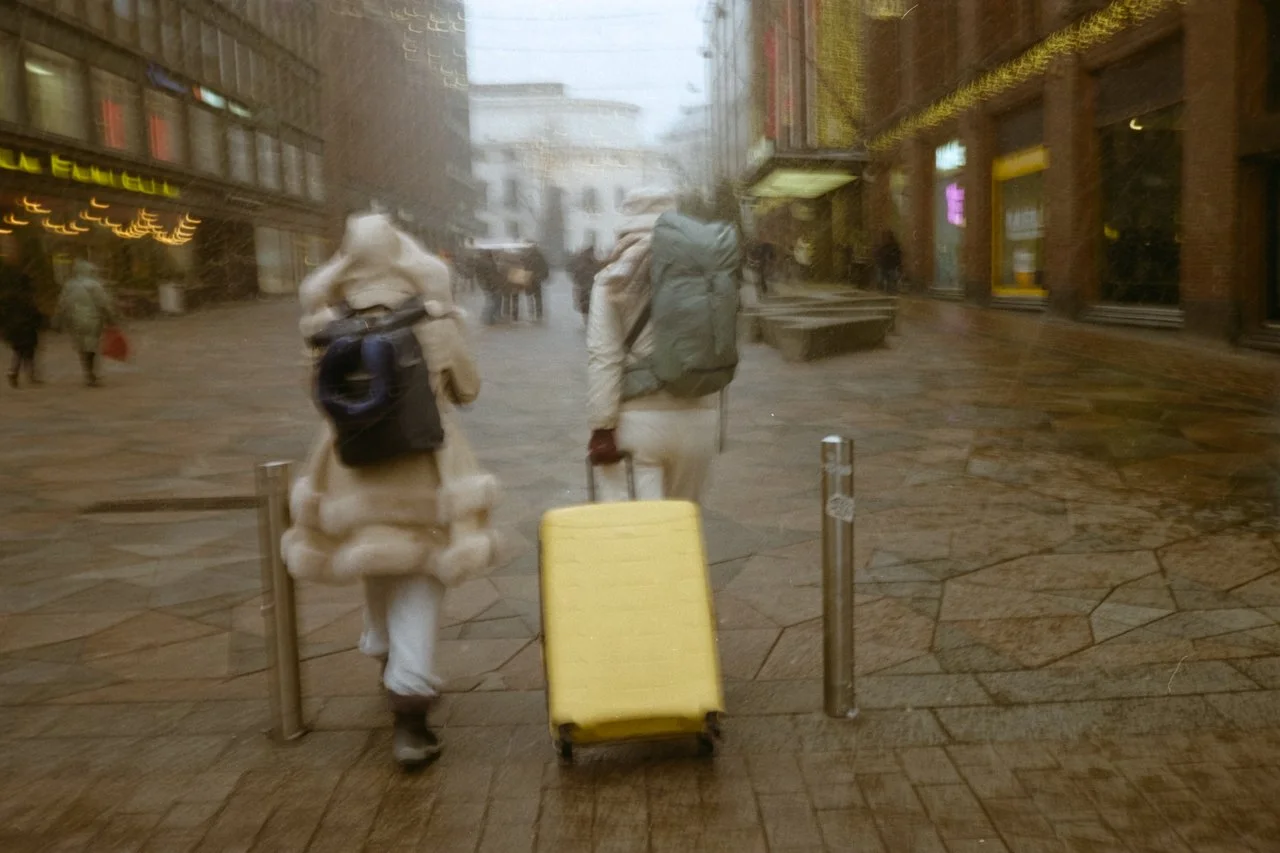
    Image made with Lomo MC-A film camera.

    Retro styles like film grain, light leaks, glow, old lenses, and Polaroid frames remind us of real memories. Today, when AI and super clean digital photos can feel too perfect, these small “imperfections” feel more real. People see a bit of blur or grain as a sign of real life, not something fake.

    Retro isn’t monolithic, either. It spans:

    • 1970s warm, slightly faded Kodachrome vibes.

    • 1980s and 1990s point‑and‑shoot flash with intense direct light and on‑camera glare.

    • Early‑2000s consumer digital with its particular sharpening, white balance, and color quirks.

    Each time has its own feeling. A 90s compact camera look can make you think of family and old photo albums. A harsh flash can evoke a nightlife or DIY vibe. These styles can help your photos mean more.

    Why retro resonates now

    There is a bigger reason why these styles are popular now. When it is easy to fake photos, people want to see that a photo is real and from a real time and place. Retro details show how the photo was made. It feels like light touched film, chemicals changed it, and someone held the print. Even if you make the look on a computer, retro style shows skill and a connection to the history of photography.

    Retro can also be fun. Some photographers mix old and new styles, like 1970s color with today’s fashion. I think this shows how culture repeats and how our memories keep changing.

    Hybrid: retro look, modern freedom

    What really changes photography today is mixing digital photos with retro looks. Now you can do things like this:

    • Take clear, flexible digital photos and then add film-like color, grain, and glow with a lot of control.

    • Use old lenses on new digital cameras, mixing the look of old glass with the quality of new sensors.

    • You can copy the look of a certain film for a whole project, which was really hard to do with real film. Now, retro is not a limit. It is more like a set of tools. You can pick what you like from the past and use it how you want, instead of being stuck with one film or camera.

    Cliché and empty nostalgia are risks

    Because these looks are so easy to get with presets and apps, there is a real risk that everything starts to look the same. If you just use a popular film preset or a trendy color, your photos can blend in with everyone else’s. Retro and bold colors cannot fix a boring photo. If the picture is not interesting, editing will not help. If the topic and story are not interesting, then even a special retro look or color palette will not help. A project about city change might use cool, strong colors and harsh flash to show tension. A series about family memories might work better with softer, pastel film looks and visible grain.

    Practical ways to use these trends

    For photographers looking to engage with these shifts without losing their voice:

    • Start by thinking about what your project is about. Then pick colors that help tell that story, not just a look you like. Try to see how color and imperfection were used before, and use them in your own way.

    • Try to use just a few colors or stick to one time period for a project. This way, your photos feel like they belong together, not just a mix of random filters. It helps your work feel more like a story.

    • Use retro tools like real film, old lenses, or special digital settings to find new ways to shoot. Do not just add them as decoration later. Try to make them part of your process.

    Bold color and retro styles help photographers stand out and feel more real in a world full of perfect images. If you use them as part of your own style, more than a trend, they can make your photos feel more emotional and true to you.

  • Storytelling Over Gear: Thoughts on My Podcast Conversation About Street Photography

    A lot of people think that a better camera leads to better photos. I’ve never really agreed with that idea. It came up again recently when I joined Kai Behrmann on his podcast Abenteuer Reportagefotografie, where we talked about street photography, storytelling, and what really helps photographers grow.

    For me, photography has always been about how you see and feel, not what you shoot with. A strong story, thoughtful composition, and a personal connection to the subject matter matter far more than the newest piece of technology. In fact, cameras often get in the way when we focus too much on specs instead of vision.

    From Commissions to Creative Freedom

    In the episode, I reflected on my path from working as a commissioned photographer shooting school portraits and corporate work to gradually finding my way back to photography’s more creative side. The transition from analog to digital brought new opportunities, but also new distractions.

    Over the years, I’ve consciously shifted my focus from gear reviews and technical content to meaningful street photography. It’s not always the easiest route; videos and posts about cameras get more clicks, but the personal satisfaction that comes from creating work with substance is what keeps me going.

    The Role of Failure and Courage

    Street photography is full of uncertainty. Some days you come home without a single good frame. But failure is part of the process; it’s how we learn to see better. Every missed moment teaches something about timing, light, or human connection.

    We also talked about the courage it takes to approach people, to work outside your comfort zone, and to accept that not every photo will work. That vulnerability is, paradoxically, what makes the stronger moments possible.

    Why I Love Photographing Helsinki

    Helsinki plays a big role in how I see photography. It’s a small, safe city with a fascinating visual rhythm: modern and old architecture side by side, long winter shadows, bright summer light, varied neighborhoods, and an honest kind of stillness.

    For street photographers, Helsinki is full of possibilities if you pay attention, not just to what happens, but to how the city feels when nothing happens. In the podcast, I shared some of my favorite areas to photograph and how the seasons influence my work.

    What’s Next

    Toward the end of our conversation, I also spoke about a couple of my ongoing projects. My new photography book, Street Photography: From Snapshots to Stories, which came out at the start of 2026, and the Urban Street Narratives workshop I’ve been developing in Malaysia together with Matti Sulanto and Robin Wong. Both continue my exploration of visual storytelling and the everyday human experience across different environments.

    If you’d like to listen to the full conversation, you can find the episode on the Abenteuer Reportagefotografie podcast. It’s a great series for anyone interested in documentary and street photography, with a focus on storytelling and authenticity.